
Understanding Cat Flu Shot Side Effects
Vaccinations are a crucial part of keeping your cat healthy, but like any medical intervention, cat flu shots can sometimes cause side effects. While most reactions are mild and short-lived, it’s important for cat owners to recognize what’s normal and when to seek veterinary advice. By understanding potential side effects, you can ensure your feline companion stays safe and comfortable after their vaccination.
Common Side Effects of the Cat Flu Shot
While cat flu vaccines are generally safe, mild side effects are not uncommon and typically resolve within a few days. These reactions are a normal part of your cat’s immune response to the vaccine and rarely require veterinary intervention. However, monitoring your cat closely after vaccination ensures you can address any concerns promptly. Understanding these common side effects helps you differentiate between typical reactions and more serious complications.
- Localized Swelling at the Injection Site:
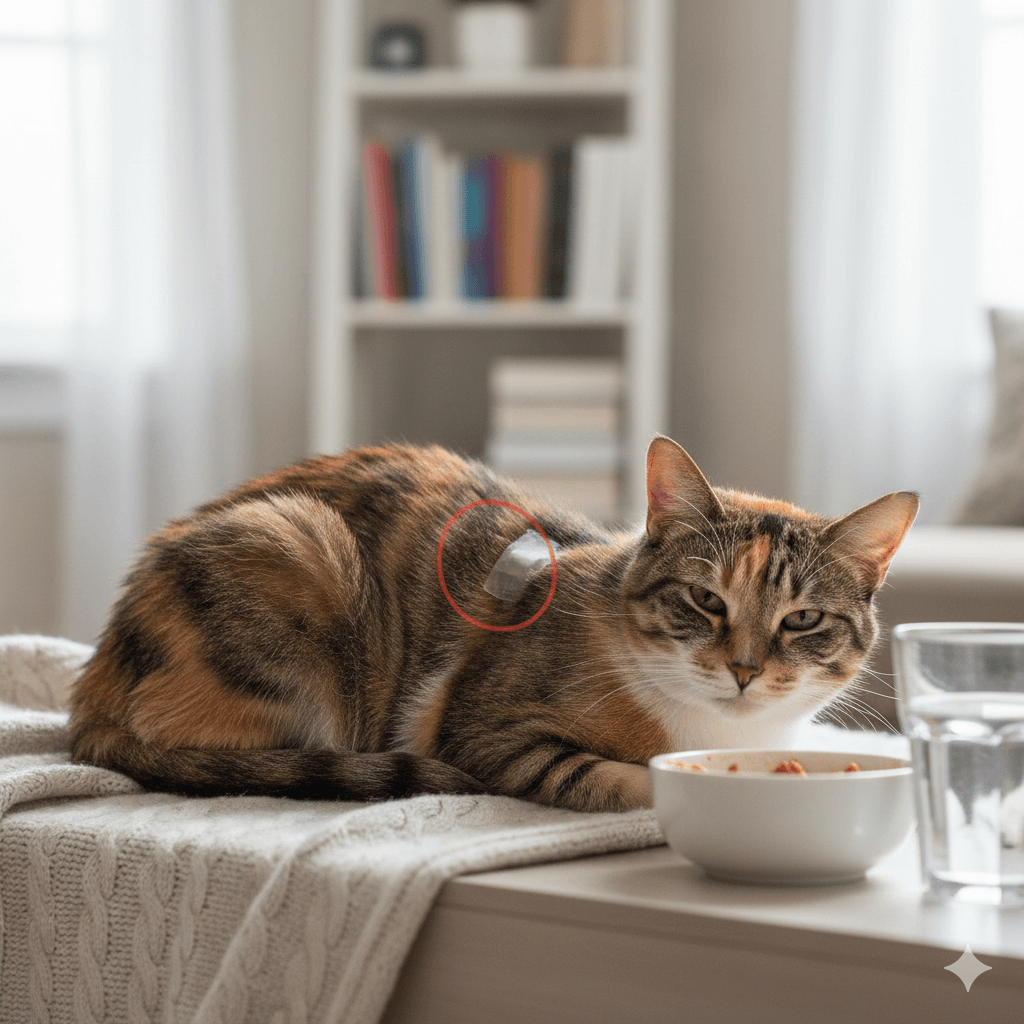
A small lump or swelling may develop where the vaccine was administered; this is caused by the immune system’s localized response and usually subsides within a week. - Lethargy or Reduced Energy Levels:
Cats may appear tired or less active for 24–48 hours as their body works to build immunity against the flu virus. This temporary fatigue is normal but should not persist beyond a few days. - Mild Fever After Vaccination:
A low-grade fever is a common reaction as the immune system activates; monitor your cat’s temperature if they seem unusually warm or unwell. - Loss of Appetite or Decreased Interest in Food:
Some cats eat less than usual after receiving the flu shot due to discomfort or mild nausea; ensure fresh water is available and encourage small meals. - Sneezing or Mild Respiratory Symptoms:
Occasionally, intranasal vaccines may cause sneezing or slight nasal discharge as the vaccine stimulates an immune response in the respiratory tract.
These side effects are generally harmless and indicate that the vaccine is working effectively to protect your cat from feline flu.
Rare but Serious Side Effects of the Cat Flu Vaccine
Although uncommon, some cats experience severe adverse reactions to the flu shot. These rare side effects require immediate veterinary attention to prevent complications. Recognizing these symptoms early ensures prompt treatment and minimizes risks to your cat’s health. While serious reactions are infrequent, being informed prepares you to act decisively if needed.
- Anaphylactic Shock or Severe Allergic Reactions:
Symptoms include difficulty breathing, facial swelling, or collapse; this life-threatening reaction requires emergency care and epinephrine administration. - Injection-Site Sarcomas (Vaccine-Associated Tumors):
In extremely rare cases, vaccines may trigger aggressive cancerous growths at the injection site months or years later; early detection improves outcomes. - Persistent Vomiting or Diarrhea:
Severe gastrointestinal upset lasting more than 48 hours indicates a potential adverse reaction requiring veterinary evaluation. - Neurological Symptoms Such as Seizures or Tremors:
Abnormal neurological behavior following vaccination suggests a severe systemic reaction needing urgent medical intervention. - High Fever or Prolonged Lethargy:
If your cat develops a high fever or remains lethargic for more than two days, it could signal an underlying issue related to the vaccine.
While these side effects are rare, vigilance ensures your cat receives timely care if complications arise.
Check this guide 👉Panacur Cat Side Effects: Best 7 Expert Tips!
Check this guide 👉Understanding Doxycycline Cat Side Effects: Best 7 Tips!
Check this guide 👉Cerenia Cat Side Effects: Best 7 Expert Tips!
Mild Side Effects (Common) | Severe Side Effects (Rare) |
|---|---|
Localized swelling at the injection site | Anaphylactic shock or severe allergic reactions |
Temporary lethargy or reduced activity | Injection-site sarcomas (cancerous growths) |
Low-grade fever lasting 1–2 days | Persistent vomiting or diarrhea |
Sneezing or mild nasal discharge | Neurological symptoms like seizures or tremors |
Loss of appetite for 24–48 hours | High fever or prolonged lethargy |
How to Monitor Your Cat After Vaccination
After your cat receives the flu shot, careful observation is key to identifying both normal and abnormal reactions. Monitoring your cat’s behavior, appetite, and physical condition allows you to detect issues early and respond appropriately. Establishing a routine check ensures you notice even subtle changes that may indicate side effects. By staying attentive, you provide peace of mind for yourself and optimal care for your pet.
- Check the Injection Site Daily:
Feel for lumps, tenderness, or unusual swelling; report persistent abnormalities to your veterinarian promptly. - Observe Changes in Behavior:
Watch for signs of discomfort, aggression, or withdrawal; sudden shifts in personality may reflect pain or illness. - Track Eating and Drinking Habits:
Monitor food intake and hydration levels; refusal to eat or drink for over 24 hours warrants professional advice. - Note Any Respiratory Symptoms:
Listen for wheezing, coughing, or excessive sneezing; these could indicate an adverse reaction to intranasal vaccines. - Document Symptoms Over Time:
Keep a log of observed side effects and their duration; this information helps your vet assess whether further action is necessary.
Consistent monitoring ensures you catch potential problems before they escalate into serious health concerns.
Managing Mild Side Effects at Home
For most cats, mild side effects from the flu vaccine can be managed comfortably at home with supportive care. Providing a calm environment and addressing discomfort helps your cat recover quickly. Knowing how to soothe your cat during this period reduces stress for both of you. Simple measures often make a significant difference in easing post-vaccination symptoms.
- Apply a Warm Compress to Swelling:
Gently pressing a warm cloth on the injection site reduces inflammation and discomfort without causing harm. - Encourage Rest and Quiet Time:
Create a peaceful space away from noise or other pets to allow your cat to recuperate undisturbed. - Offer Hydration Through Fresh Water or Broth:
Ensure access to clean water or diluted chicken broth to maintain hydration despite reduced appetite. - Feed Small Portions of High-Value Treats:
Offer favorite snacks or wet food in tiny amounts to entice your cat back to eating gradually. - Use Calming Aids if Necessary:
Products like pheromone diffusers or natural supplements help reduce anxiety caused by post-vaccine lethargy or discomfort.
At-home care focuses on comfort and gentle support while allowing your cat’s body to heal naturally.
When to Contact Your Veterinarian
While many side effects resolve on their own, certain signs demand immediate veterinary attention. Recognizing when to seek professional help prevents minor issues from escalating into major health crises. Timely communication with your vet ensures your cat receives appropriate care based on their specific needs. Being proactive safeguards your cat’s well-being during recovery.
- Difficulty Breathing or Wheezing:
Labored breathing or gasping indicates a severe allergic reaction requiring urgent treatment. - Facial Swelling or Hives:
Puffiness around the eyes, ears, or muzzle signals an exaggerated immune response needing medical intervention. - Collapse or Loss of Consciousness:
Fainting episodes suggest a critical systemic reaction such as anaphylaxis; rush to the nearest clinic immediately. - Refusal to Eat or Drink for More Than 48 Hours:
Prolonged fasting increases dehydration and nutrient deficiency risks, necessitating veterinary assessment. - Unexplained Aggression or Pain Reactions:
Growling, biting, or flinching when touched near the injection site points to possible nerve irritation or infection.
Prompt action saves lives—never hesitate to consult your vet if something feels off.
Preventing Adverse Reactions to Future Vaccinations
Minimizing risks associated with future vaccinations involves preparation and clear communication with your veterinarian. Taking preventive steps reduces the likelihood of adverse reactions while ensuring your cat continues to receive essential protection against diseases. Thoughtful planning fosters trust between you and your vet, prioritizing your cat’s long-term health.
- Discuss Your Cat’s Medical History:
Inform your vet about past reactions, allergies, or sensitivities to tailor vaccination protocols accordingly. - Request Split Vaccinations:
Administer one vaccine at a time instead of multiple doses simultaneously to reduce overwhelming the immune system. - Choose Low-Risk Vaccine Formulations:
Opt for modified-live or recombinant vaccines over killed versions, which carry higher risks of side effects. - Schedule Shots During Peak Health:
Ensure your cat is free of underlying illnesses or stressors before proceeding with vaccinations. - Consider Titer Testing Instead of Boosters:
Blood tests measure existing immunity levels, potentially avoiding unnecessary booster shots for adequately protected cats.
Preventive strategies empower you to make informed decisions about your cat’s vaccination schedule.
Long-Term Care After the Cat Flu Vaccine
Beyond managing immediate side effects, long-term care ensures your cat remains healthy and protected following vaccination. Regular follow-ups and proactive measures contribute to sustained wellness and minimize future complications. Maintaining open communication with your vet supports ongoing monitoring and adjustment of your cat’s healthcare plan. Prioritizing long-term care demonstrates your commitment to your feline companion’s quality of life.
- Schedule Annual Check-Ups:
Routine exams monitor overall health and detect latent issues stemming from past vaccinations. - Maintain a Balanced Diet:
Nutrient-rich foods strengthen the immune system, supporting recovery and reducing susceptibility to infections. - Stay Alert for Late-Onset Complications:
Watch for delayed reactions like injection-site sarcomas, which may develop months or years after vaccination. - Update Vaccination Records Regularly:
Accurate documentation ensures timely boosters and compliance with local regulations or boarding requirements. - Build a Strong Vet-Owner Partnership:
Collaborate closely with your vet to create personalized vaccination plans tailored to your cat’s unique needs.
Long-term care reinforces the benefits of vaccination while addressing potential risks responsibly.
Frequently Asked Questions About Cat Flu Shot Side Effects
How long do side effects from the cat flu shot last?
Most mild side effects, such as lethargy or swelling at the injection site, resolve within 24–48 hours. Persistent symptoms beyond this timeframe should be evaluated by a vet.
Can my cat get sick from the flu vaccine?
No, the vaccine cannot cause the flu, but some cats may experience mild respiratory symptoms due to the immune system’s response to intranasal vaccines.
What should I do if my cat has a lump after the shot?
Monitor the lump for changes; small, soft lumps typically resolve on their own. If the lump grows, becomes hard, or persists for more than a month, consult your vet.
Are there alternatives to the cat flu vaccine?
While titer testing can assess immunity, vaccination remains the most reliable way to protect your cat against feline flu, especially in multi-cat households.
Can kittens receive the flu vaccine safely?
Yes, kittens can safely receive the flu vaccine starting at around 8–9 weeks old, with boosters given several weeks later to ensure full protection.
Supporting Your Cat Through Vaccination and Beyond
Vaccinating your cat against flu is one of the most responsible steps you can take to safeguard their health. While side effects are possible, understanding their nature and knowing how to respond ensures you provide the best care during recovery. Whether managing mild symptoms at home or seeking veterinary help for rare complications, your proactive approach makes all the difference. Remember, every measure you take—monitoring, communication with your vet, and preventive strategies—strengthens the bond between you and your feline companion. With knowledge, vigilance, and compassion, you create a foundation of trust and well-being that lasts a lifetime.

Is Rawhide Bad for Cats? Best 7 Expert Tips! – Discover the risks, safe alternatives, and expert advice to keep your feline friend healthy and happy.

Is Rawhide Bad for Dogs? Best 7 Expert Tips! – Discover the risks, benefits, and safer alternatives to rawhides for your dog’s chewing needs.

Understanding Anorexia in Cats: Best 7 Expert Tips! – Learn why cats stop eating, spot warning signs, and discover how to help your feline regain appetite safely.

Understanding Anorexia in Dogs: Best 7 Expert Tips! – Learn causes, symptoms, and solutions to help your dog regain appetite and stay healthy.