
Understanding the Rhodesian Ridgeback Dog Temperament
The Rhodesian Ridgeback is renowned for its unique blend of loyalty, intelligence, and independence, making it a standout breed for active families. Known as the “African Lion Dog,” this breed combines protective instincts with a calm and dignified demeanor at home. Understanding their temperament helps owners build a strong bond and provide the right environment for this remarkable companion.
Key Traits of the Rhodesian Ridgeback Temperament
The temperament of the Rhodesian Ridgeback is a fascinating blend of qualities that make this breed both a loyal companion and a capable working dog. Their personality is shaped by their history as hunters and guardians in challenging environments. Understanding these traits helps owners appreciate the unique nature of this breed and tailor their care accordingly.
- Loyalty and Protective Instincts:
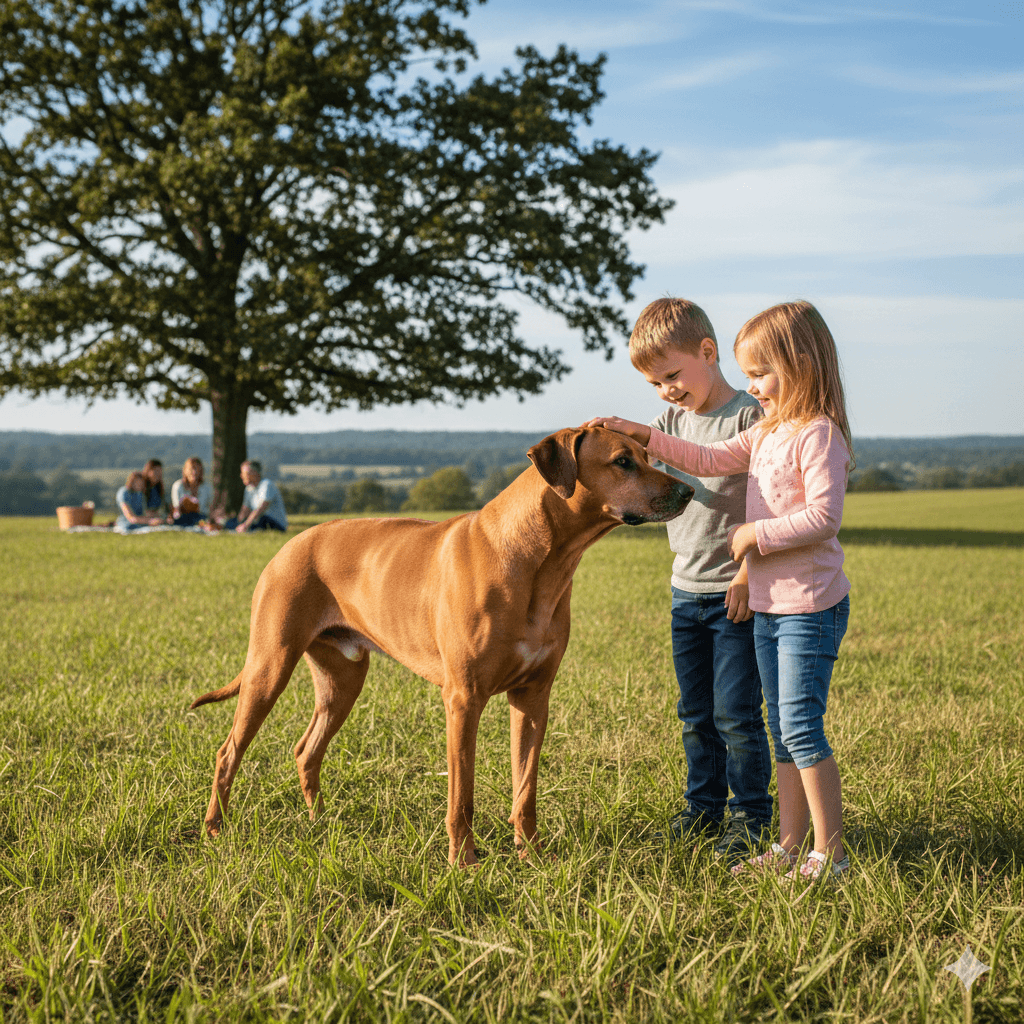
Rhodesian Ridgebacks are deeply devoted to their families and naturally protective of their loved ones. They form strong bonds with their owners and are known to be gentle with children while remaining watchful for potential threats. - Independence and Confidence:
Unlike some breeds that constantly seek attention, Ridgebacks exhibit a confident independence. This trait stems from their origins as hunters who worked without constant guidance, making them self-reliant but sometimes stubborn. - Calm Demeanor at Home:
Despite their athleticism and energy outdoors, Rhodesian Ridgebacks are surprisingly calm indoors. They adapt well to family life, often lounging quietly when not engaged in activities or playtime. - Intelligence and Trainability:
This breed is highly intelligent, capable of learning complex commands and tasks. However, their independent streak means training requires patience, consistency, and positive reinforcement to keep them engaged. - Social Nature with Proper Socialization:
With early and thorough socialization, Ridgebacks get along well with other pets and strangers. Without it, they may become overly reserved or territorial, highlighting the importance of early exposure.
Their temperament reflects a balance between protectiveness and gentleness, making them versatile companions for experienced dog owners.
Energy Levels and Exercise Needs
Rhodesian Ridgebacks are an active breed with high energy levels, requiring ample exercise to stay physically and mentally stimulated. Neglecting their needs can lead to behavioral issues like chewing, digging, or excessive barking. Understanding their exercise requirements ensures a happy and healthy Ridgeback.
- Daily Physical Activity Requirements:
Ridgebacks need at least 1–2 hours of vigorous exercise daily, including running, hiking, or playing fetch. Activities should challenge their endurance and agility to match their athletic build. - Mental Stimulation Through Games:
Interactive toys, puzzle feeders, and scent-tracking games engage their sharp minds and prevent boredom. Mental challenges are just as important as physical exercise for this intelligent breed. - Leash Training for Walks:
Due to their strong prey drive, Ridgebacks must be leash-trained or exercised in secure areas. Without proper control, they may chase small animals or wander off during walks. - Swimming as a Great Outlet:
Many Ridgebacks enjoy swimming, which provides excellent cardiovascular exercise and cools them down during hot weather. Always supervise water activities for safety. - Signs of Insufficient Exercise:
If your Ridgeback seems restless, destructive, or overly vocal, it’s likely a sign they need more physical or mental stimulation to burn off excess energy.
Meeting their exercise needs not only keeps them fit but also strengthens your bond through shared activities.
Check this guide 👉Rhodesian Ridgeback Boerboel Mix: Best 7 Expert Tips!
Check this guide 👉Rhodesian Ridgeback Dalmatian Mix: Best 7 Expert Tips!
Check this guide 👉Rhodesian Ridgeback Border Collie Mix: Best 7 Expert Tips!
Key Traits of Rhodesian Ridgebacks | Training Challenges to Address |
|---|---|
Loyal and protective of family | Independent nature requires patient handling |
Calm indoors, active outdoors | Stubbornness may delay progress in obedience |
Intelligent and quick learners | Consistency is key to overcoming resistance |
Social with proper introductions | Early socialization prevents fear-based aggression |
High prey drive needs redirection | Channel instincts into structured activities like agility |
Training Challenges and Solutions
Training a Rhodesian Ridgeback can be both rewarding and challenging due to their intelligence, independence, and occasional stubbornness. While they’re eager to please, their natural confidence means they require consistent, patient handling.
- Start Early with Basic Commands:
Begin obedience training as puppies to establish boundaries and reinforce good behavior. Simple commands like “sit,” “stay,” and “come” lay the foundation for advanced training. - Use Positive Reinforcement Techniques:
Reward-based methods using treats, praise, or play motivate Ridgebacks better than harsh corrections. They respond well to encouragement rather than punishment. - Address Stubbornness with Patience:
When a Ridgeback refuses to cooperate, remain calm and redirect their focus. Avoid power struggles, as they’ll disengage if pushed too hard. - Incorporate Variety in Training Sessions:
Keep sessions short (10–15 minutes) and varied to maintain their interest. Repetition bores them, so mix up exercises to keep things engaging. - Work on Recall Reliability:
Given their strong prey drive, reliable recall is crucial. Practice in safe, enclosed spaces until they consistently respond to your call.
Consistent, positive training builds trust and harnesses their intelligence effectively.
Socialization for Well-Rounded Behavior
Proper socialization is essential for shaping the Rhodesian Ridgeback’s temperament into one that’s confident, friendly, and adaptable. Without exposure to diverse people, animals, and environments, they may develop fearfulness or aggression.
- Introduce Them to New Experiences Early:
Expose puppies to different sounds, surfaces, sights, and smells before 16 weeks old. Gradual introductions help them grow accustomed to novelty without fear. - Encourage Positive Interactions with Strangers:
Teach them that meeting new people is a positive experience by rewarding calm behavior around guests. Avoid forcing interactions if they seem hesitant. - Foster Good Relationships with Other Pets:
Supervised playdates with other dogs and controlled introductions to cats can reduce prey drive and foster peaceful coexistence. - Manage Their Protective Instincts:
While Ridgebacks are naturally protective, overprotectiveness can arise if they perceive too many threats. Teach them to differentiate between real dangers and harmless situations. - Attend Puppy Classes or Group Sessions:
Structured group settings provide opportunities for socialization while reinforcing basic obedience skills under professional guidance.
Well-socialized Ridgebacks thrive in various environments and display balanced, predictable behavior.
Living with a Rhodesian Ridgeback: Compatibility Factors
The Rhodesian Ridgeback’s temperament makes them suitable for specific living situations but challenging for others. Understanding their compatibility with different lifestyles ensures a harmonious relationship.
- Ideal Family Dynamics:
They excel in active households where they receive plenty of attention, exercise, and inclusion in family activities. Single-person homes work too, provided owners dedicate time to their needs. - Suitability for First-Time Owners:
While trainable, their independence and exercise demands make them better suited for experienced dog owners who understand how to manage strong-willed breeds. - Living Space Considerations:
Ridgebacks adapt well to apartments or houses as long as they have enough space to move and regular access to outdoor areas for exercise. - Climate Tolerance:
Originating from Africa, they tolerate heat better than cold. Provide shade, fresh water, and limited sun exposure during hot months; invest in coats or sweaters for chilly weather. - Time Commitment Required:
Owning a Ridgeback involves significant investments of time for training, grooming, and companionship. Neglecting these aspects leads to behavioral problems or unhappiness.
Compatibility hinges on aligning their needs with your lifestyle for mutual satisfaction.
Common Misconceptions About Rhodesian Ridgebacks
Despite their popularity, several misconceptions about Rhodesian Ridgebacks persist, leading to misunderstandings about their temperament and care requirements. Clarifying these myths helps potential owners make informed decisions.
- Myth: They’re Aggressive Guard Dogs:
While protective, Ridgebacks aren’t inherently aggressive. Proper socialization ensures they’re friendly unless provoked. - Myth: They Don’t Get Along with Kids:
On the contrary, Ridgebacks are gentle and patient with children when raised together. Supervision prevents accidental injuries due to their size. - Myth: They’re Low-Maintenance Companions:
Though calm indoors, they require substantial exercise, training, and grooming, disproving claims of being low-effort pets. - Myth: They Can’t Coexist with Other Pets:
With proper introductions and supervision, Ridgebacks cohabitate peacefully with other animals, though their prey drive requires management. - Myth: They’re Easy to Train:
Their intelligence doesn’t equate to ease of training. Patience and consistency are vital to overcoming their occasional stubbornness.
Dispelling these myths promotes realistic expectations and responsible ownership.
Managing Prey Drive and Territorial Behavior
One of the most notable aspects of the Rhodesian Ridgeback temperament is their strong prey drive and territorial instincts. These traits stem from their hunting heritage but can pose challenges in modern settings.
- Recognizing Signs of Prey Drive:
Chasing small animals, fixating on movement, or bolting after squirrels are classic signs of their innate hunting instincts. Leash training mitigates risks during walks. - Redirecting Energy Positively:
Engage their prey drive constructively through activities like lure coursing, agility courses, or retrieving games. These outlets satisfy their instincts safely. - Managing Territorial Tendencies:
Ridgebacks may bark excessively or act defensively toward perceived intruders. Teaching commands like “quiet” and desensitizing them to triggers reduces unwanted behaviors. - Balancing Protection and Friendliness:
Channel their protective instincts appropriately by exposing them to visitors and teaching them polite greetings. Reward calm behavior to discourage overzealous guarding. - Preventing Escapes and Wanderlust:
Secure fencing and supervision prevent escape attempts driven by curiosity or chasing instincts. Microchipping adds an extra layer of safety.
Understanding and managing these instincts ensures harmony in multi-pet households and neighborhoods.
Frequently Asked Questions About Rhodesian Ridgeback Temperament
Are Rhodesian Ridgebacks good with children?
Yes, they’re gentle and patient with kids when raised together, though supervision is recommended due to their size and energy.
Do Rhodesian Ridgebacks get along with other pets?
With proper socialization, they can coexist peacefully with other dogs and even cats, though their prey drive may require management.
Are Rhodesian Ridgebacks aggressive?
No, they’re not inherently aggressive but are naturally protective. Proper training ensures they remain friendly unless provoked.
How much exercise does a Rhodesian Ridgeback need daily?
They require 1–2 hours of vigorous exercise, including running, hiking, or playtime, to stay physically and mentally stimulated.
Can first-time owners handle a Rhodesian Ridgeback?
While trainable, their independence and exercise needs make them better suited for experienced dog owners who understand strong-willed breeds.
A Perfect Companion for the Right Owner
The Rhodesian Ridgeback’s temperament is a unique blend of loyalty, intelligence, and independence, making them a remarkable companion for those who understand their needs. While their protective instincts and high energy levels demand commitment, their calm demeanor at home and unwavering devotion reward owners with immeasurable joy. By providing proper training, socialization, and exercise, you unlock the full potential of this majestic breed. Remember, owning a Rhodesian Ridgeback is not just about managing their traits—it’s about embracing their spirit and building a partnership rooted in trust and respect. With the right care, they become not just a pet but a cherished member of your family.

Is Rawhide Bad for Cats? Best 7 Expert Tips! – Discover the risks, safe alternatives, and expert advice to keep your feline friend healthy and happy.

Is Rawhide Bad for Dogs? Best 7 Expert Tips! – Discover the risks, benefits, and safer alternatives to rawhides for your dog’s chewing needs.

Understanding Anorexia in Cats: Best 7 Expert Tips! – Learn why cats stop eating, spot warning signs, and discover how to help your feline regain appetite safely.

Understanding Anorexia in Dogs: Best 7 Expert Tips! – Learn causes, symptoms, and solutions to help your dog regain appetite and stay healthy.