
Understanding Weimaraner Dog Size: A Comprehensive Guide
The Weimaraner is a strikingly elegant breed known for its sleek gray coat and athletic build, but their size often raises questions for prospective owners. As large dogs, they require ample space, proper nutrition, and regular exercise to thrive. Understanding their growth patterns and size-related needs ensures you can provide the best care for your Weimaraner companion.
Understanding the Average Size of a Weimaraner
The Weimaraner is classified as a large breed, with males and females differing slightly in height and weight. Their size reflects their history as versatile hunting dogs, built for endurance and agility. Knowing the average size range helps owners provide proper care, from nutrition to living space. A well-proportioned Weimaraner is not only visually striking but also healthier and more comfortable in their environment.
- Height Range for Male Weimaraners:
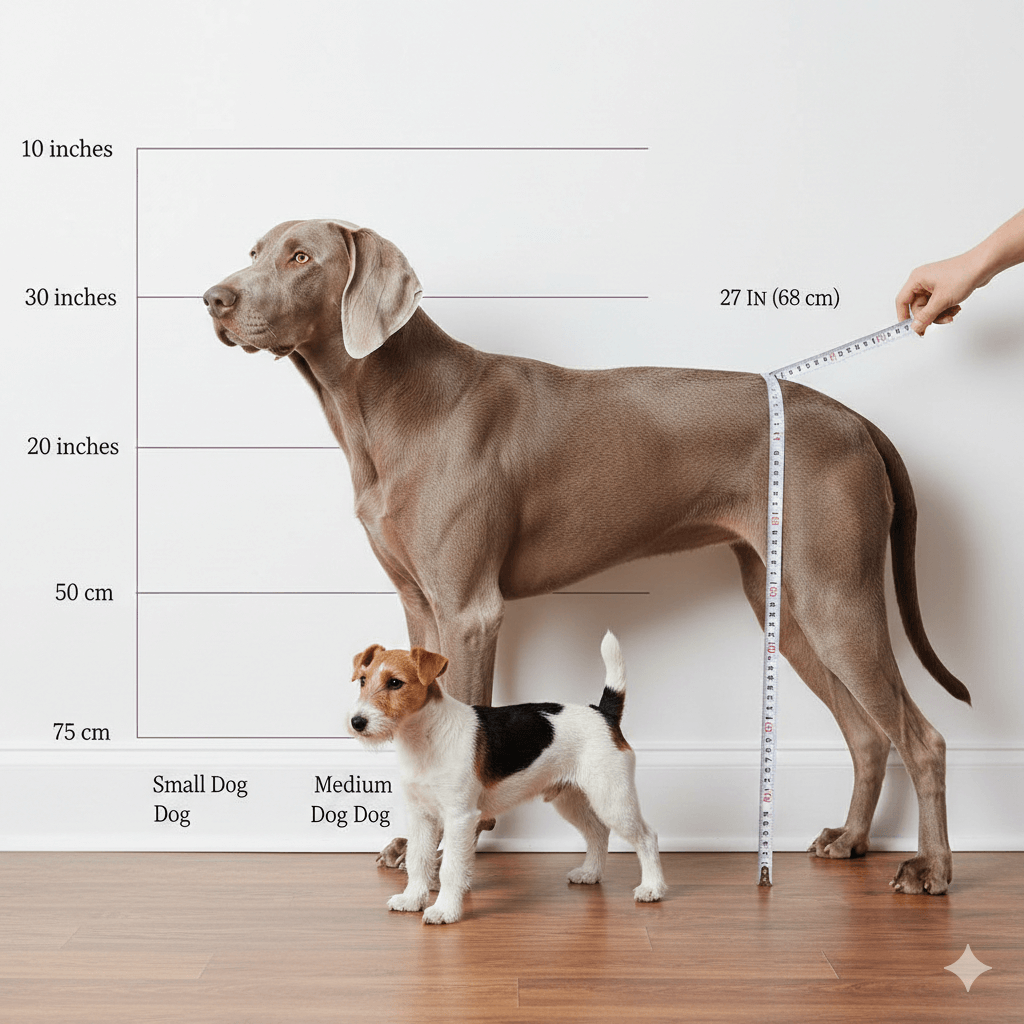
Male Weimaraners typically stand between 25 to 27 inches (63.5–68.5 cm) at the shoulder, making them one of the taller large breeds. - Height Range for Female Weimaraners:
Females are slightly smaller, measuring 23 to 25 inches (58.5–63.5 cm) at the shoulder, which still places them firmly in the large breed category. - Weight Range for Male Weimaraners:
Males usually weigh between 70 to 90 pounds (32–41 kg), depending on genetics, diet, and activity level, with muscular builds contributing to their weight. - Weight Range for Female Weimaraners:
Females tend to weigh slightly less, ranging from 55 to 75 pounds (25–34 kg), maintaining a lean and athletic appearance. - Proportions and Body Structure:
Weimaraners have a balanced, streamlined build with deep chests, strong legs, and long tails, giving them an elegant yet powerful silhouette.
Understanding these size parameters ensures you can monitor your Weimaraner’s growth and address any concerns early to maintain their health and vitality.
Growth Stages of a Weimaraner Puppy
Weimaraner puppies grow rapidly during their first year, transitioning from tiny bundles of energy to full-sized adults. Monitoring their growth stages helps owners anticipate dietary needs, exercise limits, and potential health concerns. Proper care during these phases ensures they develop into strong, healthy adult dogs.
- Neonatal Stage (0–2 Weeks):
At birth, Weimaraner puppies weigh around 12–16 ounces (340–450 g) and rely entirely on their mother for warmth, nutrition, and care. - Early Socialization (3–12 Weeks):
By 8 weeks, they reach 8–12 pounds (3.6–5.4 kg) and begin exploring their surroundings, learning social skills, and developing coordination. - Rapid Growth Phase (3–6 Months):
Between 3 and 6 months, Weimaraners gain 2–3 pounds (0.9–1.4 kg) per week, reaching 30–40% of their adult weight by six months. - Adolescence (6–12 Months):
During this stage, males reach 50–60 pounds (23–27 kg), while females weigh 40–50 pounds (18–23 kg), with continued muscle development. - Full Maturity (12–18 Months):
Most Weimaraners reach their full adult size by 18 months, though larger males may take up to two years to fully mature physically.
Tracking these milestones ensures your puppy grows at a healthy pace without overexertion or nutritional deficiencies.
Check this guide 👉Cane Corso Weimaraner Mix: Best 7 Expert Tips!
Check this guide 👉Weimaraner Doberman Mix: Best 7 Expert Tips!
Check this guide 👉Rottweiler Weimaraner Mix: Best 7 Expert Tips!
Weimaraner Characteristics | Comparison with Similar Breeds |
|---|---|
Height: 23–27 inches (58–69 cm) | Labrador Retriever: 21.5–24.5 inches (55–62 cm) |
Weight: 55–90 lbs (25–41 kg) | German Shorthaired Pointer: 45–70 lbs (20–32 kg) |
Lifespan: 10–12 years | Golden Retriever: 10–12 years |
Energy Level: High | Vizsla: High energy, similar activity needs |
Space Needs: Large home or yard | Greyhound: Requires less space but similar height |
Factors Influencing Weimaraner Size
Several factors contribute to the final size of a Weimaraner, including genetics, nutrition, and overall health. Understanding these influences helps owners make informed decisions about their dog’s care and lifestyle. While some factors are beyond control, others can be managed to promote optimal growth.
- Genetic Heritage:
A Weimaraner’s size is largely determined by their lineage; parents with larger frames often produce similarly sized offspring. - Nutritional Intake:
High-quality protein, balanced fats, and essential nutrients support muscle development and bone growth during puppyhood. - Exercise Levels:
Moderate exercise strengthens muscles and joints, but excessive activity too early can stunt growth or cause injuries. - Health Conditions:
Illnesses like hypothyroidism or growth plate disorders can impact a Weimaraner’s ability to reach their full genetic potential. - Spaying/Neutering Timing:
Early spaying or neutering may affect hormone levels, potentially altering growth patterns and final size.
By addressing these factors proactively, you can help your Weimaraner achieve their ideal size and maintain overall wellness.
Living Space Requirements for Weimaraners
As a large breed, Weimaraners need adequate space to move comfortably and thrive. Their active nature demands environments that accommodate their size and energy levels. Providing sufficient space prevents behavioral issues and promotes physical health.
- Indoor Space Needs:
Weimaraners require at least 500–700 square feet of indoor space to roam freely without feeling cramped or restricted. - Outdoor Space Needs:
A securely fenced yard of at least 1,000 square feet allows them to burn off energy safely and engage in natural behaviors. - Apartment Living Challenges:
While possible, apartment life requires extra walks, mental stimulation, and designated play areas to meet their spatial needs. - Crate Training Considerations:
Choose a crate large enough for them to stand, turn around, and stretch comfortably—typically 42–48 inches (107–122 cm). - Travel Accommodations:
Ensure vehicles have enough room for a travel crate or bedding, as cramped spaces stress large dogs during trips.
Providing ample space ensures your Weimaraner feels secure, happy, and physically fit throughout their life.
Feeding Guidelines for Optimal Size Development
Proper nutrition plays a critical role in ensuring your Weimaraner reaches their ideal size without becoming overweight or undernourished. Tailoring their diet to their age, activity level, and size supports healthy growth and longevity.
- Puppy Nutrition (0–12 Months):
Feed high-calorie, nutrient-dense puppy food with 22–25% protein and 8–10% fat to fuel rapid growth and brain development. - Adult Maintenance Diet (1+ Years):
Switch to a balanced adult formula with 18–22% protein and 5–8% fat to maintain lean muscle mass and prevent obesity. - Portion Control Tips:
Divide daily portions into two meals (morning and evening) based on weight: 3–4 cups for females, 4–5 cups for males. - Avoid Overfeeding Risks:
Excess calories lead to joint issues, obesity, and reduced lifespan; use a measuring cup to avoid guesswork. - Supplements for Joint Health:
Glucosamine and chondroitin support joint integrity, especially important for large breeds prone to arthritis.
Feeding your Weimaraner appropriately ensures they grow into a strong, agile adult with minimal risk of size-related health problems.
Exercise Needs Based on Weimaraner Size
Weimaraners’ large size and high energy levels demand substantial daily exercise to stay physically and mentally fit. Without sufficient activity, they may become restless, destructive, or overweight. Tailoring workouts to their size and stamina keeps them happy and healthy.
- Daily Walks and Runs:
Aim for 1–2 hours of brisk walking or running daily, covering 3–5 miles (4.8–8 km) to satisfy their endurance needs. - Playtime Activities:
Interactive games like fetch, tug-of-war, or agility training engage their minds and bodies simultaneously. - Swimming Benefits:
Swimming is excellent for large breeds, providing low-impact cardio that strengthens muscles without stressing joints. - Off-Leash Exploration:
Secure, fenced areas allow them to run freely, mimicking their natural hunting instincts and burning excess energy. - Mental Stimulation:
Puzzle toys, scent work, and obedience training prevent boredom and channel their intelligence positively.
Meeting these exercise needs ensures your Weimaraner remains physically fit, mentally sharp, and emotionally balanced.
Common Health Concerns Related to Weimaraner Size
As a large breed, Weimaraners are prone to specific health issues linked to their size. Being aware of these conditions allows owners to take preventive measures and seek timely veterinary care. Early detection and management significantly improve outcomes.
- Hip Dysplasia:
This genetic condition causes abnormal joint formation, leading to arthritis and mobility issues in large breeds. - Bloat (Gastric Torsion):
Deep-chested dogs like Weimaraners are at higher risk for bloat, a life-threatening condition requiring immediate surgery. - Elbow Dysplasia:
Similar to hip dysplasia, this affects front limbs and can cause lameness if left untreated. - Hypertrophic Osteodystrophy (HOD):
A painful bone disease affecting growing puppies, characterized by swelling and limping during rapid growth phases. - Arthritis Risk:
Large breeds often develop arthritis later in life due to wear and tear on joints over time.
Proactive health monitoring and regular vet check-ups minimize risks and ensure your Weimaraner enjoys a long, active life despite their size-related challenges.
“Height at the withers: dogs, 25 to 27 inches; bitches, 23 to 25 inches. One inch over or under the specified height of each sex is allowable but should be penalized.”
— Weimaraner Club of America
Frequently Asked Questions About Weimaraner Dog Size
What is the ideal weight for a male Weimaraner?
Male Weimaraners should weigh between 70–90 pounds (32–41 kg) depending on their height and build.
How much space does a Weimaraner need indoors?
A Weimaraner requires at least 500–700 square feet of indoor space to move comfortably without feeling cramped.
Can Weimaraners live in apartments?
Yes, but they need extra exercise, mental stimulation, and designated play areas to thrive in smaller spaces.
When do Weimaraners reach their full size?
Most Weimaraners reach their full adult size by 12–18 months, though larger males may take up to two years.
Are Weimaraners prone to obesity?
Yes, without proper portion control and exercise, their large frame can lead to weight gain, increasing joint stress.
Supporting Your Weimaraner Through Every Stage of Life
Understanding your Weimaraner’s size and related needs is key to providing them with a happy, healthy life. From their rapid growth as puppies to their active adult years, ensuring proper nutrition, exercise, and living space allows them to thrive. While their large size comes with unique challenges, it also brings immense joy, loyalty, and companionship. By staying informed and proactive, you create a nurturing environment where your Weimaraner can grow into their best self—strong, agile, and full of love.

Is Rawhide Bad for Cats? Best 7 Expert Tips! – Discover the risks, safe alternatives, and expert advice to keep your feline friend healthy and happy.

Is Rawhide Bad for Dogs? Best 7 Expert Tips! – Discover the risks, benefits, and safer alternatives to rawhides for your dog’s chewing needs.

Understanding Anorexia in Cats: Best 7 Expert Tips! – Learn why cats stop eating, spot warning signs, and discover how to help your feline regain appetite safely.

Understanding Anorexia in Dogs: Best 7 Expert Tips! – Learn causes, symptoms, and solutions to help your dog regain appetite and stay healthy.