
Discovering the Unique Sealyham Terrier Dog
The Sealyham Terrier is a spirited and sturdy breed, cherished for its distinctive wiry coat and bold personality. Originally bred in Wales for hunting small game, this terrier combines tenacity with a lovable nature, making it a delightful companion for the right owner. Whether you’re drawn to their charm or considering adding one to your family, understanding this breed’s traits is key to appreciating their unique appeal.
Origins and History of the Sealyham Terrier
The Sealyham Terrier’s history is deeply rooted in the rugged landscapes of Wales, where it was developed for practical purposes. This breed’s creation reflects a blend of functionality and charm, making it a standout among terriers. Understanding its origins sheds light on its unique traits and enduring popularity as a companion dog.
- Development by Captain Edwardes:
In the mid-19th century, Captain John Edwardes of Sealyham House in Wales selectively bred this terrier to hunt small game like badgers and otters. His goal was to create a fearless, low-slung dog capable of working in tight spaces. - Crossbreeding for Strength and Agility:
Edwardes likely crossed Welsh Corgis, Dandie Dinmont Terriers, and other breeds to achieve the Sealyham’s distinctive appearance and tenacity. These influences contributed to its sturdy frame and wiry coat. - Recognition by Kennel Clubs:
The breed gained official recognition from the Kennel Club (UK) in 1911 and later by the American Kennel Club in 1911. Its popularity soared during the early 20th century, thanks to influential owners like actress Joan Crawford. - Decline and Revival Post-War:
Like many working breeds, the Sealyham’s popularity waned after World War II as lifestyles shifted away from rural pursuits. However, dedicated enthusiasts have preserved the breed’s legacy through careful breeding programs. - Modern Role as Companion Dogs:
Today, the Sealyham Terrier thrives primarily as a family pet rather than a working dog. Its loyalty, intelligence, and adaptability make it an excellent choice for households seeking a spirited yet affectionate companion.
This rich history highlights the Sealyham Terrier’s journey from working roots to beloved household friend—a testament to its enduring charm.
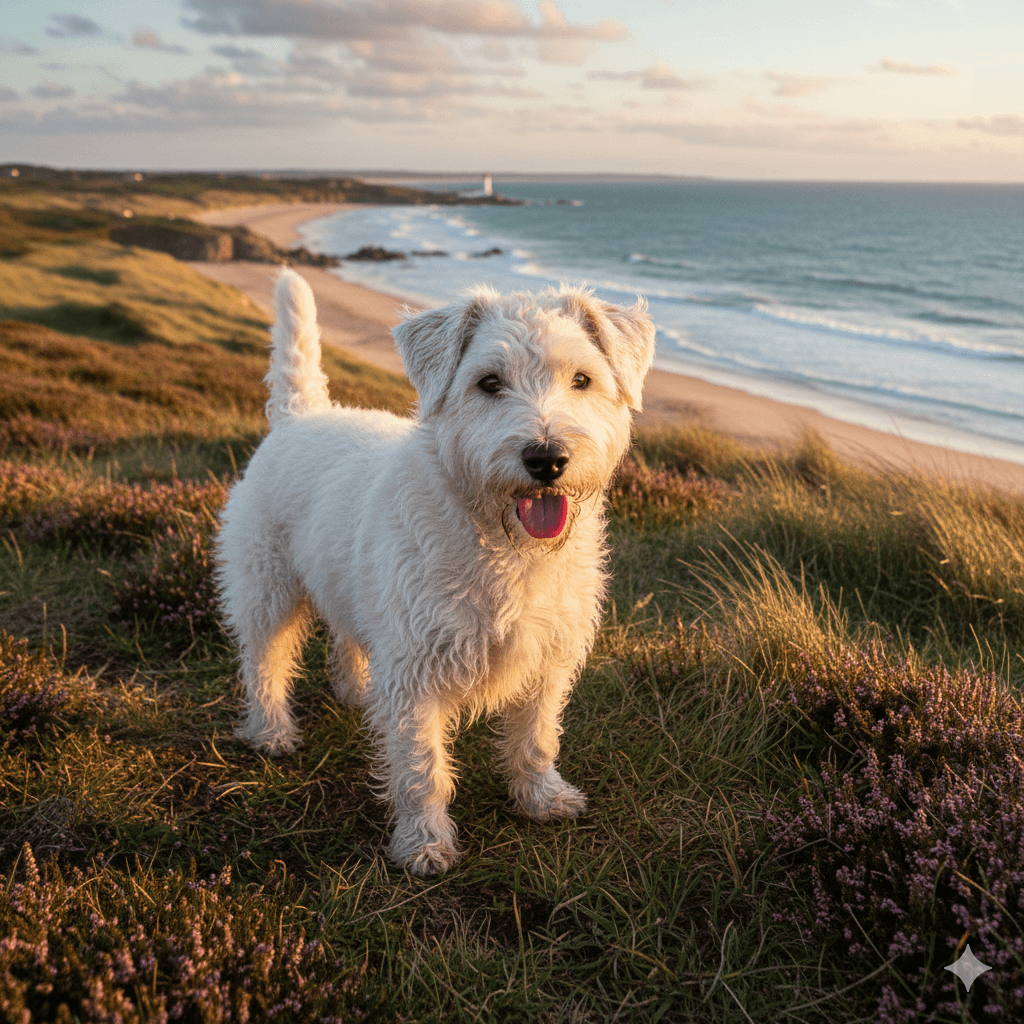
Distinctive Physical Traits of the Sealyham Terrier
The Sealyham Terrier’s appearance is unmistakable, combining ruggedness with elegance. Every aspect of its physique serves both functional and aesthetic purposes, reflecting its original purpose as a skilled hunter. These physical traits not only define the breed but also contribute to its overall health and temperament.
- Compact and Sturdy Build:
Standing about 10–12 inches tall at the shoulder, the Sealyham has a robust, rectangular body designed for strength and agility. Its short legs allow it to navigate dense underbrush effortlessly. - Wiry Double Coat:
The breed sports a harsh, weather-resistant outer coat and a soft undercoat that provides insulation. This combination protects against harsh weather conditions and rough terrain during hunts. - Distinctive Head Shape:
Its long, broad head features a slight dome and powerful jaws, ideal for gripping prey firmly without letting go. The dark, almond-shaped eyes exude intelligence and alertness. - Ears and Tail Characteristics:
Folded “drop” ears lie close to the cheeks, reducing the risk of injury while hunting. Traditionally docked tails (where legal) add balance and serve as visual markers in tall grass. - Color Variations and Markings:
The Sealyham’s coat comes in white or cream, often accented with lemon, tan, or gray markings around the face and ears. This striking coloration makes it easy to spot during outdoor activities.
These physical attributes underscore the breed’s versatility and adaptability, ensuring it remains both functional and visually appealing.
Check this guide 👉Bedlington Terrier Dog: Best 7 Expert Tips!
Check this guide 👉Irish Terrier Dog: Best 7 Expert Tips!
Check this guide 👉Is the Staffordshire Bull Terrier a Good Family Dog? Best 7 Tips!
Sealyham Terrier Traits | Other Terrier Breeds (e.g., Jack Russell, Cairn) |
|---|---|
Compact size, ideal for small spaces | Varies; some terriers are larger or more energetic |
Wiry coat requiring hand-stripping | Shorter coats or less grooming-intensive options |
Moderate exercise needs (30–45 min/day) | High-energy breeds needing extensive activity |
Reserved and cautious around strangers | Often more outgoing or overly friendly |
Prone to lens luxation and hip dysplasia | Different breed-specific health concerns |
Temperament and Personality Traits of the Sealyham Terrier
Beyond their striking looks, Sealyham Terriers possess a vibrant personality that sets them apart from other breeds. Their temperament reflects a perfect mix of independence, courage, and devotion—qualities that make them endearing companions. Understanding these traits ensures you can meet their needs effectively.
- Fearless and Determined Nature:
True to their terrier roots, Sealyhams are bold and fearless, often tackling challenges far larger than themselves. This determination stems from their hunting heritage. - Loyal and Affectionate Bonds:
Despite their independent streak, they form deep attachments to their families. Regular interaction and quality time strengthen these bonds significantly. - Playful Yet Reserved Around Strangers:
While playful at home, Sealyhams tend to be cautious around unfamiliar people. Proper socialization from puppyhood helps them become more confident and adaptable. - Alert Watchdogs:
Their keen senses and protective instincts make them excellent watchdogs. They’ll bark to alert you of unusual activity, though excessive barking requires training. - Stubborn Streak Requires Patience:
Sealyhams can be headstrong, requiring consistent, positive reinforcement during training sessions. Patience and persistence yield the best results.
This dynamic personality demands an owner who appreciates their spirited nature and is willing to invest time in nurturing their potential.
Exercise Needs and Activity Levels of the Sealyham Terrier
Though compact in size, the Sealyham Terrier boasts surprising energy levels that require regular outlets for physical and mental stimulation. Meeting their exercise needs ensures they remain happy and well-behaved companions. Balancing activity with rest prevents boredom-related behaviors.
- Daily Walks and Playtime:
A minimum of 30–45 minutes of daily exercise keeps them physically fit and mentally engaged. Activities like fetch, tug-of-war, or agility courses are ideal options. - Mental Stimulation Through Games:
Interactive toys, puzzle feeders, and scent-based games cater to their intelligent minds, preventing destructive tendencies stemming from boredom. - Moderate Energy Despite Size:
Unlike high-energy breeds, Sealyhams don’t demand hours of intense activity but still need structured routines to thrive emotionally and physically. - Adaptability to Urban Living:
Their moderate exercise requirements make them suitable for apartments or smaller homes, provided they receive adequate attention and enrichment. - Supervision During Outdoor Time:
Due to their strong prey drive, Sealyhams should always be leashed or secured in fenced areas to prevent chasing wildlife or wandering off unsafely.
Balanced exercise routines ensure your Sealyham remains healthy, content, and less prone to behavioral issues over time.
Grooming Requirements for the Sealyham Terrier
The Sealyham Terrier’s iconic wiry coat requires regular grooming to maintain its texture and appearance. While not overly demanding, their grooming needs are essential to preserving their health and comfort. A consistent routine ensures their coat stays clean and tangle-free.
- Brushing and Combing Regularly:
Use a slicker brush and metal comb weekly to remove loose hair and prevent matting. Focus on areas prone to tangling, such as behind the ears and under the tail. - Professional Hand-Stripping:
To preserve the harsh texture of their coat, hand-stripping every few months is recommended. This process involves plucking dead hairs manually or using specialized tools. - Bathing and Drying Techniques:
Bathe your Sealyham every 6–8 weeks using mild shampoo formulated for dogs. Thorough drying is crucial to prevent skin irritation or moisture buildup. - Ear Cleaning and Nail Trimming:
Check and clean their ears weekly to avoid infections caused by trapped dirt or wax. Trim nails monthly to maintain proper foot alignment and prevent discomfort. - Dental Hygiene Practices:
Brush their teeth 2–3 times weekly with enzymatic toothpaste to reduce plaque buildup and prevent periodontal disease.
Proper grooming not only enhances their appearance but also contributes to their overall well-being and longevity.
Health Considerations for the Sealyham Terrier
Like all breeds, the Sealyham Terrier is predisposed to certain health conditions that responsible owners should monitor closely. Awareness of these risks allows for proactive care and early intervention when necessary. Maintaining regular vet visits ensures a long, healthy life for your furry friend.
- Hip Dysplasia Risk:
Although relatively rare, hip dysplasia can occur in some individuals. Ensure your breeder conducts hip evaluations before purchasing a puppy. - Eye Disorders Like Lens Luxation:
Primary lens luxation, a painful condition causing displacement of the eye’s lens, affects some Sealyhams. Genetic testing can identify carriers early. - Allergies and Skin Issues:
Environmental or food allergies may lead to itching, redness, or hot spots. Identifying triggers through elimination diets or allergy tests helps manage symptoms. - Obesity Prevention Tips:
Their love for treats and sedentary tendencies indoors make weight management critical. Feed portion-controlled meals and monitor calorie intake diligently. - Longevity and Lifespan Expectancy:
With proper care, Sealyhams typically live 12–14 years. Providing a balanced diet, regular exercise, and preventive healthcare maximizes their lifespan.
Understanding these health considerations empowers you to provide the best possible care for your Sealyham Terrier throughout their life.
Training Tips for Raising a Well-Behaved Sealyham Terrier
Training a Sealyham Terrier requires patience, consistency, and creativity due to their independent and sometimes stubborn nature. With the right approach, they excel in obedience and various canine sports, showcasing their intelligence and versatility. Building trust and mutual respect forms the foundation of successful training.
- Start Early with Puppy Classes:
Begin socialization and basic obedience training as early as 8–10 weeks old to establish good habits and confidence in new environments. - Use Positive Reinforcement Methods:
Reward desired behaviors with treats, praise, or playtime. Avoid punishment-based techniques, which can damage their sensitive temperaments. - Keep Sessions Short and Engaging:
Limit training sessions to 5–10 minutes to match their attention span. Incorporate variety to keep them mentally stimulated and motivated. - Address Barking Tendencies Early:
Teach commands like “quiet” to curb excessive barking, reinforcing calm behavior instead. Consistency is key to breaking unwanted habits. - Challenge Their Problem-Solving Skills:
Advanced tricks, scent work, or agility training tap into their natural curiosity and intelligence, fostering a deeper bond between you and your dog.
Effective training transforms the spirited Sealyham Terrier into a well-mannered and joyful companion, enriching both your lives significantly.
“The Sealyham Terrier is brave and spirited, but not as spiky as smaller terriers. These sturdy, outgoing companions are recognized by their ‘fall,’ the mass of hair covering the forehead.” – American Kennel Club
Frequently Asked Questions About the Sealyham Terrier
What is the lifespan of a Sealyham Terrier?
The average lifespan is 12–14 years with proper care, including a balanced diet, regular exercise, and routine vet check-ups.
Are Sealyham Terriers good with children?
Yes, they can be great companions for older children who understand how to interact respectfully. Supervision is key due to their strong prey drive.
Do Sealyham Terriers bark a lot?
They are alert watchdogs and may bark to notify you of unusual activity. Early training helps minimize excessive barking tendencies.
How much grooming do Sealyham Terriers need?
Their wiry coat requires weekly brushing, professional hand-stripping every few months, and regular ear cleaning and nail trimming.
Can Sealyham Terriers live in apartments?
While intelligent, they can be stubborn. Consistent positive reinforcement and patience yield the best results during training sessions.
A Timeless Companion for the Right Owner
The Sealyham Terrier is a breed that captures hearts with its unique blend of charm, courage, and loyalty. Whether you’re drawn to their distinctive appearance, spirited personality, or rich history, owning a Sealyham requires dedication to meeting their physical, mental, and emotional needs. By understanding their traits, investing in proper care, and building a strong bond through training and companionship, you’ll discover why this remarkable breed has remained cherished for generations. For those willing to embrace their quirks and provide a loving home, the Sealyham Terrier offers a lifetime of joy, laughter, and unwavering devotion.

Is Rawhide Bad for Cats? Best 7 Expert Tips! – Discover the risks, safe alternatives, and expert advice to keep your feline friend healthy and happy.

Is Rawhide Bad for Dogs? Best 7 Expert Tips! – Discover the risks, benefits, and safer alternatives to rawhides for your dog’s chewing needs.

Understanding Anorexia in Cats: Best 7 Expert Tips! – Learn why cats stop eating, spot warning signs, and discover how to help your feline regain appetite safely.

Understanding Anorexia in Dogs: Best 7 Expert Tips! – Learn causes, symptoms, and solutions to help your dog regain appetite and stay healthy.