
Understanding Cat Glucosamine Dosage: Best 7 Expert Tips
Glucosamine is a popular supplement for supporting joint health in cats, especially as they age or face mobility issues. Determining the correct dosage ensures your feline friend receives the full benefits without risking overuse or side effects. With proper guidance, glucosamine can help maintain your cat’s flexibility and overall quality of life.
How Glucosamine Supports Your Cat’s Joint Health
Glucosamine is a natural compound that plays a vital role in maintaining cartilage, ligaments, and joint fluid. For cats, it helps combat age-related wear and tear, supports recovery from injuries, and reduces inflammation. Understanding its mechanisms ensures you make informed decisions about supplementation for your feline companion.
- Cartilage Repair and Regeneration:
Glucosamine stimulates the production of glycosaminoglycans (GAGs), which are essential building blocks for healthy cartilage. This process slows down degeneration and promotes healing in damaged joints. - Reduction of Inflammation:
Chronic inflammation in joints can lead to pain and reduced mobility; glucosamine’s anti-inflammatory properties help alleviate discomfort and improve flexibility. - Improved Synovial Fluid Production:
Synovial fluid lubricates joints, allowing smooth movement; glucosamine enhances its production, reducing stiffness and friction during physical activity. - Support for Aging Cats:
Older cats often experience osteoarthritis or joint stiffness; glucosamine provides preventive care, delaying the onset of severe mobility issues as they age. - Post-Injury Recovery Aid:
Cats recovering from fractures, sprains, or surgeries benefit from glucosamine by accelerating tissue repair and restoring normal joint function.
By supporting joint health proactively, glucosamine not only improves mobility but also enhances your cat’s overall quality of life.
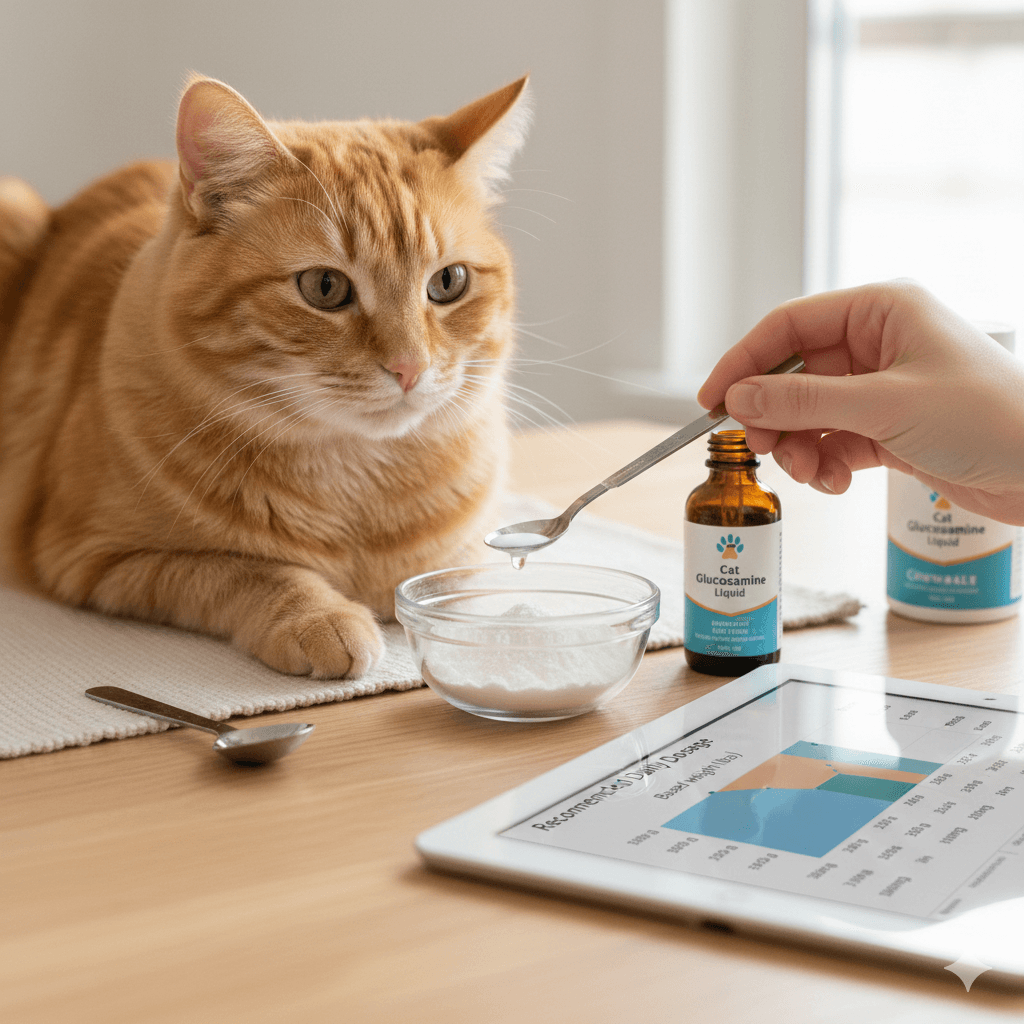
Recommended Glucosamine Dosage for Cats
Determining the correct glucosamine dosage is crucial to ensure safety and effectiveness. Factors like weight, age, and specific health conditions influence how much your cat needs daily. Always consult your veterinarian before starting supplementation.
- General Guidelines Based on Weight:
For small cats (under 10 lbs), 250–500 mg per day is typical; larger cats may require up to 750 mg depending on their size and activity level. - Age-Specific Adjustments:
Younger, active cats might need lower doses for maintenance, while senior cats with arthritis often require higher amounts for therapeutic effects. - Combination with Chondroitin:
Many supplements combine glucosamine with chondroitin sulfate; the optimal ratio is usually 3:2, enhancing absorption and joint support. - Frequency of Administration:
Splitting the daily dose into two smaller servings (morning and evening) ensures consistent levels in the bloodstream throughout the day. - Adjustments for Underlying Conditions:
Cats with kidney or liver issues may need modified dosages, as excessive glucosamine could strain these organs over time.
Proper dosing tailored to your cat’s unique needs maximizes benefits while minimizing potential risks associated with overuse.
Check this guide 👉Metronidazole Cat Dosage: Best 7 Expert Tips!
Check this guide 👉Ivermectin Dosage for Cats: Best 7 Expert Tips!
Check this guide 👉Dramamine Dosage for Cats: Best 7 Expert Tips!
| Dosage Guidelines | Warning Signs of Overdose |
|---|---|
| 250–500 mg/day for small cats (under 10 lbs) | Vomiting or diarrhea after administration |
| 500–750 mg/day for larger cats (10+ lbs) | Lethargy or loss of appetite |
| Split doses into two servings for better absorption | Jaundice or yellowing of gums/skin |
| Combine with chondroitin for enhanced joint support | Swelling around joints or difficulty moving |
| Consult your vet for cats with kidney issues | Excessive thirst or frequent urination |
Signs Your Cat May Benefit from Glucosamine
Not all cats show obvious signs of joint issues, especially early on. Recognizing subtle behavioral changes or physical symptoms helps identify when glucosamine supplementation could be beneficial.
- Difficulty Jumping or Climbing:
If your cat hesitates to leap onto furniture or struggles to climb stairs, it may indicate joint pain or stiffness limiting their mobility. - Limping or Favoring One Leg:
Persistent limping after exercise or minor injuries suggests underlying joint problems requiring attention. - Reduced Activity Levels:
A once-playful cat who now spends most of their time resting may be experiencing discomfort due to aging joints. - Audible Popping or Clicking Sounds:
Joints making unusual noises during movement signal potential cartilage damage or inflammation needing intervention. - Visible Swelling Around Joints:
Swollen or warm areas around knees, elbows, or hips point to localized inflammation or injury affecting joint health.
Addressing these signs promptly with glucosamine can prevent further deterioration and restore comfort for your furry friend.
Best Sources of Glucosamine for Cats
Glucosamine comes in various forms, including supplements, treats, and even certain foods. Choosing high-quality sources ensures your cat receives pure, bioavailable nutrients without unnecessary additives.
- Powdered Supplements:
These are easy to mix with wet food or water, providing precise control over dosage and ensuring consistent intake. - Chewable Treats:
Flavored treats mask the taste of glucosamine, making them ideal for picky eaters unwilling to consume powders or liquids. - Liquid Formulations:
Liquid glucosamine can be added directly to food or administered orally using a dropper for accurate dosing. - Natural Food Sources:
Shellfish like shrimp or crab contain glucosamine naturally; however, cooking removes much of the nutrient, so supplements remain more reliable. - Veterinary-Grade Products:
Prescription-strength options offer higher purity and potency, often combined with other joint-supporting ingredients like omega-3 fatty acids.
Selecting the right source depends on your cat’s preferences, dietary restrictions, and specific health needs.
Potential Side Effects of Glucosamine in Cats
While generally safe, glucosamine can occasionally cause mild side effects, particularly if overdosed or given to cats with preexisting conditions. Monitoring your cat closely ensures any adverse reactions are addressed promptly.
- Gastrointestinal Upset:
Vomiting, diarrhea, or gas may occur initially as your cat adjusts to the supplement; splitting doses can mitigate these effects. - Allergic Reactions:
Rarely, cats may develop allergies to shellfish-derived glucosamine; watch for itching, swelling, or respiratory distress. - Kidney or Liver Stress:
Excessive long-term use strains these organs, especially in cats with compromised renal or hepatic function; regular vet check-ups are essential. - Interactions with Medications:
Blood thinners or diabetes medications may interact with glucosamine; always disclose all medications to your vet before starting supplementation. - Overdose Risks:
Administering too much glucosamine leads to toxicity symptoms like lethargy, loss of appetite, or jaundice; follow dosage guidelines strictly.
Most side effects resolve quickly with proper management, but vigilance ensures your cat stays safe and comfortable.
When to Consult Your Veterinarian About Glucosamine
Before introducing glucosamine into your cat’s routine, consulting your veterinarian ensures it’s appropriate and safe for their individual needs. Professional guidance prevents complications and optimizes outcomes.
- Diagnosing Underlying Conditions:
Your vet can confirm whether symptoms stem from arthritis, injury, or another condition requiring targeted treatment alongside glucosamine. - Customized Dosage Recommendations:
Based on your cat’s weight, age, and health status, your vet calculates the ideal dosage to avoid under- or overdosing risks. - Monitoring Progress Over Time:
Regular follow-ups track improvements in mobility and joint health, adjusting dosages as needed for continued efficacy. - Screening for Contraindications:
Preexisting diseases or medications may contraindicate glucosamine; your vet identifies these factors beforehand to prevent harm. - Alternative Treatment Options:
In cases where glucosamine isn’t suitable, your vet may recommend alternatives like NSAIDs, physical therapy, or laser treatments.
Professional oversight ensures glucosamine is used effectively and safely within your cat’s broader healthcare plan.
Long-Term Benefits of Glucosamine for Cats
Consistent use of glucosamine offers numerous long-term advantages, improving both your cat’s physical well-being and emotional happiness. These benefits extend beyond joint health, enhancing their overall quality of life.
- Slowed Progression of Arthritis:
Regular supplementation reduces cartilage breakdown, delaying the onset of debilitating arthritis symptoms in aging cats. - Enhanced Mobility and Flexibility:
Improved joint lubrication and reduced inflammation enable smoother movements, encouraging playful behavior and independence. - Pain Management Without Drugs:
Glucosamine provides a natural alternative to pharmaceutical pain relievers, minimizing reliance on potentially harmful medications. - Boosted Overall Energy Levels:
Comfortable joints allow cats to engage in activities they previously avoided, boosting energy and enthusiasm for daily interactions. - Strengthened Bond with Owners:
When your cat feels better physically, they’re more likely to seek affection and companionship, strengthening your relationship.
With consistent care, glucosamine empowers your cat to live a longer, healthier, and more joyful life.
“Many doses of glucosamine supplements for cats fall within the 125-250mg range. For example, the commonly-known brand Cosequin manufactured by Nutramax contains 125mg per capsule.”
— Cats.com Editorial Team
Frequently Asked Questions About Cat Glucosamine Dosage
Can I give my cat human glucosamine supplements?
No—human formulas often contain additives unsafe for cats; always choose feline-specific products.
How long does it take to see results from glucosamine?
Most cats show improvement in mobility and comfort within 4–6 weeks of consistent use.
Is glucosamine safe for kittens?
Glucosamine is generally not recommended for kittens unless specifically advised by a veterinarian due to their developing bodies.
Can glucosamine interact with other medications?
Yes—it may interact with blood thinners or diabetes medications; consult your vet before starting supplementation.
What if my cat refuses to eat food with glucosamine?
Try mixing it with wet food, using flavored treats, or administering liquid drops directly into their mouth.
Supporting Your Cat’s Joint Health Journey
Caring for your cat’s joint health is an investment in their happiness, mobility, and overall well-being. By understanding the correct glucosamine dosage, recognizing warning signs, and consulting your veterinarian, you ensure your feline companion enjoys a life full of playfulness and comfort. Whether they’re leaping onto countertops or simply stretching lazily in the sun, healthy joints allow them to thrive. Remember, every step you take today safeguards their tomorrows—a testament to the love and care only a pet parent can provide.

Is Rawhide Bad for Cats? Best 7 Expert Tips! – Discover the risks, safe alternatives, and expert advice to keep your feline friend healthy and happy.

Is Rawhide Bad for Dogs? Best 7 Expert Tips! – Discover the risks, benefits, and safer alternatives to rawhides for your dog’s chewing needs.

Understanding Anorexia in Cats: Best 7 Expert Tips! – Learn why cats stop eating, spot warning signs, and discover how to help your feline regain appetite safely.

Understanding Anorexia in Dogs: Best 7 Expert Tips! – Learn causes, symptoms, and solutions to help your dog regain appetite and stay healthy.