
Understanding How Many Senses Dogs Have
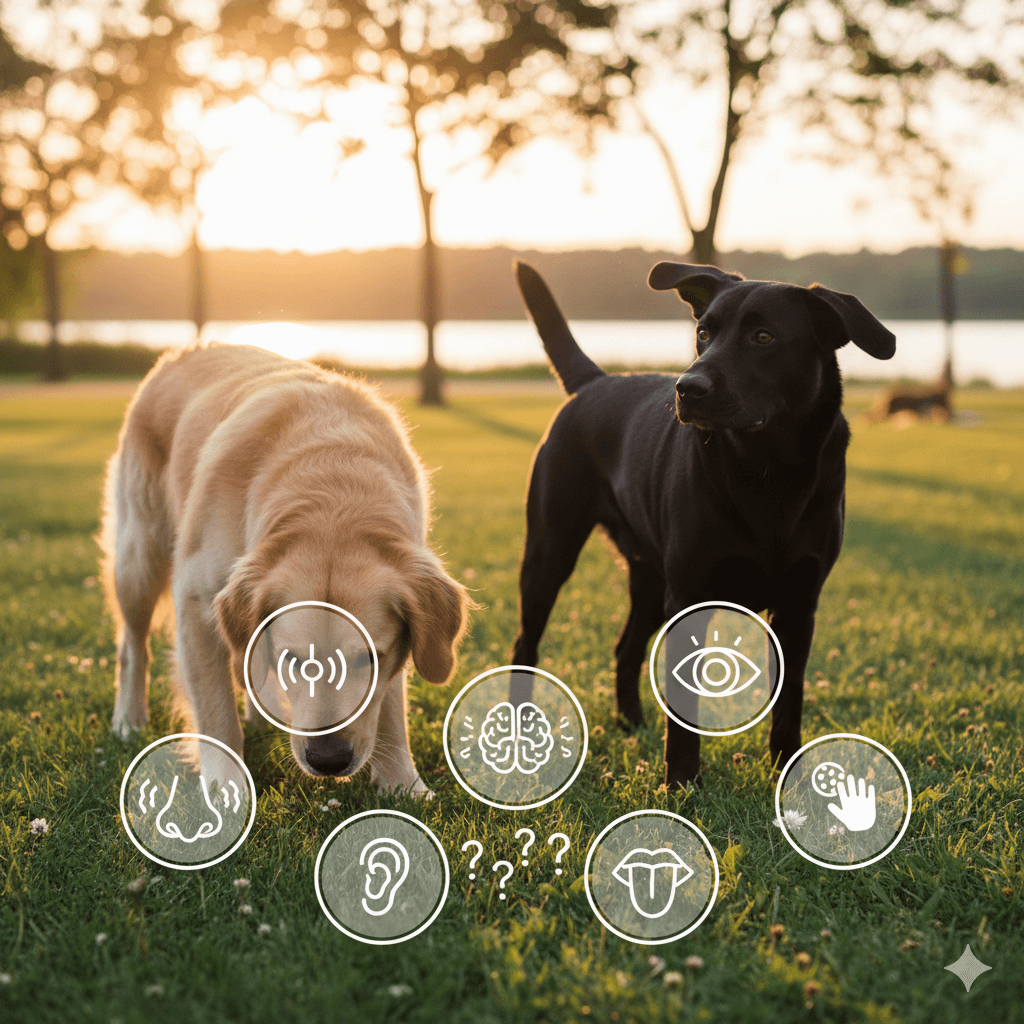
Dogs experience the world through a fascinating array of senses that go beyond the familiar five we often think about. While humans rely heavily on sight and sound, dogs tap into specialized abilities like detecting subtle scents or reading emotions through body language. By exploring how many senses dogs truly have, we gain deeper insight into their unique perspective and behavior.
The Five Primary Senses of Dogs
Dogs rely on five primary senses—sight, hearing, smell, taste, and touch—to navigate their environment. While these senses function similarly to those in humans, dogs’ sensory abilities are often far more advanced, particularly in areas like smell and hearing. Understanding how each sense operates provides insight into their behavior and communication.
- Sight:
Dogs have dichromatic vision, meaning they see fewer colors than humans, primarily in shades of blue and yellow. Their eyes are adapted for low-light conditions, thanks to a high number of rod cells, allowing them to detect movement even in dim environments. - Hearing:
A dog’s hearing range is approximately 67–45,000 Hz, far exceeding the human range of 20–20,000 Hz. This allows them to detect high-pitched sounds, such as a whistle or the rustling of small prey, from great distances. - Smell:
With up to 300 million olfactory receptors (compared to 5–6 million in humans), dogs can detect scents at concentrations as low as parts per trillion. This ability is why they excel in roles like search-and-rescue or detecting medical conditions. - Taste:
Dogs have around 1,700 taste buds, significantly fewer than humans, which explains their less discerning palate. However, their sense of taste works closely with their sense of smell to influence food preferences. - Touch:
Touch is vital for bonding and communication. Dogs use their whiskers, paws, and skin to sense vibrations, temperature changes, and pressure, helping them interact with their surroundings.
These five senses form the foundation of a dog’s perception, but their capabilities extend even further into lesser-known sensory realms.
The Sixth Sense: Magnetic Field Detection
Beyond the traditional five senses, dogs possess a remarkable sixth sense—the ability to detect Earth’s magnetic fields. This phenomenon has been observed in behaviors like navigation and alignment during elimination. Exploring this sense sheds light on their innate instincts.
- Magnetic Alignment During Elimination:
Studies show that dogs prefer to align their bodies along the north-south axis of Earth’s magnetic field when urinating or defecating, suggesting an internal compass. - Navigation Skills:
Dogs can find their way home over long distances, even in unfamiliar terrain, likely using magnetic cues alongside other senses like smell and memory. - Behavioral Indicators:
Changes in behavior during geomagnetic storms hint at sensitivity to shifts in Earth’s magnetic field, though the exact mechanism remains unclear. - Evolutionary Advantage:
This sense may have evolved to aid hunting, migration, or territorial marking, giving dogs a survival edge in the wild. - Scientific Evidence:
Research continues to uncover how dogs process magnetic information, offering fascinating insights into their unique sensory abilities.
This sixth sense highlights the complexity of canine perception and underscores their connection to the natural world.
Check this guide 👉Cat vs Dog Senses: Best 7 Expert Tips!
Check this guide 👉Which Dog Has the Best Sense of Smell? Best 7 Expert Tips!
Check this guide 👉Can Dogs Sense Anxiety? Best 7 Expert Tips!
Human Senses | Canine Senses |
|---|---|
Trichromatic vision (red, green, blue) | Dichromatic vision (blue, yellow) |
Hearing range: 20–20,000 Hz | Hearing range: 67–45,000 Hz |
~5–6 million olfactory receptors | ~300 million olfactory receptors |
~10,000 taste buds | ~1,700 taste buds |
Limited magnetic field detection | Ability to detect Earth’s magnetic fields |
How Dogs Use Their Senses for Communication
Dogs rely heavily on their senses to communicate with humans, other animals, and their environment. Each sense plays a specific role in conveying emotions, intentions, and warnings. Understanding this dynamic fosters stronger bonds between dogs and their owners.
- Body Language Through Touch:
Dogs use physical contact, such as nudging or leaning, to express affection, seek attention, or establish dominance. - Vocalizations and Hearing:
Barks, growls, and whines convey different messages, while acute hearing allows dogs to respond to subtle tonal changes in human speech. - Smell as a Social Tool:
Dogs sniff each other’s faces, tails, and rear ends to gather information about identity, health, and emotional state, much like humans exchanging greetings. - Visual Cues:
Facial expressions, ear positions, and tail movements communicate mood, whether playful, anxious, or aggressive. - Taste and Trust:
Accepting food from humans builds trust, while rejecting unfamiliar tastes signals caution or discomfort.
By interpreting these sensory-driven signals, we can better understand and respond to our dogs’ needs.
The Role of Smell in a Dog’s Life
A dog’s sense of smell is arguably its most powerful tool, influencing nearly every aspect of their daily life. From tracking scents to forming memories, smell shapes how dogs interact with the world.
- Tracking Scents:
Dogs can follow scent trails left by humans, animals, or objects, making them invaluable for search-and-rescue missions. - Emotional Memory:
Smells evoke strong memories for dogs, explaining why they recognize familiar people or places even after years apart. - Medical Detection:
Some dogs can identify diseases like cancer, diabetes, or seizures based on subtle changes in body odor, showcasing their incredible olfactory precision. - Social Bonding:
Puppies learn to identify their mother’s scent shortly after birth, forming a lifelong association with her presence and care. - Environmental Awareness:
Dogs use smell to assess their surroundings, distinguishing safe areas from potential threats based on lingering odors.
This extraordinary sense enriches their lives and strengthens their connection to both humans and nature.
How Dogs Perceive Time Through Their Senses
While dogs don’t perceive time in the same linear way humans do, their senses help them develop a unique understanding of temporal patterns. This ability influences routines, anticipation, and emotional responses.
- Routine-Based Perception:
Dogs associate events like feeding times or walks with sensory cues, such as the sound of a leash or the smell of food preparation. - Anticipation of Events:
Their acute senses allow them to predict upcoming activities, such as recognizing footsteps approaching the door or hearing car engines pull into the driveway. - Memory Triggers:
Familiar smells or sounds can evoke past experiences, creating a sense of continuity across time. - Emotional Timing:
Dogs pick up on subtle changes in human tone or behavior, adjusting their reactions accordingly to match the mood of the moment. - Adaptability to Change:
Though reliant on routine, dogs adapt quickly to new schedules when provided consistent sensory cues, demonstrating flexibility in their perception of time.
This sensory-driven awareness helps dogs thrive in dynamic environments alongside their human companions.
Enhancing Your Dog’s Sensory Experience
As pet owners, we can actively enhance our dogs’ sensory experiences through enrichment activities and thoughtful interactions. Stimulating their senses promotes mental and physical well-being, ensuring a happy, healthy life.
- Scent Games:
Hide treats or toys around the house or yard to engage their powerful sense of smell and encourage problem-solving skills. - Interactive Toys:
Puzzles and treat-dispensing toys stimulate multiple senses, including touch, sight, and taste, keeping dogs mentally sharp. - Outdoor Exploration:
Regular walks in diverse environments expose dogs to new sights, sounds, and smells, satisfying their natural curiosity. - Positive Reinforcement:
Use verbal praise, gentle touch, and tasty rewards to reinforce good behavior and strengthen your bond. - Safe Socialization:
Introduce your dog to new people, animals, and settings gradually, allowing them to process sensory information without feeling overwhelmed.
Providing opportunities for sensory engagement enriches your dog’s quality of life and deepens your connection.
Addressing Sensory Decline in Aging Dogs
As dogs age, their senses may decline due to factors like genetics, health conditions, or environmental wear. Recognizing these changes allows us to adapt and support our senior companions effectively.
- Vision Loss:
Cloudy eyes or difficulty navigating spaces signal declining vision; removing obstacles and using verbal cues helps compensate. - Hearing Impairment:
Reduced responsiveness to sounds indicates hearing loss; incorporating hand signals ensures clear communication. - Weakened Sense of Smell:
Older dogs may lose interest in food or struggle to track scents; warming meals enhances aroma, encouraging appetite. - Decreased Taste Sensitivity:
Offering softer textures or stronger flavors accommodates aging taste buds, ensuring proper nutrition. - Joint Pain Affecting Touch:
Arthritis or stiffness limits tactile exploration; providing orthopedic bedding and gentle massages alleviates discomfort.
Proactive adjustments ensure aging dogs continue to enjoy a fulfilling life despite sensory changes.
“Dogs possess the same five senses that humans have: the ability to see, hear, smell, feel, and taste. Some of these canine senses are very acute and function quite differently than our own.” – Malcolm Weir, DVM, MSc, MPH
Frequently Asked Questions About Dog Senses
How many senses do dogs have?
Dogs primarily have five senses—sight, hearing, smell, taste, and touch—but also exhibit a sixth sense related to magnetic field detection.
Can dogs see in the dark?
Yes, dogs have excellent night vision due to a high number of rod cells and a reflective layer called the tapetum lucidum.
Why do dogs sniff everything?
Sniffing allows dogs to gather detailed information about their environment, including identifying people, animals, and emotional states.
Do dogs experience time like humans?
No, dogs perceive time through sensory associations, such as routines or environmental cues, rather than linear concepts like hours or minutes.
What happens if a dog loses one of its senses?
Dogs can adapt remarkably well by relying on their remaining senses, though gradual adjustments and supportive care are essential for their well-being.
Celebrating the Wonders of a Dog’s Senses
A dog’s sensory world is a fascinating blend of heightened perception and instinctual awareness, far surpassing our own in many ways. By understanding how many senses dogs truly have—and how they use them—we deepen our appreciation for their unique abilities and strengthen the bond we share with these incredible companions. Whether it’s marveling at their extraordinary sense of smell or observing their magnetic field alignment, every interaction reveals new layers of their remarkable nature. Let this knowledge inspire you to create enriching experiences that honor their sensory strengths and celebrate the joy they bring into our lives.

Is Rawhide Bad for Cats? Best 7 Expert Tips! – Discover the risks, safe alternatives, and expert advice to keep your feline friend healthy and happy.

Is Rawhide Bad for Dogs? Best 7 Expert Tips! – Discover the risks, benefits, and safer alternatives to rawhides for your dog’s chewing needs.

Understanding Anorexia in Cats: Best 7 Expert Tips! – Learn why cats stop eating, spot warning signs, and discover how to help your feline regain appetite safely.

Understanding Anorexia in Dogs: Best 7 Expert Tips! – Learn causes, symptoms, and solutions to help your dog regain appetite and stay healthy.