
Understanding Cat Seasonal Allergies and Treatment Options
Seasonal allergies in cats can cause discomfort, leading to symptoms like itching, sneezing, or watery eyes as a reaction to environmental triggers. Pollen, mold, and dust mites are common culprits that flare up during specific times of the year, making life miserable for sensitive felines. With proper care and targeted treatments, you can help your cat find relief and enjoy every season comfortably.
Common Symptoms of Seasonal Allergies in Cats
Seasonal allergies manifest differently in cats compared to humans, often causing skin-related issues rather than respiratory symptoms. Recognizing these signs early helps you address the problem before it escalates. Cats with allergies may exhibit a range of uncomfortable behaviors and physical changes that signal their immune system is overreacting to environmental triggers.
- Excessive Grooming or Licking:
Cats groom themselves frequently, but excessive licking—especially concentrated on paws, belly, or legs—indicates itching caused by allergic reactions. This behavior can lead to hair loss or irritated skin over time. - Red, Inflamed Skin:
Allergies often cause dermatitis, resulting in redness, swelling, or scabs on the skin. Affected areas may feel warm to the touch and appear raw due to constant scratching. - Sneezing and Watery Eyes:
While less common, some cats develop respiratory symptoms like sneezing, coughing, or discharge from the eyes or nose when exposed to allergens like pollen or mold spores. - Ear Infections or Irritation:
Allergies compromise the immune system, making cats prone to ear infections. Signs include head shaking, scratching at ears, or dark, waxy buildup inside the ear canal. - Behavioral Changes:
Irritation from allergies can make cats restless, irritable, or lethargic. They may avoid activities they once enjoyed or seem unusually withdrawn due to discomfort.
If your cat displays any combination of these symptoms, especially during specific seasons, consult your veterinarian to determine whether allergies are the cause and explore appropriate treatments.
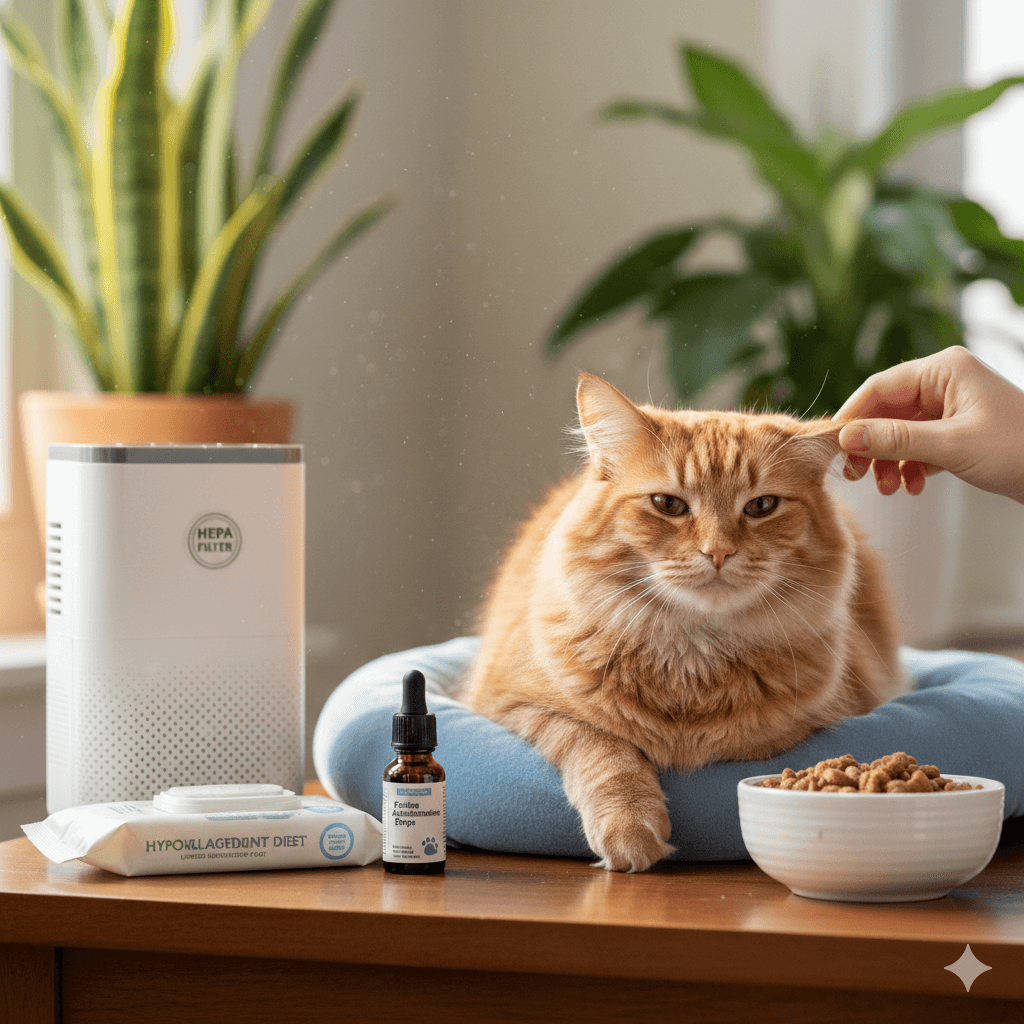
Identifying Common Allergens for Cats
Understanding what triggers seasonal allergies in cats is crucial for managing their condition effectively. Environmental allergens vary by region and season, but certain culprits consistently affect sensitive felines. Pinpointing these allergens allows you to minimize exposure and implement targeted treatments.
- Pollen from Trees, Grasses, and Weeds:
Spring and summer bring high pollen counts, which easily stick to fur or enter homes through open windows. Tree pollens (e.g., oak, birch) are particularly problematic early in the year. - Mold Spores:
Moist environments foster mold growth, which thrives indoors and outdoors. Mold spores become airborne and irritate cats’ respiratory systems or skin, especially during humid months. - Dust Mites:
These microscopic pests live in bedding, carpets, and furniture year-round but peak during colder months when homes are sealed tightly against drafts. - Flea Allergy Dermatitis:
While not strictly seasonal, flea infestations worsen in warmer weather. Even one flea bite can trigger severe reactions in hypersensitive cats. - Perfumes and Cleaning Products:
Strong scents from air fresheners, laundry detergents, or household cleaners exacerbate allergies, even if indirectly linked to seasonal patterns.
Identifying and reducing exposure to these allergens forms the foundation of effective allergy management for your cat.
Check this guide 👉Cat Allergic Reaction to Shampoo: Best 7 Expert Tips!
Check this guide 👉Cat Allergic to Pork Symptoms: Best 7 Expert Tips!
Check this guide 👉Can Cat Allergies Be Deadly? Best 7 Expert Tips!
| Common Allergy Symptoms | Effective Treatments |
|---|---|
| Excessive grooming or licking | Antihistamines (e.g., Benadryl) |
| Red, inflamed skin | Corticosteroids (e.g., Prednisone) |
| Sneezing and watery eyes | Cytopoint injections for itch relief |
| Ear infections or irritation | Immunotherapy (allergy shots) |
| Behavioral changes (restlessness) | Natural remedies like omega-3 supplements |
Veterinary Diagnosis of Cat Seasonal Allergies
Diagnosing seasonal allergies requires careful evaluation by a veterinarian to rule out other conditions with similar symptoms. The diagnostic process involves multiple steps to ensure accurate identification of allergens and tailored treatment plans.
- Physical Examination:
The vet checks for visible signs of irritation, such as red skin, bald patches, or ear infections, while gathering information about your cat’s lifestyle and environment. - Skin Scraping Tests:
A small sample of skin is examined under a microscope to rule out parasitic infections like mites, which mimic allergy symptoms. - Blood Tests for Allergen Sensitivity:
Serum testing identifies specific allergens triggering your cat’s immune response. Results guide decisions about immunotherapy or avoidance strategies. - Food Elimination Trials:
To differentiate between food and environmental allergies, vets recommend feeding a hypoallergenic diet for several weeks to observe improvements. - Response to Treatment Trials:
Temporary treatments like antihistamines or corticosteroids help confirm allergies based on symptom relief. Lack of improvement indicates alternative diagnoses.
Accurate diagnosis ensures your cat receives the most effective care without unnecessary delays or missteps.
Medications Used to Treat Seasonal Allergies in Cats
Veterinarians prescribe various medications to alleviate allergy symptoms and improve your cat’s quality of life. Each option targets different aspects of the immune response or provides symptomatic relief.
- Antihistamines:
Over-the-counter options like diphenhydramine (Benadryl) reduce itching and inflammation, though effectiveness varies among individual cats. Always consult your vet before use. - Corticosteroids:
Prescription drugs like prednisone offer fast relief for severe itching and inflammation but carry risks of long-term side effects if used excessively. - Cytopoint Injections:
This newer treatment targets itch-causing proteins directly, providing relief for up to 4–6 weeks without systemic side effects. - Immunotherapy (Allergy Shots):
Customized vaccines containing small amounts of identified allergens desensitize your cat’s immune system over time, offering long-term benefits. - Topical Treatments:
Medicated shampoos, sprays, or wipes soothe irritated skin and remove allergens from the coat, reducing direct contact with sensitive areas.
Each medication has pros and cons, so work closely with your vet to find the best solution for your cat’s unique needs.
Natural Remedies for Managing Cat Seasonal Allergies
Many pet owners prefer natural remedies to complement traditional treatments, focusing on holistic approaches to support overall health. While these methods may not replace veterinary care, they can enhance comfort and reduce reliance on medications.
- Omega-3 Fatty Acids:
Supplements derived from fish oil promote healthy skin and reduce inflammation, helping alleviate itching and dryness associated with allergies. - Probiotics:
Beneficial bacteria strengthen the immune system and restore gut health, potentially reducing hypersensitivity to allergens. - Herbal Supplements:
Chamomile, nettle, or licorice root teas (diluted and cooled) provide soothing relief when applied topically or added to drinking water. - Air Purifiers:
HEPA filters trap airborne allergens like pollen, dust mites, and mold spores, creating a cleaner indoor environment for your cat. - Regular Bathing and Brushing:
Gentle grooming removes allergens trapped in fur and reduces skin irritation. Use hypoallergenic products designed specifically for cats.
Natural remedies require consistency and patience but can significantly improve your cat’s well-being when combined with professional guidance.
Preventive Measures to Reduce Allergy Triggers
Preventing exposure to allergens minimizes flare-ups and keeps your cat comfortable throughout allergy season. Simple adjustments to your home and routine create a safer environment for sensitive felines.
- Keep Windows Closed During High Pollen Seasons:
Use air conditioning instead of opening windows to prevent pollen from entering your home. Wash curtains and upholstery regularly to remove trapped particles. - Vacuum Frequently:
HEPA-equipped vacuums capture allergens embedded in carpets, rugs, and furniture, reducing overall exposure. Focus on areas where your cat spends the most time. - Wash Bedding Regularly:
Launder your cat’s bedding weekly in hot water to eliminate dust mites, dander, and other allergens clinging to fabric surfaces. - Bathe Your Cat After Outdoor Exposure:
Rinse your cat’s paws and coat after outdoor play to remove pollen or dirt before it spreads indoors. Use lukewarm water and a gentle shampoo. - Limit Outdoor Time During Peak Allergy Months:
Restrict outdoor access during mornings or windy days when pollen counts are highest to protect your cat from unnecessary exposure.
Proactive prevention reduces the frequency and severity of allergic reactions, ensuring a happier, healthier cat.
Long-Term Management of Cat Seasonal Allergies
Managing seasonal allergies is an ongoing process that requires vigilance, patience, and collaboration with your veterinarian. Long-term strategies focus on maintaining comfort while addressing underlying causes to minimize future flare-ups.
- Consistent Monitoring:
Track your cat’s symptoms and note patterns related to specific seasons or environmental changes. This data helps refine treatment plans over time. - Routine Veterinary Check-Ups:
Regular exams ensure early detection of complications like secondary infections or worsening allergies requiring adjusted interventions. - Adjusting Treatments as Needed:
As your cat ages or environmental factors shift, treatments may need modification to remain effective. Stay flexible and open to new solutions. - Creating an Allergy-Free Zone:
Designate a room or area free of allergens using air purifiers, washable bedding, and minimal clutter to give your cat a safe retreat during bad days. - Educating Family Members:
Ensure everyone caring for your cat understands how to recognize symptoms and implement preventive measures consistently.
Long-term success depends on dedication and adaptability, fostering a lifetime of comfort and companionship for your beloved feline.
“Many of these allergies occur seasonally, such as ragweed, cedar, and grass pollens. However, others are always with us, such as molds, mildew, and house dust mites.”
Frequently Asked Questions About Cat Seasonal Allergies
Can cats outgrow seasonal allergies?
While some cats may experience reduced symptoms as they age, most will require ongoing management to control flare-ups during allergy seasons.
Are over-the-counter antihistamines safe for cats?
Some antihistamines like diphenhydramine are safe in appropriate doses, but always consult your vet before administering any medication.
How can I tell if my cat has allergies or parasites?
Flea allergy dermatitis often causes intense itching around the base of the tail, while seasonal allergies affect broader areas. A vet can confirm the diagnosis through tests.
Do indoor cats get seasonal allergies?
Yes—pollen, mold spores, and dust mites can enter homes, triggering allergies even in indoor cats.
Is immunotherapy effective for cats?
Immunotherapy is highly effective for long-term management, though it requires patience as results may take several months to appear.
Supporting Your Cat Through Seasonal Allergies
Seasonal allergies may be challenging, but with knowledge, care, and proactive measures, you can help your cat live comfortably year-round. From identifying allergens to exploring treatments and preventive strategies, every step you take strengthens the bond between you and your feline companion. Remember, small adjustments—like regular grooming, air purifiers, or vet-prescribed medications—can make a world of difference in their quality of life. By staying vigilant and prioritizing your cat’s well-being, you ensure they feel loved, supported, and cherished no matter the season. Together, you’ll navigate this journey with resilience and compassion.

Is Rawhide Bad for Cats? Best 7 Expert Tips! – Discover the risks, safe alternatives, and expert advice to keep your feline friend healthy and happy.

Is Rawhide Bad for Dogs? Best 7 Expert Tips! – Discover the risks, benefits, and safer alternatives to rawhides for your dog’s chewing needs.

Understanding Anorexia in Cats: Best 7 Expert Tips! – Learn why cats stop eating, spot warning signs, and discover how to help your feline regain appetite safely.

Understanding Anorexia in Dogs: Best 7 Expert Tips! – Learn causes, symptoms, and solutions to help your dog regain appetite and stay healthy.