
Understanding Dog Seasonal Allergies Treatment: Best 7 Expert Tips
Seasonal allergies in dogs can cause discomfort and distress, with symptoms like itching, sneezing, and skin irritation. Identifying the triggers and implementing effective treatments is key to providing relief for your furry friend. With the right approach, you can help your dog enjoy every season without the burden of allergy flare-ups.
Common Symptoms of Seasonal Allergies in Dogs
Seasonal allergies in dogs often manifest through a variety of physical and behavioral symptoms. These signs can range from mild to severe, depending on the allergen and your dog’s sensitivity. Recognizing these symptoms early allows you to address the issue before it worsens, ensuring your dog stays comfortable throughout allergy season.
- Excessive Itching and Scratching:
Dogs with seasonal allergies frequently scratch their skin, especially around the paws, ears, and belly. This behavior is often triggered by environmental allergens like pollen or mold spores. - Red, Inflamed Skin:
Allergic reactions can cause skin irritation, leading to redness, swelling, and even open sores if the scratching becomes intense. This inflammation is a sign of an overactive immune response. - Frequent Ear Infections:
Dogs with allergies are prone to ear infections due to increased moisture and irritation in the ear canal. You may notice head shaking, odor, or discharge as key indicators. - Runny Eyes or Nasal Discharge:
Similar to humans, dogs can experience watery eyes and a runny nose during allergy season. These symptoms are often mistaken for respiratory infections but are allergy-related. - Chewing or Licking Paws:
Many dogs chew or lick their paws excessively when exposed to allergens. This behavior not only indicates discomfort but can also lead to secondary infections if left untreated.
By understanding these symptoms, you can identify seasonal allergies early and take steps to alleviate your dog’s suffering before it escalates further.
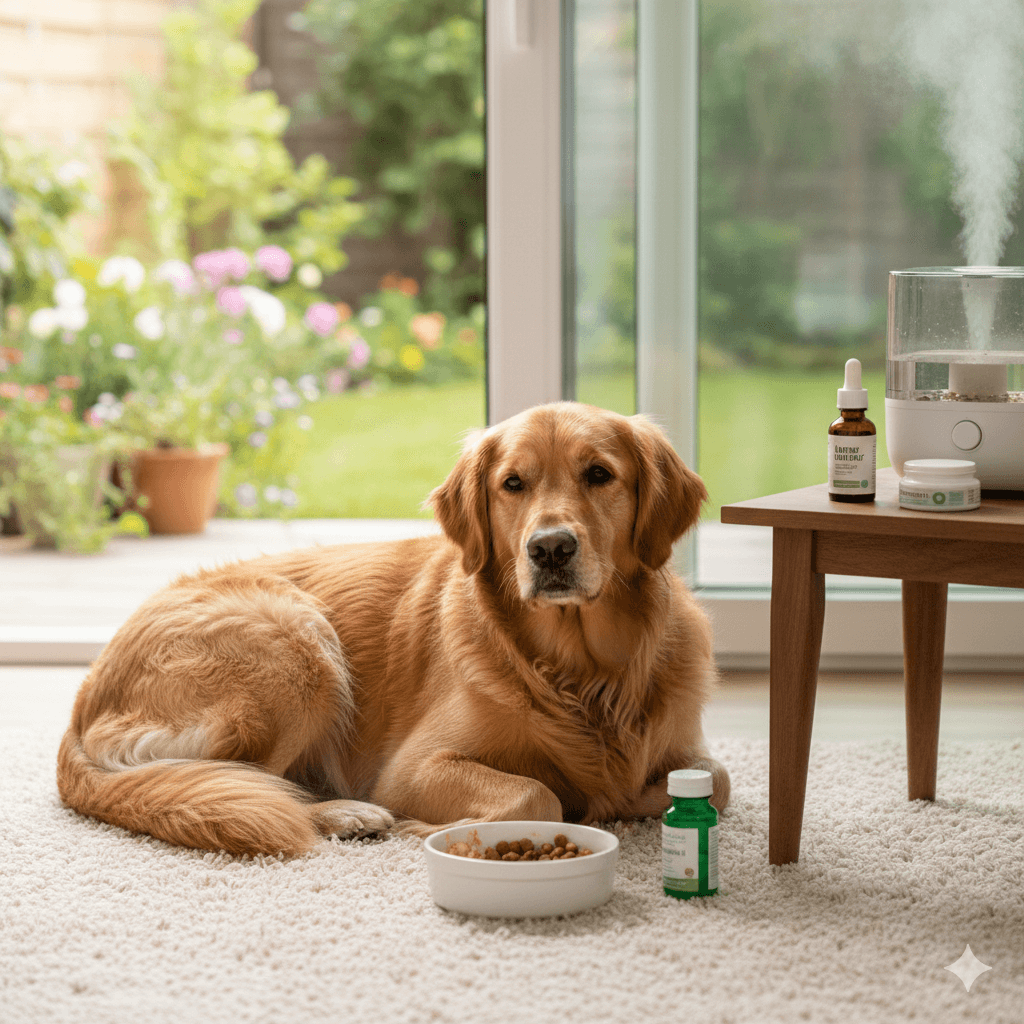
Identifying Common Allergens for Dogs
Seasonal allergies are typically caused by environmental allergens that vary by region and time of year. Pinpointing the specific triggers helps you minimize exposure and tailor treatments effectively. While some allergens are unavoidable, proactive measures can significantly reduce your dog’s discomfort.
- Pollen from Trees, Grasses, and Weeds:
Pollen is one of the most common allergens, especially during spring and summer. It clings to fur and skin, causing irritation and allergic reactions. - Mold Spores in the Air:
Mold thrives in damp environments and becomes airborne, particularly during rainy seasons. Dogs sensitive to mold may experience flare-ups indoors and outdoors. - Dust Mites in the Home:
These microscopic pests thrive in bedding, carpets, and upholstery. Dust mites can trigger year-round allergies, but symptoms often worsen during humid months. - Fleas and Flea Saliva:
Flea bites are a major cause of seasonal allergies. Even a single flea bite can cause intense itching in dogs with flea allergy dermatitis (FAD). - Environmental Toxins:
Chemicals from pesticides, fertilizers, or air pollution can exacerbate allergies, especially in urban areas where dogs are frequently exposed.
Identifying and avoiding these allergens is the first step toward managing your dog’s seasonal allergies effectively and improving their quality of life.
Check this guide 👉Dog Allergic to Pork Symptoms: Best 7 Expert Tips!
Check this guide 👉Can Dog Allergies Be Deadly: Best 7 Expert Tips!
Check this guide 👉Does Fish Oil Help with Dog Allergies: Best 7 Expert Tips!
Treatment Options | Benefits |
|---|---|
Antihistamines (e.g., Benadryl) | Reduces itching and inflammation; affordable and widely available over-the-counter |
Prescription Medications (e.g., Apoquel, Cytopoint) | Provides fast relief for severe symptoms; targets specific immune responses |
Topical Solutions (Shampoos, Sprays) | Soothes irritated skin directly; safe for long-term use with minimal side effects |
Immunotherapy (Allergy Shots) | Builds long-term tolerance to allergens; ideal for chronic or recurring cases |
Natural Remedies (e.g., Coconut Oil, Quercetin) | Gentle on the body; supports overall wellness without harsh chemicals |
Effective Treatments for Dog Seasonal Allergies
Treating seasonal allergies requires a combination of strategies tailored to your dog’s specific needs. From medications to natural remedies, multiple options exist to provide relief and restore comfort. Working closely with your veterinarian ensures the safest and most effective approach.
- Antihistamines for Mild Cases:
Over-the-counter antihistamines like Benadryl or Zyrtec can reduce itching and inflammation. However, always consult your vet for proper dosage and suitability. - Prescription Medications:
Corticosteroids or Apoquel target severe symptoms by suppressing the immune response. These should only be used under veterinary supervision due to potential side effects. - Topical Treatments for Skin Relief:
Shampoos, sprays, and creams containing oatmeal, aloe vera, or hydrocortisone soothe irritated skin and provide temporary relief from itching. - Immunotherapy (Allergy Shots):
This long-term solution involves gradually exposing your dog to small amounts of allergens to build tolerance. It’s ideal for chronic cases but requires patience. - Supplements for Immune Support:
Omega-3 fatty acids, probiotics, and quercetin supplements strengthen the immune system and reduce inflammation naturally.
With the right combination of treatments, you can manage your dog’s seasonal allergies and ensure they remain happy and healthy year-round.
Preventive Measures to Reduce Allergy Triggers
Preventing exposure to allergens minimizes the frequency and severity of seasonal allergy flare-ups. Simple lifestyle changes and environmental adjustments make a significant difference in your dog’s comfort level.
- Regular Bathing and Grooming:
Frequent baths remove allergens from your dog’s coat and skin, reducing irritation. Use hypoallergenic shampoos designed for sensitive skin. - Wiping Paws After Walks:
Use damp cloths or pet-safe wipes to clean your dog’s paws after outdoor activities, preventing allergens from being tracked indoors. - Air Purifiers at Home:
HEPA air purifiers trap allergens like pollen, dust, and mold spores, creating a cleaner indoor environment for your dog. - Flea Prevention Programs:
Year-round flea control prevents infestations and reduces the risk of flea allergy dermatitis during warmer months. - Limit Outdoor Time During Peak Seasons:
Keep your dog indoors during high-pollen days or when mold counts are elevated to minimize exposure to environmental triggers.
Proactive prevention not only alleviates symptoms but also strengthens your dog’s resilience against seasonal allergies.
Natural Remedies for Dog Seasonal Allergies
Many pet owners prefer natural remedies to complement traditional treatments for seasonal allergies. These solutions are gentle on your dog’s body and promote overall wellness without harsh chemicals.
- Coconut Oil for Skin Health:
Applying organic coconut oil to irritated areas moisturizes the skin and reduces inflammation while providing antibacterial benefits. - Apple Cider Vinegar Rinse:
A diluted apple cider vinegar rinse soothes itchy skin and repels fleas naturally. Avoid using it on open wounds or broken skin. - Herbal Teas for Calming Effects:
Chamomile or calendula tea applied topically relieves redness and irritation, offering a soothing alternative to medicated creams. - Quercetin Supplements:
Known as “nature’s antihistamine,” quercetin reduces allergic reactions and supports immune function when given consistently. - Epsom Salt Soaks:
Soaking your dog’s paws in Epsom salt water draws out allergens and reduces swelling, providing instant relief for irritated pads.
Natural remedies offer safe, effective ways to manage seasonal allergies while promoting holistic health for your dog.
When to Seek Veterinary Care for Allergies
While mild allergies can often be managed at home, certain situations require professional intervention. Recognizing warning signs ensures timely treatment and prevents complications.
- Persistent Symptoms Despite Treatment:
If over-the-counter remedies fail to improve your dog’s condition, consult your vet for stronger medications or diagnostic testing. - Severe Skin Lesions or Infections:
Open wounds, pus, or foul odors indicate secondary infections that need antibiotics or specialized care. - Difficulty Breathing or Swelling:
Facial swelling or labored breathing signals anaphylaxis, a life-threatening emergency requiring immediate attention. - Sudden Behavioral Changes:
Lethargy, aggression, or refusal to eat may reflect underlying pain or systemic illness related to untreated allergies. - Unexplained Weight Loss:
Chronic allergies can lead to malnutrition or dehydration if your dog avoids eating or drinking due to discomfort.
Seeking veterinary care promptly ensures accurate diagnosis and tailored treatment plans for your dog’s unique needs.
Long-Term Management of Seasonal Allergies
Managing seasonal allergies is an ongoing process that requires consistency and adaptability. By implementing long-term strategies, you can minimize flare-ups and maintain your dog’s well-being throughout the year.
- Regular Vet Check-Ups:
Routine exams monitor your dog’s health and detect emerging issues before they escalate into serious problems. - Customized Diet Plans:
Hypoallergenic or limited-ingredient diets eliminate potential food allergens, reducing the overall burden on your dog’s immune system. - Environmental Modifications:
Using allergen-proof covers on bedding, vacuuming regularly, and keeping windows closed during peak seasons create a safer home environment. - Behavioral Monitoring:
Watch for subtle changes in mood, appetite, or energy levels that might signal developing sensitivities or worsening conditions. - Building a Strong Immune System:
Balanced nutrition, regular exercise, and stress reduction strengthen your dog’s defenses against allergens and other illnesses.
Long-term management empowers you to take control of your dog’s seasonal allergies, fostering a healthier, happier life for years to come.
“The only treatment known to stop the progression of allergies is desensitization immunotherapy (or allergy shots). It is also the most natural treatment for pets with seasonal allergies.”
— Dr. Jangi Bajwa
Frequently Asked Questions About Dog Seasonal Allergies
What are the most common signs of seasonal allergies in dogs?
Excessive itching, red skin, ear infections, runny eyes, and paw licking are hallmark symptoms of seasonal allergies in dogs.
How can I tell if my dog has allergies or a skin infection?
Allergies cause itching and redness, while infections often involve odor, discharge, or pus. A vet can confirm with tests or exams.
Are certain dog breeds more prone to seasonal allergies?
Yes, breeds like Golden Retrievers, Bulldogs, and Terriers are genetically predisposed to allergies due to their sensitive immune systems.
Can I give my dog human antihistamines for allergies?
Some human antihistamines are safe for dogs, but always consult your vet for proper dosage and suitability based on your dog’s health.
How long does it take for allergy treatments to work?
Topical treatments provide instant relief, while oral medications or immunotherapy may take days to weeks to show full effects.
Supporting Your Dog Through Allergy Season
Managing seasonal allergies in dogs requires patience, dedication, and a proactive approach to care. By identifying triggers, implementing effective treatments, and making lifestyle adjustments, you empower your dog to thrive despite environmental challenges. Remember, every small step you take—whether it’s wiping their paws after a walk or scheduling regular vet visits—makes a world of difference in their comfort and happiness. With love, attention, and the right strategies, your dog can enjoy every season without the burden of allergies weighing them down.

Is Rawhide Bad for Cats? Best 7 Expert Tips! – Discover the risks, safe alternatives, and expert advice to keep your feline friend healthy and happy.

Is Rawhide Bad for Dogs? Best 7 Expert Tips! – Discover the risks, benefits, and safer alternatives to rawhides for your dog’s chewing needs.

Understanding Anorexia in Cats: Best 7 Expert Tips! – Learn why cats stop eating, spot warning signs, and discover how to help your feline regain appetite safely.

Understanding Anorexia in Dogs: Best 7 Expert Tips! – Learn causes, symptoms, and solutions to help your dog regain appetite and stay healthy.