
Understanding Superficial Dog Bites: What You Need to Know
Superficial dog bites, though less severe than deep punctures, still require careful attention to prevent infection and complications. These bites typically break the skin but do not penetrate deeply, often resulting in minor cuts or abrasions. By understanding how to assess and treat these injuries properly, you can ensure both your safety and the well-being of the dog involved.
Common Causes of Superficial Dog Bites
Superficial dog bites can occur in various situations, often stemming from fear, stress, or miscommunication between humans and dogs. Understanding the root causes helps prevent future incidents and fosters safer interactions with dogs. While not all bites are aggressive, even minor bites should be taken seriously to avoid complications.
- Fear or Anxiety:
Dogs may bite when they feel threatened or cornered, especially if they are not given space to retreat. Fear-based aggression is a common cause of superficial bites during stressful situations like vet visits or loud environments. - Protective Instincts:
Mother dogs protecting their puppies or pets guarding their territory may react defensively. Even well-trained dogs can bite superficially if they perceive a threat to their safety or resources. - Pain or Illness:
An injured or sick dog may bite when touched in sensitive areas. Superficial bites in these cases are often accidental but highlight the importance of gentle handling when a dog is unwell. - Playful Behavior Gone Wrong:
Excited or overly energetic dogs sometimes nip during play. While these bites are rarely intended to harm, they can still break the skin and require proper care to prevent infection. - Miscommunication with Humans:
Dogs rely on body language, and humans may unintentionally provoke a bite by invading their personal space, staring directly at them, or making sudden movements. Educating yourself about canine communication reduces the risk of misunderstandings.
By identifying these triggers, you can take proactive steps to minimize the likelihood of superficial bites while fostering trust and respect in your relationship with dogs.
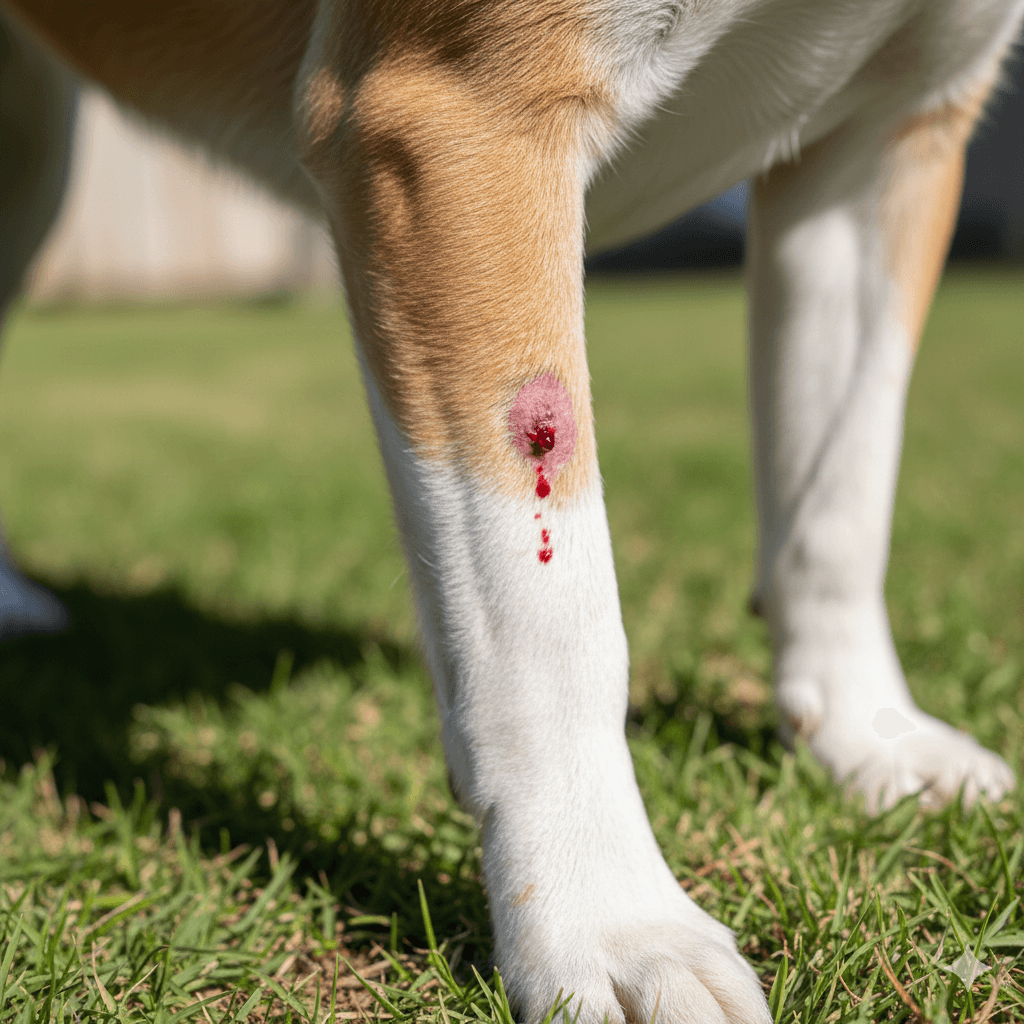
Assessing the Severity of a Superficial Dog Bite
Not all superficial dog bites are the same—some may appear minor but carry hidden risks. Proper assessment ensures you address any potential complications promptly. Knowing how to evaluate the injury helps you decide whether professional medical attention is necessary.
- Check for Broken Skin:
Superficial bites typically break the outer layer of skin without penetrating deeply. Look for signs of redness, swelling, or minor bleeding around the affected area. - Monitor for Infection Signs:
Even minor wounds can become infected if not cleaned properly. Watch for increasing redness, pus discharge, warmth, or tenderness around the bite site. - Evaluate the Dog’s Vaccination Status:
If the biting dog is up-to-date on rabies vaccinations, the risk of transmission is low. However, an unvaccinated or unknown dog requires immediate veterinary consultation. - Assess Pain Levels:
While superficial bites are less painful than deep punctures, persistent discomfort or throbbing may indicate underlying tissue damage or infection. - Consider Location of the Bite:
Bites on sensitive areas like the face, hands, or joints may require closer monitoring due to higher risks of complications or reduced mobility.
Proper assessment empowers you to respond effectively, ensuring both your health and peace of mind after a superficial dog bite incident.
Check this guide 👉Minor Dog Bite Treatment: Best 7 Expert Tips!
Check this guide 👉Tetanus Shot After Dog Bite: Best 7 Expert Tips!
Check this guide 👉Dog Bite Antibiotics: Best 7 Expert Tips!
Immediate Actions | Long-Term Prevention Tips |
|---|---|
Clean the wound thoroughly with soap and water | Learn canine body language to recognize warning signs |
Apply an antiseptic solution to prevent infection | Teach children safe practices around dogs |
Cover the wound with a sterile bandage | Respect personal space and avoid sudden movements |
Monitor for signs of infection (redness, swelling, pus) | Socialize your dog early to reduce fear-based aggression |
Seek medical attention if unsure or if symptoms worsen | Use leashes and barriers to manage interactions safely |
First Aid Steps for Treating a Superficial Dog Bite
Immediate first aid minimizes the risk of infection and promotes faster healing. Following these steps ensures you handle the wound correctly until professional medical advice is available. Prompt action also reduces the likelihood of long-term scarring or complications.
- Clean the Wound Thoroughly:
Wash the bite area under running water for at least 5 minutes to remove dirt, saliva, and bacteria. Use mild soap to disinfect without irritating the skin further. - Apply Antiseptic Solution:
After cleaning, apply an over-the-counter antiseptic like hydrogen peroxide or iodine to kill remaining germs. Avoid harsh chemicals that could delay healing. - Control Bleeding (if Present):
Apply gentle pressure with a clean cloth or gauze pad to stop minor bleeding. Elevate the affected area if possible to reduce blood flow to the wound. - Cover with a Sterile Bandage:
Use a non-stick bandage or dressing to protect the wound from further contamination. Change the bandage daily or whenever it becomes soiled. - Avoid Picking at Scabs:
Allow the wound to heal naturally by leaving scabs intact. Picking at them increases the risk of infection and delays recovery time significantly.
First aid is the first line of defense against complications, but always consult a doctor if you notice worsening symptoms or have concerns about the bite.
When to Seek Medical Attention for a Superficial Bite
While many superficial dog bites heal without issues, certain scenarios warrant professional evaluation. Recognizing warning signs ensures you receive timely treatment and avoid potentially serious complications. Trust your instincts—if something feels off, seek help immediately.
- Unvaccinated or Unknown Dogs:
If the biting dog’s vaccination history is unclear, consult a healthcare provider to discuss rabies prophylaxis as a precautionary measure. - Signs of Infection:
Fever, chills, or spreading redness around the bite indicate an infection that requires antibiotics or other medical interventions. - Deep or Jagged Wounds:
Even if the bite seems superficial, jagged edges or significant tissue damage may need sutures or specialized care to promote proper healing. - High-Risk Individuals:
Children, elderly individuals, pregnant women, or immunocompromised people face greater risks from even minor bites and should always see a doctor. - Delayed Healing or Persistent Symptoms:
If the wound does not improve within a few days or worsens despite home care, seek medical advice to rule out underlying issues.
Prompt medical attention prevents minor injuries from escalating into more severe health problems.
Preventing Superficial Dog Bites Through Education
Prevention is the best way to avoid superficial dog bites altogether. By educating yourself and others about safe interactions with dogs, you create a harmonious environment for both humans and animals. Responsible behavior reduces the likelihood of accidental bites and fosters mutual respect.
- Learn Canine Body Language:
Understand signals like growling, lip licking, or stiff posture, which indicate discomfort or stress before a bite occurs. - Teach Children Safe Practices:
Instruct kids to approach dogs calmly, avoid hugging or kissing them, and never disturb a sleeping or eating dog. - Respect Personal Space:
Give dogs room to move freely, especially unfamiliar ones, and avoid reaching toward their face, tail, or paws without permission. - Socialize Your Own Dog:
Properly socialized dogs are less likely to react aggressively. Expose them to various people, environments, and situations from an early age. - Use Leashes and Barriers:
Keep your dog leashed in public spaces and use gates or crates at home to manage interactions safely.
Education and awareness go a long way in preventing superficial dog bites and ensuring positive experiences for everyone involved.
Legal and Ethical Considerations After a Dog Bite
Superficial dog bites can have legal and ethical implications, especially if the incident involves someone else’s pet or occurs in a public setting. Understanding your responsibilities ensures compliance with local laws and promotes fairness in resolving disputes. Addressing these aspects promptly demonstrates accountability and good citizenship.
- Report the Incident (if Required):
Some jurisdictions mandate reporting dog bites to animal control or public health authorities, regardless of severity. Check local regulations for guidance. - Exchange Information with the Owner:
If another person’s dog bit you, exchange contact details and verify the dog’s vaccination records to protect yourself legally and medically. - Document the Incident:
Take photos of the wound, write down what happened, and gather witness statements if applicable. This documentation may be useful later. - Understand Liability Laws:
Dog owners are often held responsible for their pet’s actions. Familiarize yourself with local liability laws to understand potential consequences. - Promote Responsible Pet Ownership:
Encourage ethical practices like training, socialization, and supervision to reduce the likelihood of future incidents involving dogs.
Balancing legal obligations with empathy creates a constructive resolution for all parties involved.
Long-Term Care and Recovery After a Superficial Bite
Recovering from a superficial dog bite involves more than just treating the initial wound. Long-term care ensures complete healing and minimizes the risk of complications. Staying vigilant throughout the recovery process supports optimal outcomes for both physical and emotional well-being.
- Monitor for Scarring:
Minor bites may leave faint scars, but keeping the area moisturized with approved creams can improve appearance over time. - Follow Up with Healthcare Providers:
Schedule follow-up appointments if advised by a doctor to ensure proper healing and rule out lingering infections. - Address Emotional Impact:
Both humans and dogs may experience anxiety or fear after a bite incident. Professional counseling or behavioral therapy can help restore confidence. - Strengthen Bond with Your Dog:
If your own dog was involved, reinforce positive training techniques to rebuild trust and prevent similar incidents in the future. - Review Safety Protocols:
Reflect on what led to the bite and implement changes, such as improved supervision or better communication strategies, to prevent recurrence.
Long-term care emphasizes not only physical recovery but also emotional healing and preventive measures for a safer future.
“For a minor animal bite that only breaks the skin, wash the wound with soap and water, apply an antibiotic cream or ointment, and cover the bite with a clean bandage.”
— Mayo Clinic Staff
Frequently Asked Questions About Superficial Dog Bites
What should I do immediately after a superficial dog bite?
Clean the wound thoroughly with soap and water, apply an antiseptic, and cover it with a sterile bandage. Monitor for signs of infection and seek medical advice if needed.
Can superficial dog bites become infected?
Yes, even minor bites can become infected if not cleaned properly. Watch for redness, swelling, pus, or worsening pain, and consult a doctor if these occur.
Do I need a tetanus shot after a dog bite?
If your tetanus vaccine is not up-to-date (within the last 5–10 years), consult a healthcare provider to determine if a booster is necessary.
How can I tell if a dog bite is superficial?
Superficial bites break the skin but do not penetrate deeply. They may cause minor bleeding, redness, or swelling but typically spare deeper tissues.
Should I report a superficial dog bite to authorities?
In some areas, all dog bites must be reported to animal control or public health authorities, regardless of severity. Check local regulations for guidance.
Healing Beyond the Bite: A Path Forward
Dealing with a superficial dog bite can be unsettling, but understanding how to respond ensures both your safety and the well-being of the dog involved. By taking immediate action, seeking professional advice when needed, and implementing preventive measures, you transform a challenging moment into an opportunity for growth. Remember, fostering safe interactions with dogs requires patience, education, and mutual respect. With the right approach, you can minimize risks and build stronger, healthier relationships with our four-legged companions.

Is Rawhide Bad for Cats? Best 7 Expert Tips! – Discover the risks, safe alternatives, and expert advice to keep your feline friend healthy and happy.

Is Rawhide Bad for Dogs? Best 7 Expert Tips! – Discover the risks, benefits, and safer alternatives to rawhides for your dog’s chewing needs.

Understanding Anorexia in Cats: Best 7 Expert Tips! – Learn why cats stop eating, spot warning signs, and discover how to help your feline regain appetite safely.

Understanding Anorexia in Dogs: Best 7 Expert Tips! – Learn causes, symptoms, and solutions to help your dog regain appetite and stay healthy.