
How to Train Your Dog to Hold Pee Longer
Training your dog to hold their pee for extended periods is essential for both convenience and their well-being. While puppies naturally have smaller bladders, adult dogs can learn to control their urges with consistency and patience. By establishing a structured routine and using positive reinforcement, you can help your furry friend master this important skill.
Understanding Your Dog’s Bladder Control Abilities
Training your dog to hold their pee requires understanding their natural bladder capacity and limitations. Dogs, especially puppies, have varying abilities to control their bladder based on age, breed, and size. Recognizing these factors ensures realistic expectations and effective training strategies.
- Puppies vs. Adult Dogs:
Puppies typically lack full bladder control until they are around 6 months old. Their small bladders fill quickly, requiring frequent bathroom breaks every 1–2 hours. Adult dogs, on the other hand, can hold their urine for up to 8–10 hours under optimal conditions, though this varies by breed and health. - Breed Differences in Bladder Size:
Smaller breeds like Chihuahuas or Toy Poodles often have smaller bladders, limiting how long they can hold their pee. Larger breeds, such as Labrador Retrievers or German Shepherds, generally have greater capacity but still require proper training to maximize their potential. - Health Factors Impacting Bladder Control:
Medical conditions like urinary tract infections (UTIs), bladder stones, or diabetes can reduce a dog’s ability to hold their urine. Always rule out underlying health issues before starting training to ensure your dog isn’t struggling due to illness. - Age-Related Decline in Older Dogs:
Senior dogs may lose bladder control as they age, making accidents more common. While training helps, patience and veterinary care are crucial to address age-related challenges effectively. - The Role of Routine in Bladder Training:
Dogs thrive on consistency. Establishing a predictable schedule for feeding, bathroom breaks, and exercise helps them learn when it’s appropriate to relieve themselves, gradually extending their ability to hold their pee.
Understanding your dog’s unique needs and limitations is the foundation of successful bladder training. Tailoring your approach ensures both comfort and progress during the learning process.
Step-by-Step Guide to Bladder Training
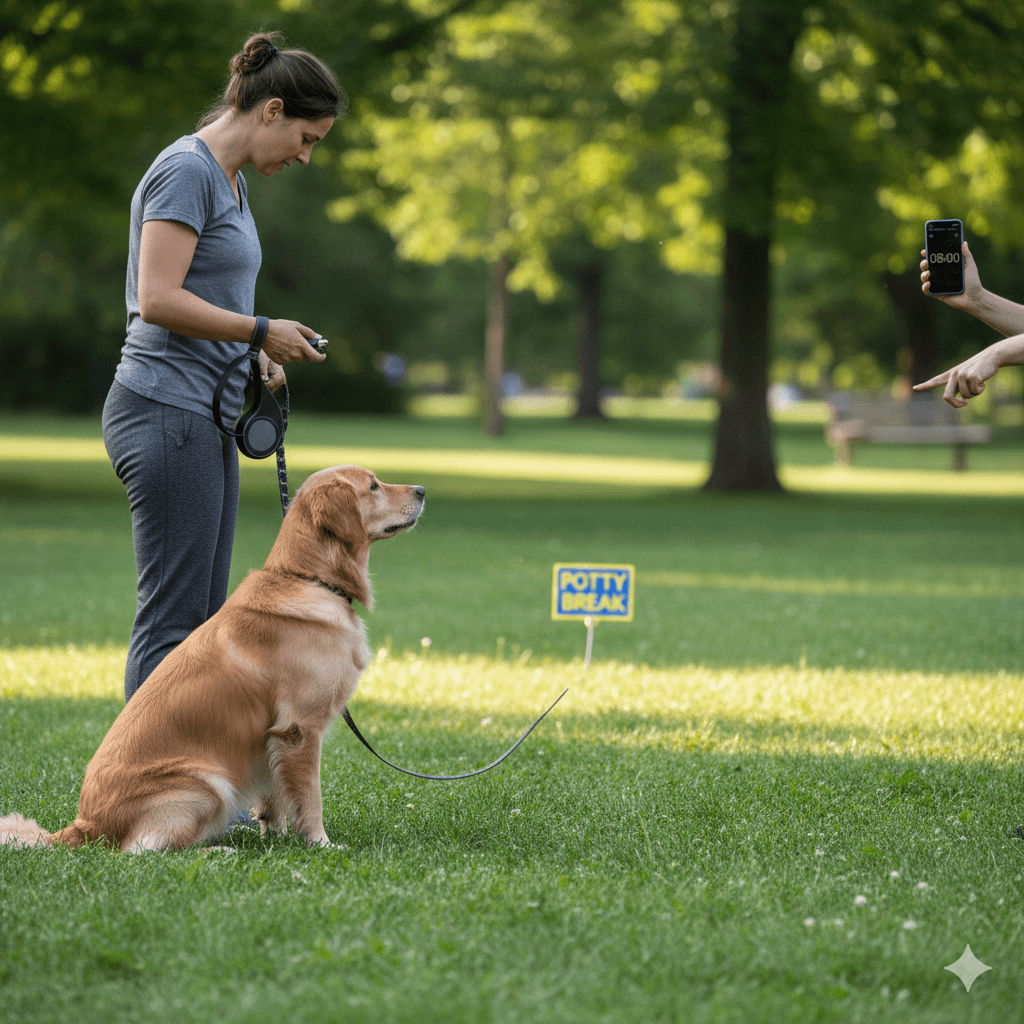
Bladder training involves a structured approach to help your dog gradually increase their ability to hold their urine. By following these steps consistently, you can achieve noticeable improvements over time.
- Start with Frequent Bathroom Breaks:
Begin by taking your dog outside every 1–2 hours, especially after meals, playtime, or naps. This establishes a baseline routine and prevents accidents indoors. - Gradually Increase Time Between Breaks:
Once your dog becomes comfortable holding their pee for short intervals, extend the time between bathroom breaks by 30 minutes to an hour each week. Monitor their behavior closely for signs of discomfort. - Use Positive Reinforcement:
Reward your dog with treats, praise, or playtime immediately after they eliminate outside. Positive reinforcement strengthens the association between holding their pee and receiving rewards. - Avoid Punishment for Accidents:
Scolding or punishing your dog for indoor accidents can create fear and confusion, hindering progress. Instead, clean up messes thoroughly to remove odors that might encourage repeat incidents. - Introduce Crate Training Strategically:
Crate training encourages dogs to hold their pee since they instinctively avoid soiling their sleeping area. Use a crate sized appropriately—just large enough for them to stand, turn around, and lie down comfortably.
Consistency and patience are key to success. Over time, your dog will learn to associate longer periods of holding their urine with positive outcomes.
Check this guide 👉How Many Times Should a Dog Pee a Day? Best 7 Expert Tips!
Check this guide 👉Dog Pee Smells Fishy: Best 7 Health Tips!
Check this guide 👉Why Is My Male Dog Peeing on My Bed All of a Sudden? Best 7 Tips
Training Techniques | Common Challenges |
|---|---|
Establish a consistent bathroom schedule | Frequent accidents during initial training |
Use positive reinforcement (treats, praise) | Excitement or submissive urination in certain situations |
Gradually increase time between bathroom breaks | Resistance to crate training or confinement |
Incorporate tools like potty bells or clickers | Regression due to stress or environmental changes |
Monitor water intake before bedtime | Difficulty holding urine overnight, especially for puppies |
Common Challenges in Bladder Training
While bladder training is highly effective, certain challenges can arise during the process. Identifying and addressing these obstacles ensures smoother progress and minimizes frustration for both you and your dog.
- Frequent Accidents Indoors:
Accidents are common, especially in the early stages of training. They often occur due to insufficient bathroom breaks or excitement-induced urination. Address this by reinforcing the routine and rewarding outdoor elimination. - Excitement or Submissive Urination:
Some dogs urinate when overly excited or feeling submissive. Managing triggers, such as loud greetings or intimidating body language, helps reduce these incidents over time. - Overnight Holding Difficulties:
Many dogs struggle to hold their pee overnight, particularly puppies. Limit water intake 2–3 hours before bedtime and take them out for a final bathroom break to minimize nighttime accidents. - Resistance to Crate Training:
Some dogs initially resist crates, viewing them as confinement rather than safety. Gradually introduce the crate with treats and toys to make it a positive space. - Regression During Training:
Stressful events, such as moving homes or introducing new pets, can cause regression. Reassure your dog and revisit earlier stages of training to rebuild confidence.
Anticipating these challenges allows you to adapt your approach and maintain steady progress toward your training goals.
The Importance of a Consistent Schedule
A consistent daily schedule plays a critical role in helping your dog learn to hold their pee longer. Dogs thrive on predictability, and routines provide structure that supports their natural instincts.
- Feeding Times Matter:
Feed your dog at the same times each day to regulate digestion and bladder filling. Avoid late-night meals that might lead to overnight accidents. - Morning Bathroom Rituals:
Take your dog outside first thing in the morning to empty their bladder after a night of rest. This sets a positive tone for the day and reduces urgency later. - Midday Breaks Are Essential:
If you work long hours, arrange for a midday walker or pet sitter to provide a bathroom break. Skipping breaks can undo progress and frustrate your dog. - Evening Wind-Down Routine:
End the day with a final bathroom trip 30–60 minutes before bedtime. This gives your dog ample opportunity to relieve themselves and settle in for the night. - Adapting Schedules for Puppies:
Puppies require more frequent breaks. Use the guideline of one hour per month of age (e.g., a 3-month-old puppy can hold it for about 3 hours) to plan their schedule.
A well-planned routine reinforces training efforts and helps your dog develop reliable bladder control.
Signs Your Dog Needs to Go
Recognizing your dog’s signals that they need to eliminate is crucial for preventing accidents and reinforcing training. These behaviors vary but are often easy to spot with practice.
- Sniffing and Circling:
Dogs often sniff and circle an area before eliminating. This behavior indicates they’re searching for a suitable spot and need to go soon. - Whining or Barking Indoors:
Vocalizations, especially near doors or windows, signal your dog’s urgency to go outside. Respond promptly to prevent accidents. - Restlessness or Pacing:
If your dog seems unable to settle, they may be trying to communicate their need to relieve themselves. Take them outside immediately. - Squatting or Lifting a Leg:
These are clear signs your dog is preparing to urinate. Act quickly to redirect them outdoors if indoors. - Increased Licking of Genitals:
Excessive licking often accompanies the urge to eliminate. Watch for this behavior as a cue to take your dog outside.
Understanding these signals allows you to respond proactively and reinforce good habits during training.
Tools and Techniques to Support Bladder Training
Several tools and techniques can enhance your dog’s ability to hold their pee longer. Incorporating these resources into your training plan accelerates progress and provides additional support.
- Crate Training Accessories:
Choose a durable, comfortable crate with a soft bed and chew-resistant materials. Adding familiar scents or blankets creates a calming environment. - Potty Bell Systems:
Install a potty bell near the door to teach your dog to signal when they need to go outside. Ring the bell yourself initially to demonstrate its purpose. - Water Bowls with Timers:
Automatic water bowls with timers regulate water intake, preventing excessive drinking that could overwhelm your dog’s bladder. - Outdoor Markers or Target Spots:
Designate specific areas in your yard for elimination using visual markers or scents. This helps your dog associate those spots with bathroom breaks. - Training Clickers for Reinforcement:
Clicker training pairs a distinct sound with rewards, reinforcing desired behaviors like holding their pee until outside.
Using these tools strategically complements your training efforts and fosters faster results.
Long-Term Benefits of Bladder Training
Successfully training your dog to hold their pee offers numerous benefits beyond convenience. It strengthens your bond, enhances their quality of life, and promotes overall well-being.
- Improved House Manners:
A well-trained dog is less likely to have accidents indoors, creating a cleaner, stress-free home environment for everyone. - Enhanced Trust and Bonding:
Positive reinforcement builds trust and deepens your connection with your dog, fostering mutual respect and understanding. - Greater Freedom and Independence:
Dogs with strong bladder control can accompany you on longer outings without worrying about frequent bathroom stops. - Reduced Stress for Both Owner and Dog:
Fewer accidents mean less cleanup and frustration, allowing you to focus on enjoying your time together. - Preparation for Travel or Boarding:
Well-trained dogs adapt more easily to travel, boarding, or daycare situations where extended periods without bathroom breaks may be necessary.
Investing time and effort into bladder training pays dividends in the form of a happier, healthier, and more harmonious relationship with your dog.
“When you begin to extend the time between potty breaks for your adult dog, do so in small increments. You’re helping their bladder and bowels learn how to physically hold it longer than they’ve previously been able to.” – Cathy Madson, MA, FDM, CBCC-KA, CPDT-KA
Frequently Asked Questions About Training Your Dog to Hold Pee Longer
How long can a puppy realistically hold their pee?
Puppies can typically hold their urine for one hour per month of age (e.g., a 3-month-old puppy can hold it for about 3 hours). However, this varies by breed and individual temperament.
What if my dog has an accident indoors?
Clean the area thoroughly with an enzymatic cleaner to remove odors that might encourage repeat incidents. Avoid punishment, as it can create fear and hinder progress.
Can older dogs learn to hold their pee longer?
Yes, older dogs can improve their bladder control with consistent training, though medical conditions should be ruled out if they struggle unexpectedly.
Is crate training necessary for bladder training?
While not mandatory, crate training is highly effective because dogs instinctively avoid soiling their sleeping space, reinforcing their ability to hold their urine.
How do I know if my dog needs a bathroom break?
Watch for signs like sniffing, circling, restlessness, or vocalizations near doors. Respond promptly to prevent accidents and reinforce good habits.
A Strong Foundation for Long-Term Success
Training your dog to hold their pee longer is a journey that requires patience, consistency, and understanding. By recognizing your dog’s unique needs and using proven techniques, you can build a strong foundation for reliable bladder control. Whether you’re working with a playful puppy or an adult dog, every step forward strengthens your bond and enhances their quality of life. Remember, setbacks are part of the process, but with dedication and positivity, you’ll achieve lasting results. Celebrate small victories along the way, and trust that your efforts will lead to a happier, healthier, and more harmonious relationship with your furry companion.

Is Rawhide Bad for Cats? Best 7 Expert Tips! – Discover the risks, safe alternatives, and expert advice to keep your feline friend healthy and happy.

Is Rawhide Bad for Dogs? Best 7 Expert Tips! – Discover the risks, benefits, and safer alternatives to rawhides for your dog’s chewing needs.

Understanding Anorexia in Cats: Best 7 Expert Tips! – Learn why cats stop eating, spot warning signs, and discover how to help your feline regain appetite safely.

Understanding Anorexia in Dogs: Best 7 Expert Tips! – Learn causes, symptoms, and solutions to help your dog regain appetite and stay healthy.