
Understanding Ethoxyquin in Cat Food: What You Need to Know
Ethoxyquin is a synthetic antioxidant commonly used in pet foods to preserve the freshness of ingredients and extend shelf life. While it effectively prevents fat spoilage, concerns about its safety have sparked debates among pet owners and veterinarians alike. Understanding its role, potential risks, and alternatives empowers you to make informed choices for your cat’s diet.
What Is Ethoxyquin and Why Is It Used in Cat Food?
Ethoxyquin is a synthetic antioxidant that has been widely used in the pet food industry to prevent the oxidation of fats and oils, which can lead to rancidity. While its primary purpose is to extend the shelf life of commercial pet foods, its inclusion has sparked significant controversy due to potential health concerns. Understanding its function and why it’s used helps pet owners make informed decisions about their cat’s diet.
- Preservation of Nutritional Quality:
Ethoxyquin prevents the breakdown of essential fatty acids, ensuring that the nutritional value of cat food remains intact during storage. This is particularly important for high-fat diets. - Prevention of Rancidity:
Rancid fats produce harmful compounds like aldehydes, which can irritate a cat’s digestive system; ethoxyquin acts as a barrier against this process. - Cost-Effectiveness for Manufacturers:
By extending shelf life, ethoxyquin reduces waste and spoilage, allowing manufacturers to produce and distribute food more economically. - Synthetic vs. Natural Antioxidants:
Unlike natural preservatives such as vitamin E (tocopherols) or vitamin C, ethoxyquin is highly effective at low concentrations, making it a preferred choice for some brands. - Regulatory Approval and Limits:
Ethoxyquin is approved by regulatory bodies like the FDA and EFSA, but its allowable concentration in pet food is strictly limited to mitigate risks.
While ethoxyquin serves a practical purpose, its safety remains a topic of debate among veterinarians, pet owners, and researchers.
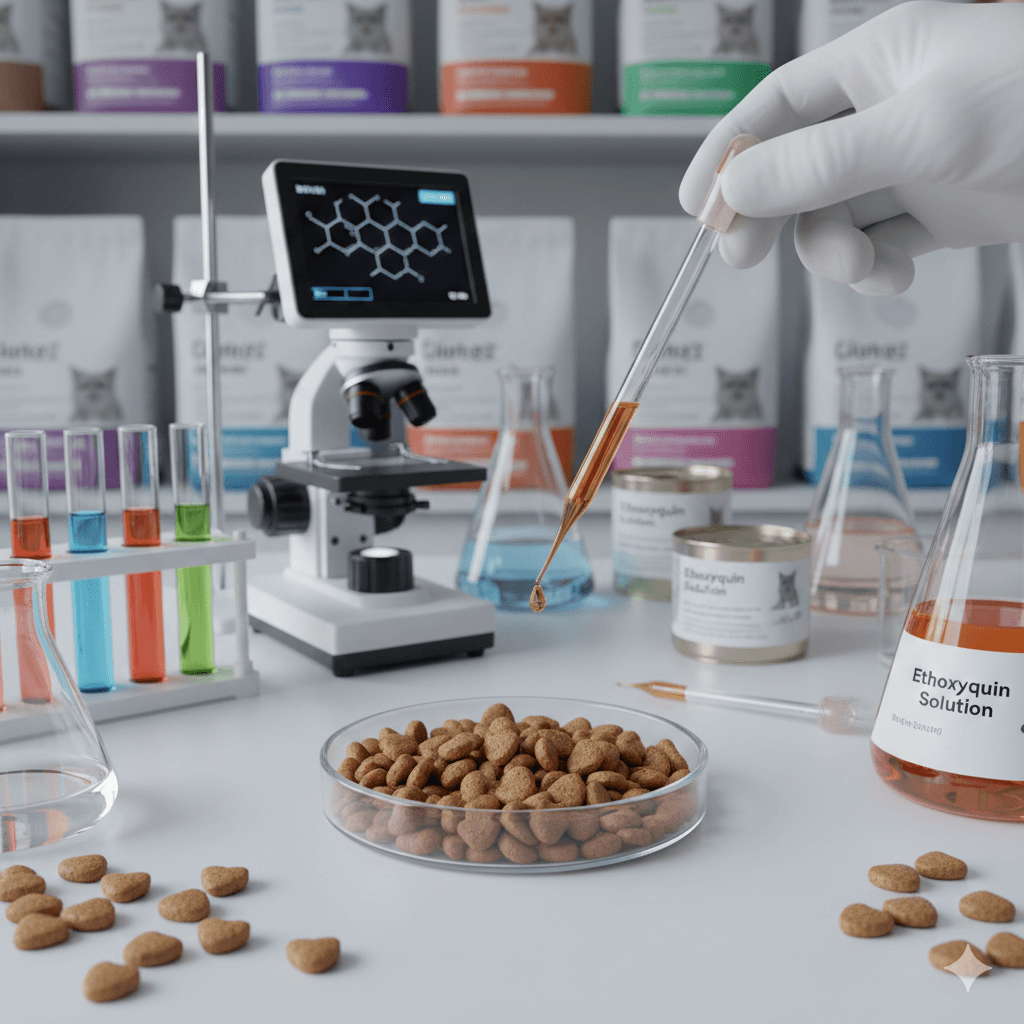
Potential Health Risks of Ethoxyquin in Cat Food
The use of ethoxyquin in cat food has raised concerns about its long-term effects on feline health. While acute toxicity is rare, chronic exposure may lead to adverse outcomes, especially in sensitive cats. Understanding these risks allows you to evaluate whether foods containing ethoxyquin are suitable for your pet.
- Liver and Kidney Stress:
Prolonged exposure to ethoxyquin may strain a cat’s liver and kidneys, organs responsible for detoxifying and excreting foreign substances. - Allergic Reactions or Sensitivities:
Some cats exhibit allergic-like symptoms, such as itching, hair loss, or gastrointestinal upset, after consuming foods with ethoxyquin. - Impact on Reproductive Health:
Studies suggest that high doses of ethoxyquin could affect fertility or fetal development in animals, though data specific to cats is limited. - Possible Link to Cancer:
While inconclusive, some research indicates that ethoxyquin metabolites might have carcinogenic properties, raising concerns among pet owners. - Behavioral Changes:
Cats exposed to ethoxyquin over time may display lethargy, irritability, or changes in appetite, signaling systemic discomfort.
These potential risks highlight the importance of monitoring your cat’s health and considering alternatives if adverse effects arise.
Check this guide 👉What Is Grain-Free Cat Food: Best 7 Expert Tips!
Check this guide 👉Can Humans Eat Cat Food? Best 7 Expert Tips!
Check this guide 👉Understanding Garlic Powder in Cat Food: Best 7 Expert Tips!
Ethoxyquin | Natural Preservatives (e.g., Tocopherols, Rosemary Extract) |
|---|---|
Synthetic antioxidant used to prevent fat oxidation | Derived from natural sources like plants and herbs |
Effective at very low concentrations | Requires higher concentrations for similar efficacy |
Linked to potential health concerns in sensitive cats | Generally considered safer and more pet-friendly |
Often found in fish-based ingredients or by-products | Commonly used in premium, grain-free, or organic pet foods |
Strictly regulated with allowable limits | No known adverse effects at typical usage levels |
How to Identify Ethoxyquin in Cat Food Labels
Ethoxyquin is not always explicitly listed on pet food labels, often appearing as part of “by-products” or under generic terms. Learning how to decode ingredient lists ensures you know exactly what’s in your cat’s food.
- Look for Generic Terms Like “Antioxidants”:
Manufacturers may group ethoxyquin under broad categories like “preservatives” or “antioxidants,” making it harder to identify directly. - Check Fish-Based Ingredients:
Ethoxyquin is commonly used to stabilize fish meal, so cat foods high in fish content are more likely to contain it unless labeled otherwise. - Research Brand Transparency:
Reputable brands often disclose whether they use ethoxyquin or avoid it entirely, either on packaging or through customer inquiries. - Understand Indirect Contamination:
Even if a brand claims to be free of ethoxyquin, cross-contamination can occur if raw materials were treated with it during processing. - Opt for Certifications:
Look for certifications like AAFCO compliance or statements about using only natural preservatives as indicators of safer formulations.
Being vigilant about labels empowers you to choose products aligned with your preferences and values.
Alternatives to Ethoxyquin in Cat Food
Concerns about ethoxyquin have led many pet owners to seek safer alternatives for preserving cat food. Natural antioxidants offer similar benefits without the associated controversies, making them a popular choice for health-conscious consumers.
- Vitamin E (Tocopherols):
Derived from plant sources, tocopherols effectively prevent fat oxidation while being gentle on a cat’s system. - Vitamin C (Ascorbic Acid):
Though less common, vitamin C provides mild antioxidant properties and supports overall immune health. - Rosemary Extract:
This herbal extract contains natural compounds that inhibit oxidation, offering a plant-based alternative to synthetic preservatives. - Mixed Tocopherols:
A blend of different forms of vitamin E enhances antioxidant activity and extends shelf life naturally. - Vacuum-Sealed Packaging:
Innovative packaging techniques reduce oxygen exposure, minimizing the need for chemical preservatives altogether.
Switching to foods with natural preservatives ensures your cat enjoys fresh, nutritious meals without unnecessary additives.
Regulations Surrounding Ethoxyquin in Pet Food
The use of ethoxyquin in pet food is subject to strict regulations designed to protect animal health and ensure consumer confidence. Understanding these guidelines sheds light on why ethoxyquin remains controversial despite its approval.
- FDA and EFSA Oversight:
Both the U.S. Food and Drug Administration (FDA) and European Food Safety Authority (EFSA) regulate ethoxyquin levels to minimize risks. - Maximum Allowable Concentration:
The permitted level of ethoxyquin in pet food is capped at 150 parts per million (ppm), below which it’s considered safe for consumption. - Ongoing Research and Reevaluation:
Regulatory agencies continuously review scientific studies to update safety assessments and address emerging concerns. - Consumer Pressure Driving Change:
Public outcry has prompted some manufacturers to voluntarily remove ethoxyquin from their formulations despite regulatory allowances. - Global Variations in Standards:
Different countries impose varying restrictions, leading to inconsistencies in ethoxyquin usage across international markets.
Staying informed about regulatory developments helps you navigate the complex landscape of pet food safety.
Signs Your Cat May Be Sensitive to Ethoxyquin
If your cat consumes food containing ethoxyquin, certain symptoms may indicate sensitivity or adverse reactions. Recognizing these signs early allows you to intervene promptly and explore alternative diets.
- Gastrointestinal Upset:
Vomiting, diarrhea, or constipation may occur within hours or days of consuming ethoxyquin-preserved food. - Skin Irritations or Hair Loss:
Some cats develop dermatitis, excessive scratching, or patchy hair loss due to systemic inflammation triggered by ethoxyquin. - Lethargy or Weakness:
A sudden drop in energy levels or reluctance to play suggests internal stress caused by toxin exposure. - Changes in Appetite or Weight Loss:
Refusal to eat or unexplained weight loss signals discomfort or dissatisfaction with the current diet. - Frequent Urination or Increased Thirst:
These symptoms may indicate kidney or liver strain, organs affected by prolonged ethoxyquin exposure.
Monitoring your cat closely helps you identify potential sensitivities and take corrective action.
How to Transition Your Cat to Ethoxyquin-Free Food
Switching your cat to an ethoxyquin-free diet requires careful planning to avoid digestive upset and ensure acceptance of the new food. Follow these steps for a smooth transition that prioritizes your cat’s well-being.
- Gradual Mixing Over 7–10 Days:
Start by blending small amounts of the new food with the old, gradually increasing the proportion until fully switched. - Monitor Digestive Health:
Watch for signs of diarrhea, vomiting, or constipation during the transition period, adjusting the pace if needed. - Choose High-Quality Brands:
Select reputable brands that explicitly state their commitment to avoiding ethoxyquin and other synthetic preservatives. - Introduce Novel Proteins Carefully:
If switching to a new protein source, introduce it slowly to prevent allergic reactions or rejection. - Consult Your Veterinarian:
Seek professional advice before making dietary changes, especially if your cat has preexisting health conditions.
A thoughtful approach to transitioning ensures your cat adapts comfortably to their new, healthier diet.
“Ethoxyquin has specific labeling and safe use requirements when added to an animal food either directly or indirectly as a component of an ingredient.” — U.S. Food and Drug Administration
Frequently Asked Questions About Ethoxyquin in Cat Food
Is ethoxyquin banned in pet food?
Ethoxyquin is not banned but is subject to strict regulatory limits in many countries; some manufacturers have voluntarily removed it due to consumer concerns.
How can I tell if my cat’s food contains ethoxyquin?
Check ingredient labels for terms like “antioxidants” or “preservatives,” and contact the manufacturer directly for clarification if needed.
Are there long-term studies on ethoxyquin’s effects?
While some studies suggest potential risks, comprehensive long-term research specific to cats remains limited, leaving questions unanswered.
What are safer alternatives to ethoxyquin?
Natural preservatives like vitamin E (tocopherols), rosemary extract, and ascorbic acid are widely regarded as safer options for pet food.
Can ethoxyquin cause cancer in cats?
Evidence linking ethoxyquin to cancer in cats is inconclusive; however, its metabolites have raised concerns in laboratory studies.
Making Informed Choices for Your Cat’s Health
Navigating the complexities of pet food ingredients can feel overwhelming, but understanding ethoxyquin’s role and risks empowers you to make choices aligned with your cat’s well-being. Whether you decide to avoid ethoxyquin entirely or opt for foods using natural preservatives, prioritizing transparency and quality ensures your feline friend enjoys a safe, nutritious diet. Remember, even small dietary changes can have a profound impact on their health and happiness—a testament to the love and care you provide every day.

Is Rawhide Bad for Cats? Best 7 Expert Tips! – Discover the risks, safe alternatives, and expert advice to keep your feline friend healthy and happy.

Is Rawhide Bad for Dogs? Best 7 Expert Tips! – Discover the risks, benefits, and safer alternatives to rawhides for your dog’s chewing needs.

Understanding Anorexia in Cats: Best 7 Expert Tips! – Learn why cats stop eating, spot warning signs, and discover how to help your feline regain appetite safely.

Understanding Anorexia in Dogs: Best 7 Expert Tips! – Learn causes, symptoms, and solutions to help your dog regain appetite and stay healthy.