
Understanding How to Stop Your Cat from Farting: A Guide to Comfort and Care
Excessive flatulence in cats can be unpleasant for both you and your feline companion, often signaling an underlying issue with their diet, digestion, or health. While occasional gas is normal, frequent or foul-smelling farts may indicate that something isn’t quite right in your cat’s gastrointestinal system. Identifying the root cause—and addressing it promptly—can improve your cat’s comfort and restore harmony to your home. With a few expert tips and adjustments, you can help your cat find relief and reduce those embarrassing moments.
Common Causes of Excessive Gas in Cats
Excessive flatulence in cats often stems from dietary or health-related factors that disrupt their delicate digestive systems. Understanding these causes is the first step toward addressing the problem effectively. Cats are obligate carnivores, meaning their bodies are designed to process animal-based proteins rather than plant-heavy or carbohydrate-rich foods. Any deviation from their natural dietary needs can lead to gas production. Additionally, underlying health conditions may exacerbate the issue, making it crucial to identify and address the root cause promptly.
- Poor-Quality Cat Food:
Low-cost commercial foods often contain fillers like corn, soy, or grains that are difficult for cats to digest, leading to fermentation in the gut and gas buildup. - Sudden Diet Changes:
Switching your cat’s food abruptly without a gradual transition can upset their gut flora, causing excessive gas as their system struggles to adapt. - Food Intolerances or Allergies:
Ingredients like dairy, gluten, or certain proteins (e.g., chicken, beef) may trigger digestive issues in sensitive cats, resulting in bloating and flatulence. - Overeating or Eating Too Quickly:
Cats that gobble their food too fast tend to swallow excess air, which contributes to gas formation and discomfort after meals. - Underlying Health Conditions:
Gastrointestinal disorders such as inflammatory bowel disease (IBD), parasites, or pancreatitis can impair digestion and lead to chronic flatulence.
Identifying whether the issue is dietary or health-related ensures you take the right steps to alleviate your cat’s discomfort and restore their digestive balance.
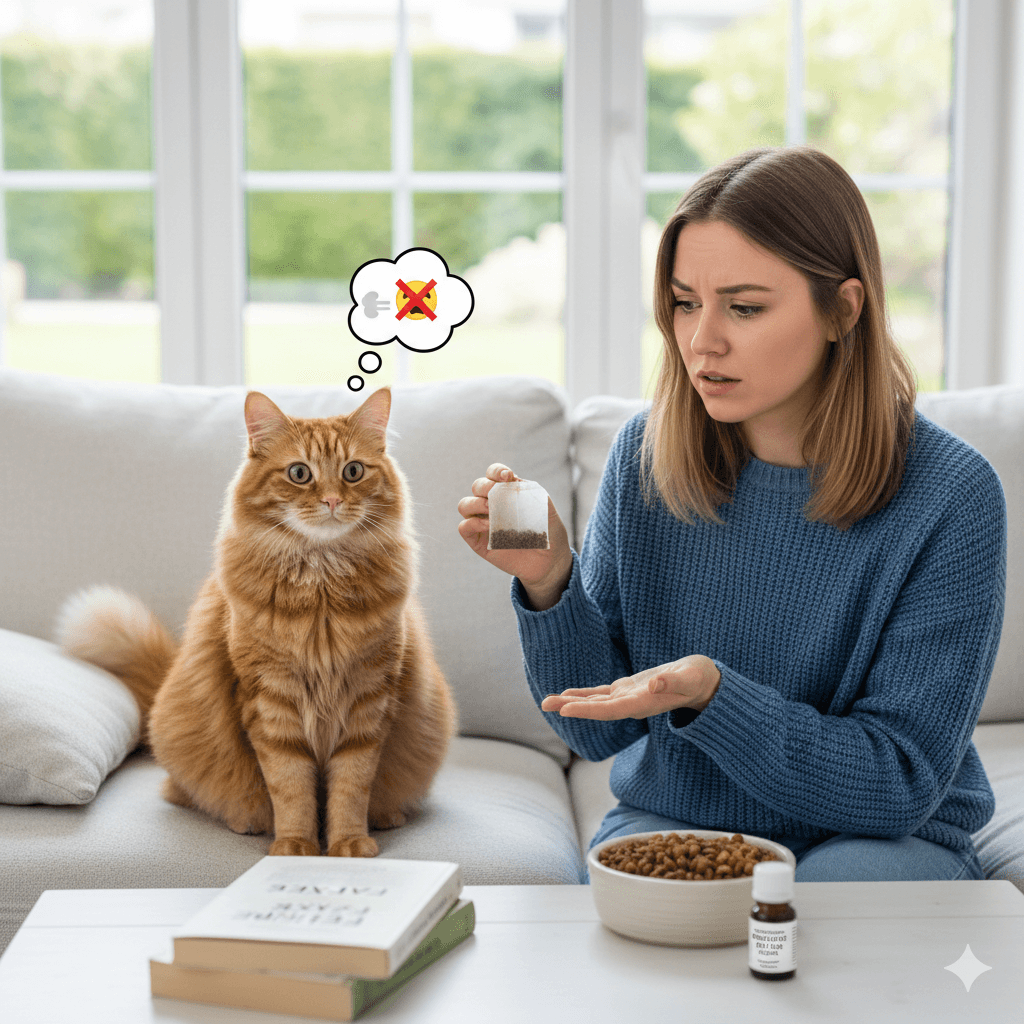
How Diet Impacts Your Cat’s Digestive Health
Your cat’s diet plays a pivotal role in maintaining their digestive health and minimizing gas production. Feeding them species-appropriate, high-quality food not only supports their overall well-being but also reduces the likelihood of flatulence. Cats lack the enzymes needed to break down certain carbohydrates and fibers, making it essential to tailor their meals to their unique nutritional requirements. By understanding how different foods affect their gut, you can make informed choices that promote better digestion and reduce embarrassing odors.
- High-Protein, Low-Carb Diets:
Cats thrive on diets rich in animal-based proteins and low in carbohydrates, which align with their natural dietary needs and minimize fermentation in the gut. - Avoiding Plant-Based Ingredients:
Foods containing peas, lentils, or other legumes can ferment in the colon, producing gas and discomfort for your feline companion. - Limited Treats and Table Scraps:
Feeding your cat human foods or excessive treats disrupts their balanced diet and introduces ingredients their stomachs aren’t equipped to handle. - Moisture-Rich Foods:
Wet or raw diets provide hydration and easier digestion compared to dry kibble, reducing the risk of constipation and associated gas buildup. - Probiotic Supplements:
Adding probiotics to your cat’s diet supports healthy gut bacteria, improving digestion and reducing flatulence caused by microbial imbalances.
By focusing on a nutritionally appropriate diet, you can significantly reduce your cat’s flatulence and improve their overall digestive health.
Check this guide 👉Are Worms in Cat Poop Contagious? Best 7 Expert Tips!
Check this guide 👉How to Make a Cat Poop Instantly: Best 7 Expert Tips!
Check this guide 👉Roundworm Eggs in Cat Poop: Best 7 Expert Tips!
Foods to Include | Foods to Avoid |
|---|---|
High-quality animal proteins (chicken, turkey, fish) | Dairy products like milk, cheese, or yogurt |
Grain-free or limited-ingredient diets | Carbohydrate-heavy fillers (corn, soy, wheat) |
Moisture-rich wet or raw food | Legumes such as peas, lentils, or beans |
Probiotic supplements or fermented foods | Processed treats with artificial additives |
Hypoallergenic options for sensitive cats | Table scraps or human foods high in fat |
Signs That Your Cat’s Farting Is a Health Concern
While occasional gas is normal, persistent or foul-smelling flatulence can indicate an underlying health issue that requires attention. Monitoring your cat’s behavior and symptoms helps you determine whether their gas is harmless or a sign of something more serious. Cats are masters at hiding discomfort, so subtle changes in their habits or demeanor may signal distress. Recognizing these signs ensures you seek veterinary care promptly when necessary.
- Excessive Bloating or Distension:
A visibly swollen abdomen suggests trapped gas or gastrointestinal blockages, both of which require immediate evaluation. - Frequent Vomiting or Regurgitation:
Vomiting alongside flatulence points to digestive dysfunction, possibly caused by food intolerance or intestinal obstruction. - Changes in Stool Consistency:
Diarrhea, constipation, or mucus-laden stools often accompany excessive gas and reflect an inflamed or irritated gut. - Lethargy or Loss of Appetite:
If your cat seems unusually tired or refuses meals, it could indicate pain or systemic illness related to digestive issues. - Foul-Smelling Gas:
Strong, offensive odors suggest bacterial overgrowth or undigested food fermenting in the intestines, warranting further investigation.
Addressing these symptoms early prevents complications and ensures your cat receives the care they need to feel better.
Steps to Reduce Flatulence Through Diet Adjustments
Making thoughtful changes to your cat’s diet can dramatically reduce flatulence and improve their overall comfort. Since diet is often the primary culprit behind excessive gas, fine-tuning what and how you feed your cat can yield significant results. These adjustments focus on eliminating problematic ingredients, promoting better digestion, and ensuring your cat’s meals are tailored to their unique needs.
- Gradual Food Transitions:
Switching foods slowly over 7–10 days allows your cat’s gut flora to adjust, preventing digestive upset and gas buildup. - Choosing Grain-Free Options:
Grain-free or limited-ingredient diets reduce the risk of triggering intolerances or allergies that contribute to flatulence. - Eliminating Dairy Products:
Most adult cats are lactose intolerant, and consuming dairy leads to gas, bloating, and diarrhea due to incomplete digestion. - Feeding Smaller, Frequent Meals:
Breaking meals into smaller portions throughout the day prevents overeating and reduces the likelihood of swallowing excess air. - Using Slow Feeders:
Slow feeders encourage your cat to eat at a measured pace, minimizing swallowed air and subsequent gas formation.
These dietary strategies not only reduce flatulence but also enhance your cat’s overall digestive health and well-being.
When to Consult a Veterinarian About Flatulence
While dietary tweaks often resolve mild cases of flatulence, some situations require professional veterinary intervention. Persistent or severe gas accompanied by other symptoms indicates a deeper issue that needs expert diagnosis and treatment. Knowing when to consult your vet ensures your cat receives timely care and avoids prolonged discomfort.
- Unexplained Weight Loss:
Sudden or gradual weight loss alongside flatulence suggests malabsorption or a systemic health condition requiring investigation. - Chronic Diarrhea or Constipation:
Long-term digestive irregularities point to underlying problems like IBD, parasites, or food sensitivities that need targeted treatment. - Blood in Stool or Vomit:
The presence of blood signals serious gastrointestinal distress or infection, necessitating urgent veterinary attention. - Behavioral Changes:
Increased aggression, hiding, or vocalization may indicate pain or discomfort linked to digestive issues. - No Improvement After Diet Changes:
If flatulence persists despite dietary adjustments, further diagnostics like blood work or imaging may be necessary to identify the root cause.
Prompt veterinary care addresses potential complications and restores your cat’s health and happiness.
Preventing Future Episodes of Excessive Gas
Preventing future episodes of flatulence involves proactive measures to maintain your cat’s digestive health and minimize triggers. By implementing consistent routines and monitoring your cat’s habits, you can create a stable environment that supports their well-being. Prevention focuses on long-term strategies that reduce the likelihood of recurring digestive issues.
- Regular Vet Check-Ups:
Routine exams catch underlying health problems before they escalate into chronic conditions affecting digestion. - Maintaining a Consistent Diet:
Sticking to a high-quality, species-appropriate diet prevents sudden disruptions to your cat’s gut flora and minimizes gas production. - Monitoring Food Tolerances:
Keeping a log of foods your cat tolerates well helps you avoid ingredients that trigger flatulence or digestive upset. - Providing Mental and Physical Stimulation:
Reducing stress through play and environmental enrichment prevents anxiety-related digestive issues like gas or vomiting. - Ensuring Adequate Hydration:
Encouraging water intake through fresh bowls or wet food supports digestion and prevents constipation-induced flatulence.
Preventive measures ensure your cat enjoys optimal digestive health and fewer instances of uncomfortable gas.
Long-Term Management for Chronic Flatulence
For cats prone to chronic flatulence, long-term management strategies are essential to maintain their quality of life. Addressing ongoing digestive challenges requires a combination of dietary modifications, veterinary oversight, and lifestyle adjustments. By staying vigilant and responsive to your cat’s needs, you can manage their symptoms effectively and prevent complications.
- Customized Meal Plans:
Working with a vet or veterinary nutritionist to design a tailored diet ensures your cat receives the nutrients they need without triggering gas. - Supplementing with Digestive Enzymes:
Digestive enzyme supplements aid in breaking down food properly, reducing fermentation and gas production in the gut. - Addressing Underlying Conditions:
Managing chronic illnesses like IBD, pancreatitis, or diabetes improves overall digestive function and reduces flatulence. - Tracking Symptoms Over Time:
Keeping detailed records of your cat’s symptoms helps identify patterns and assess the effectiveness of interventions. - Adjusting Portions and Feeding Times:
Optimizing portion sizes and feeding schedules ensures your cat digests meals efficiently, minimizing gas buildup.
With patience and persistence, long-term management fosters a healthier, happier cat free from persistent flatulence.
Frequently Asked Questions About Cat Flatulence
Why does my cat fart so much?
Excessive flatulence in cats is often caused by dietary issues, such as poor-quality food, food intolerances, or overeating. Underlying health conditions may also contribute.
Is it normal for cats to fart occasionally?
Yes—occasional gas is normal, but frequent or foul-smelling farts indicate a potential problem that needs attention.
Can I give my cat probiotics for gas?
Yes, probiotics are safe and effective for improving gut health and reducing flatulence in cats. Choose feline-specific formulas for best results.
Should I switch my cat’s food if they’re farting a lot?
Switching to a high-protein, grain-free diet may help, but transition gradually over 7–10 days to avoid upsetting their digestive system further.
When should I take my cat to the vet for farting?
Consult a vet if the flatulence persists despite dietary changes, or if accompanied by symptoms like vomiting, diarrhea, weight loss, or lethargy.
Supporting Your Cat’s Digestive Health Long-Term
Flatulence in cats doesn’t have to be a persistent problem—with the right approach, you can address the root causes and restore harmony to your home. By focusing on high-quality nutrition, consistent routines, and proactive veterinary care, you empower your cat to live comfortably and healthily. Remember, every small step you take contributes to their overall well-being and strengthens the bond you share. Whether it’s choosing the right food, monitoring their habits, or seeking professional advice, your dedication makes all the difference. Together, you and your feline companion can overcome this challenge and enjoy many happy, odor-free moments ahead.
How to Taper Off Prednisone for Cats: Best 7 Expert Tips! – Safely reduce prednisone with vet guidance. Learn now!
How to Taper Off Prednisone Schedule for Dogs: Best 7 Tips! – Learn the safe way to reduce prednisone, recognize withdrawal signs, and keep your dog healthy during the process.

Can a Cat Scratch Give You Rabies? Best 7 Expert Tips! – Learn how rabies spreads, assess risks from cat scratches, and know when to seek medical help. Stay safe!

Can a Dog Scratch Give You Rabies? Best 7 Expert Tips! – Learn the risks, symptoms, and steps to take if scratched by a dog. Stay informed and protect yourself from rabies exposure.