
Understanding Naproxen for Cats: Risks, Uses, and Alternatives
Naproxen, a common nonsteroidal anti-inflammatory drug (NSAID) used in humans, can be extremely dangerous for cats—even in small doses. While it may seem tempting to treat your cat’s pain or inflammation with over-the-counter medications, naproxen is not safe for feline use and can lead to severe complications such as kidney failure or gastrointestinal ulcers. Understanding the risks and exploring safer alternatives ensures you provide the best care for your furry companion while avoiding life-threatening mistakes.
Why Naproxen Is Dangerous for Cats
Naproxen, commonly found in human pain relief medications like Aleve, poses significant risks to cats due to their unique physiology. Unlike humans, cats metabolize drugs differently, making them highly sensitive to even small doses of NSAIDs. Understanding why naproxen is so dangerous helps prevent accidental poisoning and ensures your cat’s safety.
- Kidney Damage and Failure:
Cats lack certain liver enzymes needed to break down naproxen, leading to toxic buildup in the kidneys. This can cause acute kidney injury or chronic failure over time. Symptoms include increased thirst, frequent urination, vomiting, and lethargy. - Gastrointestinal Ulcers:
The drug irritates the stomach lining, potentially causing ulcers that result in bloody vomit or black, tarry stools. These ulcers are painful and can lead to severe internal bleeding if untreated. - Central Nervous System Effects:
High doses of naproxen can affect the brain, leading to seizures, disorientation, or difficulty walking. Neurological symptoms indicate advanced toxicity and require immediate veterinary attention. - Delayed Onset of Symptoms:
Unlike some toxins, naproxen’s effects may not appear immediately. It can take 12–48 hours for signs of poisoning to manifest, making it harder for owners to connect the dots between ingestion and illness. - Cumulative Toxicity Risk:
Even tiny amounts ingested repeatedly (e.g., through shared medication) accumulate in a cat’s system, increasing the likelihood of irreversible damage. There is no “safe” dose of naproxen for cats under any circumstances.
Given these dangers, it’s crucial to keep naproxen—and all human medications—well out of reach of curious paws. Prevention truly is the best medicine when it comes to protecting your cat from this potentially deadly drug.
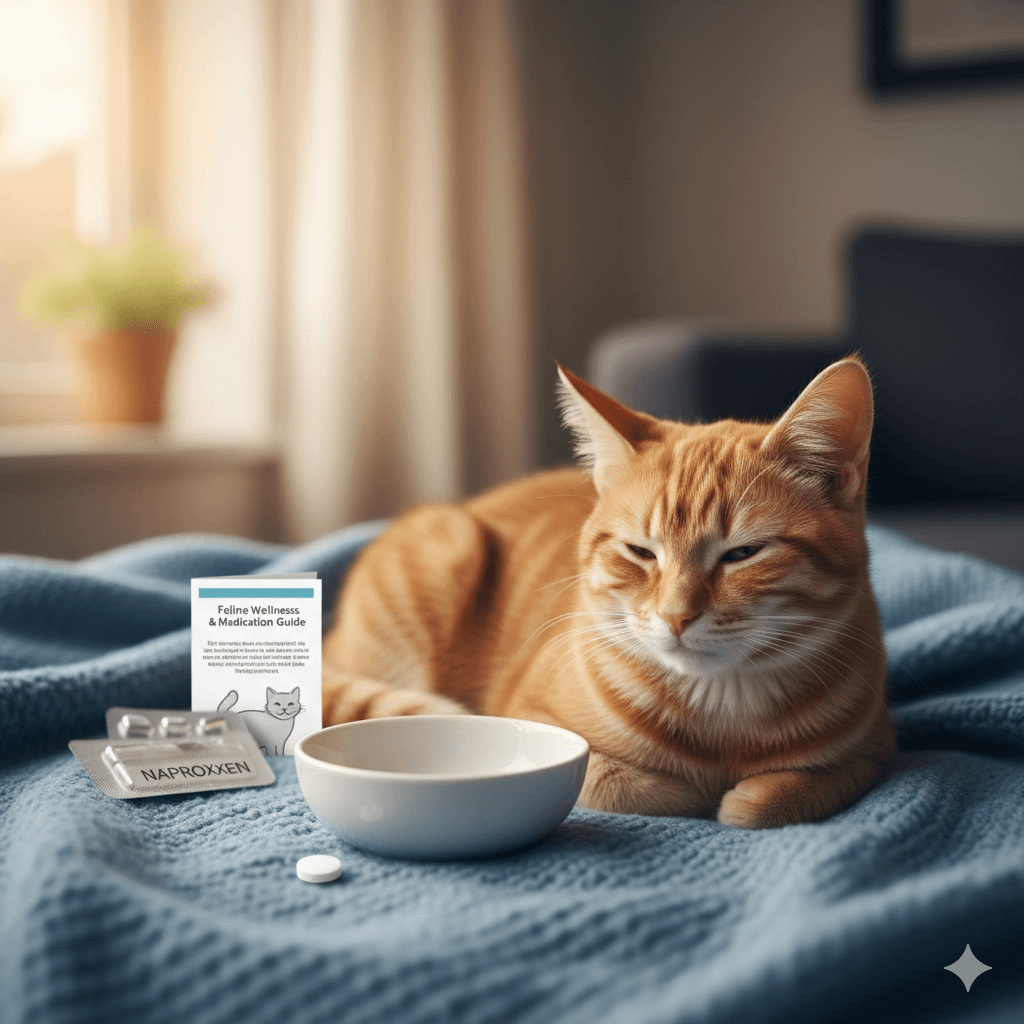
Common Symptoms of Naproxen Toxicity in Cats
If your cat accidentally ingests naproxen, recognizing the symptoms early can save their life. Because cats often hide signs of illness until they’re severely affected, vigilance is key. Here’s what to watch for:
- Vomiting and Diarrhea:
Gastrointestinal upset is one of the earliest signs; vomit may contain blood, and diarrhea might appear dark or tarry due to internal bleeding. - Lethargy and Weakness:
Toxicity saps your cat’s energy, leaving them unusually quiet or unwilling to engage in normal activities like playing or eating. - Loss of Appetite:
A sudden refusal to eat meals or treats signals discomfort or systemic distress caused by naproxen’s impact on vital organs. - Increased Thirst and Urination:
Excessive drinking and frequent trips to the litter box point to kidney stress or failure—a hallmark of naproxen toxicity in cats. - Jaundice or Pale Gums:
Yellowing of the skin or gums indicates liver damage, while pale gums suggest anemia or internal bleeding. Both are serious red flags requiring emergency care.
These symptoms worsen over time without treatment, so acting quickly at the first sign of trouble is essential. If you suspect naproxen ingestion, don’t wait—contact your vet immediately.
Check this guide 👉Pedialyte for Dogs: Best 7 Expert Tips!
Check this guide 👉Acupuncture for Dogs: Best 7 Expert Tips!
Check this guide 👉Sarolaner for Dogs: Best 7 Expert Tips!
Early Warning Signs of Naproxen Toxicity | Immediate Actions to Take |
|---|---|
Vomiting (may contain blood) | Call your vet or pet poison hotline immediately |
Diarrhea (dark or tarry stools) | Avoid inducing vomiting without professional advice |
Increased thirst and urination | Monitor your cat’s behavior and symptoms closely |
Lethargy or weakness | Keep your cat calm and restrict activity |
Jaundice or pale gums | Bring naproxen packaging or details about ingestion to the vet |
Immediate First Aid Steps If Your Cat Ingests Naproxen
Time is critical if your cat consumes naproxen. While professional veterinary care is always the priority, taking immediate steps at home can stabilize your pet until you reach the clinic. Follow these guidelines carefully:
- Do Not Induce Vomiting Without Guidance:
Forcing vomiting can worsen irritation or aspiration risks unless explicitly instructed by a veterinarian or poison control expert. - Call a Pet Poison Helpline:
Experts provide tailored advice based on your cat’s weight, breed, and the amount of naproxen ingested. Have the packaging handy for accurate information. - Offer Fresh Water:
Encourage hydration to help flush toxins from the system, but never force your cat to drink. Monitor water intake closely. - Keep Your Cat Calm and Restrict Activity:
Minimize movement to reduce strain on the kidneys and other organs. Create a quiet space away from noise or stressors. - Prepare for Emergency Care:
Bring any remaining naproxen tablets or packaging to the vet appointment. This helps the vet assess toxicity levels accurately and plan treatment accordingly.
Quick thinking and calm action improve your cat’s chances of recovery significantly. Remember, every second counts in cases of naproxen poisoning.
Veterinary Treatment for Naproxen Toxicity
Veterinarians use a combination of therapies to manage naproxen toxicity, focusing on stabilizing your cat and preventing long-term damage. Early intervention improves outcomes dramatically.
- Activated Charcoal Administration:
Charcoal binds to toxins in the stomach, reducing further absorption into the bloodstream. Multiple doses may be required depending on exposure levels. - IV Fluid Therapy:
Intravenous fluids support hydration, promote toxin elimination via urine, and protect kidney function during the critical detoxification phase. - Gastric Protectants:
Medications like sucralfate coat the stomach lining, preventing or healing ulcers caused by naproxen’s corrosive effects. - Blood Tests and Monitoring:
Complete blood counts and chemistry panels track organ function, detect anemia, and guide ongoing treatment decisions. - Hospitalization for Severe Cases:
Prolonged observation ensures recovery and addresses complications such as seizures, kidney shutdown, or gastrointestinal perforation.
Modern veterinary care offers excellent chances of recovery with prompt treatment, but prevention remains far safer than cure.
Safe Alternatives to Naproxen for Cats
If your cat is experiencing pain or inflammation, there are safer alternatives specifically formulated for feline use. Always consult your vet before administering any medication, even those labeled “pet-safe.”
- Meloxicam (Metacam):
This NSAID is FDA-approved for cats and provides effective pain relief when used under veterinary supervision. Dosage must be precise to avoid side effects. - Gabapentin:
Originally developed for nerve pain, gabapentin is now widely prescribed for chronic pain management in cats. It’s gentle on the kidneys and easy to administer. - Tramadol:
An opioid-like pain reliever, tramadol offers moderate relief for acute or chronic conditions without harming the kidneys. - Topical Treatments:
Lidocaine patches or creams target localized pain without systemic side effects, though they should only be applied where cats cannot lick them off. - Natural Remedies:
Options like omega-3 fatty acids, turmeric supplements, or CBD oil (with vet approval) support joint health and reduce inflammation naturally.
Always prioritize medications designed for cats to avoid tragic mistakes. Human drugs are simply too risky for our feline friends.
Preventing Accidental Naproxen Exposure
Prevention is the most effective way to protect your cat from naproxen toxicity. Simple precautions reduce the risk of accidental ingestion and ensure a safer home environment.
- Secure Medication Storage:
Keep all medications—prescription and over-the-counter—in childproof containers stored high up or locked away from curious pets. - Educate Family Members:
Ensure everyone in the household understands which substances are unsafe for cats and avoids sharing food or medications. - Dispose of Unused Medications Properly:
Flush unused pills down the toilet or mix them with undesirable materials (like coffee grounds) before disposal to deter scavenging. - Train “Leave It” Commands:
Teaching this command prevents your cat from investigating dropped items or unknown objects. - Use Pet-Safe Cleaning Products:
Some cleaning agents contain naproxen derivatives or similar toxins; opt for pet-friendly alternatives instead.
Proactive measures minimize risks and promote a healthier, happier life for your furry companion.
Long-Term Effects of Naproxen Toxicity
While many cats recover fully with prompt treatment, some cases result in lingering effects that require ongoing management. Understanding these possibilities prepares you for long-term care needs.
- Chronic Kidney Disease:
Severe damage to the kidneys may lead to lifelong renal insufficiency, requiring special diets, medications, and regular monitoring. - Persistent Gastrointestinal Issues:
Ulcers or scarring can cause recurring digestive problems, necessitating dietary adjustments or protective medications. - Behavioral Changes:
Some cats become more anxious or withdrawn after traumatic health episodes, requiring patience and reassurance from their owners. - Increased Veterinary Costs:
Frequent check-ups, lab work, and treatments add up quickly, emphasizing the importance of preventative measures. - Heightened Sensitivity to Toxins:
Once exposed to naproxen, cats may have reduced tolerance for other medications or environmental hazards.
Early recognition and consistent care mitigate long-term impacts, allowing your cat to thrive despite past challenges.
Naproxen (commonly sold as Aleve) is never safe for cats, even in tiny amounts, as felines lack the enzymes needed to metabolize this NSAID properly. “Unfortunately, naproxen is poisonous to both dogs and cats. Just one tablet can cause poisoning and even death in a large pet.”
Frequently Asked Questions About Naproxen and Cats
Can I give my cat a small dose of naproxen for pain?
No—there is no safe dose of naproxen for cats. Even tiny amounts can cause severe kidney damage, ulcers, or worse. Always consult your vet for safe alternatives.
How long does it take for naproxen toxicity symptoms to appear?
Symptoms may not show up for 12–48 hours after ingestion, making early detection challenging. This delayed onset underscores the importance of acting quickly if you suspect exposure.
What should I do if my cat eats a pill accidentally?
Contact your veterinarian or a pet poison control center immediately. Do not induce vomiting unless instructed by a professional, as this could worsen complications.
Are there any safe human medications for cats?
Very few human medications are safe for cats, and none should be given without explicit veterinary approval. Drugs like acetaminophen and ibuprofen are also highly toxic.
How can I prevent accidental naproxen ingestion?
Store all medications securely, educate family members about risks, and supervise your cat around potentially hazardous items. Prevention is always better than treatment.
A Lifeline in Every Moment of Crisis
Discovering that your cat has ingested naproxen can be terrifying, but staying calm and informed makes all the difference. By recognizing symptoms, acting swiftly, and working closely with your veterinarian, you give your feline friend the best chance at recovery. Prevention remains the cornerstone of safety—simple precautions like secure storage and education ensure your home remains a haven for your beloved pet. Remember, your vigilance and quick thinking are the ultimate safeguards against accidental poisoning—and the foundation of a lifetime of love and trust.

Is Rawhide Bad for Cats? Best 7 Expert Tips! – Discover the risks, safe alternatives, and expert advice to keep your feline friend healthy and happy.

Is Rawhide Bad for Dogs? Best 7 Expert Tips! – Discover the risks, benefits, and safer alternatives to rawhides for your dog’s chewing needs.

Understanding Anorexia in Cats: Best 7 Expert Tips! – Learn why cats stop eating, spot warning signs, and discover how to help your feline regain appetite safely.

Understanding Anorexia in Dogs: Best 7 Expert Tips! – Learn causes, symptoms, and solutions to help your dog regain appetite and stay healthy.