
Can You Use Neosporin on Cat Hot Spots?
Hot spots, also known as acute moist dermatitis, are a common and uncomfortable skin condition in cats that can escalate quickly if left untreated. These inflamed, irritated patches of skin often result from allergies, flea bites, or underlying infections, causing your cat to lick, chew, or scratch excessively. While Neosporin is a popular over-the-counter ointment for minor wounds in humans, its use on cats requires careful consideration. Understanding the risks and benefits ensures you provide safe and effective care for your feline friend’s hot spots without compromising their health.
What Are Hot Spots and Why Do They Occur in Cats?
Hot spots, or acute moist dermatitis, are painful, inflamed areas of skin that develop when a cat excessively licks, bites, or scratches a specific area. These lesions can appear suddenly and worsen rapidly if not addressed promptly. Understanding the root causes helps you prevent future outbreaks and provide targeted care for your cat’s comfort.
- Allergic Reactions:
Food allergies, environmental allergens like pollen or dust mites, and flea saliva often trigger intense itching, leading to self-trauma and hot spots. - Parasite Infestations:
Fleas, ticks, and mites irritate the skin, causing cats to scratch obsessively. This behavior creates open wounds that become susceptible to infection. - Bacterial Infections:
Secondary bacterial infections frequently accompany hot spots, exacerbating inflammation and making the condition more challenging to resolve. - Stress or Anxiety:
Cats experiencing stress, such as changes in their environment or routine, may resort to over-grooming as a coping mechanism, damaging their skin. - Underlying Health Conditions:
Conditions like arthritis, ear infections, or hormonal imbalances can cause discomfort, prompting excessive licking or chewing of affected areas.
Addressing these underlying triggers is essential for long-term management, as untreated hot spots can lead to chronic skin issues or systemic infections.
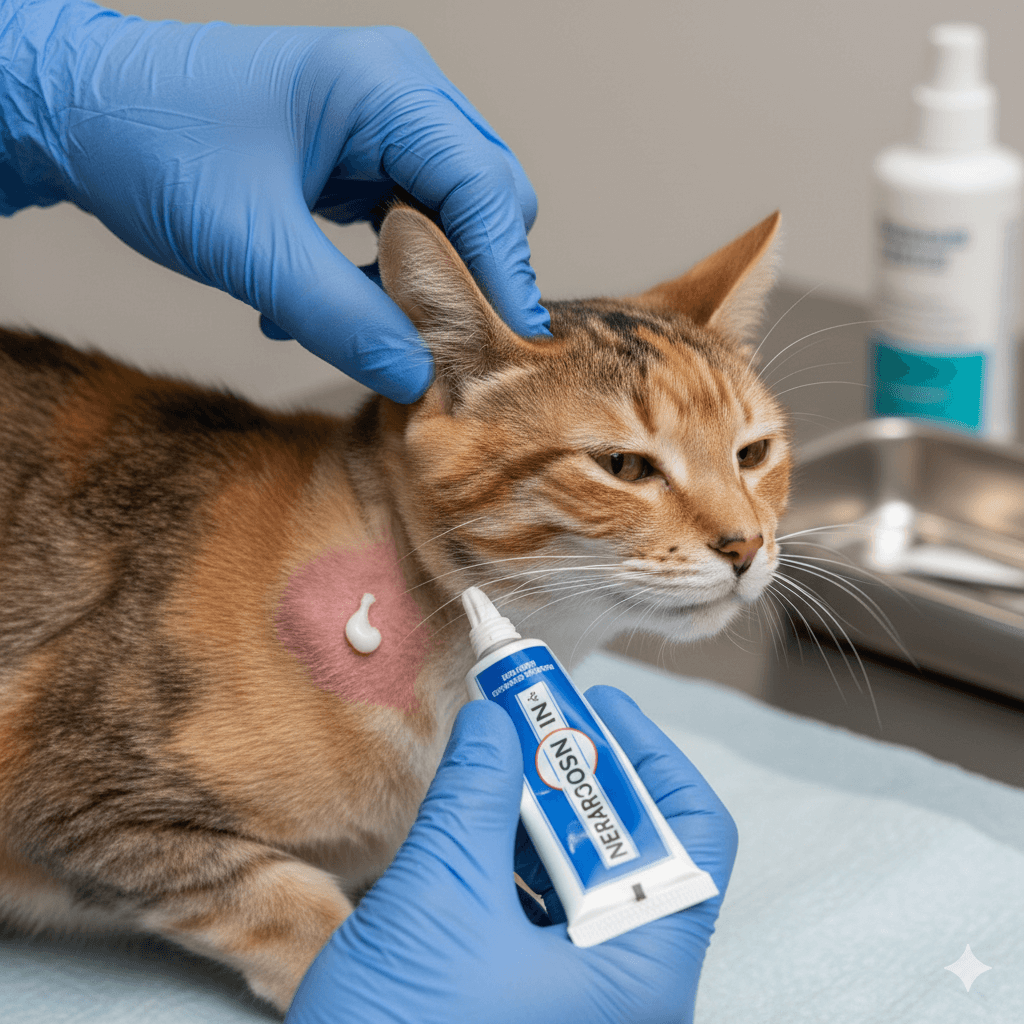
Is Neosporin Safe for Cats with Hot Spots?
Neosporin is a widely used topical antibiotic ointment designed to treat minor cuts, scrapes, and infections in humans. However, its safety for cats depends on several factors, including the formulation and your cat’s behavior. Understanding its composition and potential risks ensures responsible use.
- Active Ingredients in Neosporin:
Neosporin typically contains bacitracin, neomycin, and polymyxin B—antibiotics effective against certain bacteria but not always suitable for feline skin. - Risk of Ingestion:
Cats are notorious groomers, and applying Neosporin to hot spots increases the likelihood of ingestion, which can be toxic due to the presence of these antibiotics. - Pain Relief Misconceptions:
Some pet owners mistakenly believe Neosporin provides pain relief, but it lacks ingredients specifically formulated to soothe feline skin irritation. - Potential Allergic Reactions:
Certain cats may develop allergic reactions to Neosporin’s components, worsening the hot spot or triggering additional symptoms like swelling or redness. - Veterinary Alternatives:
Safer options, such as vet-prescribed topical treatments or medicated shampoos, are tailored to address hot spots without risking toxicity or side effects.
While Neosporin may seem convenient, consulting a veterinarian before use ensures your cat receives appropriate and safe care.
Check this guide 👉Common Cat Skin Infections: Best 7 Expert Tips!
Check this guide 👉Understanding Cat Skin Cancer: Best 7 Expert Tips!
Check this guide 👉Why Is My Cat Skinny but Always Eating? Best 7 Expert Tips!
Safe Alternatives to Neosporin | Signs Your Cat Needs Immediate Vet Care |
|---|---|
Medicated shampoos for cats | Severe swelling or redness around the hot spot |
Vet-prescribed topical antibiotics | Pus, bleeding, or oozing from the lesion |
Natural remedies like aloe vera gel (vet-approved) | Lethargy or refusal to eat due to discomfort |
Hydrocortisone sprays for feline use | Aggressive behavior indicating extreme pain |
Oral antibiotics for deeper infections | Recurring hot spots despite home treatment |
Common Symptoms of Hot Spots in Cats
Recognizing the signs of hot spots early allows you to intervene before the condition worsens. These symptoms often indicate significant discomfort, requiring prompt attention to alleviate your cat’s suffering.
- Red, Inflamed Skin:
Hot spots appear as angry, red patches of skin that may feel warm to the touch due to inflammation and infection. - Hair Loss Around the Area:
Excessive licking or scratching leads to patchy hair loss, exposing raw, irritated skin beneath the fur. - Moist or Oozing Lesions:
The affected area often becomes moist or produces pus, indicating a secondary bacterial infection that requires treatment. - Intense Itching or Scratching:
Cats with hot spots exhibit persistent grooming behaviors, sometimes to the point of self-mutilation, as they attempt to relieve discomfort. - Behavioral Changes:
Irritation from hot spots may cause lethargy, restlessness, or aggression, reflecting your cat’s distress and need for intervention.
Early detection and treatment prevent complications, ensuring your cat regains comfort and resumes normal activities.
How to Safely Treat Hot Spots at Home
While veterinary care is ideal, mild hot spots can often be managed at home with proper techniques and products. Following these steps minimizes the risk of worsening the condition and promotes healing.
- Trim the Affected Area:
Carefully clip the fur around the hot spot to improve airflow and reduce moisture, which slows bacterial growth and aids recovery. - Clean the Area Gently:
Use a vet-recommended antiseptic wash or diluted chlorhexidine solution to cleanse the lesion without irritating the sensitive skin further. - Apply Vet-Approved Topical Treatments:
Medicated sprays, creams, or gels designed for cats provide targeted relief and combat infection without posing ingestion risks. - Prevent Licking or Chewing:
Use an Elizabethan collar (cone) or inflatable collar to deter your cat from aggravating the hot spot during the healing process. - Monitor Progress Daily:
Check the lesion regularly for signs of improvement or worsening, adjusting care as needed and seeking veterinary help if no progress occurs.
Consistent, gentle care at home supports faster healing while reducing the likelihood of recurrence.
When to Seek Veterinary Care for Hot Spots
While home remedies can help mild cases, certain situations demand immediate professional intervention. Recognizing these scenarios ensures your cat receives timely treatment to prevent complications.
- Severe Inflammation or Swelling:
Extensive redness, swelling, or spreading of the hot spot indicates a deeper infection requiring antibiotics or advanced care. - Signs of Systemic Illness:
Fever, lethargy, or loss of appetite suggests the infection has spread beyond the skin, necessitating urgent evaluation. - Persistent or Recurring Hot Spots:
Chronic hot spots signal underlying health issues, such as allergies or parasites, that must be diagnosed and treated by a vet. - Uncontrolled Bleeding or Oozing:
Excessive discharge or bleeding from the lesion requires professional cleaning and wound management to prevent further damage. - Aggressive Behavior Due to Pain:
If your cat becomes unusually aggressive or withdrawn, it may be experiencing significant discomfort that only a vet can address effectively.
Prompt veterinary involvement prevents minor issues from escalating into major health concerns.
Preventing Hot Spots in Cats
Prevention is key to avoiding the discomfort and frustration associated with hot spots. Implementing proactive measures reduces the likelihood of outbreaks and keeps your cat’s skin healthy.
- Regular Flea and Parasite Control:
Use veterinarian-approved flea preventatives to eliminate parasites that irritate the skin and trigger excessive grooming. - Balanced Diet and Hydration:
A nutrient-rich diet strengthens the immune system and promotes healthy skin, reducing susceptibility to allergies and infections. - Routine Grooming:
Regular brushing removes loose fur and debris, preventing matting and irritation that can contribute to hot spots. - Minimize Stressors:
Create a calm environment with predictable routines to reduce anxiety-related over-grooming behaviors. - Monitor Skin Health:
Inspect your cat’s skin regularly for early signs of irritation, addressing minor issues before they escalate into hot spots.
Proactive care fosters long-term wellness, ensuring your cat remains comfortable and free from recurring skin problems.
Long-Term Management of Chronic Hot Spots
For cats prone to recurrent hot spots, ongoing management strategies are essential to maintain their quality of life. A comprehensive approach addresses both symptoms and underlying causes, promoting sustained relief.
- Allergy Testing and Management:
Identify specific allergens through testing and implement avoidance strategies or immunotherapy to minimize reactions. - Customized Skincare Regimens:
Medicated baths, sprays, or supplements tailored to your cat’s needs support skin barrier function and reduce inflammation. - Weight Management for Overweight Cats:
Excess weight increases friction and moisture in skin folds, creating an environment conducive to hot spots; maintaining a healthy weight mitigates this risk. - Behavioral Interventions:
Training techniques or environmental enrichment reduce stress-induced licking or chewing behaviors. - Regular Veterinary Check-Ups:
Frequent exams monitor skin health and detect emerging issues early, allowing for swift intervention.
A combination of medical, behavioral, and environmental adjustments empowers you to manage chronic hot spots effectively, ensuring your cat’s comfort and happiness.
“Neosporin is not recommended for routine use on cats without veterinary guidance. While small amounts applied externally may not cause serious harm, there are risks involved, especially if your cat licks the ointment — ingestion can cause vomiting, diarrhea, or more serious toxic reactions.”www.zoorithm.com
Frequently Asked Questions About Neosporin and Cat Hot Spots
Can I use Neosporin on my cat’s hot spot?
While Neosporin isn’t inherently toxic, it’s not recommended due to ingestion risks and lack of feline-specific formulation.
What should I do if my cat licks Neosporin?
Monitor your cat closely for signs of gastrointestinal upset, such as vomiting or diarrhea, and contact your vet if symptoms occur.
Are there safer alternatives to Neosporin for cats?
Yes—medicated shampoos, vet-prescribed topical treatments, and natural remedies like diluted aloe vera are safer options for feline skin care.
How can I prevent my cat from licking a hot spot?
Use an Elizabethan collar (cone) or inflatable collar to physically block access to the affected area during healing.
When does a hot spot require veterinary attention?
Seek vet care if the hot spot worsens, spreads, bleeds excessively, or is accompanied by systemic symptoms like lethargy or fever.
Supporting Your Cat Through Hot Spot Recovery
Managing hot spots in cats requires patience, vigilance, and a proactive approach to both treatment and prevention. While Neosporin may seem like a quick fix, opting for vet-recommended solutions ensures your cat’s safety and promotes faster healing. By addressing underlying causes, maintaining proper grooming routines, and minimizing stressors, you can significantly reduce the risk of future outbreaks. Remember, your cat’s skin health reflects their overall well-being—a little extra care goes a long way in keeping them comfortable and content. With love and informed decisions, you’ll help your feline friend recover fully and enjoy many happy, itch-free days ahead.

Is Rawhide Bad for Cats? Best 7 Expert Tips! – Discover the risks, safe alternatives, and expert advice to keep your feline friend healthy and happy.

Is Rawhide Bad for Dogs? Best 7 Expert Tips! – Discover the risks, benefits, and safer alternatives to rawhides for your dog’s chewing needs.

Understanding Anorexia in Cats: Best 7 Expert Tips! – Learn why cats stop eating, spot warning signs, and discover how to help your feline regain appetite safely.

Understanding Anorexia in Dogs: Best 7 Expert Tips! – Learn causes, symptoms, and solutions to help your dog regain appetite and stay healthy.