
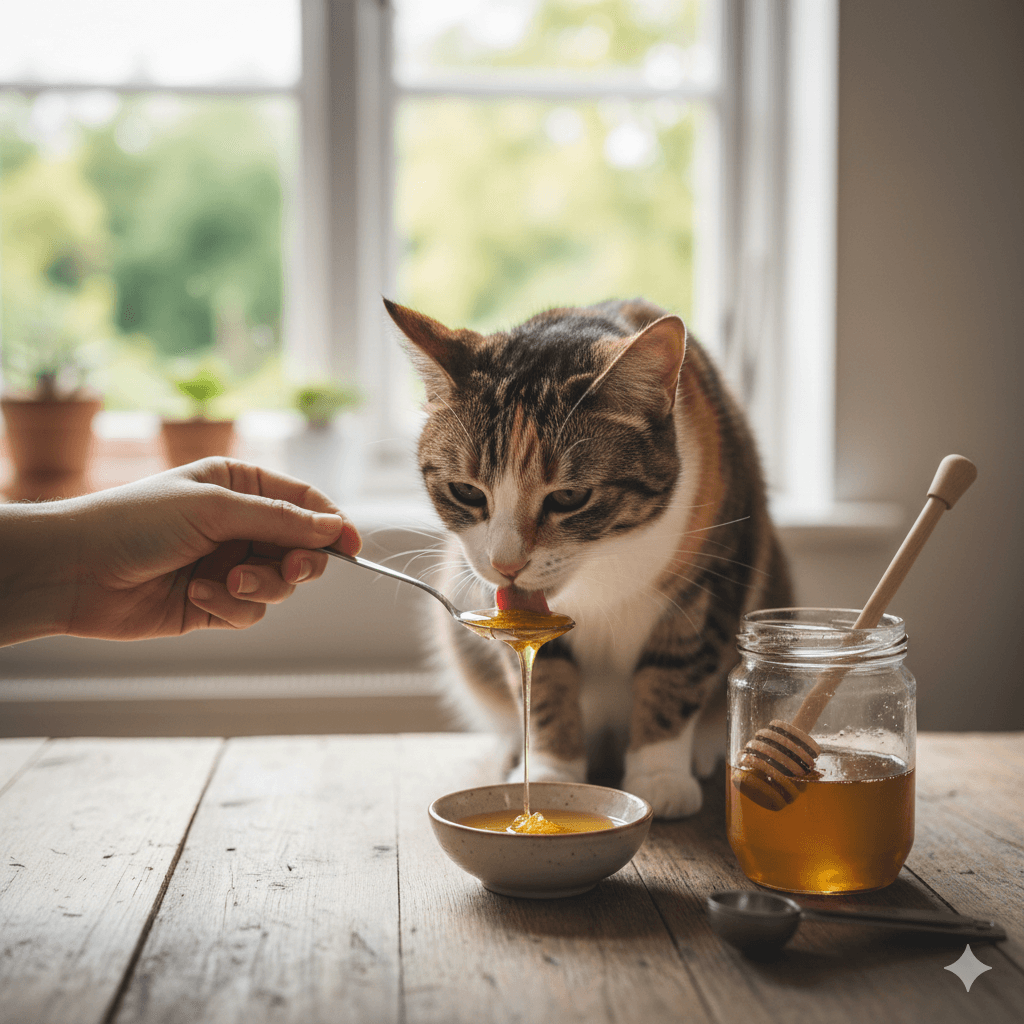

Understanding How Much Honey You Should Give Your Cat
Honey is often praised for its natural sweetness and potential health benefits, but when it comes to cats, caution is key. While small amounts of honey are generally safe for most felines, their unique physiology means there are important considerations to keep in mind. Understanding the right dosage—and whether honey is even necessary for your cat—ensures you make informed decisions about their diet. Whether you’re exploring honey as a treat or remedy, knowing how much to give can prevent unintended harm and promote your cat’s well-being.
Is Honey Safe for Cats? What You Need to Know
Before giving honey to your cat, it’s essential to understand whether it’s safe and how it interacts with their body. While honey is not toxic to cats in small amounts, their unique biology means there are limitations to consider. Cats lack certain enzymes needed to digest sugars efficiently, making them more sensitive to sweeteners like honey. Additionally, honey’s high sugar content can lead to health issues if given excessively or frequently. Understanding these factors ensures you make the best decision for your feline friend.
- Lack of Sweet Taste Receptors:
Cats cannot taste sweetness due to missing taste receptors, meaning they don’t derive enjoyment from honey as humans do. - High Sugar Content Concerns:
Honey contains natural sugars that can contribute to obesity, diabetes, or dental problems if fed regularly. - Potential Allergic Reactions:
Some cats may develop mild allergic reactions, such as itching or swelling, after consuming honey. - Digestive Sensitivity:
Cats’ digestive systems are not designed to process high-sugar foods, which can lead to upset stomachs or diarrhea. - Nutritional Imbalance Risks:
Honey offers no significant nutritional value to cats and can displace essential nutrients from their diet.
While honey isn’t inherently dangerous in tiny amounts, its benefits for cats are limited, and moderation is crucial to avoid adverse effects.
How Much Honey Can I Give My Cat Safely?
Determining the right amount of honey for your cat depends on their size, age, and overall health. Overfeeding honey can lead to serious complications, so it’s vital to stick to safe guidelines. Veterinarians generally recommend minimal amounts, if any, and only under specific circumstances. Understanding dosage recommendations helps you avoid accidental overconsumption.
- Small Cats (under 10 lbs):
A quarter-teaspoon (about 1 gram) is the absolute maximum, and even this should be a rare treat. - Medium Cats (10–15 lbs):
Half a teaspoon (approximately 2 grams) may be acceptable occasionally, but always monitor for adverse reactions. - Large Cats (over 15 lbs):
One teaspoon (around 3–4 grams) is the upper limit, though larger breeds still face risks from frequent feeding. - Kittens and Senior Cats:
Avoid honey entirely for kittens and older cats due to their fragile digestive systems and heightened sensitivity. - Frequency Matters:
Even small amounts should not exceed once per week to prevent sugar overload or long-term health issues.
Sticking to these guidelines ensures your cat stays safe while enjoying an occasional sweet treat.
Check this guide 👉Can Cats Eat Banana Peel? Best 7 Expert Tips!
Check this guide 👉Can Cats Eat Raw Beef? Best 7 Expert Tips!
Check this guide 👉Can Cats Eat Star Fruit? Best 7 Expert Tips!
Safe Honey Dosage for Cats | Potential Risks of Overfeeding Honey |
|---|---|
1/4 teaspoon maximum for small cats | Weight gain and obesity from high sugar content |
1/2 teaspoon occasional treat for medium cats | Dental issues like plaque and cavities |
Never exceed 1 teaspoon for large cats | Gastrointestinal upset, diarrhea, or vomiting |
Avoid honey entirely for kittens and seniors | Allergic reactions such as itching or swelling |
Frequency: No more than once per week | Interference with medications or underlying conditions |
Potential Health Benefits of Honey for Cats
While honey is not a dietary necessity for cats, it does offer some potential benefits when used sparingly and appropriately. These advantages are often linked to honey’s natural antibacterial and soothing properties. However, it’s important to weigh these benefits against the risks before offering honey to your cat.
- Soothing Sore Throats:
Honey’s thick texture can coat irritated throat tissues, providing temporary relief during respiratory infections. - Antibacterial Properties:
Manuka honey, in particular, contains compounds that combat bacteria, potentially aiding minor wound healing. - Energy Boost for Weak Cats:
The natural sugars in honey provide quick energy for lethargic or recovering cats, though this is rarely necessary. - Mild Anti-Inflammatory Effects:
Honey may help reduce inflammation in certain conditions, though scientific evidence for cats is limited. - Hairball Remedy Support:
Mixed with water, diluted honey can encourage hydration and ease digestion during hairball episodes.
These benefits are situational and should never replace veterinary care for underlying health issues.
Risks and Side Effects of Feeding Honey to Cats
Despite its perceived benefits, honey poses several risks to cats, especially if fed improperly or too frequently. Being aware of these side effects allows you to recognize warning signs early and take corrective action.
- Weight Gain and Obesity:
Excessive sugar intake contributes to unhealthy weight gain, increasing the risk of joint problems and diabetes. - Dental Issues:
Honey’s sticky nature clings to teeth, promoting plaque buildup and cavities over time. - Gastrointestinal Upset:
High sugar levels can disrupt gut flora, causing vomiting, diarrhea, or constipation in sensitive cats. - Allergic Reactions:
Some cats may experience skin irritation, swelling, or difficulty breathing after consuming honey. - Interference with Medications:
Honey may interact with certain medications, particularly those for diabetes or immune disorders.
Understanding these risks emphasizes the importance of moderation and professional guidance when introducing honey into your cat’s diet.
Alternatives to Honey for Treating Your Cat’s Ailments
If you’re considering honey for its potential health benefits, safer alternatives exist that cater specifically to feline needs. These options provide similar benefits without the risks associated with honey.
- Pumpkin Puree:
Rich in fiber, pumpkin aids digestion and soothes upset stomachs without added sugars. - Bone Broth:
Low-sodium bone broth hydrates and provides essential nutrients during recovery periods. - Coconut Oil:
A small amount of virgin coconut oil supports skin health and digestion better than honey. - Prescription Diets:
Veterinary diets formulated for specific conditions ensure balanced nutrition and targeted support. - Herbal Remedies:
Cat-safe herbs like chamomile or slippery elm offer calming effects without sugar-related risks.
Exploring these alternatives ensures your cat receives safe, effective care tailored to their unique needs.
Signs Your Cat May Be Sensitive to Honey
Not all cats tolerate honey well, and some may exhibit sensitivities or adverse reactions even in small amounts. Recognizing these signs helps you identify whether honey is suitable for your pet.
- Vomiting or Diarrhea:
Digestive upset occurs shortly after ingestion, signaling intolerance or sensitivity. - Lethargy or Weakness:
Unusual tiredness suggests your cat’s body is struggling to process the honey. - Itching or Skin Irritation:
Allergic reactions often manifest as scratching, redness, or swelling around the face or paws. - Difficulty Breathing:
Severe allergic responses can cause labored breathing or wheezing, requiring immediate vet attention. - Behavioral Changes:
Refusal to eat, hiding, or unusual aggression may indicate discomfort or illness.
Monitoring your cat closely after feeding honey ensures you catch any adverse reactions early.
How to Safely Introduce Honey to Your Cat’s Diet
If you decide to give your cat honey, it’s crucial to introduce it gradually and observe their reaction. Proper preparation and administration minimize risks while ensuring your cat doesn’t consume too much sugar at once. Following these steps helps you safely incorporate honey into their routine—if deemed appropriate by your veterinarian.
- Start with Tiny Amounts:
Begin with a drop or two of diluted honey to gauge your cat’s tolerance before increasing the quantity. - Dilute with Water:
Mixing honey with water reduces its viscosity and makes it easier for your cat to consume without choking hazards. - Choose Raw or Organic Honey:
Opt for high-quality, unpasteurized honey if you must use it, as it retains more natural enzymes and nutrients. - Avoid Regular Feeding:
Honey should only be given as an occasional treat, not a dietary staple, to prevent sugar-related health issues. - Consult Your Veterinarian First:
Always seek professional advice before introducing new foods, especially for cats with preexisting conditions.
Taking these precautions ensures that honey is introduced safely and responsibly, minimizing potential risks to your cat’s health.
“No, cats should not eat honey, even though a small dose will not make your cat ill. Honey is high in carbohydrates, and regularly feeding it to your cat can cause problems.” — Dr. Paola Cuevas, MVZ
Frequently Asked Questions About Honey and Cats
Can honey cure my cat’s cough?
Honey may temporarily soothe sore throats but won’t address underlying causes—consult a vet for persistent coughing.
Is raw honey better than processed honey for cats?
Both types pose similar risks; raw honey carries additional bacterial contamination hazards unsuitable for cats.
Can kittens eat honey?
No—kittens have immature digestive systems and should avoid honey entirely.
Does honey improve my cat’s coat?
There’s no scientific evidence supporting honey as a coat enhancer; fish oil supplements are a safer option.
What should I do if my cat accidentally eats honey?
Monitor for symptoms like vomiting or diarrhea; contact your vet if large amounts were consumed or signs appear.
Supporting Your Cat’s Health Without Relying on Honey
While honey may offer some minor benefits in rare cases, it’s not a necessity for your cat’s diet and can pose significant risks if misused. Instead of relying on human foods like honey, focus on species-appropriate nutrition and consult your veterinarian for safe alternatives. By prioritizing your cat’s unique needs and avoiding unnecessary additives, you ensure their long-term health and happiness. Remember, the best way to show love is by making decisions that truly align with their well-being—because every small choice contributes to a lifetime of joy together.
Is Rawhide Bad for Cats? Best 7 Expert Tips! – Discover the risks, safe alternatives, and expert advice to keep your feline friend healthy and happy.

Is Rawhide Bad for Dogs? Best 7 Expert Tips! – Discover the risks, benefits, and safer alternatives to rawhides for your dog’s chewing needs.

Understanding Anorexia in Cats: Best 7 Expert Tips! – Learn why cats stop eating, spot warning signs, and discover how to help your feline regain appetite safely.

Understanding Anorexia in Dogs: Best 7 Expert Tips! – Learn causes, symptoms, and solutions to help your dog regain appetite and stay healthy.