
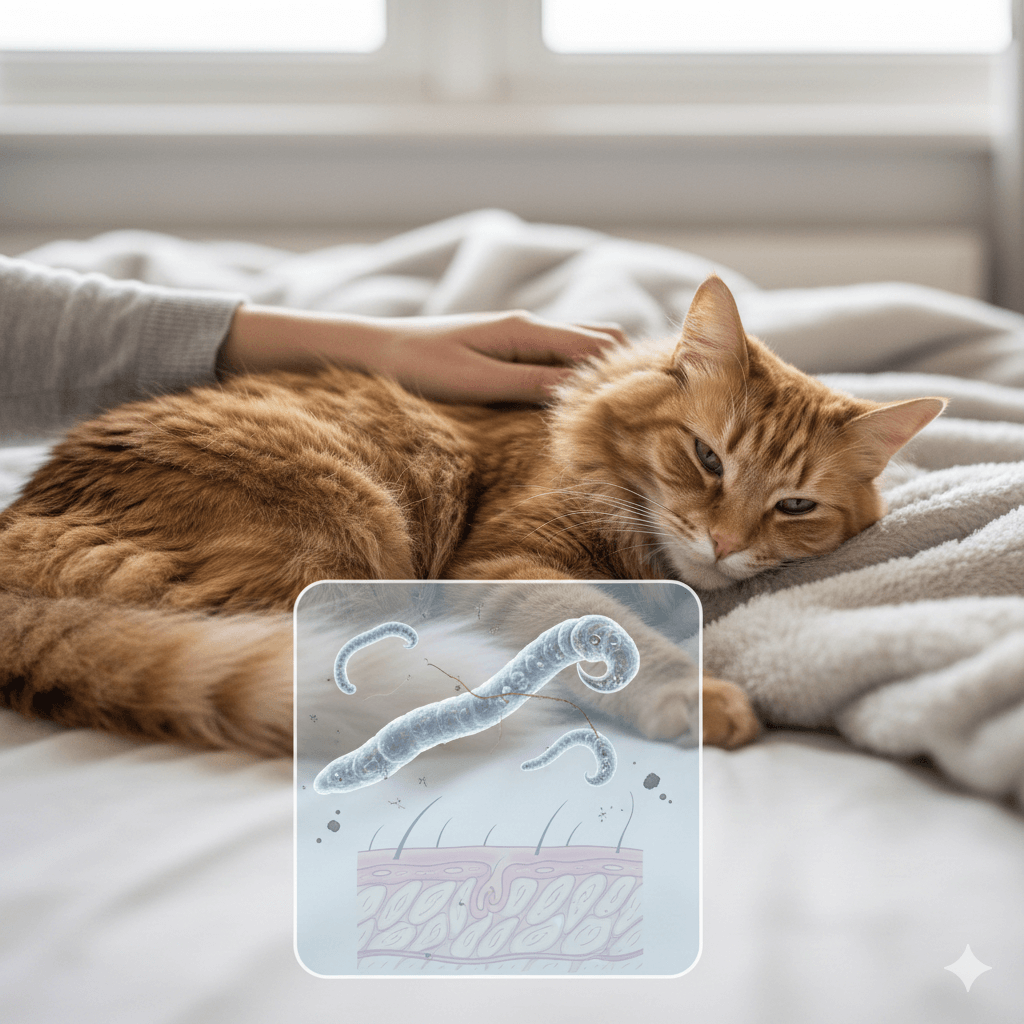

Can I Get Hookworms from My Cat? Best 7 Expert Tips!

Can I Get Hookworms from My Cat? Best 7 Expert Tips!

Can I Get Hookworms from My Cat? Understanding the Risks

Hookworms are tiny parasitic worms that can infect your cat’s intestines, but could they also pose a risk to you? While cats are the primary hosts, certain types of hookworms can indeed spread to humans under specific conditions. This zoonotic potential raises concerns for pet owners, especially those with young children or weakened immune systems. Understanding how transmission occurs and what preventive measures you can take is crucial to protecting both your feline companion and your household. By staying informed, you can minimize risks and ensure a safe, healthy environment for everyone.

How Hookworms Infect Cats and Humans

Hookworms are parasitic worms that primarily infect the intestines of cats, but certain species can also affect humans. These worms attach to the intestinal lining, feeding on blood and causing anemia or other complications. Understanding the lifecycle of hookworms and how they spread is essential for preventing transmission between cats and humans.

 
  • Lifecycle of Hookworms in Cats:
    Hookworm larvae live in soil and enter a cat’s body through ingestion or skin penetration. Once inside, they migrate to the intestines, mature into adults, and lay eggs that pass through feces.
     
  • Environmental Contamination:
    Infected cats shed hookworm eggs in their feces, contaminating soil or sand where larvae hatch. These larvae survive for weeks, waiting for a new host.
     
  • Zoonotic Potential of Hookworms:
    Certain species, like Ancylostoma braziliense, can penetrate human skin, causing cutaneous larva migrans—a condition where larvae travel under the skin, causing itching and inflammation.
     
  • Transmission Through Contact:
    Humans often contract hookworms by walking barefoot on contaminated soil or handling infected feces without proper hygiene. Children playing outdoors are particularly at risk.
     
  • Differences in Human and Feline Infections:
    While cats experience intestinal infections, humans typically suffer from skin-related symptoms unless the larvae migrate internally, which is rare but possible.
 

By understanding the lifecycle and transmission pathways, you can take proactive steps to minimize risks for both your cat and your household.

Can I Get Hookworms from My Cat? Best 7 Expert Tips!

Symptoms of Hookworm Infection in Cats

Cats infected with hookworms may exhibit a range of symptoms, depending on the severity of the infestation. Recognizing these signs early helps ensure timely treatment and prevents complications.

 
  • Diarrhea and Bloody Stool:
    Hookworms feed on blood, leading to gastrointestinal bleeding. This often results in dark, tarry stools or visible blood in feces.
     
  • Weight Loss and Poor Coat Condition:
    Chronic blood loss causes malnutrition, leading to weight loss, dull fur, and overall poor health in affected cats.
     
  • Lethargy and Weakness:
    Anemia from blood loss leaves cats feeling tired, weak, and uninterested in normal activities like playing or eating.
     
  • Vomiting or Coughing:
    In severe cases, migrating larvae can irritate the lungs, causing coughing or vomiting as they move through the body.
     
  • Pale Gums and Dehydration:
    Pale gums signal anemia, while dehydration occurs due to fluid loss from diarrhea or vomiting.
 

If your cat shows any of these symptoms, consult your veterinarian immediately for diagnosis and treatment. Early intervention prevents long-term damage and reduces the risk of spreading hookworms to humans.

Hookworm Infection in Cats
Hookworm Infection in Humans
Primarily affects intestines, causing anemia and diarrhea
Often causes cutaneous larva migrans (itchy skin tracks)
Symptoms include bloody stool, lethargy, and weight loss
Rarely causes internal organ involvement unless larvae migrate
Diagnosed through fecal exams for eggs or larvae
Diagnosed via physical examination and history of exposure
Treated with dewormers like pyrantel pamoate or fenbendazole
Treated with antiparasitic drugs like albendazole or ivermectin
Prevented through regular deworming and hygiene practices
Prevented by wearing shoes outdoors and practicing good hand hygiene

How Humans Can Get Hookworms from Cats

While direct transmission of hookworms from cats to humans is rare, certain behaviors and environmental factors increase the risk. Understanding how humans contract hookworms helps you implement effective preventive measures.

 
  • Skin Penetration by Larvae:
    The most common route of infection occurs when larvae in contaminated soil penetrate bare skin, especially feet or hands.
     
  • Accidental Ingestion of Eggs:
    Handling infected cat feces or touching surfaces contaminated with hookworm eggs can lead to accidental ingestion if hands aren’t washed properly.
     
  • Children Playing Outdoors:
    Kids often play in sandboxes or dirt, increasing exposure to hookworm larvae left behind by infected animals.
     
  • Gardening Without Gloves:
    Working in soil or handling plants without protective gloves exposes hands to potential contamination.
     
  • Shared Living Spaces with Infected Cats:
    Indoor-outdoor cats may track contaminated soil into the home, spreading larvae to carpets, furniture, or bedding.
 

Awareness of these transmission routes empowers you to adopt better hygiene practices and reduce the likelihood of hookworm infections in your household.


Preventing Hookworm Transmission from Cats to Humans

Preventing hookworm transmission requires a combination of veterinary care, environmental management, and personal hygiene. These measures protect both your cat and your family from infection.

 
  • Regular Deworming Treatments:
    Administer veterinarian-prescribed dewormers every 3–6 months to eliminate hookworms and prevent reinfection.
     
  • Fecal Clean-Up and Disposal:
    Promptly remove and dispose of cat feces from litter boxes or outdoor areas to prevent soil contamination.
     
  • Wear Shoes Outdoors:
    Always wear shoes when walking in areas frequented by animals, such as parks, gardens, or beaches.
     
  • Practice Good Hygiene:
    Wash hands thoroughly after handling cats, cleaning litter boxes, or gardening to avoid accidental ingestion of eggs.
     
  • Keep Cats Indoors:
    Limiting outdoor access reduces the chance of your cat coming into contact with contaminated soil or prey animals.
 

These preventive strategies significantly lower the risk of hookworm infections and promote a healthier living environment.

Diagnosing and Treating Hookworms in Cats

Early diagnosis and treatment are critical for managing hookworm infections in cats and preventing transmission to humans. Veterinarians use specific methods to identify and address this parasitic threat effectively.

 
  • Fecal Examination:
    Veterinarians analyze stool samples under a microscope to detect hookworm eggs, confirming the presence of an infection.
     
  • Blood Tests for Anemia:
    Severe hookworm infestations cause anemia; blood tests assess red blood cell levels and determine the need for supportive care.
     
  • Prescription Dewormers:
    Medications like pyrantel pamoate or fenbendazole kill adult hookworms and are administered orally or topically.
     
  • Iron Supplements for Anemia:
    Cats suffering from significant blood loss may require iron supplements or even blood transfusions in severe cases.
     
  • Follow-Up Testing:
    Repeat fecal exams ensure all hookworms have been eliminated and monitor for reinfection during follow-up visits.
 

Timely veterinary intervention restores your cat’s health and minimizes the risk of spreading hookworms to humans.

Managing Hookworm Infections in Humans

If you suspect hookworm infection, prompt medical attention is crucial to alleviate symptoms and prevent complications. Treatment focuses on eliminating larvae and addressing associated health issues.

 
  • Cutaneous Larva Migrans Treatment:
    Topical or oral antiparasitic medications, such as albendazole or ivermectin, kill migrating larvae and relieve itching.
     
  • Antihistamines for Itching:
    Over-the-counter antihistamines reduce inflammation and discomfort caused by larvae traveling under the skin.
     
  • Wound Care for Skin Lesions:
    Clean affected areas regularly to prevent secondary bacterial infections and promote faster healing.
     
  • Monitoring for Internal Migration:
    Rare cases involve larvae entering internal organs; imaging tests or biopsies diagnose such complications.
     
  • Preventive Measures Post-Infection:
    After recovery, adopt strict hygiene practices and avoid barefoot contact with potentially contaminated soil to prevent reinfection.
 

Understanding human treatments ensures you respond appropriately and safeguard your family’s well-being.

Long-Term Strategies for a Hookworm-Free Home

Preventing future hookworm outbreaks requires ongoing effort and vigilance. Implementing sustainable practices protects both pets and humans in the long run.

 
  • Routine Veterinary Check-Ups:
    Schedule annual wellness exams to screen for parasites and maintain your cat’s overall health.
     
  • Environmental Sanitation:
    Regularly clean and disinfect areas where your cat spends time, including litter boxes, bedding, and outdoor spaces.
     
  • Educate Family Members:
    Teach children and adults about the importance of handwashing and avoiding barefoot contact with soil.
     
  • Monitor Outdoor Behavior:
    Supervise your cat’s outdoor activities to minimize exposure to contaminated environments or prey animals.
     
  • Consult Professionals:
    Work with pest control experts to treat soil in high-risk areas, reducing hookworm larvae populations.
 

By committing to these strategies, you create a safer, healthier home for everyone, free from the threat of hookworms.

Frequently Asked Questions About Hookworms

Can hookworms live in humans permanently?

No—hookworm larvae typically cannot complete their lifecycle in humans and eventually die off. However, they can cause prolonged symptoms if left untreated.

Most deworming treatments eliminate adult hookworms within 2–3 days, but follow-up doses may be needed to target migrating larvae.

Yes—even indoor cats can contract hookworms through contaminated soil tracked indoors or contact with infected animals.

Untreated hookworms lead to severe anemia, malnutrition, and potentially life-threatening complications due to chronic blood loss.

Treatment is generally affordable, involving oral medications like albendazole, but costs vary depending on the severity of the infection.

Safeguarding Your Family and Feline Companion

Hookworms may pose a dual threat to both your cat and your household, but knowledge and proactive measures empower you to protect everyone effectively. By staying vigilant about your cat’s health, maintaining a clean environment, and practicing good hygiene, you can prevent infections and ensure a harmonious living space. Remember, early detection and treatment are key—whether for your pet or yourself. With the right care and commitment, you can eliminate the risks of hookworms and enjoy a healthier, happier home.

 
Cat Anaphylactic Shock Treatment Costs: Best 7 Expert Tips!

Cat Anaphylactic Shock Treatment Costs: Best 7 Expert Tips! – Learn about costs, treatments, and financial aid options to save your cat’s life.

Exocrine Pancreatic Insufficiency in Cats: Best 7 Tips!

Exocrine Pancreatic Insufficiency in Cats: Best 7 Tips! – Learn to spot symptoms, manage EPI effectively, and improve your cat’s quality of life with expert advice.

Cost of Dog Anaphylactic Shock Treatment: Best 7 Tips!

Cost of Dog Anaphylactic Shock Treatment: Best 7 Tips! – Learn about emergency costs, financial planning, and ways to manage expenses for your dog’s care.

Exocrine Pancreatic Insufficiency in Dogs: Best 7 Tips!

Exocrine Pancreatic Insufficiency in Dogs: Best 7 Tips! – Learn to spot symptoms, manage EPI effectively, and improve your dog’s quality of life with expert guidance.

Cat Anaphylactic Shock Treatment Costs: Best 7 Expert Tips!

Cat Anaphylactic Shock Treatment Costs: Best 7 Expert Tips! – Learn about costs, treatments, and financial aid options to save your cat’s life.

Exocrine Pancreatic Insufficiency in Cats: Best 7 Tips!

Exocrine Pancreatic Insufficiency in Cats: Best 7 Tips! – Learn to spot symptoms, manage EPI effectively, and improve your cat’s quality of life with expert advice.

Cost of Dog Anaphylactic Shock Treatment: Best 7 Tips!

Cost of Dog Anaphylactic Shock Treatment: Best 7 Tips! – Learn about emergency costs, financial planning, and ways to manage expenses for your dog’s care.

Exocrine Pancreatic Insufficiency in Dogs: Best 7 Tips!

Exocrine Pancreatic Insufficiency in Dogs: Best 7 Tips! – Learn to spot symptoms, manage EPI effectively, and improve your dog’s quality of life with expert guidance.

Leave a Reply

Your email address will not be published. Required fields are marked *


