

How to Know If Your Dog Has Tapeworm: Best 7 Expert Tips!

How to Know If Your Dog Has Tapeworm: Best 7 Expert Tips!

How to Know If Your Dog Has Tapeworm: Key Signs to Watch For

Tapeworms are a common intestinal parasite that can affect dogs of all ages and breeds, often without immediate obvious symptoms. These parasites latch onto the lining of your dog’s intestines, stealing nutrients and potentially causing discomfort or health issues if left untreated. Recognizing the signs of tapeworm infection early is crucial for prompt treatment and preventing complications. From visible segments in your dog’s stool to changes in behavior or appetite, understanding what to look for empowers you to protect your furry friend’s health effectively.

Common Symptoms of Tapeworms in Dogs

Tapeworms often go unnoticed until symptoms become more pronounced. Identifying these signs early helps you address the issue before it worsens.

 
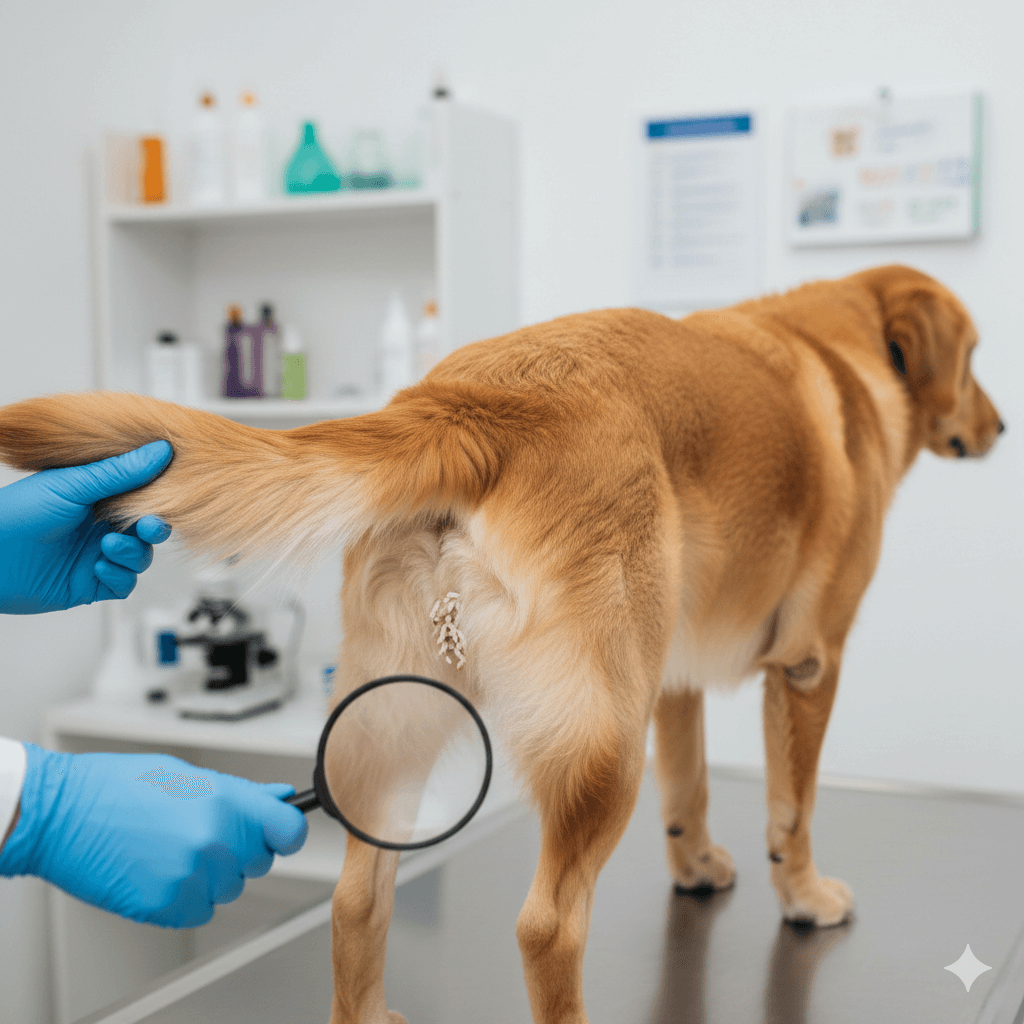
  • Visible Worm Segments:
    Rice-like segments around your dog’s anus or in their bedding indicate tapeworm presence.
     
  • Itching and Scooting:
    Dogs may drag their rear across the floor due to irritation caused by tapeworm segments.
     
  • Weight Loss Despite Normal Appetite:
    Tapeworms steal nutrients, leading to unexplained weight loss even if your dog eats regularly.
     
  • Vomiting with Worms:
    In severe cases, dogs may vomit up visible tapeworm segments or entire worms.
     
  • Dry or Poor Coat Condition:
    Nutrient depletion caused by tapeworms can result in dull, brittle fur or excessive shedding.
 

These symptoms often overlap with other health issues, so veterinary confirmation is essential for proper diagnosis.

How to Know If Your Dog Has Tapeworm: Best 7 Expert Tips!

How Tapeworms Infect Dogs

Understanding how dogs contract tapeworms helps prevent future infections. These parasites rely on intermediate hosts to complete their life cycle.

 
  • Flea Infestations:
    Fleas are the most common carriers of tapeworm larvae; ingesting a flea during grooming leads to infection.
     
  • Hunting Small Animals:
    Dogs that eat rodents, birds, or rabbits risk ingesting tapeworm larvae harbored in these animals.
     
  • Contaminated Environments:
    Exposure to areas with infected feces or fleas increases the likelihood of tapeworm transmission.
     
  • Poor Hygiene Practices:
    Lack of regular grooming or flea control creates opportunities for parasite exposure.
     
  • Shared Living Spaces:
    Infected pets in multi-animal households can spread tapeworm eggs through shared bedding or toys.
 

Breaking this cycle requires addressing both the parasite and its mode of transmission.

Tapeworm Symptoms
Other Parasite Symptoms
Rice-like segments in stool or around anus
Roundworms: Spaghetti-like worms in stool
Scooting or anal itching
Hookworms: Blood in stool, pale gums
Weight loss despite normal appetite
Whipworms: Mucus in stool, diarrhea
Vomiting with visible worms (severe cases)
Giardia: Watery diarrhea, foul-smelling stool
Dry, dull coat due to nutrient depletion
Heartworms: Coughing, lethargy, breathing issues

Diagnosing Tapeworms in Dogs

Veterinarians use specific methods to confirm tapeworm infections, ensuring accurate treatment plans. Knowing what to expect during a vet visit prepares you for the process.

 
  • Physical Examination:
    The vet checks for visible worm segments or signs of anal irritation during the exam.
     
  • Stool Sample Analysis:
    Microscopic examination of fecal samples detects tapeworm eggs or segments.
     
  • Observation of Symptoms:
    Behavioral changes, scooting, or weight loss provide additional diagnostic clues.
     
  • Rule Out Other Parasites:
    Similar symptoms may indicate roundworms, hookworms, or giardia, requiring differential diagnosis.
     
  • Owner’s Input:
    Your observations at home play a key role in confirming the diagnosis.
 

Accurate identification ensures effective treatment and prevents misdiagnosis.

Treatment Options for Tapeworms in Dogs

Treating tapeworms involves eliminating the parasite and preventing reinfection. Veterinarians recommend safe, targeted medications for this purpose.

 
  • Deworming Medications (Praziquantel):
    This drug kills tapeworms quickly and safely, often administered orally or via injection.
     
  • Flea Control Products:
    Treating your dog and environment for fleas eliminates the source of reinfection.
     
  • Environmental Cleaning:
    Washing bedding, vacuuming carpets, and disinfecting living areas reduce egg and flea presence.
     
  • Follow-Up Vet Visits:
    Repeat stool tests ensure the infection has cleared completely after treatment.
     
  • Preventive Measures:
    Regular deworming and flea prevention protect against future tapeworm infestations.
 

Consistency in treatment and prevention minimizes recurrence risks significantly.


Preventing Tapeworm Infections in Dogs

Prevention is always better than cure when it comes to parasitic infections like tapeworms. Proactive measures safeguard your dog’s health effectively.

 
  • Use Flea Prevention Products:
    Monthly topical or oral treatments keep fleas at bay, breaking the tapeworm life cycle.
     
  • Discourage Hunting Behavior:
    Train your dog to avoid eating rodents, birds, or other small animals that carry tapeworm larvae.
     
  • Maintain Cleanliness:
    Regularly clean your dog’s living space and bedding to remove potential contaminants.
     
  • Practice Good Hygiene:
    Wash hands after handling your dog or cleaning their environment to prevent cross-contamination.
     
  • Schedule Routine Check-Ups:
    Annual fecal exams detect parasites early, even if no symptoms are present.
 

A clean, flea-free environment is the first line of defense against tapeworms.

Risks of Untreated Tapeworms in Dogs

Leaving tapeworms untreated poses significant health risks for your dog, especially over time. Understanding these dangers emphasizes the importance of prompt action.

 
  • Severe Nutritional Deficiencies:
    Chronic nutrient theft weakens your dog’s immune system and overall health.
     
  • Intestinal Blockages:
    Large numbers of worms can obstruct the intestines, requiring emergency surgery.
     
  • Secondary Infections:
    Weakened immunity makes dogs more susceptible to bacterial or viral illnesses.
     
  • Spread to Other Pets:
    Untreated dogs can pass tapeworm eggs to other animals in shared spaces.
     
  • Human Health Risks:
    Certain tapeworm species pose zoonotic risks, infecting humans through accidental ingestion.
 

Addressing tapeworms promptly protects both your dog and household members.


Long-Term Management for Tapeworm-Free Dogs

Ensuring long-term freedom from tapeworms requires ongoing vigilance and preventive care. A proactive approach fosters a healthier lifestyle for your dog.

 
  • Regular Deworming Schedule:
    Administer deworming medications as recommended by your vet, typically every 3–6 months.
     
  • Monitor for Flea Activity:
    Inspect your dog’s coat regularly for signs of fleas or flea dirt.
     
  • Educate Family Members:
    Ensure everyone in the household understands the importance of flea control and hygiene.
     
  • Restrict Access to Contaminated Areas:
    Keep your dog away from environments where fleas, rodents, or infected feces are common.
     
  • Adopt a Balanced Diet:
    A nutritious diet strengthens your dog’s immune system, reducing susceptibility to parasites.
 

With consistent care and attention, you can maintain a tapeworm-free environment for years to come.

Frequently Asked Questions About Tapeworms in Dogs

How do I know if my dog has tapeworms?

Look for rice-like segments in their stool, scooting behavior, or unexplained weight loss. A vet can confirm through stool analysis.

Yes, certain species like Dipylidium caninum can infect humans, usually through accidental ingestion of fleas.

Most likely through ingesting fleas during grooming or eating infected rodents, birds, or rabbits.

Veterinarians typically prescribe praziquantel, a deworming medication, along with flea control measures.


Use regular flea prevention, maintain cleanliness, discourage hunting behavior, and schedule routine check-ups.

Protecting Your Dog from Tapeworms: A Lifelong Commitment

Discovering that your dog has tapeworms can be unsettling, but with proper knowledge and preventive care, you can keep them parasite-free and thriving. Early detection, prompt treatment, and consistent hygiene practices ensure your furry companion remains healthy and happy. By staying vigilant about flea control, diet, and environmental cleanliness, you not only protect your dog but also safeguard your household from potential risks. Remember, your dedication to their well-being is the foundation of a long, joyful life together—free from the discomfort of tapeworms.

Cat Anaphylactic Shock Treatment Costs: Best 7 Expert Tips!

Cat Anaphylactic Shock Treatment Costs: Best 7 Expert Tips! – Learn about costs, treatments, and financial aid options to save your cat’s life.

Exocrine Pancreatic Insufficiency in Cats: Best 7 Tips!

Exocrine Pancreatic Insufficiency in Cats: Best 7 Tips! – Learn to spot symptoms, manage EPI effectively, and improve your cat’s quality of life with expert advice.

Cost of Dog Anaphylactic Shock Treatment: Best 7 Tips!

Cost of Dog Anaphylactic Shock Treatment: Best 7 Tips! – Learn about emergency costs, financial planning, and ways to manage expenses for your dog’s care.

Exocrine Pancreatic Insufficiency in Dogs: Best 7 Tips!

Exocrine Pancreatic Insufficiency in Dogs: Best 7 Tips! – Learn to spot symptoms, manage EPI effectively, and improve your dog’s quality of life with expert guidance.

Leave a Reply

Your email address will not be published. Required fields are marked *


