
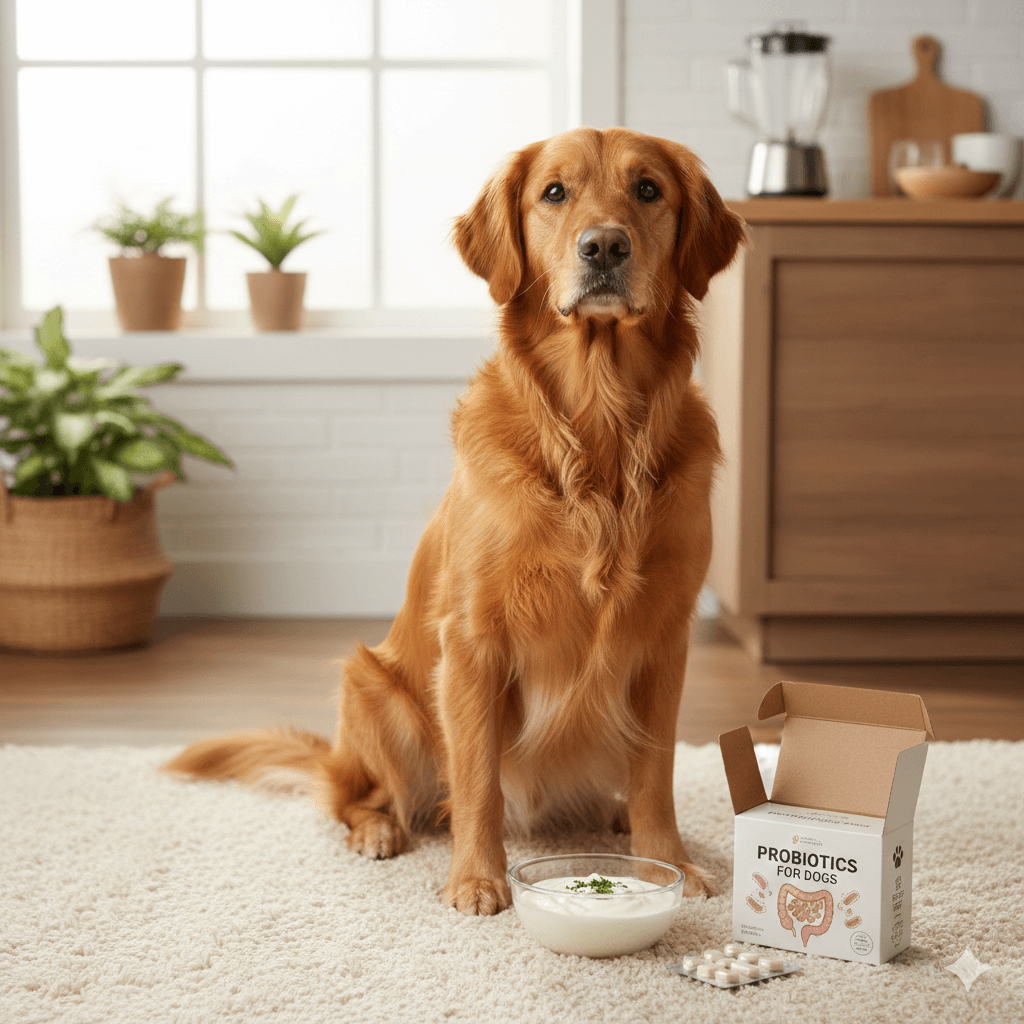

Managing Dog Colitis with Probiotics: Best 7 Expert Tips!

Managing Dog Colitis with Probiotics: Best 7 Expert Tips!

Managing Dog Colitis with Probiotics: Best 7 Expert Tips

Colitis in dogs, characterized by inflammation of the colon, often leads to diarrhea, vomiting, and discomfort. While dietary changes and medications are common treatments, probiotics have gained attention as a natural way to restore gut health and alleviate symptoms. These beneficial bacteria help balance your dog’s microbiome, supporting digestion and boosting immunity. With proper use, probiotics can be a game-changer for dogs suffering from colitis—offering relief and long-term wellness.

Understanding the Role of Probiotics in Dog Colitis

Probiotics work by replenishing healthy gut flora, which is often disrupted during colitis episodes. They not only address symptoms but also target underlying imbalances in the digestive system. Here’s how they benefit dogs with colitis:

 
  • Restoring Gut Flora Balance:
    Probiotics introduce beneficial bacteria like Lactobacillus and Bifidobacterium, which compete with harmful pathogens in the gut.
     
  • Reducing Inflammation:
    Certain strains produce anti-inflammatory compounds that soothe irritated colon tissue and promote healing.
     
  • Improving Digestion:
    By breaking down food more efficiently, probiotics reduce undigested particles that can worsen colitis symptoms.
     
  • Enhancing Immune Function:
    A significant portion of the immune system resides in the gut; probiotics strengthen this defense mechanism against infections.
     
  • Preventing Recurrence:
    Regular use of probiotics helps maintain a stable microbiome, reducing the likelihood of future colitis flare-ups.
 

For dogs with chronic or recurrent colitis, probiotics offer a safe and effective complement to traditional treatments.

Managing Dog Colitis with Probiotics: Best 7 Expert Tips!

Signs Your Dog May Benefit from Probiotics

If your dog exhibits any of these signs, incorporating probiotics into their routine could provide relief and improve overall gut health.

 
  • Chronic Diarrhea:
    Frequent loose stools, especially if linked to stress or dietary changes, indicate an imbalanced gut microbiome.
     
  • Recurrent Vomiting:
    Nausea and vomiting may result from poor digestion caused by insufficient beneficial bacteria.
     
  • Flatulence or Bloating:
    Excessive gas suggests fermentation issues due to microbial imbalance in the intestines.
     
  • Post-Antibiotic Recovery:
    Antibiotics kill both good and bad bacteria, leaving the gut vulnerable to infections or colitis.
     
  • Food Sensitivities:
    Dogs reacting poorly to new foods or ingredients often lack diverse gut flora to process them properly.
 

Probiotics address these issues by restoring harmony to your dog’s digestive ecosystem.

Benefits of Probiotics
Common Strains Used
Reduces diarrhea frequency
Lactobacillus acidophilus
Supports gut lining repair
Bifidobacterium animalis
Boosts nutrient absorption
Enterococcus faecium
Lowers inflammation levels
Streptococcus thermophilus
Prevents secondary infections
Saccharomyces boulardii

Choosing the Right Probiotic for Your Dog

Not all probiotics are created equal—selecting the right product ensures maximum effectiveness for managing colitis. Consider these factors before making a purchase:

 
  • Strain Diversity:
    Look for products containing multiple strains tailored to canine health needs, such as Lactobacillus and Bifidobacterium blends.
     
  • CFU Count (Colony Forming Units):
    Aim for at least 1–5 billion CFUs per dose to guarantee sufficient bacterial colonization in the gut.
     
  • Veterinary Approval:
    Consult your vet to ensure compatibility with existing treatments or conditions.
     
  • Formulation Type:
    Options include powders, chews, capsules, or infused treats—choose based on your dog’s preferences and ease of administration.
     
  • Shelf Stability:
    Opt for shelf-stable formulas over refrigerated ones unless you can consistently maintain cold storage.
 

The right probiotic supports your dog’s unique needs while addressing specific colitis challenges effectively.

Administering Probiotics Safely and Effectively

To maximize benefits, follow these guidelines when introducing probiotics to your dog’s regimen:

 
  • Start Slowly:
    Introduce small doses initially to avoid overwhelming the digestive system, gradually increasing to the recommended amount.
     
  • Pair with Meals:
    Mix probiotics with food to enhance absorption and mask any unpleasant taste for picky eaters.
     
  • Consistency is Key:
    Daily use yields better results than sporadic supplementation; make it part of your dog’s routine.
     
  • Monitor Progress:
    Track stool quality, energy levels, and appetite to assess improvements and adjust dosages if needed.
     
  • Combine with Hydration:
    Ensure your dog drinks plenty of water to support gut motility and flush out toxins during recovery.
 

Patience and consistency lead to noticeable improvements in your dog’s colitis symptoms over time.

Complementary Treatments for Dog Colitis

While probiotics play a vital role, combining them with other therapies enhances outcomes for dogs battling colitis. These strategies work synergistically to restore gut health:

 
  • Bland Diet Transition:
    Feed boiled chicken and rice or prescription diets designed for sensitive stomachs to minimize irritation.
     
  • Hydration Support:
    Encourage water intake or administer subcutaneous fluids under veterinary guidance to combat dehydration.
     
  • Stress Reduction:
    Minimize anxiety triggers through calming aids like pheromone diffusers or structured routines.
     
  • Fiber Supplementation:
    Add soluble fiber sources like pumpkin puree to firm up stools and regulate bowel movements.
     
  • Medication (When Necessary):
    Anti-inflammatory drugs or antibiotics may be prescribed for severe cases alongside probiotic therapy.
 

Combining approaches addresses both immediate symptoms and long-term gut resilience.

Long-Term Benefits of Probiotics for Dogs

Beyond managing colitis, probiotics contribute to lifelong digestive and immune health. Their sustained use offers numerous advantages for your dog’s well-being:

 
  • Improved Nutrient Absorption:
    Enhanced breakdown of proteins, fats, and carbohydrates ensures your dog gets the most from their diet.
     
  • Stronger Immunity:
    A balanced microbiome strengthens resistance to infections, allergies, and autoimmune disorders.
     
  • Better Skin and Coat Health:
    Gut health influences skin condition; probiotics reduce itching, flakiness, and coat dullness associated with allergies.
     
  • Weight Management:
    Efficient digestion regulates metabolism, helping maintain a healthy weight and preventing obesity-related issues.
     
  • Mental Well-Being:
    The gut-brain connection means improved gut health positively impacts mood, behavior, and stress responses.
 

Probiotics aren’t just a remedy—they’re an investment in your dog’s overall quality of life.

Special Considerations for Sensitive Dogs

Some dogs require extra care when using probiotics due to age, breed, or preexisting conditions. Tailor your approach to ensure safety and efficacy:

 
  • Puppies:
    Young dogs benefit from gentle, low-dose formulas to establish a healthy microbiome early in life.
     
  • Senior Dogs:
    Older pets may need higher CFU counts to compensate for declining gut function and slower recovery rates.
     
  • Small Breeds:
    Tiny dogs tolerate smaller doses better; divide servings appropriately to avoid digestive upset.
     
  • Immunocompromised Dogs:
    Work closely with your vet to select safe strains that won’t overwhelm a weakened immune system.
     
  • Allergic Dogs:
    Choose hypoallergenic formulations free from common allergens like dairy, soy, or gluten.
 

Customizing treatment ensures every dog receives the full benefits of probiotics without adverse effects.

“Probiotics are prescribed for maintaining a desirable intestinal microbial balance—essentially, to keep a dog’s gut health in balance, especially during stress, illness, or antibiotic use that can trigger colitis flare-ups.”
— Teresa Manucy, DVM

Frequently Asked Questions About Dog Colitis and Probiotics

Do probiotics cure colitis in dogs?

Probiotics don’t “cure” colitis but significantly reduce symptoms and prevent recurrence by restoring gut balance.

Most dogs show improvement within 1–2 weeks, though full benefits may take 4–6 weeks of consistent use.

Some human strains are safe, but canine-specific formulas are more effective due to targeted bacterial strains.

Plain, unsweetened yogurt contains live cultures but lacks the potency and diversity of dedicated supplements.

Consult your vet to explore alternative treatments or rule out underlying causes like parasites or IBD.

A Path to Comfort and Wellness

Managing dog colitis with probiotics is about more than symptom relief—it’s about nurturing a thriving gut environment where your dog can flourish. By understanding their role, selecting wisely, and using them consistently, you empower your furry friend to overcome discomfort and embrace a healthier, happier life. Remember, your thoughtful care makes all the difference in their journey to wellness.

Is Rawhide Bad for Cats? Best 7 Expert Tips!

Is Rawhide Bad for Cats? Best 7 Expert Tips! – Discover the risks, safe alternatives, and expert advice to keep your feline friend healthy and happy.

Is Rawhide Bad for Dogs? Best 7 Expert Tips!

Is Rawhide Bad for Dogs? Best 7 Expert Tips! – Discover the risks, benefits, and safer alternatives to rawhides for your dog’s chewing needs.

Understanding Anorexia in Cats: Best 7 Expert Tips!

Understanding Anorexia in Cats: Best 7 Expert Tips! – Learn why cats stop eating, spot warning signs, and discover how to help your feline regain appetite safely.

Understanding Anorexia in Dogs: Best 7 Expert Tips!

Understanding Anorexia in Dogs: Best 7 Expert Tips! – Learn causes, symptoms, and solutions to help your dog regain appetite and stay healthy.

Leave a Reply

Your email address will not be published. Required fields are marked *