
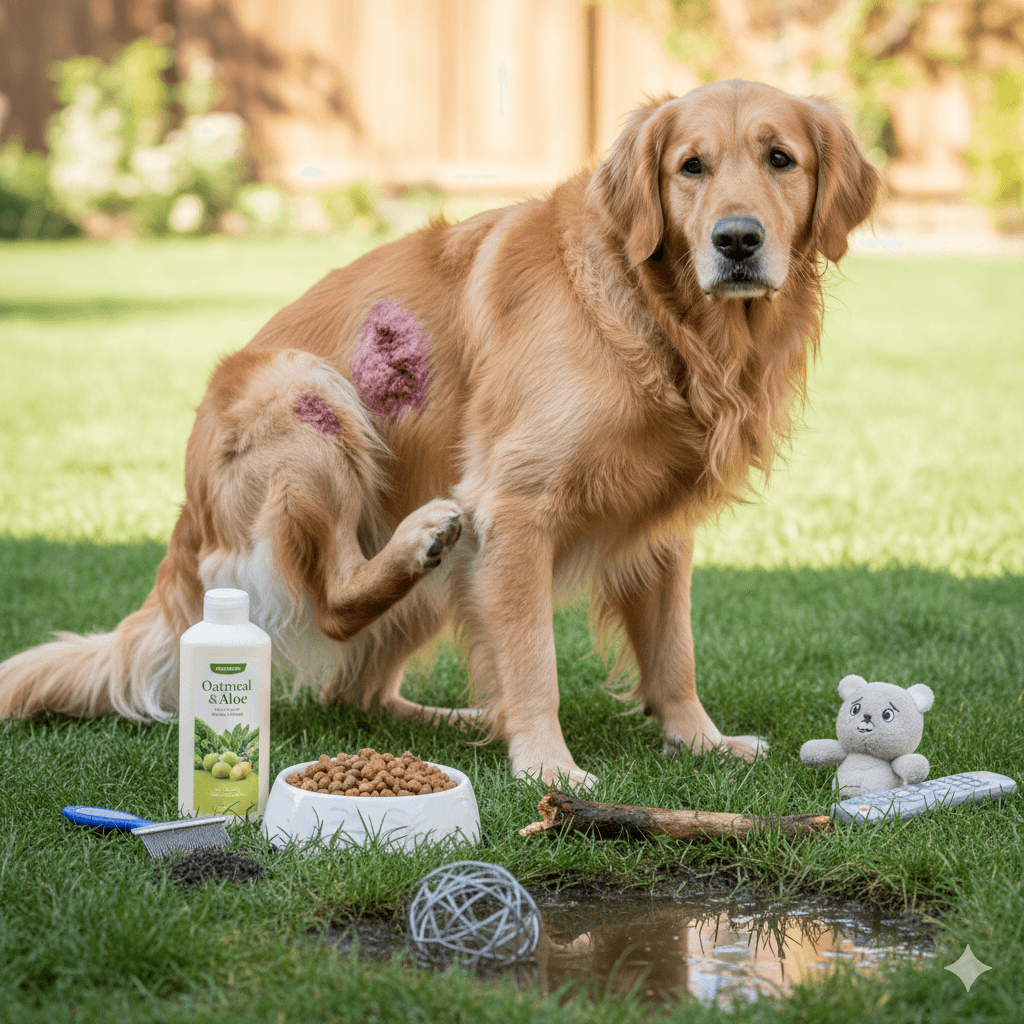

Causes of Dog Hot Spots: Best 7 Expert Tips!

Causes of Dog Hot Spots: Best 7 Expert Tips!

Causes of Dog Hot Spots: What Every Pet Owner Should Know

Hot spots, also known as acute moist dermatitis, are a common yet painful skin condition in dogs. These inflamed patches can appear suddenly and worsen quickly if left untreated. Understanding the underlying causes helps you prevent outbreaks and address them effectively. With proper care, your dog can find relief and heal faster.

What Are Hot Spots and How Do They Form?

Hot spots are areas of irritated, infected skin that result from excessive licking, chewing, or scratching. They often start small but can spread rapidly due to bacteria thriving in warm, moist environments. Here’s what contributes to their development:

 
  • Moisture Trapped on Skin:
    Wet fur after swimming or bathing creates a breeding ground for bacteria and yeast.
     
  • Underlying Allergies:
    Environmental or food allergies can trigger intense itching, leading to self-trauma.
     
  • Flea Infestations:
    Flea bites cause severe irritation, prompting dogs to scratch excessively.
     
  • Poor Grooming Habits:
    Matted fur traps dirt and moisture, increasing the risk of skin infections.
     
  • Stress or Anxiety:
    Compulsive licking or chewing due to stress can damage the skin barrier.
 

Identifying these triggers is the first step toward prevention and treatment.

Causes of Dog Hot Spots: Best 7 Expert Tips!

Common Causes of Hot Spots in Dogs

Several factors contribute to the formation of hot spots. Recognizing these causes allows you to take proactive measures to protect your dog’s skin health:

 
  • Allergic Reactions:
    Pollen, dust mites, or certain foods can cause allergic dermatitis, leading to hot spots.
     
  • Parasites Like Fleas or Mites:
    External parasites irritate the skin, causing dogs to scratch or bite at affected areas.
     
  • Ear Infections:
    Pain or discomfort from ear infections may lead to head shaking and subsequent neck hot spots.
     
  • Seasonal Changes:
    Humidity, heat, and seasonal allergens increase the likelihood of flare-ups during specific times of the year.
     
  • Underlying Medical Conditions:
    Hormonal imbalances or immune disorders can compromise the skin’s natural defenses.
 

Understanding these causes empowers you to address root issues rather than just treating symptoms.

Preventive Measures for Hot Spots
Signs Your Dog May Have a Hot Spot
Regular grooming and brushing
Red, inflamed patches on the skin
Keeping fur dry after baths or swims
Intense licking or chewing at one spot
Using flea prevention products
Hair loss or oozing discharge
Addressing allergies promptly
Foul odor emanating from the area
Reducing stress and anxiety
Visible discomfort or pain when touched

How to Identify Hot Spots Early

Early detection is key to preventing hot spots from worsening. Look for these telltale signs to catch the issue before it spreads:

 
  • Localized Redness or Swelling:
    A single patch of irritated skin may feel warm to the touch.
     
  • Excessive Licking or Chewing:
    Your dog focuses on one area repeatedly, often creating bald spots.
     
  • Moist or Oozing Lesions:
    The affected area may produce pus or fluid, indicating infection.
     
  • Unpleasant Odor:
    Bacterial growth in hot spots produces a distinct, foul smell.
     
  • Behavioral Changes:
    Restlessness, irritability, or avoidance of touch near the affected area.
 

Acting quickly minimizes discomfort and reduces the risk of secondary infections.

Steps to Treat Hot Spots at Home

Mild hot spots can often be managed with home care under veterinary guidance. Follow these steps to help your dog heal comfortably:

 
  • Trim the Fur Around the Area:
    Use clippers to remove hair, allowing air circulation and promoting drying.
     
  • Clean the Affected Area Gently:
    Apply a vet-recommended antiseptic or saline solution to cleanse the wound.
     
  • Apply Topical Treatments:
    Use medicated creams or sprays prescribed by your vet to reduce inflammation and fight infection.
     
  • Prevent Further Licking or Chewing:
    Use an Elizabethan collar (cone) to stop your dog from aggravating the spot.
     
  • Monitor for Improvement:
    Check daily for signs of healing, such as reduced redness or scab formation.
 

Consistent care speeds up recovery and prevents recurrence.


When to Seek Veterinary Help

While some hot spots resolve with home treatment, others require professional intervention. Watch for these signs that indicate a vet visit is necessary:

 
  • Large or Deep Lesions:
    Extensive damage to the skin may need advanced cleaning or antibiotics.
     
  • Persistent Symptoms:
    If the hot spot doesn’t improve within 2–3 days, it could signal a deeper issue.
     
  • Signs of Systemic Illness:
    Fever, lethargy, or loss of appetite suggests a more serious infection.
     
  • Recurrent Hot Spots:
    Frequent outbreaks may point to an underlying medical condition needing diagnosis.
     
  • Aggressive Behavior:
    Pain or fear may cause your dog to snap or resist treatment attempts.
 

Your vet can provide targeted treatments to address both symptoms and root causes.

Tips for Preventing Hot Spots

Prevention is always better than cure when it comes to hot spots. Incorporate these practices into your dog’s routine to minimize risks:

 
  • Regular Bathing and Drying:
    Clean your dog’s coat regularly and ensure thorough drying afterward.
     
  • Effective Parasite Control:
    Use vet-approved flea and tick preventatives year-round.
     
  • Balanced Diet and Hydration:
    Proper nutrition supports healthy skin and boosts immunity against infections.
     
  • Routine Grooming Sessions:
    Brush your dog frequently to remove mats, debris, and trapped moisture.
     
  • Environmental Management:
    Reduce exposure to allergens like pollen, mold, or harsh chemicals.
 

Proactive care keeps your dog’s skin healthy and free from irritation.

Key Factors That Contribute to Hot Spots in Dogs

Hot spots can arise from a variety of triggers, and understanding these factors is crucial for prevention and treatment. Here are the most common causes that pet owners should be aware of:

 
  • Allergic Reactions:
    Environmental allergens like pollen, mold, or dust mites, as well as food allergies, can cause intense itching, leading to self-trauma and hot spots.
     
  • Flea Infestations:
    Flea bites are a major culprit, as they cause severe irritation and prompt excessive scratching or chewing.
     
  • Moisture Trapped on Skin:
    Wet fur from swimming, bathing, or humid weather creates a warm, damp environment where bacteria and yeast thrive.
     
  • Poor Grooming Habits:
    Matted fur traps dirt, debris, and moisture against the skin, increasing the risk of irritation and infection.
     
  • Stress or Anxiety:
    Dogs may lick or chew their skin compulsively when stressed, often resulting in localized trauma and subsequent hot spots.
 

By addressing these underlying causes, you can significantly reduce the likelihood of hot spots developing on your dog’s skin.

“Hot spots are usually caused by self-trauma when a dog scratches an itch so vigorously that it creates an open wound. Many things can cause the initial itch in dogs including allergies, reactions to insect bites, ear infections, and poor grooming.” – Krista Williams

Frequently Asked Questions About Hot Spots

What should I do if my dog has a hot spot?

Clean the area gently, trim surrounding fur, and consult your vet for appropriate treatment options.

With proper care, most hot spots improve within 7–10 days, though severe cases may take longer.

No—hot spots themselves aren’t contagious, but underlying parasites like fleas can spread between animals.

Only use products approved by your vet; some human creams contain ingredients toxic to dogs.


Recurrent hot spots often indicate an underlying issue like allergies, parasites, or poor grooming habits.

Supporting Your Dog Through Hot Spot Recovery

Dealing with hot spots can be stressful for both you and your dog, but timely intervention makes all the difference. By identifying triggers, providing proper care, and seeking veterinary guidance when needed, you can help your pup heal comfortably and prevent future outbreaks. Remember, a happy, healthy dog starts with a strong bond and attentive care—qualities you already bring to the table. Together, you’ll overcome this challenge and enjoy many joyful moments ahead.

 
Is Rawhide Bad for Cats? Best 7 Expert Tips!

Is Rawhide Bad for Cats? Best 7 Expert Tips! – Discover the risks, safe alternatives, and expert advice to keep your feline friend healthy and happy.

Is Rawhide Bad for Dogs? Best 7 Expert Tips!

Is Rawhide Bad for Dogs? Best 7 Expert Tips! – Discover the risks, benefits, and safer alternatives to rawhides for your dog’s chewing needs.

Understanding Anorexia in Cats: Best 7 Expert Tips!

Understanding Anorexia in Cats: Best 7 Expert Tips! – Learn why cats stop eating, spot warning signs, and discover how to help your feline regain appetite safely.

Understanding Anorexia in Dogs: Best 7 Expert Tips!

Understanding Anorexia in Dogs: Best 7 Expert Tips! – Learn causes, symptoms, and solutions to help your dog regain appetite and stay healthy.

Leave a Reply

Your email address will not be published. Required fields are marked *