
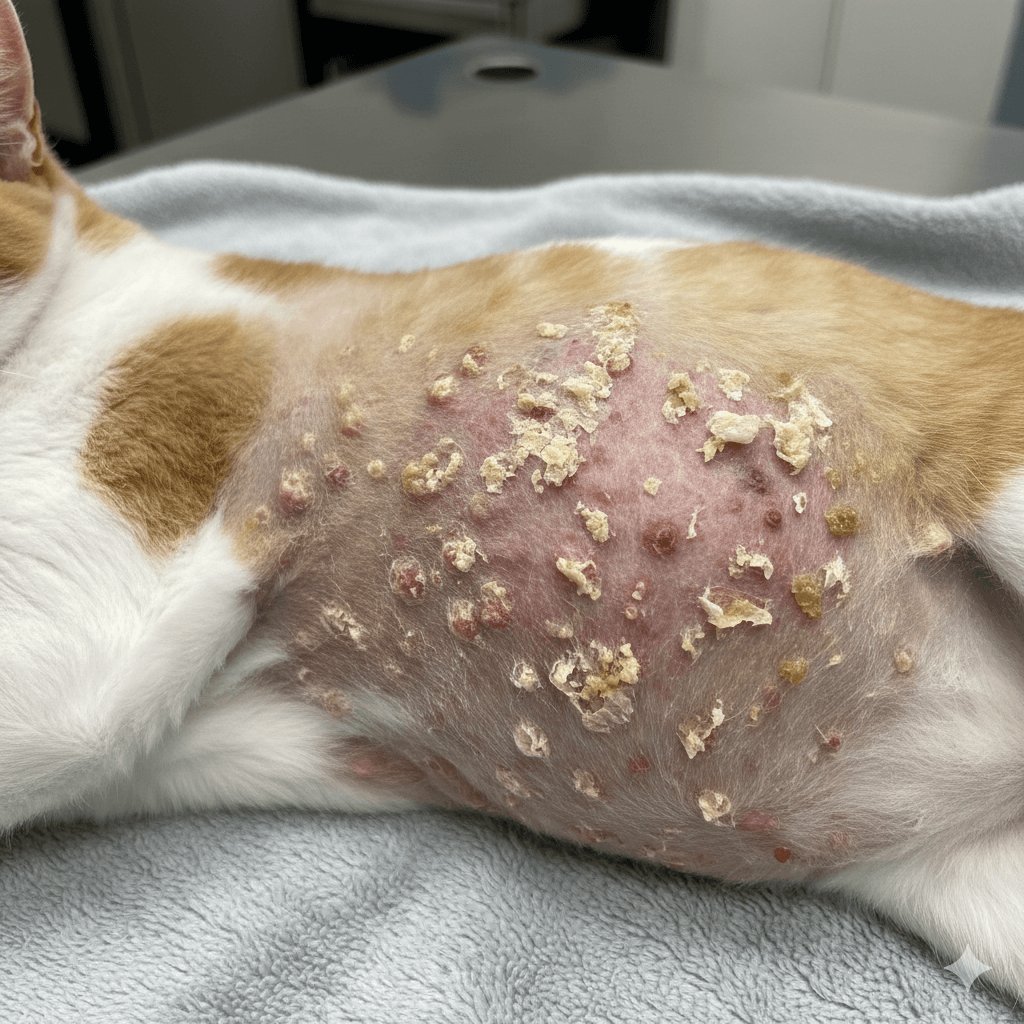

Yeast Infection on Cat Belly: Best 7 Expert Tips!

Yeast Infection on Cat Belly: Best 7 Expert Tips!

Yeast Infection on Cat Belly: What Every Cat Owner Should Know

If you’ve noticed redness, irritation, or a foul odor on your cat’s belly, it could be a yeast infection. These infections are caused by an overgrowth of the fungus Malassezia, which thrives in warm, moist environments. While yeast naturally exists on your cat’s skin, an imbalance can lead to discomfort and require prompt treatment. Understanding the symptoms, causes, and remedies ensures your feline friend gets the care they need.

What Causes Yeast Infections on a Cat’s Belly?

Yeast infections don’t develop out of nowhere—they’re often triggered by underlying issues that disrupt your cat’s natural skin balance. Identifying these root causes is key to preventing recurrence:

 
  • Excessive Moisture:
    Wet fur from bathing or spills creates an ideal environment for yeast to flourish.
     
  • Allergies or Skin Conditions:
    Food allergies, flea bites, or dermatitis can compromise the skin barrier, allowing yeast to overgrow.
     
  • Weakened Immune System:
    Senior cats or those with chronic illnesses are more prone to yeast infections due to reduced immunity.
     
  • Hormonal Imbalances:
    Conditions like hyperthyroidism or diabetes can increase susceptibility to skin infections.
     
  • Poor Grooming Habits:
    Overweight cats may struggle to groom their belly, leading to trapped moisture and debris.
 

Addressing these factors helps prevent future flare-ups after treating the current infection.

Yeast Infection on Cat Belly: Best 7 Expert Tips!

Common Symptoms of a Yeast Infection on a Cat’s Belly

Catching a yeast infection early minimizes discomfort and prevents complications. Watch for these telltale signs on your cat’s belly:

 
  • Red, Inflamed Skin:
    The belly area may appear irritated, swollen, or raw due to constant scratching.
     
  • Foul Odor:
    A musty or yeasty smell often accompanies the infection, even without visible symptoms.
     
  • Hair Loss or Thinning:
    Excessive licking or chewing can cause bald patches on the affected area.
     
  • Flaky or Oily Skin:
    Dandruff-like flakes or greasy residue may develop as the skin tries to heal itself.
     
  • Behavioral Changes:
    Increased grooming, restlessness, or irritability signals your cat’s discomfort.
 

Recognizing these symptoms allows you to seek veterinary care before the infection worsens.

Symptoms of Yeast Infection
Treatment Options
Red, inflamed skin
Antifungal shampoos or wipes
Foul odor
Medicated creams or ointments
Hair loss or thinning
Oral antifungal medications
Flaky or oily skin
Dietary supplements (e.g., omega-3 oils)
Behavioral changes
Environmental adjustments (e.g., reducing moisture)

How Yeast Infections Are Diagnosed

If you suspect a yeast infection, your vet will conduct tests to confirm the diagnosis and rule out other conditions. Here’s what to expect during the process:

 
  • Physical Examination:
    Your vet inspects the belly for visible signs of infection, such as redness or flakiness.
     
  • Skin Scraping Test:
    A small sample of skin cells is examined under a microscope to identify yeast organisms.
     
  • Culture or Biopsy:
    In severe cases, further testing determines the exact strain of yeast causing the issue.
     
  • Blood Tests:
    These help detect underlying health problems contributing to the infection.
     
  • Allergy Testing:
    If allergies are suspected, your vet may recommend allergy panels to pinpoint triggers.
 

Accurate diagnosis ensures targeted treatment tailored to your cat’s specific needs.


Effective Treatments for Yeast Infections

Treating a yeast infection requires addressing both the overgrowth and its underlying cause. Here’s how veterinarians typically manage this condition:

 
  • Antifungal Shampoos:
    Medicated baths with ingredients like chlorhexidine or ketoconazole cleanse and soothe the skin.
     
  • Topical Creams:
    Prescription ointments applied directly to the belly reduce inflammation and kill yeast.
     
  • Oral Medications:
    Drugs like fluconazole or itraconazole target systemic yeast overgrowth for severe infections.
     
  • Dietary Adjustments:
    High-quality diets rich in omega-3 fatty acids support skin health and boost immunity.
     
  • Environmental Changes:
    Keeping your cat’s living area clean and dry minimizes reinfection risks.
 

Consistent treatment restores your cat’s skin to its healthy state while preventing future outbreaks.

Tips to Prevent Yeast Infections on Your Cat’s Belly

Prevention is always better than cure when it comes to yeast infections. Follow these tips to keep your cat’s belly healthy and infection-free:

 
  • Regular Grooming:
    Brush your cat frequently to remove loose hair and debris, especially around the belly area.
     
  • Maintain a Dry Environment:
    Wipe your cat’s belly after meals or spills to prevent moisture buildup.
     
  • Monitor Weight:
    Help overweight cats maintain a healthy weight to avoid skin folds where yeast thrives.
     
  • Check for Allergies:
    Identify and eliminate potential allergens in food or the environment that trigger skin issues.
     
  • Routine Vet Visits:
    Regular check-ups catch early signs of skin problems before they escalate into infections.
 

Proactive measures ensure your cat stays comfortable and free from yeast-related discomfort.

Understanding the Role of Diet in Managing Yeast Infections

A yeast infection on your cat’s belly isn’t just a skin issue—it can often be linked to your cat’s diet. Certain foods may contribute to an overgrowth of yeast, especially if they’re high in sugars or carbohydrates. Here’s how dietary adjustments can play a key role in managing and preventing yeast infections:

 
  • Low-Carb Diets Reduce Yeast Growth:
    Yeast thrives on sugar, so reducing carbohydrate intake can help starve the fungus and prevent flare-ups.
     
  • Probiotics Restore Gut Balance:
    Adding probiotics to your cat’s diet promotes healthy gut flora, which supports immune function and reduces yeast overgrowth.
     
  • Omega-3 Fatty Acids Support Skin Health:
    Supplements like fish oil improve skin barrier function, making it harder for yeast to invade and cause irritation.
     
  • Hydration is Essential:
    Ensuring your cat drinks enough water keeps their skin hydrated and less prone to dryness or flakiness that yeast loves.
     
  • Avoid Allergenic Ingredients:
    Common allergens like chicken, beef, or grains can trigger inflammation, creating an environment where yeast thrives.
 

By addressing your cat’s diet, you not only tackle the current infection but also reduce the likelihood of future outbreaks.

When to Seek Veterinary Help for Your Cat’s Yeast Infection

While mild yeast infections can sometimes be managed at home, certain signs indicate the need for professional veterinary care. Recognizing when to consult your vet ensures your cat receives timely and effective treatment:

 
  • Severe Redness or Open Sores:
    If your cat’s belly has deep wounds, scabs, or oozing lesions, it may require prescription-strength medication.
     
  • Persistent Symptoms Despite Treatment:
    If over-the-counter remedies or home care don’t improve the condition within 1–2 weeks, further evaluation is necessary.
     
  • Behavioral Changes:
    Signs like lethargy, loss of appetite, or excessive grooming signal discomfort that may indicate a more serious underlying issue.
     
  • Foul Odor That Won’t Go Away:
    A strong, persistent smell suggests advanced yeast overgrowth that likely needs medicated shampoos or oral antifungals.
     
  • Underlying Health Conditions:
    Cats with diabetes, allergies, or immunodeficiency are more prone to severe infections and require tailored treatment plans.
 

Prompt veterinary intervention prevents complications and ensures your cat gets the care they need to heal fully.

Frequently Asked Questions About Yeast Infections on Cat Bellies

What does a yeast infection look like on a cat’s belly?

It appears as red, inflamed skin with possible hair loss, flakiness, or a yeasty odor.

Mild cases may respond to vet-recommended antifungal shampoos, but severe infections require professional care.

With proper treatment, symptoms usually improve within 1–2 weeks, though full recovery may take longer.

No—yeast infections aren’t contagious, but shared environments can expose other pets to similar risks.

Yes—a balanced diet rich in omega-3s supports skin health and reduces susceptibility to infections.

Supporting Your Cat Through Recovery

A yeast infection on your cat’s belly can be uncomfortable, but with timely intervention and proper care, your feline companion will soon feel like themselves again. Remember, patience and consistency are key—whether it’s administering medication, maintaining grooming routines, or making dietary changes. By staying vigilant and working closely with your veterinarian, you’ll not only treat the current infection but also safeguard against future occurrences. After all, a happy, healthy cat is the ultimate reward for your efforts.

Cat Anaphylactic Shock Treatment Costs: Best 7 Expert Tips!

Cat Anaphylactic Shock Treatment Costs: Best 7 Expert Tips! – Learn about costs, treatments, and financial aid options to save your cat’s life.

Exocrine Pancreatic Insufficiency in Cats: Best 7 Tips!

Exocrine Pancreatic Insufficiency in Cats: Best 7 Tips! – Learn to spot symptoms, manage EPI effectively, and improve your cat’s quality of life with expert advice.

Cost of Dog Anaphylactic Shock Treatment: Best 7 Tips!

Cost of Dog Anaphylactic Shock Treatment: Best 7 Tips! – Learn about emergency costs, financial planning, and ways to manage expenses for your dog’s care.

Exocrine Pancreatic Insufficiency in Dogs: Best 7 Tips!

Exocrine Pancreatic Insufficiency in Dogs: Best 7 Tips! – Learn to spot symptoms, manage EPI effectively, and improve your dog’s quality of life with expert guidance.

Leave a Reply

Your email address will not be published. Required fields are marked *


