
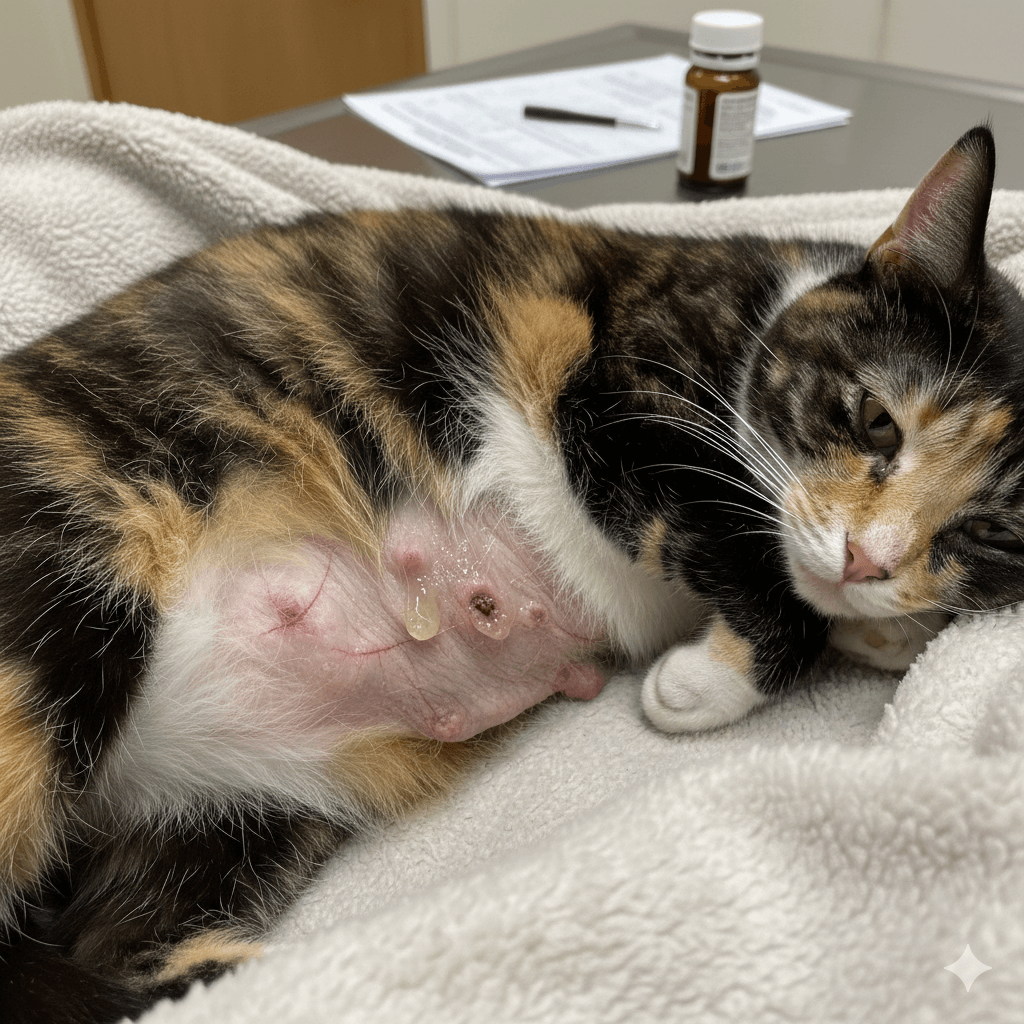

Bacterial Infection Stomach in Cats: Best 7 Expert Tips!

Bacterial Infection Stomach in Cats: Best 7 Expert Tips!

Understanding Bacterial Infection Stomach in Cats

If your cat is vomiting, has diarrhea, or seems unusually withdrawn, a bacterial stomach infection could be to blame. While not always severe, these infections can quickly escalate without proper care—especially in kittens or older cats. Recognizing early signs and understanding common triggers helps you act swiftly and support your feline’s recovery. With the right knowledge, you can ease their discomfort and prevent complications. Let’s explore what every cat owner should know about this common yet often misunderstood condition.

Common Signs Your Cat May Have a Bacterial Stomach Infection

Bacterial infections in a cat’s gastrointestinal tract often mimic other digestive issues, but certain patterns point toward a bacterial origin. These symptoms typically develop within hours to a few days after exposure and may worsen if untreated. Watch for these key indicators:

 
  • Persistent Vomiting:
    Cats may vomit yellow bile, food, or foam multiple times a day, especially after eating or drinking.
     
  • Diarrhea with Mucus or Blood:
    Loose stools may appear watery, contain visible mucus, or show streaks of fresh blood—signs of intestinal inflammation.
     
  • Loss of Appetite:
    A sudden disinterest in food, even favorite treats, often signals abdominal discomfort or systemic illness.
     
  • Lethargy and Hiding Behavior:
    Infected cats frequently retreat to quiet, dark spaces and show reduced interaction or grooming.
     
  • Mild Fever or Dehydration:
    Warm ears, dry gums, or decreased skin elasticity can indicate your cat is fighting an internal infection.
 

While some mild cases resolve with rest, bacterial infections often require veterinary diagnosis and targeted treatment to prevent complications like sepsis or chronic enteritis.

Bacterial Infection Stomach in Cats: Best 7 Expert Tips!

When to Seek Immediate Veterinary Care

Not all tummy troubles are benign. In cats, bacterial stomach infections can deteriorate rapidly—particularly if the immune system is compromised. Watch for these red flags that demand urgent attention:

 
  • Vomiting or Diarrhea Lasting Over 24 Hours:
    Prolonged fluid loss leads to dangerous dehydration, especially in small or elderly cats.
     
  • Bloody Stool or Vomit:
    This may signal severe mucosal damage or invasion by aggressive pathogens like Salmonella or Clostridium.
     
  • Refusal to Drink Water:
    Even mildly dehydrated cats become vulnerable to kidney strain and electrolyte imbalances.
     
  • Temperature Above 103.5°F (39.7°C):
    A sustained fever suggests the infection is spreading beyond the gut.
     
  • Collapse or Extreme Weakness:
    Limpness, inability to stand, or unresponsiveness are medical emergencies requiring immediate intervention.
 

If any of these signs appear, do not delay—contact your veterinarian or an emergency clinic right away.

Early Warning Signs
Serious Complications to Monitor
Occasional vomiting
Vomiting with blood or bile persisting >24h
Soft or loose stool
Diarrhea with mucus, blood, or foul odor
Reduced food intake
Complete anorexia for more than 18 hours
Slight lethargy
Hiding, unresponsiveness, or inability to jump
Mild dehydration (slightly dry gums)
Sunken eyes, skin tenting, or cold paws

Common Bacterial Culprits Behind Feline Stomach Infections

Several bacteria can invade a cat’s digestive system, often through contaminated food, water, or environmental exposure. Identifying likely sources helps with both treatment and prevention:

 
  • Salmonella:
    Often contracted from raw meat, unpasteurized dairy, or contact with infected wildlife or reptiles.
     
  • Campylobacter:
    Commonly spread through contaminated water, undercooked poultry, or fecal-oral transmission in multi-cat households.
     
  • Clostridium perfringens:
    A toxin-producing bacterium that may overgrow after dietary changes or stress, causing acute diarrhea.
     
  • E. coli (Pathogenic Strains):
    While some E. coli are harmless, certain strains cause severe inflammation—especially in kittens with immature immunity.
     
  • Helicobacter spp.:
    These stomach-dwelling bacteria are linked to chronic gastritis and intermittent vomiting in adult cats.
 

Accurate diagnosis often requires fecal culture, PCR testing, or endoscopy—especially if symptoms become recurrent.

At-Home Support for Mild Cases (With Vet Approval)

If your veterinarian confirms a mild bacterial infection and advises home care, focus on hydration, gut rest, and monitoring. Never treat without professional guidance, as some infections worsen with improper care:

 
  • Withhold Food Briefly:
    A 6–12 hour fast (shorter for kittens) allows the gut to heal, but continue offering small amounts of water or ice chips.
     
  • Offer Bland, Easily Digestible Food:
    Boiled chicken (no seasoning) with plain rice or a prescription gastrointestinal diet can soothe the digestive tract.
     
  • Encourage Hydration:
    Use a cat fountain, add water to food, or offer diluted low-sodium chicken broth to maintain fluid intake.
     
  • Keep the Litter Box Clean:
    Frequent scooping reduces reinfection risk and encourages your cat to eliminate comfortably.
     
  • Limit Stress and Activity:
    Provide a quiet, warm space away from other pets or household noise to support immune recovery.
 

Always follow your vet’s instructions precisely—especially if antibiotics are prescribed, as incomplete courses can lead to resistant bacteria.

Preventing Future Bacterial Stomach Infections

Prevention centers on hygiene, diet, and environmental control. Since cats groom meticulously and often ingest bacteria during self-cleaning, reducing exposure is key:

 
  • Avoid Raw or Undercooked Diets:
    Commercial cooked or veterinary-formulated foods significantly lower bacterial contamination risk.
     
  • Wash Food and Water Bowls Daily:
    Use hot, soapy water or a dishwasher to eliminate biofilm where bacteria thrive.
     
  • Store Wet Food Properly:
    Discard uneaten wet food after 30–60 minutes; never leave it out for hours.
     
  • Limit Outdoor Access or Supervise Closely:
    Hunting, scavenging, or drinking from puddles increases exposure to Salmonella, Campylobacter, and parasites.
     
  • Practice Good Litter Box Hygiene:
    Scoop daily and disinfect weekly with pet-safe cleaners to prevent fecal-oral reinfection.
 

Consistent routines and cleanliness go a long way in protecting your cat’s delicate digestive balance.

Special Considerations for Kittens, Seniors, and Immunocompromised Cats

Young, old, or medically fragile cats face higher risks from bacterial stomach infections. Their immune systems respond less effectively, making even mild pathogens dangerous:

 
  • Kittens Under 6 Months:
    Immature immunity means rapid dehydration and sepsis risk—always seek vet care at the first sign of illness.
     
  • Senior Cats (10+ Years):
    Underlying conditions like kidney disease or diabetes can mask or worsen infection symptoms.
     
  • Cats on Immunosuppressants:
    Those treated for asthma, IBD, or cancer are more vulnerable to opportunistic bacterial overgrowth.
     
  • FIV or FeLV-Positive Cats:
    Compromised immunity increases susceptibility to severe or recurrent infections.
     
  • Multi-Cat Households:
    Bacteria spread easily through shared litter boxes, food bowls, or grooming—prompt isolation may be needed.
 

For these cats, early veterinary involvement isn’t just recommended—it’s essential for survival.

What to Expect During a Veterinary Diagnosis

Your vet will use a combination of history, physical exam, and diagnostics to confirm a bacterial cause and rule out viruses, parasites, or systemic disease:

 
  • Fecal Testing:
    A comprehensive panel (including culture, PCR, or ELISA) identifies specific bacteria like Salmonella or Clostridium.
     
  • Blood Work:
    CBC and chemistry panels assess inflammation, dehydration, and organ function.
     
  • Imaging (If Needed):
    X-rays or ultrasound may rule out foreign bodies or intussusception mimicking infection symptoms.
     
  • Antibiotic Sensitivity Testing:
    If bacteria are found, this ensures the most effective antibiotic is chosen—avoiding guesswork.
     
  • Hospitalization Consideration:
    Severely dehydrated or septic cats may need IV fluids, injectable antibiotics, and monitoring.
 

A precise diagnosis ensures your cat receives the right treatment—not just a blanket antibiotic that could disrupt healthy gut flora.

Frequently Asked Questions About Bacterial Infection Stomach in Cats

Can humans get a stomach infection from their cat?

Yes—some bacteria like Salmonella and Campylobacter are zoonotic. Always wash hands after handling litter or sick cats.

With proper antibiotics and care, most cats improve within 2–3 days, though full recovery may take 5–7 days.

Only if recommended by your vet—some probiotics interfere with antibiotics or aren’t suitable during active infection.

Not always—some cats show only diarrhea, lethargy, or weight loss, especially with chronic Helicobacter infections.

Stress doesn’t directly cause it but can disrupt gut flora, allowing harmful bacteria to overgrow—making prevention vital.

Supporting Your Cat Through Illness and Building Long-Term Gut Health

A bacterial stomach infection is more than just an upset tummy—it’s a signal that your cat’s internal balance has been disrupted. By responding with prompt care, informed choices, and gentle support, you not only guide them through recovery but also strengthen their resilience for the future. Remember, a healthy gut is the foundation of your cat’s immune function, mood, and overall vitality. Use this experience to refine their diet, reduce environmental risks, and deepen your vigilance. Above all, your calm presence and unwavering attention are the most powerful medicine your feline companion could receive.

Dog Seizure Symptoms: Best 7 Expert Tips!

Dog Seizure Symptoms: Best 7 Expert Tips! – Learn to spot signs, respond effectively, and manage seizures in dogs for a healthier, happier life.

Carprofen Dosage for Cats: Best 7 Expert Tips!

Carprofen Dosage for Cats: Best 7 Expert Tips! – Learn safe dosing, risks, and alternatives to manage pain and inflammation in cats effectively.

Africanis Dog Breed: Best 7 Expert Tips!

Africanis Dog Breed: Best 7 Expert Tips! – Explore the resilience, loyalty, and adaptability of this ancient African breed, perfect for diverse lifestyles.

Cruciate Ligament Injury Symptoms in Dogs: Best 7 Tips!

Cruciate Ligament Injury Symptoms in Dogs: Best 7 Tips! – Discover key signs like limping, swelling, and joint instability to ensure prompt treatment.

Leave a Reply

Your email address will not be published. Required fields are marked *

Post Category


