
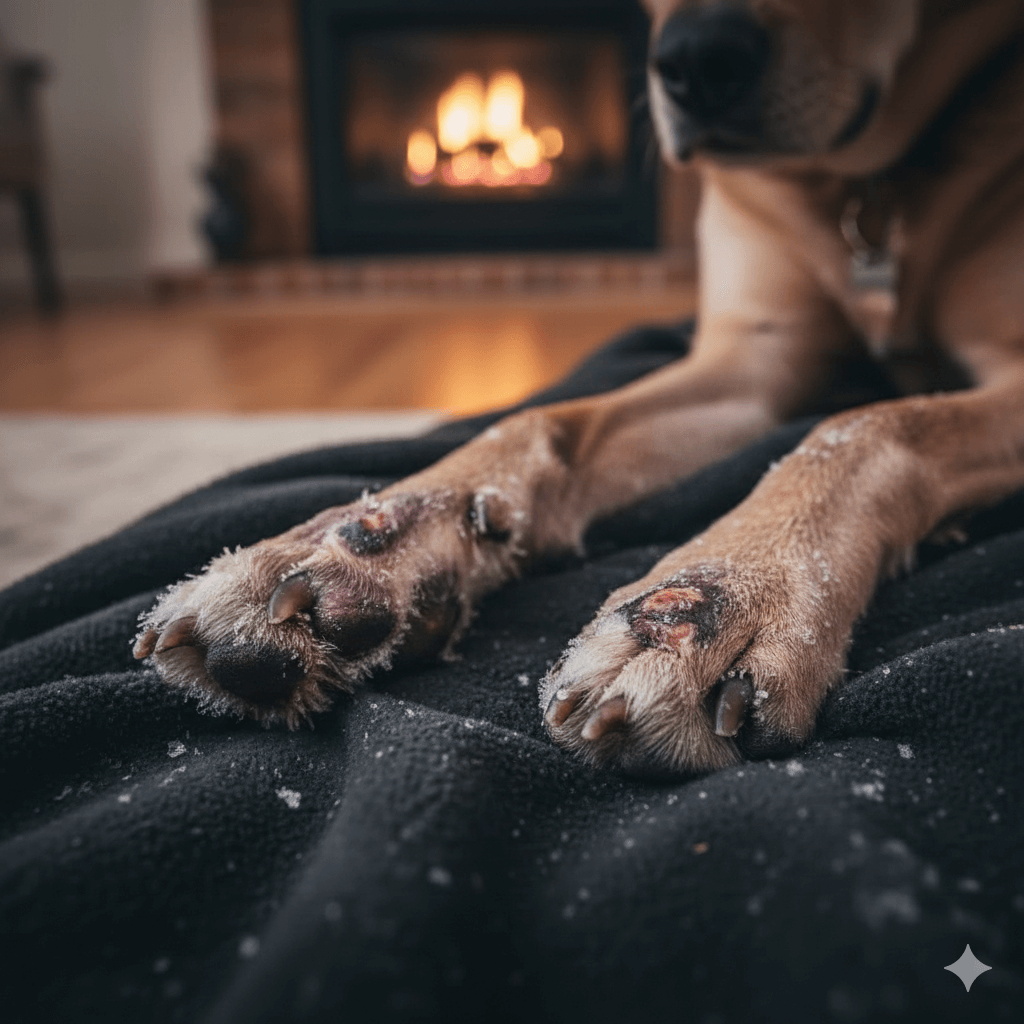

Understanding Frostbite on Dog Paws: Best 7 Expert Tips!
When temperatures plummet, your dog’s paws are among the first body parts at risk of frostbite—a painful condition caused by freezing of the skin and tissues. Though dogs wear built-in “boots,” their paw pads aren’t immune to extreme cold, ice, or prolonged exposure. Recognizing early signs, knowing prevention strategies, and acting quickly can save tissue and prevent long-term damage. Whether you’re walking through snow or facing a winter storm, protecting your dog’s paws starts with awareness. With expert-backed guidance, you can keep your loyal companion safe, warm, and comfortable all season long.
How Frostbite Develops on Dog Paws
Frostbite occurs when blood vessels constrict in extreme cold, reducing circulation to extremities like ears, tails, and—most commonly—paws. Without adequate blood flow, skin and underlying tissues freeze, leading to cell damage. While any dog can be affected, certain factors increase vulnerability during winter walks or outdoor exposure:
- Prolonged Exposure to Sub-Freezing Temperatures:
Just 15–30 minutes in below-freezing conditions can trigger frostbite in sensitive dogs, especially if wet or wind-chilled. - Wet or Snow-Packed Paws:
Moisture accelerates heat loss—snow melting between toes creates a chilling microclimate that speeds tissue freezing. - Thin-Furred or Hairless Paw Pads:
Breeds with minimal paw fur (like Greyhounds or Chihuahuas) lack natural insulation compared to Arctic breeds. - Poor Circulation Due to Age or Health:
Senior dogs, puppies, or those with heart disease, diabetes, or hypothyroidism struggle to maintain core warmth and peripheral blood flow. - Small or Short-Legged Breeds:
Dogs closer to the ground encounter more snow and ice, increasing direct contact time with freezing surfaces.
While frostbite is treatable in early stages, delayed care can lead to tissue death—making prevention and vigilance essential during winter months.
Early Warning Signs of Frostbite on Dog Paws
Catching frostbite early dramatically improves outcomes. Unlike humans, dogs can’t tell us when their paws hurt—but they show clear physical and behavioral clues that something’s wrong. Watch for these subtle yet telling signs during or after cold exposure:
- Pale, Gray, or Bluish Paw Pads:
Healthy pink pads turn unusually light or take on a waxy, cold appearance—a hallmark of reduced blood flow. - Cold or Brittle Skin to the Touch:
Affected areas feel significantly colder than the rest of the body and may seem stiff or hard. - Swelling or Redness After Warming:
As circulation returns, tissues may redden, swell, or become painful—this “reperfusion” phase can be alarming but is part of healing. - Limping or Reluctance to Walk:
Your dog may lift a paw, walk gingerly, or refuse to stand—indicating pain or numbness in the affected area. - Excessive Licking or Chewing at Paws:
Irritation or tingling as the area thaws can prompt your dog to obsessively lick, potentially worsening injury.
If you notice any of these signs, bring your dog indoors immediately and begin gentle warming—never use direct heat or rub the area.
Check this guide 👉Dog Paw Infection Between Toes: Best 7 Expert Tips!
Check this guide 👉Bee Sting Dog Paw Treatment: Best 7 Expert Tips!
Check this guide 👉Swollen Dog Paw Infection: Best 7 Expert Tips!
Prevention Essentials | Emergency Response Steps |
|---|---|
Limit outdoor time below 20°F (-6°C) | Move your dog to a warm, dry indoor space |
Use insulated dog boots for walks | Gently soak paws in lukewarm (not hot) water (90–100°F / 32–38°C) |
Apply paw balm before snow exposure | Avoid rubbing or massaging frostbitten tissue |
Wipe paws thoroughly after every outing | Wrap paws in clean, dry towels after warming |
Trim excess hair between toes to reduce ice buildup | Contact your vet—even if skin looks normal—to assess tissue damage |
At-Risk Dog Breeds and Individual Factors
Not all dogs face the same frostbite risk. While Arctic breeds like Huskies have evolved protective adaptations, many popular companions are far more vulnerable due to genetics, size, or health. Understanding your dog’s personal risk helps you tailor winter care appropriately:
- Short-Haired or Toy Breeds:
Chihuahuas, Dachshunds, and Italian Greyhounds lack insulating fat and fur, making them highly susceptible even in mild cold. - Senior Dogs and Puppies:
Both groups struggle to regulate body temperature—older dogs may have circulatory issues, while puppies lose heat rapidly. - Dogs with Medical Conditions:
Hypothyroidism, heart disease, or Cushing’s disease impair thermoregulation and blood flow to extremities. - Recently Groomed or Shaved Dogs:
Reduced coat coverage—whether for summer or medical reasons—leaves dogs less protected during unexpected cold snaps. - High-Energy Dogs That Ignore Discomfort:
Some breeds (like Border Collies) may overexert in snow without signaling distress, increasing exposure time unknowingly.
Tailoring your winter routine to your dog’s unique profile is the first step in frostbite prevention.
Safe Winter Walk Strategies to Protect Paws
You don’t have to skip walks in winter—but you should adjust them. Smart habits before, during, and after outdoor time can shield your dog’s paws from ice, salt, and freezing temperatures without sacrificing exercise or mental stimulation:
- Choose the Right Footwear:
Insulated, waterproof dog boots with non-slip soles provide the best barrier against ice, chemicals, and cold pavement. - Apply Protective Paw Balm:
Products with beeswax, shea butter, or coconut oil create a moisture barrier that repels salt and prevents chapping. - Avoid Peak Cold Hours:
Walk during midday when temperatures are highest and surfaces are less icy—especially critical for short-legged breeds. - Watch for Ice Balls Between Toes:
Stop frequently to remove snow clumps that harden into painful ice balls, which accelerate frostbite risk. - Rinse Paws After Every Walk:
Use warm water to remove de-icing salts, antifreeze residue, or ice crystals that can irritate or burn sensitive skin.
These proactive steps turn risky winter outings into safe, enjoyable adventures for you and your pup.
Home Care for Mild Frostbite Cases
If you suspect mild frostbite and your vet approves home management, gentle rewarming and monitoring are crucial. Never assume the injury is minor—frostbite can worsen over 24–48 hours as inflammation sets in. Follow these steps carefully:
- Use Lukewarm (Not Hot) Water Soaks:
Submerge affected paws in water between 90–100°F (32–38°C) for 15–20 minutes until skin regains pink color. - Pat Dry—Never Rub:
Gently blot the area with a soft towel; friction can damage fragile, thawing tissue. - Keep Your Dog Warm and Calm:
Wrap them in blankets and restrict movement to prevent further injury or stress-induced vasoconstriction. - Do Not Apply Ointments or Creams Prematurely:
Wait for veterinary guidance—some topical products can trap moisture or irritate damaged skin. - Monitor for Blisters, Blackening, or Odor:
These signs indicate deeper tissue death (necrosis) and require immediate veterinary surgery or antibiotics.
Even if your dog seems fine after warming, a vet visit is strongly advised—internal damage isn’t always visible.
When Frostbite Becomes an Emergency
Severe frostbite is a veterinary crisis. Delaying care can lead to infection, gangrene, or amputation. Know these red flags that demand immediate professional treatment:
- Skin Turns Black or Leathery:
This signals tissue death (necrosis), which cannot be reversed and may spread without intervention. - Blisters or Open Sores Appear:
Fluid-filled blisters or weeping wounds indicate second- or third-degree injury requiring sterile wound care. - Your Dog Shows Signs of Pain or Shock:
Whining, trembling, rapid breathing, or pale gums suggest systemic distress beyond localized injury. - No Improvement After 24 Hours:
Persistent coldness, swelling, or discoloration means deeper structures (muscle, bone) may be affected. - Fever or Lethargy Develops:
These suggest secondary infection—a life-threatening complication if untreated.
In these cases, do not wait—frostbite treatment is time-sensitive, and early veterinary action can save limbs and lives.
Long-Term Recovery and Paw Health After Frostbite
Even after successful treatment, frostbitten paws may have lasting effects. Scar tissue, altered sensation, or nail bed damage can change how your dog walks or tolerates future cold. Supporting long-term healing involves patience and proactive care:
- Follow All Veterinary Instructions:
Antibiotics, pain meds, or bandage changes must be completed exactly as prescribed to prevent setbacks. - Moisturize Healing Skin Gently:
Once cleared by your vet, use fragrance-free paw balms to prevent cracking and promote elasticity. - Introduce Weight-Bearing Slowly:
If your dog limped during recovery, ease back into walks to avoid strain on healing tissues. - Avoid Cold Exposure Entirely During Recovery:
Keep your dog indoors during winter months until full sensation and strength return. - Watch for Reinjury or Sensitivity:
Previously frostbitten paws may remain more vulnerable—treat them as high-risk zones in future winters.
With attentive aftercare, many dogs regain full function—but they’ll always need extra protection in the cold.
Frequently Asked Questions About Frostbite on Dog Paws
Can frostbite on dog paws heal on its own?
Mild cases may improve with prompt warming, but veterinary evaluation is essential to rule out hidden tissue damage.
How long does frostbite take to show on dog paws?
Signs can appear within 15–30 minutes of extreme cold exposure, especially if paws are wet or wind-chilled.
Are dog boots really necessary in winter?
For at-risk breeds or prolonged cold exposure, yes—they’re one of the most effective ways to prevent frostbite and chemical burns.
Can I use human hand warmers to warm my dog’s paws?
For at-risk breeds or prolonged cold exposure, yes—they’re one of the most effective ways to prevent frostbite and chemical burns.
Will my dog lose toes from frostbite?
In severe cases with necrosis, amputation may be necessary to stop infection—but early treatment often prevents this outcome.
Keeping Your Dog Safe, One Paw at a Time
Frostbite on dog paws is more than a winter inconvenience—it’s a serious threat that demands respect, preparation, and swift action. Yet with the right knowledge, you can turn the coldest months into a season of safety and shared walks. By recognizing early signs, choosing protective gear, and acting fast when danger looms, you honor your dog’s trust in your care. Remember: those paws carry your best friend through life—through snow, ice, and sunshine alike. Protecting them isn’t just practical—it’s an act of love, one gentle step at a time.
Newfoundland Dog Personality: Best 7 Expert Tips! – Discover the gentle, loyal, and protective nature of this giant breed perfect for families.
Can Hot Pavement Burn Your Cats Paws? Best 7 Expert Tips! – Learn how to protect your cat’s paws from hot surfaces and prevent painful burns this summer.
Can Hot Pavement Burn Your Dogs Paws? Best 7 Expert Tips! – Learn how to protect your dog’s paws from hot surfaces and ensure safe summer walks.
Irish Wolfhound Size: Best 7 Expert Tips! – Discover the ideal height, weight, and care tips for this majestic giant breed. Learn how to manage their impressive stature responsibly.


