
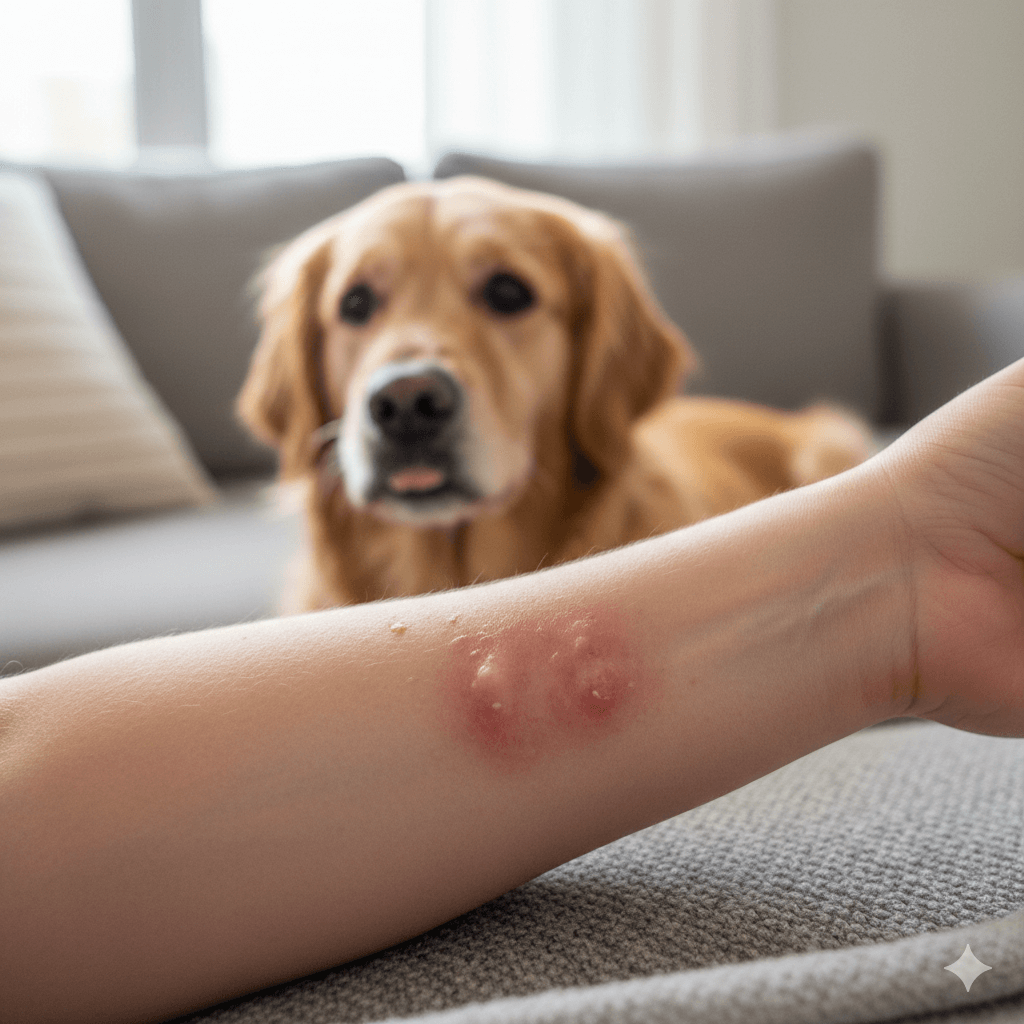

Human Allergic Reaction to Dog Saliva: Best 7 Expert Tips!

Human Allergic Reaction to Dog Saliva: Best 7 Expert Tips!

Understanding Human Allergic Reaction to Dog Saliva: Best 7 Expert Tips!


If you’ve ever sneezed, itched, or broken out in hives after your dog licks you, you might be reacting to proteins in their saliva. While many assume pet allergies stem only from dander or fur, dog saliva is a potent—and often overlooked—trigger. These allergic reactions can range from mild skin irritation to severe respiratory distress, especially in sensitive individuals. Fortunately, awareness, management, and smart lifestyle choices can help you live comfortably with your canine companion. Discover what causes these reactions and how to minimize their impact—without saying goodbye to your beloved pet.

Common Symptoms of Allergy to Dog Saliva

Reactions to dog saliva typically occur shortly after contact—especially when licked on the face, hands, or broken skin. While symptoms vary by individual sensitivity, most people experience a combination of skin, eye, or respiratory signs. Early recognition helps prevent escalation and guides better allergen management:

 
  • Localized Skin Rash or Hives:
    Red, itchy bumps often appear where saliva touched the skin, resembling insect bites or contact dermatitis.
     
  • Facial Swelling or Itching:
    Eyes, lips, or cheeks may swell, burn, or feel tight after being licked—particularly in children or highly sensitive adults.
     
  • Sneezing and Runny Nose:
    Inhaled saliva particles (from grooming or close contact) can trigger classic hay-fever-like symptoms within minutes.
     
  • Watery or Red Eyes:
    Conjunctivitis-like irritation may develop if saliva contacts the eyes directly or via contaminated hands.
     
  • Wheezing or Coughing:
    In asthmatics, airborne saliva proteins can provoke bronchial constriction, leading to breathing difficulties.
 

Though rarely life-threatening, these symptoms can significantly impact daily comfort—especially in households with frequent dog interaction.

Human Allergic Reaction to Dog Saliva: Best 7 Expert Tips!

Why Dog Saliva Triggers Allergies

Dog saliva contains specific proteins (like Can f 1 and Can f 2) that the human immune system may misidentify as threats. Unlike dander, which floats in the air for days, saliva transfers directly through touch or airborne droplets during licking or shaking. Understanding the biological mechanism clarifies why some people react severely—even to “hypoallergenic” breeds:

 
  • Protein Sensitivity:
    The immune system produces IgE antibodies against harmless salivary proteins, launching an inflammatory response.
     
  • Cross-Reactivity:
    Some individuals allergic to other mammals (cats, horses) may also react to similar proteins in dog saliva.
     
  • Breed Misconceptions:
    No dog is truly non-allergenic; even hairless or low-shedding breeds produce saliva containing allergens.
     
  • Environmental Amplification:
    Saliva dries on fur, bedding, or carpets, becoming airborne and increasing exposure beyond direct contact.
     
  • Cumulative Exposure:
    Repeated contact—even small amounts—can worsen sensitivity over time, especially in indoor-only homes.
 

This explains why avoiding licks alone may not stop symptoms; comprehensive allergen control is often needed.

Immediate Triggers
Long-Term Exposure Risks
Direct licking on skin or face
Dried saliva on furniture or clothing
Dog grooming near your face
Airborne particles from shaking or barking
Handling toys licked by your dog
Saliva residue in bedding or car seats
Kissing or cuddling your pet
Allergen buildup in poorly ventilated rooms
Sharing food or utensils
Cross-contamination via hands or surfaces

At-Home Management Strategies

Reducing allergic reactions starts with minimizing contact with saliva and controlling its spread through your environment. These practical steps can dramatically lower symptom frequency without rehoming your dog:

 
  • Set Physical Boundaries:
    Train your dog not to lick you or jump on furniture; use baby gates or pet-free zones in bedrooms.
     
  • Wash Immediately After Contact:
    Rinse skin with soap and water after licks; change clothes if saliva soaks through fabric.
     
  • Bathe Your Dog Weekly:
    Use hypoallergenic shampoos to remove dried saliva from fur—reducing airborne and surface contamination.
     
  • Use HEPA Air Purifiers:
    Place filters in main living areas to capture airborne allergens, including dried saliva particles.
     
  • Wipe Your Dog After Outings:
    Use pet-safe wipes on paws and face to remove saliva residue before they enter high-traffic zones.
 

Consistency is key—small daily habits create a cleaner, more tolerable coexistence for allergy sufferers.

Medical and Immunological Approaches

For persistent or severe reactions, medical intervention offers effective relief and long-term tolerance. Consult an allergist to explore options beyond avoidance and cleaning:

 
  • Antihistamines or Nasal Sprays:
    Over-the-counter or prescription medications can block histamine release and reduce sneezing, itching, or congestion.
     
  • Allergy Testing:
    Skin prick or blood tests confirm sensitivity to dog saliva proteins and rule out other triggers.
     
  • Immunotherapy (Allergy Shots):
    Gradual exposure via injections can retrain your immune system over 3–5 years, significantly reducing reactivity.
     
  • Topical Steroids for Skin Reactions:
    Hydrocortisone creams may soothe rashes or hives caused by direct contact.
     
  • Asthma Management Plans:
    If saliva triggers respiratory symptoms, work with a pulmonologist to adjust inhaler use or prevention strategies.
 

Modern medicine makes it possible for many allergy sufferers to keep their dogs while enjoying better health.


Preventing Reactions in High-Risk Settings

Certain situations—like visiting friends with dogs or traveling—require extra caution to avoid unexpected exposure. Proactive planning helps you stay safe outside your controlled home environment:

 
  • Communicate Boundaries in Advance:
    Let hosts know your allergy so they can crate or bathe their dog before your visit.
     
  • Carry Emergency Medication:
    Keep antihistamines or an epinephrine auto-injector (if prescribed) in your bag or car.
     
  • Avoid Dog Parks or Pet Cafés:
    High concentrations of dogs increase airborne saliva exposure—opt for less crowded outdoor areas.
     
  • Wear Protective Clothing:
    Long sleeves and gloves reduce skin contact during unavoidable interactions (e.g., pet-sitting).
     
  • Use Barrier Creams:
    Apply allergen-blocking gels (like saline nasal sprays or skin barriers) before potential exposure.
 

Being prepared turns anxiety into confidence—so you don’t have to avoid dog-loving friends or family.

Special Considerations for Children and Asthmatics

Kids and those with respiratory conditions face higher risks from dog saliva allergies. Their immune systems may overreact, leading to complications that require vigilant monitoring:

 
  • Children’s Sensitive Skin:
    Toddlers often get licked on the face; teach gentle pet interaction and wash immediately after contact.
     
  • Asthma Exacerbation:
    Saliva proteins can trigger severe bronchospasms—ensure inhalers are always accessible.
     
  • Misdiagnosis Risk:
    Symptoms may be mistaken for eczema, colds, or food allergies; request specific pet allergy testing.
     
  • School or Daycare Exposure:
    Alert teachers if classroom pets or visiting dogs are present; provide your child with safe zones.
     
  • Emotional Impact:
    Kids may feel guilty about their allergy; reassure them it’s not their fault and solutions exist.
 

Early intervention protects both physical health and emotional well-being in vulnerable groups.

What to Expect During an Allergist Consultation

If symptoms disrupt your life, a specialist can pinpoint the cause and build a personalized management plan. Knowing what to expect reduces anxiety and improves outcomes:

 
  • Detailed Exposure History:
    You’ll describe when, where, and how reactions occur—helping identify saliva as the primary trigger.
     
  • Skin or Blood Testing:
    Specific tests measure IgE response to dog saliva proteins, not just general “dog allergy.”
     
  • Discussion of Pet Bond:
    Good allergists prioritize keeping pets when possible, focusing on coexistence over rehoming.
     
  • Customized Treatment Proposal:
    Options may include environmental changes, medication, or immunotherapy based on severity.
     
  • Follow-Up Schedule:
    Regular check-ins track progress and adjust treatment as your tolerance improves.
 

A consultation isn’t about giving up your dog—it’s about reclaiming your comfort and health alongside them.

“A common misconception is that dog hair causes allergies. However, pet dander, saliva, and urine are the primary causes of allergic symptoms. All three can transfer onto and accumulate on dog hair as pets shed skin and groom themselves.”
 

Frequently Asked Questions About Human Allergic Reaction to Dog Saliva

Can you be allergic only to dog saliva and not dander?

Yes—some people react specifically to salivary proteins (Can f 1/2) while tolerating dander or fur.

Even mild reactions can worsen with repeated exposure; it’s safer to avoid direct contact altogether.

No—saliva allergens are unrelated to coat type; all dogs produce them, regardless of breed.

Absolutely—immune sensitivity can emerge at any age, even after years of symptom-free dog ownership.

Yes—regular bathing removes dried saliva from fur, significantly lowering airborne and surface contamination.

Living Harmoniously Despite the Allergy

An allergy to dog saliva doesn’t have to mean choosing between your health and your pet. With informed strategies, medical support, and a few lifestyle tweaks, you can continue sharing your life with a loyal canine companion—safely and joyfully. The goal isn’t perfection, but balance: reducing exposure enough to feel well, while preserving the bond that brings so much love and laughter to your days. Remember, millions of allergy sufferers live happily with dogs by taking smart, consistent steps. You’re not alone—and with the right approach, you don’t have to give up the wagging tail that greets you at the door.

Is Rawhide Bad for Cats? Best 7 Expert Tips!

Is Rawhide Bad for Cats? Best 7 Expert Tips! – Discover the risks, safe alternatives, and expert advice to keep your feline friend healthy and happy.

Is Rawhide Bad for Dogs? Best 7 Expert Tips!

Is Rawhide Bad for Dogs? Best 7 Expert Tips! – Discover the risks, benefits, and safer alternatives to rawhides for your dog’s chewing needs.

Understanding Anorexia in Cats: Best 7 Expert Tips!

Understanding Anorexia in Cats: Best 7 Expert Tips! – Learn why cats stop eating, spot warning signs, and discover how to help your feline regain appetite safely.

Understanding Anorexia in Dogs: Best 7 Expert Tips!

Understanding Anorexia in Dogs: Best 7 Expert Tips! – Learn causes, symptoms, and solutions to help your dog regain appetite and stay healthy.

Leave a Reply

Your email address will not be published. Required fields are marked *