
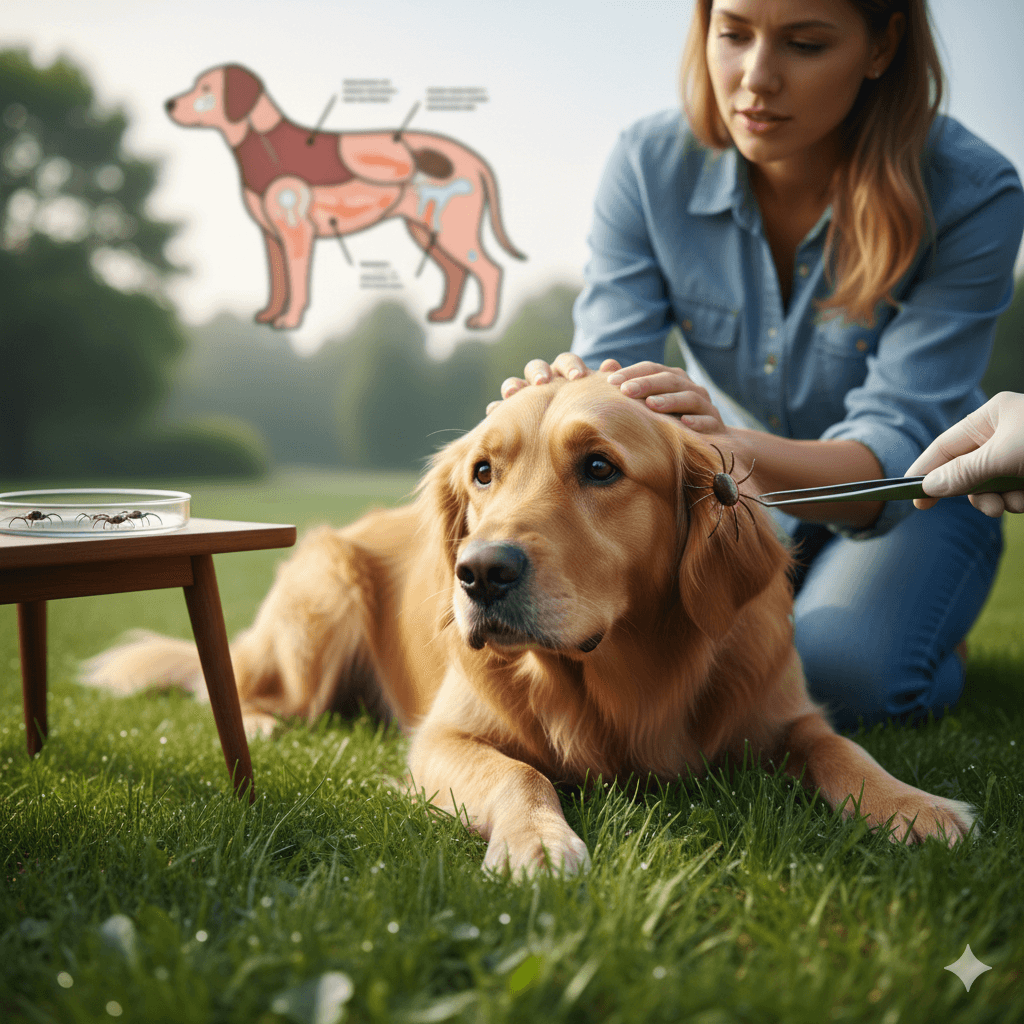

Can a Tick Make a Dog Sick
Ticks are more than just pesky hitchhikers—they’re potential carriers of serious diseases that can affect your dog’s health. Many pet owners underestimate the risks until symptoms appear weeks later. From fever and joint pain to life-threatening organ damage, tick-borne illnesses are a real concern, especially in wooded or grassy areas. Fortunately, awareness and prevention go a long way in keeping your dog safe. Understanding how ticks make dogs sick is the first step toward proactive protection.
Common Tick-Borne Diseases in Dogs
Ticks transmit pathogens through their saliva when feeding, and just one bite can introduce harmful bacteria or parasites into your dog’s bloodstream. While not every tick carries disease, the consequences can be severe if they do. Here are the most prevalent tick-borne illnesses seen in dogs:
- Lyme Disease:
Caused by the Borrelia burgdorferi bacterium and transmitted by black-legged (deer) ticks, it often leads to lameness, fever, and swollen joints. - Ehrlichiosis:
Spread by brown dog ticks and lone star ticks, this infection targets white blood cells and can cause bleeding disorders, lethargy, and weight loss. - Anaplasmosis:
Transmitted by deer ticks and western black-legged ticks, it mimics Lyme symptoms but may also cause neurological signs like tremors or seizures. - Rocky Mountain Spotted Fever:
Carried by American dog ticks and others, this rickettsial disease can result in fever, rash, vomiting, and even kidney or heart complications. - Babesiosis:
Caused by protozoan parasites spread by multiple tick species, it destroys red blood cells, leading to anemia, weakness, and dark urine.
Early detection and treatment significantly improve outcomes—making tick checks after outdoor adventures essential.
Early Warning Signs Your Dog Has Been Affected
Symptoms of tick-borne illness can be subtle at first and may not appear for days or even weeks after a bite. Knowing what to watch for could save your dog from serious complications. These signs often overlap across diseases but warrant immediate attention:
- Unexplained Fever:
A temperature above 103°F (39.4°C) with no obvious cause may indicate infection. - Lameness or Joint Swelling:
Shifting leg lameness—where your dog limps on different legs over days—is classic for Lyme disease. - Loss of Appetite and Weight Loss:
Sudden disinterest in food or unexplained weight drop can signal systemic illness. - Lethargy or Depression:
Your normally playful dog may seem withdrawn, sleep excessively, or show little interest in walks. - Bruising or Abnormal Bleeding:
Nosebleeds, gum bleeding, or small red spots on the belly (petechiae) suggest platelet issues from ehrlichiosis or anaplasmosis.
Because these symptoms mimic other conditions, always mention potential tick exposure to your vet during evaluation.
Check this guide 👉Rocky Mountain Wood Tick vs Dog Tick: Best 7 Expert Tips!
Check this guide 👉Deer Tick vs Dog Tick Size: Best 7 Expert Tips!
Check this guide 👉Gulf Coast Tick vs Dog Tick: Best 7 Expert Tips!
Prevention Essentials | Warning Signs to Act On |
|---|---|
Daily tick checks after walks | Fever lasting more than 24 hours |
Year-round tick preventatives | Sudden lameness without injury |
Keeping grass trimmed at home | Pale gums or weakness (anemia signs) |
Avoiding dense brush in peak season | Vomiting or diarrhea with lethargy |
Proper tick removal tools on hand | Behavioral changes like confusion or seizures |
How Ticks Transmit Disease to Dogs
Ticks don’t infect dogs instantly—the transmission process usually requires them to be attached for 24 to 48 hours (depending on the pathogen). During feeding, infected ticks release saliva containing bacteria, viruses, or parasites into the dog’s bloodstream. The risk escalates the longer the tick remains embedded. Understanding this mechanism emphasizes why quick removal is so critical:
- Attachment Phase:
Ticks climb onto dogs from grass or shrubs and seek warm, hidden areas like ears, armpits, or between toes. - Feeding and Pathogen Transfer:
As they feed over days, their saliva introduces infectious agents—especially after the first full day attached. - Species-Specific Risks:
Not all ticks carry disease, but common culprits include deer ticks (Lyme), brown dog ticks (ehrlichiosis), and lone star ticks (anaplasmosis). - Environmental Factors:
Warm, humid climates and wooded areas increase tick activity—and thus disease risk—year-round in many regions. - Co-Infections:
A single tick can carry multiple pathogens, potentially causing overlapping illnesses that complicate diagnosis and treatment.
This biological process underscores why prevention and prompt removal are your dog’s best defense.
Safe and Effective Tick Removal Techniques
Removing a tick properly minimizes infection risk and prevents leaving mouthparts embedded in the skin. Many owners panic or use unsafe methods like burning or smothering—but these can stress your dog and increase pathogen exposure. Follow vet-approved steps instead:
- Use Fine-Tipped Tweezers or a Tick Tool:
Grasp the tick as close to the skin as possible, avoiding squeezing its body. - Pull Steadily Upward:
Apply constant, gentle pressure—do not twist or jerk—to remove the entire tick intact. - Disinfect the Bite Area:
Clean the site with mild soap and water or antiseptic, then monitor for redness or swelling. - Dispose of the Tick Safely:
Place it in alcohol, seal it in a bag, or flush it—never crush it with bare fingers. - Record the Date and Location:
Note where and when you found the tick; this helps your vet assess disease risk if symptoms develop later.
Never use petroleum jelly, matches, or nail polish—these delay removal and may cause the tick to regurgitate into your dog.
Preventing Tick Exposure: Proactive Measures That Work
Prevention is far safer and less stressful than treating tick-borne illness. A multi-layered approach offers the strongest protection, especially during peak tick season (spring through fall, though year-round in warmer zones):
- Monthly Topical or Oral Preventatives:
Vet-recommended products like fluralaner, afoxolaner, or selamectin kill ticks before they transmit disease. - Tick Collars with Proven Efficacy:
Collars containing imidacloprid/flumethrin or deltamethrin repel and kill ticks for weeks or months. - Yard Maintenance:
Keep lawns mowed, clear leaf litter, and create barriers (like wood chips) between lawns and wooded areas. - Post-Walk Inspections:
Check your dog thoroughly—especially ears, eyelids, under the collar, and between toes—after every outdoor outing. - Avoid High-Risk Areas:
Steer clear of tall grass, dense shrubs, and wooded trails during peak tick activity (dawn and dusk).
Consistency is key: skipping even one dose of preventative can leave your dog vulnerable during a single walk.
Special Considerations for Puppies, Seniors, and At-Risk Breeds
While any dog can contract tick-borne illness, some are more vulnerable to severe outcomes. Young, old, or immunocompromised dogs may show more intense symptoms or struggle to fight infection. Additionally, certain breeds appear more prone to specific complications:
- Puppies Under Six Months:
Immature immune systems make them less able to control infections—early vet care is crucial. - Senior Dogs:
Underlying kidney, heart, or liver disease can worsen with tick-borne illnesses, complicating recovery. - Retrievers and Working Breeds:
Labs, Goldens, and other outdoor-loving dogs have higher exposure risk due to frequent field activity. - Dogs with Autoimmune Conditions:
Infections like Lyme can trigger or exacerbate immune-mediated disorders, requiring careful management. - Dogs in Endemic Regions:
Those living in the Northeast, Upper Midwest, or Southeast U.S. face higher tick density and disease prevalence.
For these groups, year-round prevention and immediate veterinary consultation after tick exposure are non-negotiable.
What to Expect If Your Dog Contracts a Tick-Borne Illness
Diagnosis and treatment vary by disease, but most involve blood tests, antibiotics, and supportive care. Your vet may run a SNAP 4Dx test to screen for common tick-borne antibodies. If positive, further diagnostics help assess severity:
- Antibiotic Therapy:
Doxycycline is commonly prescribed for 3–4 weeks, even if symptoms improve quickly. - Pain and Inflammation Management:
NSAIDs or other medications may ease joint pain or fever during recovery. - Hospitalization in Severe Cases:
Dogs with anemia, neurological signs, or organ involvement may need IV fluids or blood transfusions. - Long-Term Monitoring:
Some diseases, like Lyme, can cause chronic kidney issues—requiring periodic urine and blood checks. - Recovery Timeline:
Most dogs improve within days of starting antibiotics, though full recovery can take weeks.
Early intervention dramatically improves prognosis—never wait to see if symptoms “go away on their own.”
“Dogs are very susceptible to tick bites and tickborne diseases. Vaccines are not available for most of the tickborne diseases that dogs can get, and they don’t keep the dogs from bringing ticks into your home.” — National Center
Frequently Asked Questions About Ticks and Dog Health
Can a single tick make my dog sick?
Yes—even one infected tick can transmit disease if attached long enough (usually 24–48 hours).
Do all ticks carry disease?
No, but you can’t tell by looking. Assume any tick could be a risk and remove it promptly.
How soon after a tick bite do symptoms appear?
Signs can emerge in 2–5 days (for some diseases) or take weeks to months (like Lyme).
Are over-the-counter tick products effective?
Many lack rigorous testing; vet-approved preventatives offer proven, safer protection with reliable dosing.
Can my dog get the same tick disease twice?
Yes—immunity isn’t lifelong. Dogs can be reinfected with Lyme or other diseases after recovery.
Protecting Your Dog from Tick-Borne Illnesses Starts with You
Ticks may be tiny, but their impact on your dog’s health can be enormous. The good news? You hold the power to prevent most of these illnesses through vigilance, prevention, and prompt action. Daily checks, reliable repellents, and smart outdoor habits form a shield that keeps your dog safe without limiting their adventures. And if a tick does attach, knowing how to respond calmly and correctly makes all the difference. By staying informed and proactive, you’re not just avoiding disease—you’re ensuring your dog enjoys a long, active, and healthy life by your side.
Is Rawhide Bad for Cats? Best 7 Expert Tips! – Discover the risks, safe alternatives, and expert advice to keep your feline friend healthy and happy.

Is Rawhide Bad for Dogs? Best 7 Expert Tips! – Discover the risks, benefits, and safer alternatives to rawhides for your dog’s chewing needs.

Understanding Anorexia in Cats: Best 7 Expert Tips! – Learn why cats stop eating, spot warning signs, and discover how to help your feline regain appetite safely.

Understanding Anorexia in Dogs: Best 7 Expert Tips! – Learn causes, symptoms, and solutions to help your dog regain appetite and stay healthy.