

What Is Grain-Free Cat Food: Best 7 Expert Tips!

What Is Grain-Free Cat Food: Best 7 Expert Tips!

What Is Grain-Free Cat Food

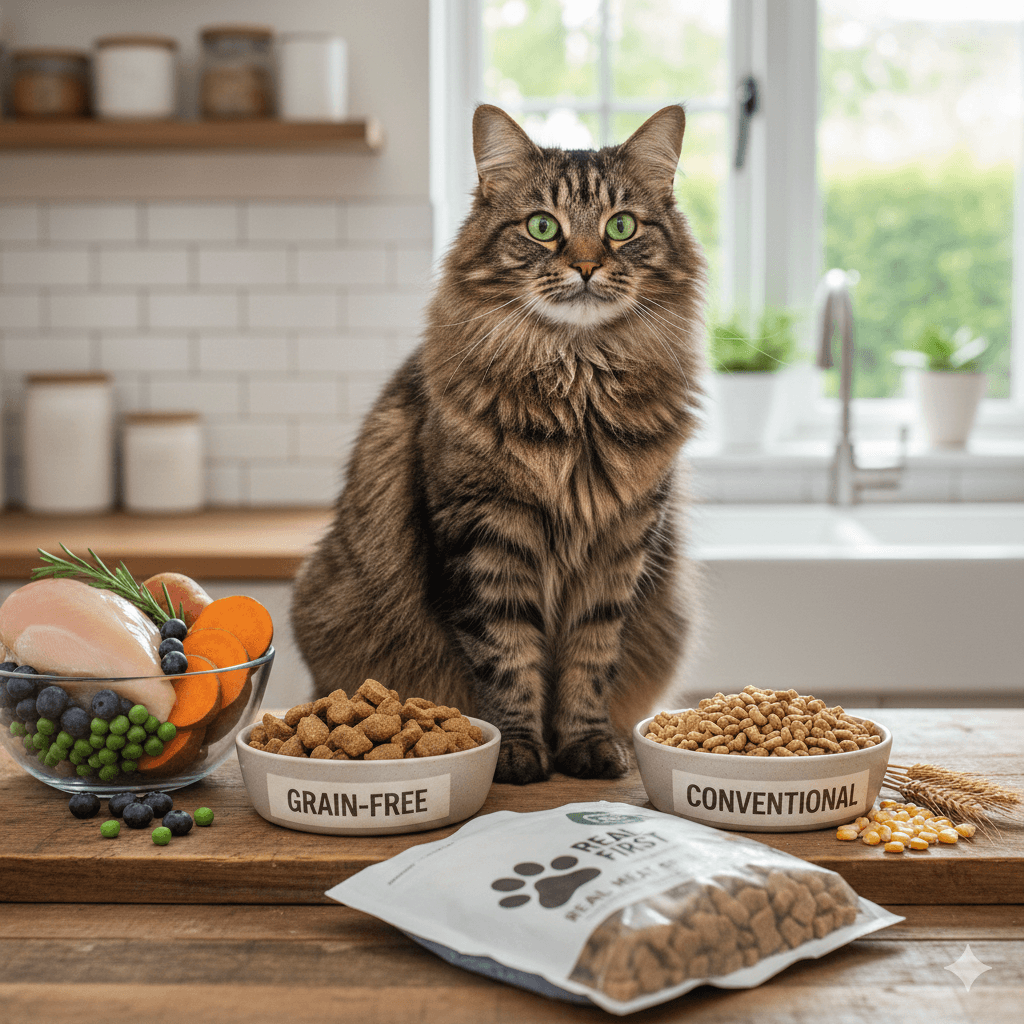
Grain-free cat food has surged in popularity among pet owners seeking “natural” or “ancestral” diets for their feline companions. But does your cat truly need it? While grains aren’t inherently harmful to most cats, grain-free formulas eliminate common cereals like corn, wheat, and rice in favor of alternative carbohydrates. Understanding what’s in these diets—and why they exist—helps you make informed choices aligned with your cat’s health needs.

Origins and Purpose of Grain-Free Diets

Grain-free cat food emerged from the belief that cats, as obligate carnivores, thrive on meat-based diets similar to their wild ancestors. Though domesticated, their digestive systems remain optimized for high protein and low carbohydrates. Here’s why grain-free formulas were developed and who might benefit:

 
  • Mimicking Natural Prey Diets:
    Wild cats consume whole prey—muscle, organs, and bones—with virtually no plant matter, inspiring low-carb, grain-free recipes.
     
  • Addressing Food Sensitivities:
    Some cats exhibit allergies or intolerances to grains like wheat or corn, leading to skin or gastrointestinal issues.
     
  • Marketing and Consumer Demand:
    The human “gluten-free” trend influenced pet food trends, even though true grain allergies in cats are rare.
     
  • Focus on High-Quality Protein:
    Grain-free brands often emphasize named animal proteins (e.g., chicken, salmon) as primary ingredients over fillers.
     
  • Alternative Carbohydrate Sources:
    Instead of grains, these diets use peas, lentils, potatoes, or tapioca—though these too can pose concerns in excess.
 

While grain-free food isn’t necessary for all cats, it can be helpful in specific health scenarios under veterinary guidance.

What Is Grain-Free Cat Food: Best 7 Expert Tips!

Common Ingredients in Grain-Free Formulas

Not all grain-free foods are created equal. The absence of grains doesn’t automatically mean “healthier”—the quality of remaining ingredients matters greatly. Here’s what typically appears in these diets:

 
  • Animal Proteins as First Ingredients:
    Look for real meat, poultry, or fish listed at the top—essential for meeting feline amino acid needs like taurine.
     
  • Legumes and Starchy Vegetables:
    Peas, chickpeas, sweet potatoes, and lentils often replace grains, providing structure and calories but raising fiber concerns.
     
  • Healthy Fats from Animal or Plant Sources:
    Chicken fat, fish oil, or flaxseed supply omega-3 and omega-6 fatty acids for skin and coat health.
     
  • Vitamins and Taurine Additives:
    Since cooking degrades taurine, reputable brands supplement this critical amino acid to prevent heart disease.
     
  • No Corn, Wheat, Soy, or Rice:
    These common grains are excluded, though some formulas may still include gluten-free grains like quinoa or oats (technically not grain-free).
 

Always check the full ingredient list—“grain-free” is a marketing term, not a guarantee of nutritional excellence.

Benefits of Grain-Free Diets
Potential Drawbacks to Consider
May reduce allergy symptoms in sensitive cats
Legumes may contribute to digestive upset in some felines
Often higher in animal protein
Some formulas use excessive plant-based carbs
Aligns with carnivorous biology
Not proven superior for healthy cats without allergies
Popular among holistic pet owners
Can be more expensive than traditional formulas
Avoids controversial fillers like corn gluten meal
Limited regulation—quality varies widely between brands

Is Grain-Free Necessary for Your Cat?

The answer depends on your cat’s health, not trends. Most cats digest grains well, and grains aren’t “fillers” in the negative sense—they provide energy and nutrients. However, specific situations may warrant grain-free options:

 
  • Diagnosed Grain Allergy:
    Confirmed via elimination diet trials (not just symptoms), though true allergies are uncommon.
     
  • Chronic Gastrointestinal Issues:
    Some cats with IBD or sensitive stomachs respond better to simplified, low-carb diets.
     
  • Veterinary Recommendation:
    Your vet may suggest grain-free food during diagnostic phases or for specific metabolic conditions.
     
  • Preference for High-Meat Diets:
    If you prioritize ancestral nutrition, choose a grain-free formula that’s also low in legumes and high in moisture (wet food preferred).
     
  • Avoiding GMO Ingredients:
    Some owners choose grain-free to sidestep corn or soy, though non-GMO grain-inclusive options also exist.
 

For the average healthy cat, grain-free offers little advantage—focus instead on high protein, adequate moisture, and AAFCO compliance.

Potential Risks of Grain-Free Cat Food

Despite its popularity, grain-free isn’t without controversy—especially following concerns in dog food linked to heart disease. While the risk in cats is less clear, caution is wise:

 
  • Link to Dilated Cardiomyopathy (DCM):
    Though primarily seen in dogs eating legume-heavy diets, the FDA is investigating potential feline risks.
     
  • Excess Plant-Based Proteins:
    Peas and lentils aren’t biologically appropriate primary protein sources for obligate carnivores like cats.
     
  • Higher Carbohydrate Levels Than Assumed:
    Many grain-free dry foods still contain 30–40% carbs—far exceeding a cat’s natural intake.
     
  • Taurine Deficiency Risk:
    Poorly formulated diets may lack sufficient taurine, leading to vision loss or heart problems over time.
     
  • Unnecessary Expense:
    Grain-free foods often cost more without proven health benefits for non-allergic cats.
 

Always prioritize nutritional balance over marketing claims, and consult your vet before switching diets long-term.

How to Choose a High-Quality Grain-Free Option

If you decide grain-free is right for your cat, select wisely. Not all products labeled “grain-free” support optimal feline health. Focus on these criteria:

 
  • Wet Food Over Dry:
    Canned or pouched grain-free food provides essential moisture, reducing urinary and kidney risks.
     
  • Named Animal Proteins First:
    “Salmon” or “chicken liver” is better than vague terms like “meat meal” or “poultry by-product.”
     
  • Minimal Legumes and Starches:
    Avoid formulas where peas, lentils, or potatoes dominate the ingredient list.
     
  • AAFCO Statement for Life Stage:
    Ensure the food meets nutritional standards for your cat’s age (kitten, adult, or all life stages).
     
  • Transparent Brand Reputation:
    Choose companies that conduct feeding trials, publish research, and employ veterinary nutritionists.
 

A truly feline-appropriate grain-free diet is high in moisture, animal protein, and low in unnecessary carbohydrates.

Special Considerations for Kittens, Seniors, and Medical Conditions

Cats at life extremes or with health issues need extra care when evaluating grain-free diets. Their nutritional needs differ significantly from healthy adults:

 
  • Kittens Require Balanced Growth Nutrition:
    Avoid grain-free unless medically indicated—many lack precise calcium-phosphorus ratios crucial for bone development.
     
  • Senior Cats Need Kidney Support:
    High-protein diets aren’t always ideal for aging kidneys; consult a vet before choosing grain-free for older cats.
     
  • Cats with Diabetes May Benefit:
    Low-carb, grain-free wet foods can help manage blood sugar—but medical supervision is essential.
     
  • Food Allergy Diagnosis Requires Caution:
    True allergies are often to proteins (beef, chicken), not grains—switching to grain-free may miss the real trigger.
     
  • Urinary Tract Health Depends on Hydration:
    Grain-free dry food won’t help if your cat doesn’t drink enough; wet food is superior regardless of grain content.
 

Tailor your choice to your cat’s individual physiology, not broad trends.

Expert Tips for Choosing the Right Diet for Your Cat

Selecting the ideal food for your feline companion goes beyond trends or packaging—it’s about aligning with their biology, lifestyle, and health status. Whether you’re considering grain-free, raw, or traditional diets, these expert-backed strategies will help you make a confident, informed decision:

 
  • Prioritize Animal-Based Protein:
    Cats are obligate carnivores—look for named meat, poultry, or fish as the first ingredient to support muscle, vision, and heart health.
     
  • Assess Moisture Content:
    Wet or raw diets provide essential hydration, reducing the risk of urinary tract issues and kidney strain compared to dry kibble alone.
     
  • Read Beyond the Label Claims:
    Terms like “natural,” “holistic,” or “grain-free” aren’t regulated—always check the full ingredient list and AAFCO nutritional adequacy statement.
     
  • Consider Your Cat’s Life Stage:
    Kittens, adults, and seniors have different needs; choose a formula specifically balanced for your cat’s current age and activity level.
     
  • Introduce New Foods Gradually:
    Sudden diet changes can cause digestive upset—transition over 7–10 days by slowly mixing increasing amounts of the new food with the old.
 

Making thoughtful, science-informed choices ensures your cat doesn’t just eat—but thrives—every single day.

Frequently Asked Questions About Grain-Free Cat Food

Is grain-free cat food better than regular cat food?

Not necessarily—most cats digest grains well, and quality matters more than grain presence or absence.

There’s no strong evidence yet, but legume-heavy formulas are under scrutiny; prioritize taurine-rich, meat-first diets.

Only in specific cases like confirmed grain allergies or certain GI disorders—not as a routine choice.

No—many grain-free dry foods are still high in carbs from peas, potatoes, or tapioca.

High-moisture, meat-first wet foods with minimal legumes and full AAFCO compliance are safest choices.

Nourishing Your Cat with Clarity and Care

Choosing the right food for your cat isn’t about following trends—it’s about understanding their biology and listening to their unique needs. While grain-free cat food can be a helpful tool in specific situations, it’s not a universal solution. Your cat thrives on high-quality animal protein, adequate hydration, and balanced nutrition—not marketing labels. By focusing on whole ingredients, moisture content, and veterinary guidance, you honor your feline’s evolutionary design while supporting lifelong health. In the end, the best diet is one that keeps your cat vibrant, playful, and purring—not one that simply avoids grains.

Newfoundland Dog Personality: Best 7 Expert Tips!

Newfoundland Dog Personality: Best 7 Expert Tips! – Discover the gentle, loyal, and protective nature of this giant breed perfect for families.

Can Hot Pavement Burn Your Cats Paws? Best 7 Expert Tips!

Can Hot Pavement Burn Your Cats Paws? Best 7 Expert Tips! – Learn how to protect your cat’s paws from hot surfaces and prevent painful burns this summer.

Can Hot Pavement Burn Your Dogs Paws? Best 7 Expert Tips!

Can Hot Pavement Burn Your Dogs Paws? Best 7 Expert Tips! – Learn how to protect your dog’s paws from hot surfaces and ensure safe summer walks.

Irish Wolfhound Size: Best 7 Expert Tips!

Irish Wolfhound Size: Best 7 Expert Tips! – Discover the ideal height, weight, and care tips for this majestic giant breed. Learn how to manage their impressive stature responsibly.

Leave a Reply

Your email address will not be published. Required fields are marked *


