
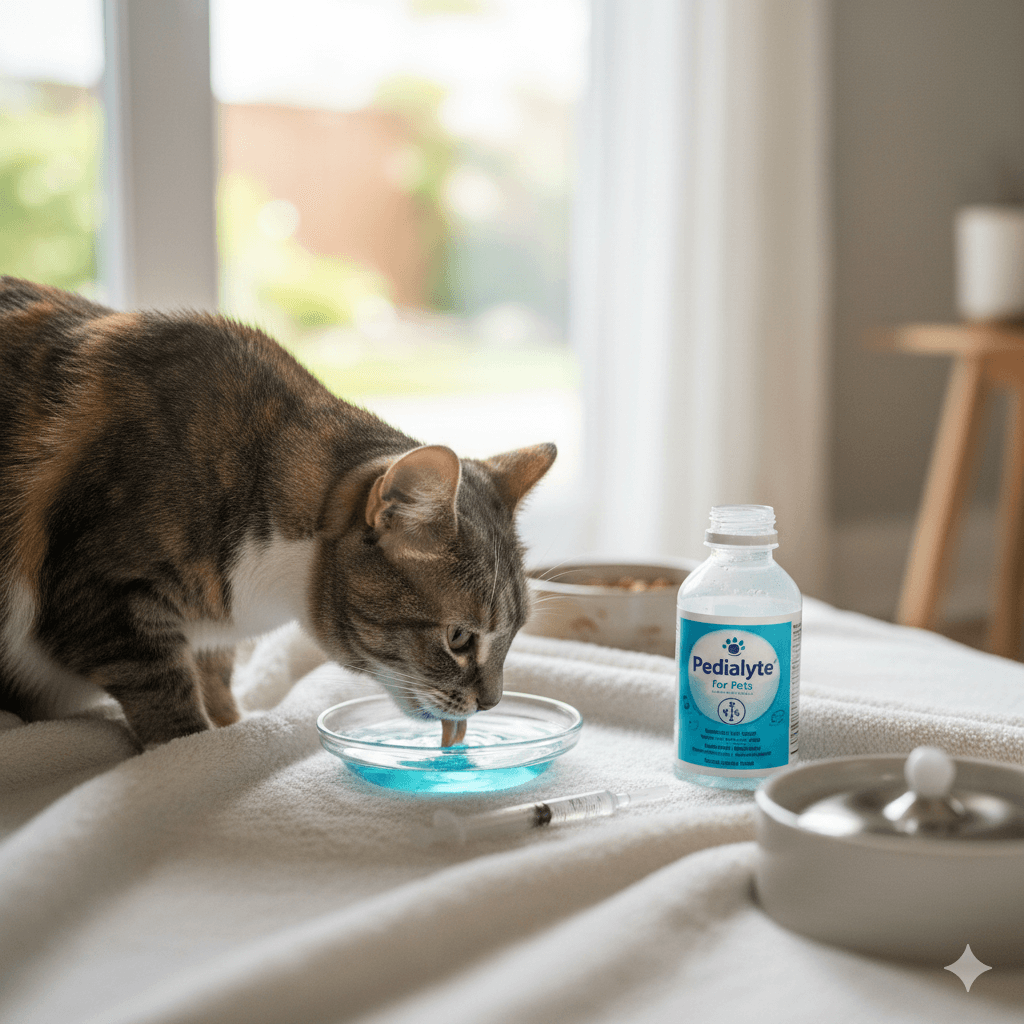

Pedialyte for Cats: Best 7 Expert Tips!

Pedialyte for Cats: Best 7 Expert Tips!

Understanding Pedialyte for Cats: Best 7 Expert Tips!


If your cat is dehydrated from vomiting, diarrhea, or illness, you might wonder if Pedialyte can help. While this electrolyte solution is formulated for humans—especially children—it’s sometimes used cautiously for feline hydration under veterinary guidance. Not all versions are safe, and dosage matters greatly. This guide breaks down when, how, and whether Pedialyte is appropriate for your cat—with expert-backed tips to keep your feline friend safe and balanced.

When Pedialyte Might Be Considered for Cats


Pedialyte isn’t a routine feline supplement, but in specific situations, it can support hydration when your cat loses fluids rapidly. Always consult your vet before offering it, as improper use can cause harm. Here’s when it may be cautiously recommended:

 
  • Mild Dehydration from Vomiting:
    Short-term fluid loss from occasional vomiting may be addressed with diluted, unflavored Pedialyte—only if your vet approves.
     
  • Diarrhea Recovery Support:
    Electrolyte imbalances from loose stools can sometimes be gently corrected with small, controlled doses.
     
  • Post-Illness Rehydration:
    After a mild viral infection, a few sips may help restore sodium, potassium, and chloride levels.
     
  • Heat Stress or Lethargy:
    In hot weather, if your cat shows signs of overheating and refuses water, Pedialyte might offer temporary relief.
     
  • Transition During Travel Stress:
    Some cats refuse water on trips; a tiny amount mixed with water may encourage intake—but only short-term.
 

Never give Pedialyte without first ruling out serious conditions like kidney disease or diabetes, which require medical treatment—not home electrolyte fixes.

Pedialyte for Cats: Best 7 Expert Tips!

Critical Risks and Ingredients to Avoid


Not all Pedialyte is safe for cats. Many formulations contain additives that are toxic or harmful to felines. Understanding what to avoid is as important as knowing when it might help:

 
  • Xylitol and Artificial Sweeteners:
    Even trace amounts of xylitol—found in “sugar-free” or “zero” versions—can cause life-threatening hypoglycemia in cats.
     
  • Zinc and Added Vitamins:
    Excess zinc or B-vitamins may lead to toxicity, especially in cats with compromised liver or kidney function.
     
  • Artificial Colors and Flavors:
    Blue, red, or fruit-flavored versions often contain dyes that offer no benefit and may trigger sensitivities.
     
  • High Sodium Content:
    While electrolytes are needed, too much sodium can strain a cat’s kidneys—especially seniors or those with chronic illness.
     
  • Citric Acid in Large Quantities:
    Though naturally occurring, high acid levels may irritate a sensitive feline stomach already upset by illness.
 

Always choose unflavored, sugar-free (but xylitol-free), and additive-free Pedialyte—and even then, only with veterinary approval.

Safe Usage Guidelines
Dangerous Missteps to Avoid
Use only unflavored, original Pedialyte
Never use “Zero Sugar” or flavored versions
Dilute 50:50 with fresh water
Never give full-strength without vet direction
Offer 1–2 teaspoons every few hours
Avoid large volumes at once
Use only for short-term (24–48 hrs max)
Don’t use as a daily hydration solution
Confirm safety with your vet first
Never substitute for veterinary care in severe dehydration

How to Safely Administer Pedialyte to Your Cat


If your vet approves Pedialyte, proper administration ensures safety and effectiveness. Cats are sensitive to taste and volume, so technique matters:

 
  • Dilute It Properly:
    Mix equal parts unflavored Pedialyte and fresh water to reduce sodium and sugar concentration.
     
  • Use a Syringe for Control:
    Draw up small amounts (1–2 ml) and gently drip into the side of your cat’s mouth to avoid choking.
     
  • Offer in Their Regular Water Bowl:
    Some cats will lap diluted Pedialyte voluntarily if mixed subtly with familiar water.
     
  • Never Force It:
    Forcing fluids can cause aspiration pneumonia; if your cat resists, stop and contact your vet.
     
  • Monitor for Adverse Reactions:
    Watch for increased vomiting, drooling, or lethargy after giving Pedialyte—discontinue immediately if seen.
 

Even with careful use, Pedialyte should never replace professional care for moderate to severe dehydration.

Signs Your Cat Is Dehydrated and Needs Help


Knowing when your cat is truly dehydrated helps you decide whether Pedialyte—or a vet visit—is necessary. Mild cases may respond to home support; severe ones need emergency care:

 
  • Dry or Sticky Gums:
    Healthy cat gums are moist and slick; dryness signals fluid loss.
     
  • Skin Tent Test:
    Gently pinch the scruff—if it doesn’t snap back quickly, dehydration is likely.
     
  • Sunken Eyes:
    A hollow or dull appearance around the eyes often indicates significant fluid deficit.
     
  • Reduced Urination:
    Fewer litter box visits or very small, hard clumps suggest poor kidney perfusion.
     
  • Lethargy or Weakness:
    A cat that won’t move, play, or respond may be too dehydrated to recover at home.
 

If two or more of these signs appear, skip home remedies and seek veterinary care immediately.

Better Alternatives to Pedialyte for Cats


Veterinary-formulated options are safer and more effective than human electrolyte solutions. These are designed specifically for feline physiology:

 
  • Subcutaneous Fluids (Lactated Ringer’s):
    Administered under the skin by vets or trained owners, this is the gold standard for feline dehydration.
     
  • Cat-Specific Electrolyte Powders:
    Products like Rebound or Pet-A-Lyte contain balanced feline-safe electrolytes with no toxic additives.
     
  • Prescription Hydration Gels:
    Some vets recommend oral gels that provide electrolytes, calories, and B-vitamins in a palatable form.
     
  • Bone Broth (Unsalted, No Onions):
    Homemade, cooled broth can entice drinking—but only as a mild supplement, not a primary solution.
     
  • Wet Food Hydration Boost:
    Adding warm water to canned food increases fluid intake naturally and safely.
 

These alternatives minimize risk while maximizing hydration support tailored to cats.

When to Skip Pedialyte Entirely


Some health conditions make Pedialyte dangerous—even in small amounts. Always rule these out before considering any electrolyte supplement:

 
  • Chronic Kidney Disease (CKD):
    Impaired kidneys can’t process excess sodium or phosphorus found in Pedialyte.
     
  • Heart Disease:
    Fluid and sodium balance is critical; extra electrolytes can worsen heart failure.
     
  • Diabetes or Pancreatitis:
    Sugar content—even minimal—can disrupt blood glucose or trigger enzyme flares.
     
  • Known Food Sensitivities:
    Cats with inflammatory bowel disease may react to unfamiliar ingredients.
     
  • Pregnant or Nursing Queens:
    Electrolyte shifts can affect milk production and kitten health—use only under strict vet supervision.
 

When in doubt, “better safe than sorry” is the right approach with feline health.


Expert Care Tips to Keep Your Affenpinscher Happy and Healthy

Caring for an Affenpinscher goes beyond basic feeding and walks—it’s about honoring their bold spirit while tending to their unique physical and emotional needs. With the right approach, you’ll not only prevent common issues but also strengthen your bond with this spirited little companion.

 
  • Prioritize Mental Stimulation:
    Puzzle toys, scent games, or short trick-training sessions keep their clever mind engaged and prevent boredom-driven mischief.
     
  • Use Gentle, Size-Appropriate Gear:
    A harness is safer than a collar to protect their delicate trachea, and lightweight leashes reduce strain during walks.
     
  • Create a Safe Indoor Environment:
    Block stairways, secure furniture edges, and provide ramps to high surfaces—small dogs are prone to injuries from jumps and falls.
     
  • Schedule Regular Vet Dental Checks:
    Due to their predisposition to periodontal disease, professional cleanings and at-home brushing are non-negotiable for lifelong health.
     
  • Respect Their Watchdog Instincts:
    Instead of punishing barking, redirect it with calm commands—acknowledge their alert nature while teaching polite boundaries.
 

By blending structure with affection, you’ll nurture an Affenpinscher who’s not just well-behaved, but deeply fulfilled and secure in your home.

“Using Pedialyte for cats is perfectly safe, provided that it is unflavored and given in moderation.”
Dr. Paola Cuevas, MVZ

Frequently Asked Questions About Pedialyte for Cats

Can I give my cat Pedialyte for diarrhea?

Only if mild and approved by a vet—diarrhea often requires specific treatment, and Pedialyte doesn’t address the root cause.

It’s the safest human option, but still not ideal; cat-specific electrolytes are always preferable.

Typically no more than 2–4 ml per pound of body weight per day—but only under veterinary guidance.

A tiny lick is unlikely to cause harm, but monitor for vomiting, weakness, or drooling—and call your vet if xylitol is listed.

No. It should never be the sole fluid source. Always offer fresh water alongside any electrolyte solution.

Keeping Your Cat Hydrated the Safe, Smart Way


Your instinct to help your dehydrated cat is admirable—but their unique biology demands caution. While Pedialyte might seem like a quick fix, it’s not designed for feline needs and carries real risks if used incorrectly. The safest path is always consultation with your veterinarian, who can recommend truly cat-appropriate hydration strategies. Whether through prescription fluids, specialized supplements, or simple wet food adjustments, you can support your cat’s recovery without gambling on human products. In the end, your love, vigilance, and willingness to seek expert care are the most powerful remedies of all.

Is Rawhide Bad for Cats? Best 7 Expert Tips!

Is Rawhide Bad for Cats? Best 7 Expert Tips! – Discover the risks, safe alternatives, and expert advice to keep your feline friend healthy and happy.

Is Rawhide Bad for Dogs? Best 7 Expert Tips!

Is Rawhide Bad for Dogs? Best 7 Expert Tips! – Discover the risks, benefits, and safer alternatives to rawhides for your dog’s chewing needs.

Understanding Anorexia in Cats: Best 7 Expert Tips!

Understanding Anorexia in Cats: Best 7 Expert Tips! – Learn why cats stop eating, spot warning signs, and discover how to help your feline regain appetite safely.

Understanding Anorexia in Dogs: Best 7 Expert Tips!

Understanding Anorexia in Dogs: Best 7 Expert Tips! – Learn causes, symptoms, and solutions to help your dog regain appetite and stay healthy.

Leave a Reply

Your email address will not be published. Required fields are marked *