
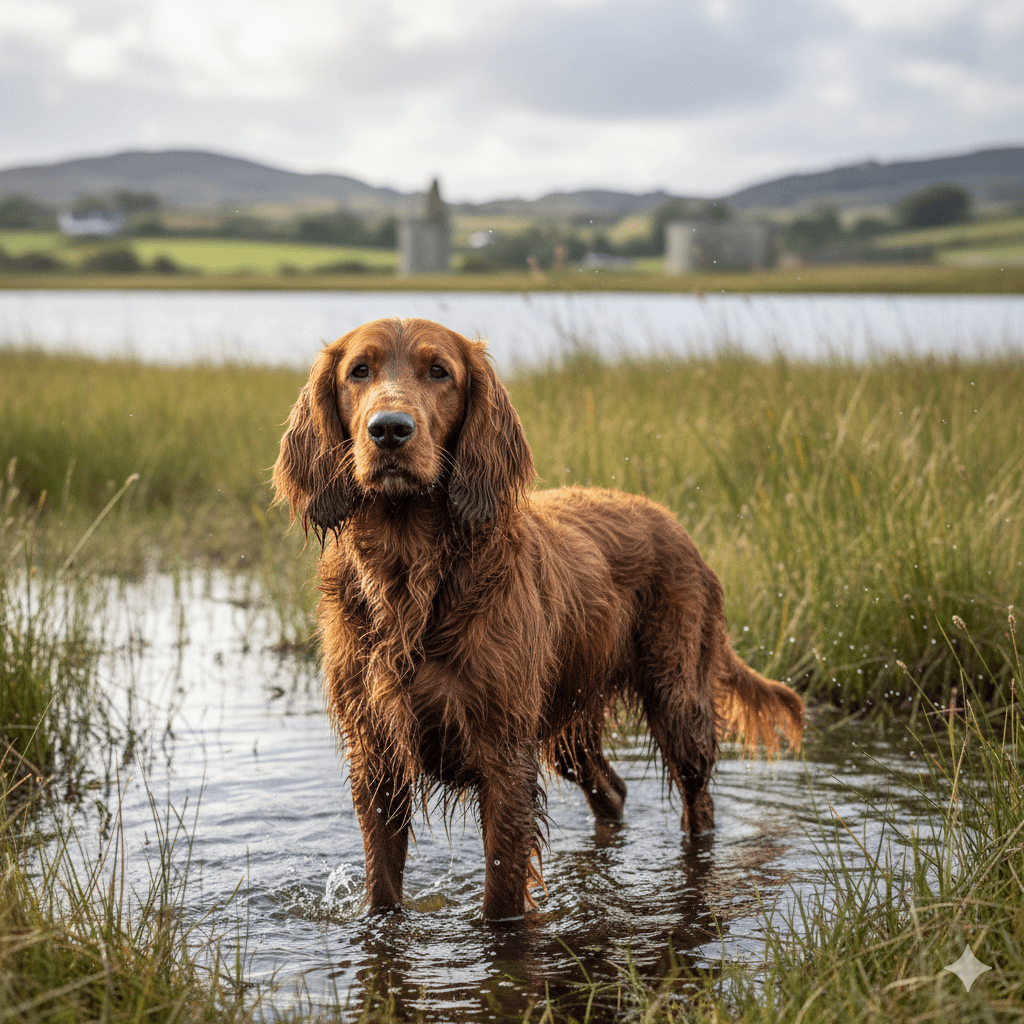

The Irish Water Spaniel Dog: Best 7 Expert Tips!
With its distinctive curly coat and expressive eyes, the Irish Water Spaniel stands out as one of the most unique sporting dogs. Known for intelligence, loyalty, and a playful spirit, this breed thrives in active households that appreciate its working heritage. Often mistaken for a poodle due to its hypoallergenic curls, the “Whiskey Spaniel” is far more than just looks—it’s a capable hunter, a devoted companion, and a natural problem-solver. Whether you’re considering adding one to your family or already share your home with this curly charmer, these expert insights will help you understand and care for your Irish Water Spaniel with confidence and joy.
Origins and History
The Irish Water Spaniel boasts a rich heritage rooted in Ireland’s hunting traditions, though much of its exact ancestry remains shrouded in mystery. Developed in the 19th century, it was prized for retrieving waterfowl in rugged, wet terrain. Historical records suggest possible influences from the Poodle, Portuguese Water Dog, and extinct Irish water dogs. Here’s what shaped this remarkable breed:
- Purpose-Bred for Waterfowl Hunting:
Bred specifically to flush and retrieve game from icy rivers and lakes, its water-resistant coat and webbed feet made it an ideal aquatic hunter. - Mysterious Ancestry:
While often linked to Poodles or Barbets, definitive lineage is unclear—many believe it developed from native Irish water dogs now extinct. - Nickname “Rat-Tail Spaniel”:
Its signature smooth, tapering tail—nearly hairless at the tip—earned this quirky moniker and remains a breed hallmark. - Early Show Ring Success:
The breed was among the first shown in England and the U.S., even ranking among the top 10 AKC-registered dogs in the late 1800s. - Decline and Preservation Efforts:
Numbers dwindled in the 20th century, but dedicated breeders in Ireland, the UK, and North America have worked to sustain its legacy.
Though less common today, the Irish Water Spaniel’s legacy as a versatile, courageous gundog endures in every wag of its distinctive tail.
Distinctive Physical Traits
Few dogs turn heads like the Irish Water Spaniel—its dramatic appearance combines function and flair in perfect balance. Every feature serves a purpose, especially for water work, yet the overall impression is one of elegance and alertness. Key characteristics include:
- Dense, Liver-Colored Curly Coat:
Tight, crisp curls cover the body, repelling water and insulating against cold—never woolly or fluffy. - Topknot of Long Curls:
A signature “cap” of loose, longer curls on the head frames the eyes and adds to its clownish, endearing expression. - Smooth “Rat Tail”:
The tail is thick at the base but tapers to a fine, nearly bare tip—a defining trait not seen in other spaniels. - Webbed Feet and Strong Build:
Muscular legs and webbed toes provide powerful propulsion in water, while a sturdy frame supports endurance. - Alert, Dark Eyes and Long Ears:
Eyes are dark and intelligent; ears are long, velvety, and hang close to the head, protected by curls.
This striking combination makes the Irish Water Spaniel instantly recognizable—and built for both beauty and performance.
Check this guide 👉Water Dog Breeds: Best 7 Expert Tips!
Check this guide 👉The Australian Water Dog: Best 7 Expert Tips!
Check this guide 👉Understanding Italian Water Dog Size: Best 7 Expert Tips!
Temperament Highlights | Care Considerations |
|---|---|
Intelligent and quick to learn | Requires consistent, positive training |
Affectionate with family | May be reserved or aloof with strangers |
Energetic and playful | Needs daily vigorous exercise |
Naturally curious and bold | Prone to boredom without mental challenges |
Loyal and protective | Early socialization is essential |
Training and Socialization Needs
Training an Irish Water Spaniel is a rewarding but nuanced experience. This breed is highly intelligent but also independent-minded—a trait that demands patience, creativity, and mutual respect. Without proper guidance, their cleverness can turn into mischief. Start early and stay consistent:
- Positive Reinforcement Works Best:
Harsh methods backfire; use treats, praise, and play to motivate this sensitive and responsive dog. - Early Socialization is Crucial:
Expose your puppy to varied people, sounds, and environments by 16 weeks to prevent shyness or suspicion. - Channel Their Problem-Solving Instincts:
Puzzle toys, scent games, and trick training keep their sharp minds engaged and prevent destructive habits. - Recall Training is Non-Negotiable:
Their hunting drive means they’ll chase birds or squirrels—solid off-leash recall could save their life. - Avoid Repetitive Drills:
They bore easily; keep sessions short, varied, and fun to maintain enthusiasm and focus.
With the right approach, your Irish Water Spaniel becomes not just obedient—but a joyful, willing partner in every activity.
Exercise and Mental Stimulation Requirements
Bred for all-day retrieving in rough terrain, the Irish Water Spaniel is not a couch potato. Without sufficient physical and mental outlets, this energetic breed may develop anxiety, barking, or chewing behaviors. Daily activity isn’t optional—it’s essential:
- Minimum 60–90 Minutes of Exercise Daily:
Brisk walks, jogs, hikes, or play sessions in a secure area help burn excess energy and maintain physical health. - Swimming is Ideal:
If possible, provide regular access to safe, clean water—swimming fulfills their genetic instinct and is gentle on joints. - Dog Sports Offer Great Outlets:
Excel in agility, dock diving, scent work, or field trials where they can showcase their athleticism and intelligence. - Interactive Toys Prevent Boredom:
Use treat-dispensing puzzles or hide-and-seek games to challenge their mind when outdoor time is limited. - Avoid Idle Time:
A bored Irish Water Spaniel may invent their own “jobs”—like digging, barking at passing cars, or unrolling toilet paper.
Meeting their activity needs isn’t just about physical health—it’s the key to a calm, content, and well-behaved companion at home.
Grooming and Coat Maintenance
That stunning curly coat requires regular attention to stay healthy and tangle-free. While it doesn’t shed heavily (making it a good choice for allergy sufferers), neglect leads to painful mats and skin issues. Grooming is a bonding ritual, not a chore:
- Brush 2–3 Times Weekly:
Use a slicker brush and metal comb to prevent mats, especially behind ears, under legs, and around the tail. - Professional Grooming Every 6–8 Weeks:
Most owners opt for a “field trim” to keep the coat neat while preserving its natural texture and function. - Bathe Only When Necessary:
Over-bathing strips natural oils; use a gentle, moisturizing dog shampoo when they’re muddy or smelly. - Clean Ears Weekly:
Long, floppy ears trap moisture—check for redness, odor, or discharge to prevent infections. - Trim Nails and Brush Teeth Regularly:
Dental hygiene and nail care support overall health and comfort during exercise.
With consistent care, your Irish Water Spaniel’s coat remains a source of pride—and a testament to your dedication as an owner.
Health Considerations and Lifespan
Generally a robust breed, the Irish Water Spaniel enjoys good health with an average lifespan of 12–14 years. However, like all purebreds, they’re predisposed to certain genetic conditions. Proactive care and screening help ensure a long, vibrant life:
- Hip and Elbow Dysplasia:
Responsible breeders screen for these joint disorders; maintain a healthy weight to reduce strain. - Hypothyroidism:
A manageable endocrine condition; watch for weight gain, lethargy, or skin changes and test if needed. - Progressive Retinal Atrophy (PRA):
A degenerative eye disease; DNA testing can identify carriers before breeding. - Skin Allergies or Folliculitis:
Their dense coat can trap allergens—regular grooming and vet-guided allergy management help. - Ear Infections:
Due to long, covered ears, especially after swimming; dry ears thoroughly and monitor for irritation.
Annual vet check-ups, a balanced diet, and early intervention are your best tools for keeping your spaniel thriving well into their senior years.
Ideal Home Environment
The Irish Water Spaniel isn’t for every household—but for the right family, they’re an unforgettable companion. This breed flourishes in homes that match their energy, intellect, and need for connection. Consider these factors before bringing one home:
- Active Families or Individuals:
They thrive with owners who enjoy outdoor adventures, sports, or daily walks—sedentary lifestyles lead to frustration. - Homes with Secure Yards:
A fenced yard is essential; their curiosity and prey drive mean they’ll wander if given the chance. - Experience with Smart, Independent Breeds:
First-time owners may struggle; previous experience with sporting or gundogs is a plus. - Low Allergy Households (Bonus):
Their minimal shedding makes them a good fit for mild allergy sufferers—though not 100% hypoallergenic. - Stable, Loving Environments:
They bond deeply and dislike being left alone for long hours; separation anxiety is a real risk.
When placed in the right setting, the Irish Water Spaniel repays your commitment with unwavering loyalty, clever antics, and endless enthusiasm.
Frequently Asked Questions About the Irish Water Spaniel Dog
Are Irish Water Spaniels good with children?
Yes—with proper socialization and supervision. They’re playful and tolerant but may be too boisterous for toddlers.
Do they shed a lot?
No, they’re considered low-shedding. Their curly coat traps loose hair, making them a better choice for allergy-sensitive homes.
Are they easy to train?
They’re highly intelligent but independent. Consistency, patience, and positive methods yield excellent results.
How much exercise do they really need?
At least 60–90 minutes of vigorous activity daily. Without it, they can become destructive or anxious.
Are they good apartment dogs?
Generally no—they need space to move and daily outdoor outlets. A house with a yard is strongly preferred.
Embracing Life with Your Irish Water Spaniel
Owning an Irish Water Spaniel is like living with a clever, curly-haired adventurer who’s equal parts comedian, athlete, and loyal friend. They challenge you, surprise you, and reward you with a depth of companionship few breeds offer. While they demand time, training, and activity, the return is immeasurable: a dog who’s not just part of your family, but a dynamic, joyful force within it. By honoring their working roots, respecting their intelligence, and meeting their needs with love and consistency, you’ll unlock the full magic of this rare and remarkable breed. In the end, the Irish Water Spaniel doesn’t just follow you—they dive in beside you, tail high, curls bouncing, ready for whatever comes next.
Is Rawhide Bad for Cats? Best 7 Expert Tips! – Discover the risks, safe alternatives, and expert advice to keep your feline friend healthy and happy.

Is Rawhide Bad for Dogs? Best 7 Expert Tips! – Discover the risks, benefits, and safer alternatives to rawhides for your dog’s chewing needs.

Understanding Anorexia in Cats: Best 7 Expert Tips! – Learn why cats stop eating, spot warning signs, and discover how to help your feline regain appetite safely.

Understanding Anorexia in Dogs: Best 7 Expert Tips! – Learn causes, symptoms, and solutions to help your dog regain appetite and stay healthy.