
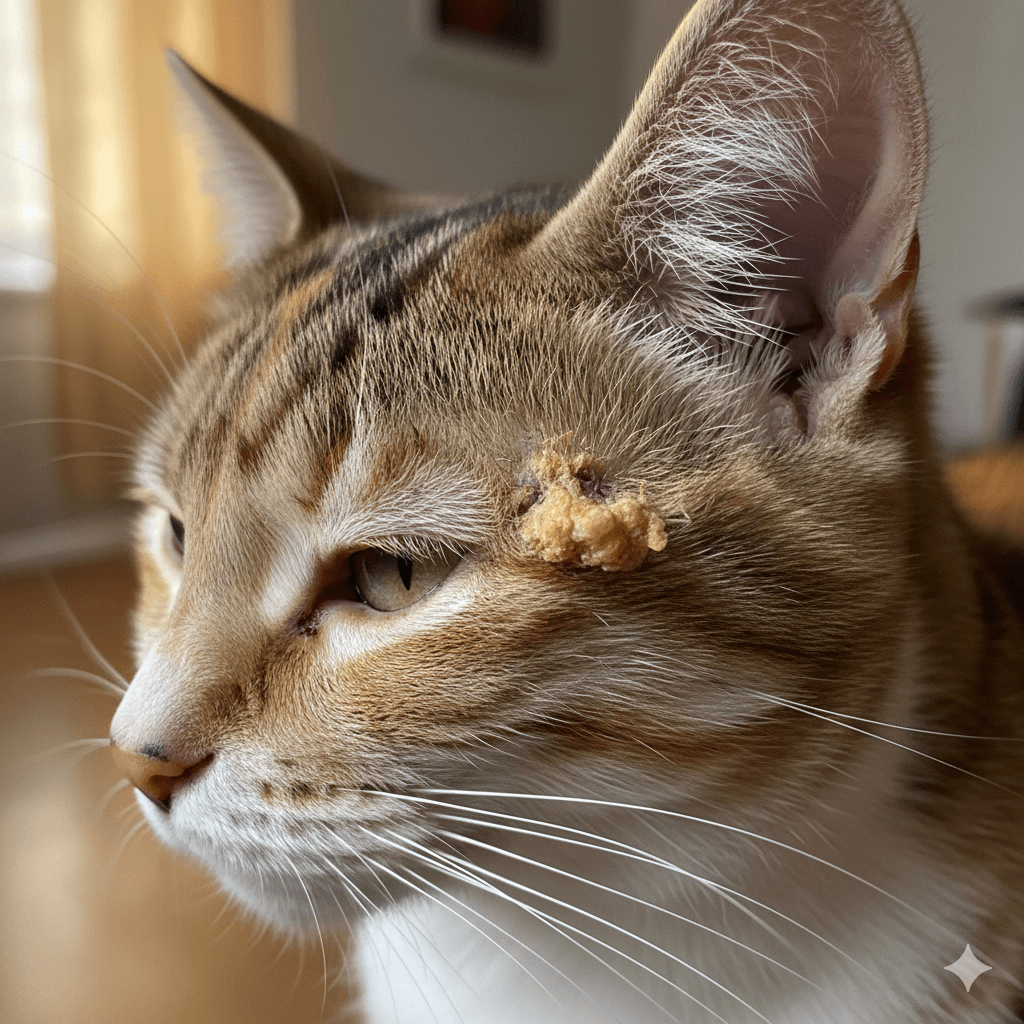

Yellow Crusty Scabs on Cats: Best 7 Expert Tips!

Yellow Crusty Scabs on Cats: Best 7 Expert Tips!

Understanding Yellow Crusty Scabs on Cats: Best 7 Expert Tips!

If you’ve noticed a yellow, crusty scab on your cat’s skin, it’s natural to feel concerned. These scabs can signal anything from minor irritation to a more serious dermatological or systemic issue. While some causes are harmless and resolve on their own, others may indicate infection, allergy, or parasitic infestation. Early recognition and proper care are essential to your cat’s comfort and health. Understanding the potential triggers helps you respond with confidence and care.

Common Causes of Yellow Crusty Scabs in Cats

Yellow crusts on a cat’s skin often result from dried exudate—pus, serum, or blood—mixed with debris, indicating inflammation or infection beneath the surface. These scabs are rarely isolated; they usually accompany other symptoms like itching or hair loss. Consider these frequent underlying causes:

 
  • Bacterial Skin Infections (Pyoderma):
    Superficial infections, often triggered by scratching, can produce yellow crusts filled with pus, especially around wounds or inflamed areas.
     
  • Feline Eosinophilic Granuloma Complex:
    This immune-mediated condition may present with ulcers, plaques, or crusted lesions, sometimes with a yellowish discharge.
     
  • Flea Allergy Dermatitis:
    Just one flea bite can cause intense itching in allergic cats, leading to self-trauma, open sores, and secondary crusting—often around the neck or base of the tail.
     
  • Ringworm (Dermatophytosis):
    Despite its name, ringworm is a fungal infection that can cause circular, scaly patches with crusts, sometimes yellow-tinged, especially in kittens or immunocompromised cats.
     
  • Miliary Dermatitis:
    A general term for small, crusty bumps resembling millet seeds, often linked to allergies, parasites, or food sensitivities.
 

Identifying the root cause is crucial, as treatment varies widely—from antiparasitics to antifungals or immunosuppressive therapy.

Yellow Crusty Scabs on Cats: Best 7 Expert Tips!

When to Seek Veterinary Attention

Not every scab demands emergency care, but certain signs suggest your cat needs professional evaluation. Delaying treatment can lead to worsening infection or chronic skin damage. Watch for these red flags:

 
  • Rapid Spread or Multiple Lesions:
    A single scab is less concerning than clusters appearing across the body within days.
     
  • Intense Scratching or Self-Mutilation:
    Persistent licking, biting, or scratching can deepen wounds and introduce secondary infections.
     
  • Hair Loss or Skin Thickening:
    These indicate chronic inflammation and possible long-term damage to hair follicles.
     
  • Fever, Lethargy, or Loss of Appetite:
    Systemic symptoms suggest the issue extends beyond the skin—possibly into the bloodstream or organs.
     
  • Lesions Near Eyes, Ears, or Mouth:
    Sensitive areas require careful assessment to avoid complications like corneal ulcers or ear canal infections.
 

If any of these occur, schedule a vet visit promptly to prevent progression and relieve your cat’s discomfort.

Early Warning Signs
Serious Complications to Monitor
Single small scab with mild itching
Widespread crusting or oozing sores
Occasional scratching
Constant licking or hair-pulling
No change in behavior
Lethargy, hiding, or reduced appetite
Scab localized to one area
New lesions appearing daily
Dry, flaky skin nearby
Swelling, warmth, or foul odor from site

Diagnostic Steps Your Veterinarian May Take

To pinpoint the cause of yellow crusts, your vet will use a combination of physical assessment and diagnostics. Accurate diagnosis prevents trial-and-error treatments that could worsen the condition:

 
  • Skin Scraping and Cytology:
    A gentle scrape or tape impression examined under a microscope can reveal mites, bacteria, fungi, or inflammatory cells.
     
  • Fungal Culture:
    If ringworm is suspected, a culture from hair or crust samples confirms the diagnosis—though results may take 1–2 weeks.
     
  • Allergy Testing:
    For recurrent cases, intradermal or blood tests may identify environmental or food allergens triggering the response.
     
  • Biopsy (in Chronic Cases):
    A small tissue sample helps diagnose immune-mediated diseases or rare skin cancers mimicking benign scabs.
     
  • Flea Combing and Parasite Check:
    Even indoor cats can harbor fleas; a fine-tooth comb often reveals flea dirt or live parasites.
 

These tools ensure targeted, effective treatment rather than guesswork—saving time, stress, and potential complications.

At-Home Care While Awaiting Diagnosis

While you await test results or a vet appointment, gentle home care can prevent worsening and soothe your cat’s skin—without interfering with diagnosis:

 
  • Avoid Picking or Scrubbing Scabs:
    Removing crusts can reopen wounds and increase infection risk; let them heal naturally.
     
  • Use a Veterinary-Approved Antiseptic Wipe:
    Mild chlorhexidine (0.05–0.2%) wipes can clean surrounding skin—never use hydrogen peroxide or alcohol.
     
  • Prevent Scratching with an E-Collar:
    A soft or inflatable collar stops self-trauma while allowing eating and movement.
     
  • Keep the Area Clean and Dry:
    Gently trim matted fur around lesions (if safe) to reduce moisture and bacterial buildup.
     
  • Monitor for Changes Daily:
    Take photos to track lesion size, color, or new symptoms—this helps your vet assess progression.
 

Never apply over-the-counter ointments without approval, as some ingredients (like zinc or salicylates) are toxic if licked.

Prevention Strategies for Recurrent Skin Issues

Once the cause is identified, prevention minimizes future flare-ups. Consistent routines protect your cat’s delicate skin barrier and immune balance:

 
  • Strict Flea and Tick Control Year-Round:
    Use veterinarian-recommended preventives—even for indoor cats—to avoid allergic reactions.
     
  • High-Quality, Hypoallergenic Diet:
    Food allergies often manifest as skin issues; consider limited-ingredient diets if recommended by your vet.
     
  • Regular Grooming and Skin Checks:
    Brushing removes debris and lets you spot early changes before they escalate.
     
  • Stress Reduction Techniques:
    Use Feliway diffusers, consistent routines, and safe spaces to lower stress-linked dermatitis.
     
  • Clean Bedding and Environment:
    Wash cat beds weekly and vacuum frequently to reduce allergens and fungal spores.
 

Proactive care transforms your home into a sanctuary that supports long-term skin health.

Special Considerations for Kittens, Seniors, and Immune-Compromised Cats

Vulnerable cats respond differently to skin issues and face higher risks from infection or systemic spread. Their care requires extra vigilance and gentler approaches:

 
  • Kittens Under 6 Months:
    Immature immune systems make them prone to severe ringworm or bacterial overgrowth; seek care at the first sign of crusting.
     
  • Senior Cats:
    Underlying diseases like kidney failure or hyperthyroidism can weaken skin integrity and slow healing.
     
  • FIV or FeLV-Positive Cats:
    Immunosuppression increases susceptibility to persistent or atypical skin infections that mimic simple scabs.
     
  • Long-Haired Breeds:
    Mats trap moisture and debris, creating hidden hotspots—daily brushing is essential for early detection.
     
  • Outdoor or Multi-Cat Households:
    Higher exposure to parasites and fights increases injury and infection risk, leading to crust formation.
 

For these groups, even minor scabs warrant closer monitoring and earlier veterinary consultation.

Essential Home Remedies and Supportive Care for Skin Scabs

While veterinary diagnosis is crucial, gentle supportive care at home can ease your cat’s discomfort and support healing—especially when used alongside professional treatment. These measures focus on cleanliness, comfort, and preventing further irritation without interfering with medical therapy:

 
  • Warm Compress for Crust Softening:
    A clean cloth soaked in warm (not hot) water can gently soften thick crusts, making them less itchy and easier for the vet to assess—never forcibly remove them.
     
  • Veterinary-Approved Topical Sprays:
    Products containing chlorhexidine or colloidal silver (specifically formulated for cats) may help reduce surface bacteria—always confirm safety with your vet first.
     
  • Omega-3 Fatty Acid Supplements:
    High-quality fish oil can support skin barrier repair and reduce inflammation, especially in allergy-related cases—use only cat-specific formulations.
     
  • Humidifier in Dry Environments:
    Low humidity can worsen skin dryness and flaking; a cool-mist humidifier may help maintain skin moisture during healing.
     
  • Stress-Free Handling During Care:
    Approach your cat calmly, offer treats, and wrap them gently in a towel if needed to minimize anxiety during cleaning or medication.
 

These supportive steps complement medical treatment but should never replace it—always follow your veterinarian’s guidance for the best outcome.

“Crust can be variable in color—hemorrhagic crusts may be reddish, purulent crusts may take on a greenish or yellow hue, honey-colored crusts may be more infectious in nature.”

Frequently Asked Questions About Yellow Crusty Scabs on Cats

Is a yellow scab always infected?

Not always—some crusts form from dried serum during normal healing, but yellow often suggests bacterial involvement or pus.

No. Neosporin contains ingredients toxic to cats if ingested during grooming and can worsen inflammation.

Possibly—if caused by ringworm or mites, they can spread to other animals and people; isolate and consult your vet immediately.

Usually yes, unless the follicles were permanently damaged by chronic inflammation or deep infection.

With proper treatment, most improve in 7–14 days; untreated or misdiagnosed cases can linger for weeks or recur.

Nurturing Your Cat Back to Healthy, Comfortable Skin

Seeing a yellow, crusty scab on your beloved cat can stir worry—but with informed care, most skin issues resolve fully without lasting harm. The key lies in observing closely, acting early, and partnering with your veterinarian for an accurate diagnosis. Your cat’s skin is a reflection of their inner health, and every gentle wipe, preventative measure, and vet visit reinforces your bond and their well-being. Trust your instincts: if something feels off, it likely is. By combining love with knowledge, you give your feline companion the best chance at smooth, itch-free skin and a lifetime of purrs.

Is Rawhide Bad for Cats? Best 7 Expert Tips!

Is Rawhide Bad for Cats? Best 7 Expert Tips! – Discover the risks, safe alternatives, and expert advice to keep your feline friend healthy and happy.

Is Rawhide Bad for Dogs? Best 7 Expert Tips!

Is Rawhide Bad for Dogs? Best 7 Expert Tips! – Discover the risks, benefits, and safer alternatives to rawhides for your dog’s chewing needs.

Understanding Anorexia in Cats: Best 7 Expert Tips!

Understanding Anorexia in Cats: Best 7 Expert Tips! – Learn why cats stop eating, spot warning signs, and discover how to help your feline regain appetite safely.

Understanding Anorexia in Dogs: Best 7 Expert Tips!

Understanding Anorexia in Dogs: Best 7 Expert Tips! – Learn causes, symptoms, and solutions to help your dog regain appetite and stay healthy.

Leave a Reply

Your email address will not be published. Required fields are marked *