
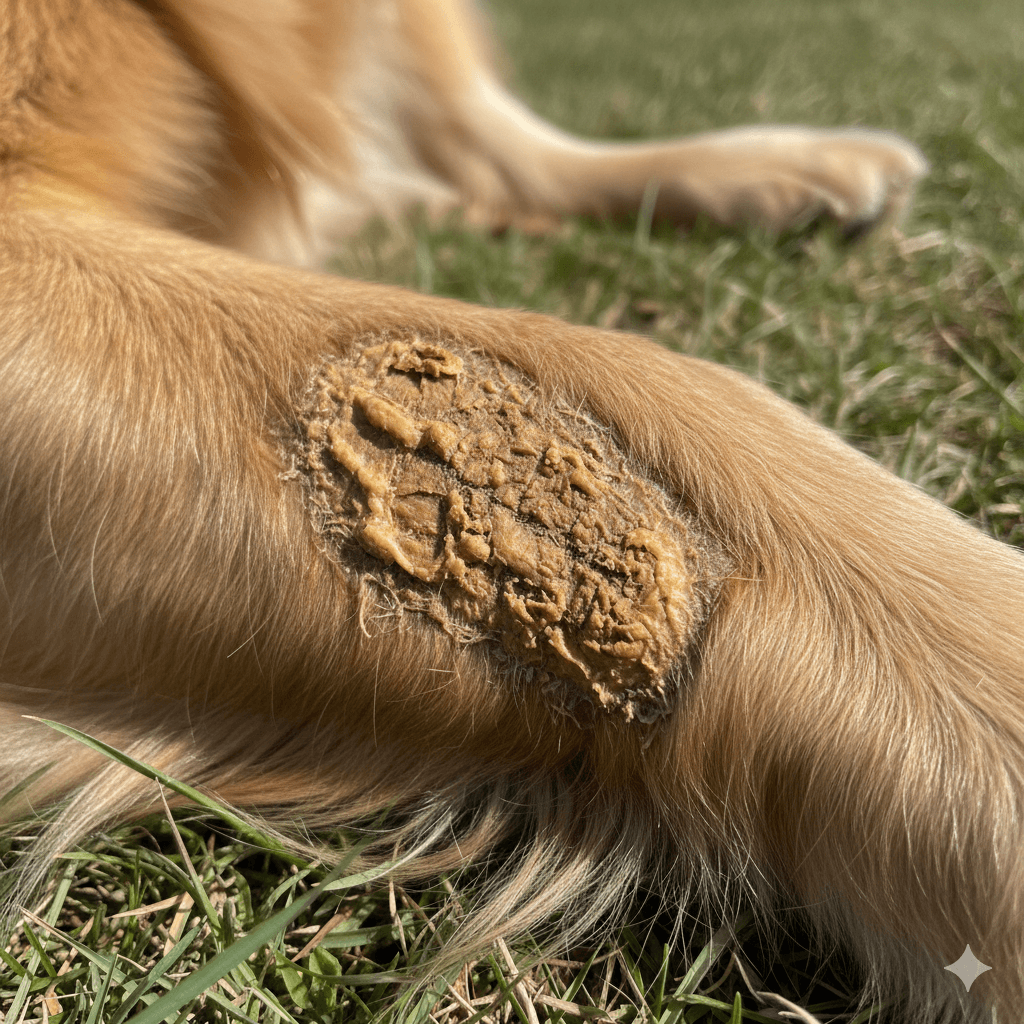

Understanding Yellow Crusty Scabs on Dogs
If you’ve noticed a yellow, crusty scab on your dog’s skin, it’s natural to feel concerned. These scabs can signal anything from a minor scratch to a deeper infection or allergic reaction. While some resolve on their own, others may worsen without proper care. Identifying the underlying cause is essential to prevent discomfort, itching, or secondary complications. With the right knowledge, you can support your dog’s skin health and ensure timely treatment when needed.
Common Causes of Yellow Crusty Scabs
Yellow crusts on a dog’s skin often result from dried discharge, inflammation, or infection. These scabs aren’t a diagnosis themselves but a visible clue pointing to an underlying issue that needs attention. Here are the most frequent causes to consider:
- Bacterial Skin Infections (Pyoderma):
Superficial infections like impetigo or staphylococcal dermatitis often produce yellow, honey-colored crusts, especially in puppies or dogs with compromised skin barriers. - Allergic Dermatitis:
Reactions to food, fleas, or environmental allergens can trigger intense itching, leading to self-trauma, open sores, and yellow crusting as the skin tries to heal. - Mange (Sarcoptic or Demodectic):
Mite infestations cause severe irritation, hair loss, and oozing lesions that dry into thick, yellow crusts—often around the ears, elbows, or belly. - Fungal Infections (Ringworm):
Despite its name, ringworm is a fungal condition that may present with circular, scaly patches and crusting, sometimes with yellow debris at the edges. - Trauma or Self-Trauma:
Scratching, biting, or licking due to pain or boredom can break the skin, allowing serum and white blood cells to dry into crusty scabs.
Most yellow crusts improve with targeted treatment, but persistent or spreading lesions require veterinary diagnosis to rule out serious conditions.
When to Seek Veterinary Care
Not every scab demands an emergency visit, but certain signs indicate your dog needs professional help. Early intervention prevents worsening and secondary complications:
- Scabs Spreading or Multiplying:
A single scab that grows or new ones appearing elsewhere suggests an active, progressing condition. - Intense Itching or Pain:
Constant scratching, whining, or flinching when touched signals significant discomfort that won’t resolve without treatment. - Hair Loss Around the Area:
Bald patches accompanying crusts often point to mange, fungal infection, or chronic inflammation. - Foul Odor or Oozing Pus:
A smelly, wet, or discolored discharge indicates bacterial overgrowth or deep infection needing antibiotics. - Lethargy or Loss of Appetite:
Systemic signs mean the issue may have moved beyond the skin—especially concerning in puppies or senior dogs.
If any of these red flags appear, schedule a vet appointment within 24–48 hours to prevent escalation.
Check this guide 👉Understanding Scabs in Dogs Ears: Best 7 Tips!
Check this guide 👉Black Crusty Scab on Dog: Best 7 Expert Tips!
Check this guide 👉Old Dog Losing Hair in Patches and Scabs: Best 7 Tips!
Early Warning Signs | Serious Complications to Monitor |
|---|---|
Small, dry scab with no itching | Rapidly expanding crusty lesions |
Mild redness under the scab | Skin that feels hot or swollen |
Occasional scratching | Constant licking or chewing at the site |
Scab limited to one area | Multiple scabs across the body |
No change in behavior | Fever, lethargy, or appetite loss |
Diagnostic Steps Your Vet May Take
To pinpoint the cause of yellow crusts, your veterinarian will use a combination of observation and testing. Accurate diagnosis ensures the right treatment and avoids wasted time on ineffective remedies:
- Physical Skin Examination:
The vet will assess location, pattern, and texture of the scabs—mange often affects ears and elbows, while allergies favor paws and belly. - Skin Scraping:
A gentle scrape collects cells and mites for microscopic analysis, crucial for diagnosing mange or fungal elements. - Cytology (Tape Prep or Impression Smear):
Clear tape pressed on the lesion reveals bacteria, yeast, or inflammatory cells to guide antibiotic or antifungal choices. - Fungal Culture or PCR Test:
If ringworm is suspected, a culture or DNA test confirms the presence of dermatophytes. - Allergy Testing or Food Trial:
For recurrent or seasonal scabs, blood tests or an elimination diet may uncover hidden triggers.
A precise diagnosis often resolves the issue faster and prevents unnecessary medication or relapse.
At-Home Care for Mild, Isolated Scabs
If your vet confirms a minor injury or mild irritation, gentle home care can support healing. Never attempt treatment without ruling out infection or parasites first:
- Keep the Area Clean:
Gently wipe with a saline solution or vet-recommended antiseptic—avoid hydrogen peroxide or alcohol, which damage healing tissue. - Prevent Licking and Scratching:
Use an Elizabethan collar or recovery suit to stop your dog from reopening the wound and introducing bacteria. - Apply Soothing Topicals (If Approved):
Some vets suggest medical-grade ointments with chlorhexidine or silver sulfadiazine—never use human creams without guidance. - Support Skin Health Nutritionally:
Omega-3 fatty acids and zinc-rich diets promote skin repair and reduce inflammation over time. - Monitor Daily for Changes:
Take photos to track size, color, and crusting—if it worsens in 2–3 days, return to the vet.
Consistent, gentle care helps most minor scabs heal within 5–7 days without scarring.
Preventing Future Skin Scabs
Long-term skin health depends on proactive habits that reduce exposure to irritants, parasites, and allergens. Prevention is far easier than treating chronic skin issues:
- Maintain Regular Flea and Tick Control:
Even one flea bite can trigger allergic scabs in sensitive dogs—use vet-approved preventatives year-round. - Bathe with Hypoallergenic Shampoos:
Medicated or oatmeal-based shampoos (used as directed) cleanse without stripping natural oils. - Feed a High-Quality, Balanced Diet:
Nutritional deficiencies can weaken the skin barrier—choose foods with adequate protein, fats, and essential vitamins. - Reduce Environmental Allergens:
Wash bedding weekly, use air purifiers, and wipe paws after walks to minimize pollen or chemical exposure. - Schedule Routine Wellness Checks:
Early detection of thyroid issues, Cushing’s, or immune disorders prevents secondary skin breakdown.
A resilient skin barrier is your dog’s best defense against recurring crusts and infections.
Special Considerations for Breeds Prone to Skin Issues
Some breeds have genetic or structural traits that make them more vulnerable to yellow crusts and chronic dermatitis. Tailored care is essential for these dogs:
- Shar-Peis and Bulldogs:
Deep skin folds trap moisture and bacteria, leading to fold dermatitis with yellow crusts—clean folds daily with gentle wipes. - Westies and Terriers:
Prone to atopic dermatitis and yeast overgrowth; monitor ears and paws closely for early crusting signs. - Cocker Spaniels:
Oily skin and ear issues often extend to facial and neck crusts—regular grooming and ear cleaning are vital. - Poodles and Bichons:
Dense coats hide early lesions; brush thoroughly 2–3 times weekly to spot problems before they crust over. - German Shepherds and Retrievers:
Common allergy sufferers; consider early allergy testing if scabs recur seasonally.
Understanding your breed’s tendencies allows for smarter monitoring and faster intervention.
What to Avoid When Treating Yellow Scabs
Well-meaning home remedies can sometimes make things worse. Avoid these common mistakes that delay healing or cause harm:
- Picking or Peeling the Scab:
This reopens the wound, introduces bacteria, and increases scarring risk—let it fall off naturally. - Using Human Antibiotic Ointments:
Neosporin or similar products may contain ingredients toxic if licked (like neomycin) and can trigger sensitivities. - Over-Bathing with Harsh Soaps:
Stripping natural oils dries the skin, worsening irritation and creating more entry points for infection. - Ignoring Recurrence:
A “healed” scab that returns in the same spot often signals an unresolved root cause like allergy or mites. - Delaying Veterinary Care:
Assuming it’s “just a scab” can allow mange or deep pyoderma to spread—when in doubt, get it checked.
Gentle, informed care—not guesswork—is the path to lasting skin health.
“Secondary seborrhea is a sign of an underlying disease that causes excessive scaling, crusting, or oiliness, often accompanied by pus-filled inflammation, infection, and hair loss.”
Frequently Asked Questions About Yellow Crusty Scabs on Dogs
Are yellow crusts contagious to other dogs?
Yes—if caused by mange or ringworm, they can spread. Bacterial or allergic scabs are not contagious but still need isolation until diagnosed.
Can I use coconut oil on my dog’s scab?
While coconut oil has mild antimicrobial properties, it can trap debris and worsen certain infections. Consult your vet first.
How long does a typical scab take to heal?
Minor scabs heal in 5–10 days. Infected or chronic lesions may take 2–4 weeks with proper treatment.
Is it normal for the scab to turn black as it heals?
Yes—older scabs often darken as blood pigments oxidize. But if redness, swelling, or pus appears beneath, it’s a sign of infection.
Should I shave the hair around the scab?
Only if recommended by your vet. Shaving can help with treatment access but may irritate sensitive skin if done improperly.
Supporting Your Dog’s Skin Health from the Inside Out
Yellow crusty scabs are more than just a surface issue—they’re often a window into your dog’s overall health. By responding with care, avoiding guesswork, and partnering with your veterinarian, you can turn a concerning symptom into an opportunity for better wellness. Healthy skin starts with a strong immune system, balanced nutrition, and a clean, calm environment. More importantly, your calm presence and gentle touch reassure your dog during discomfort, reinforcing the bond that makes healing possible. With vigilance and love, most skin issues resolve fully—and your dog returns to happy, itch-free days ahead.
Is Rawhide Bad for Cats? Best 7 Expert Tips! – Discover the risks, safe alternatives, and expert advice to keep your feline friend healthy and happy.

Is Rawhide Bad for Dogs? Best 7 Expert Tips! – Discover the risks, benefits, and safer alternatives to rawhides for your dog’s chewing needs.

Understanding Anorexia in Cats: Best 7 Expert Tips! – Learn why cats stop eating, spot warning signs, and discover how to help your feline regain appetite safely.

Understanding Anorexia in Dogs: Best 7 Expert Tips! – Learn causes, symptoms, and solutions to help your dog regain appetite and stay healthy.