
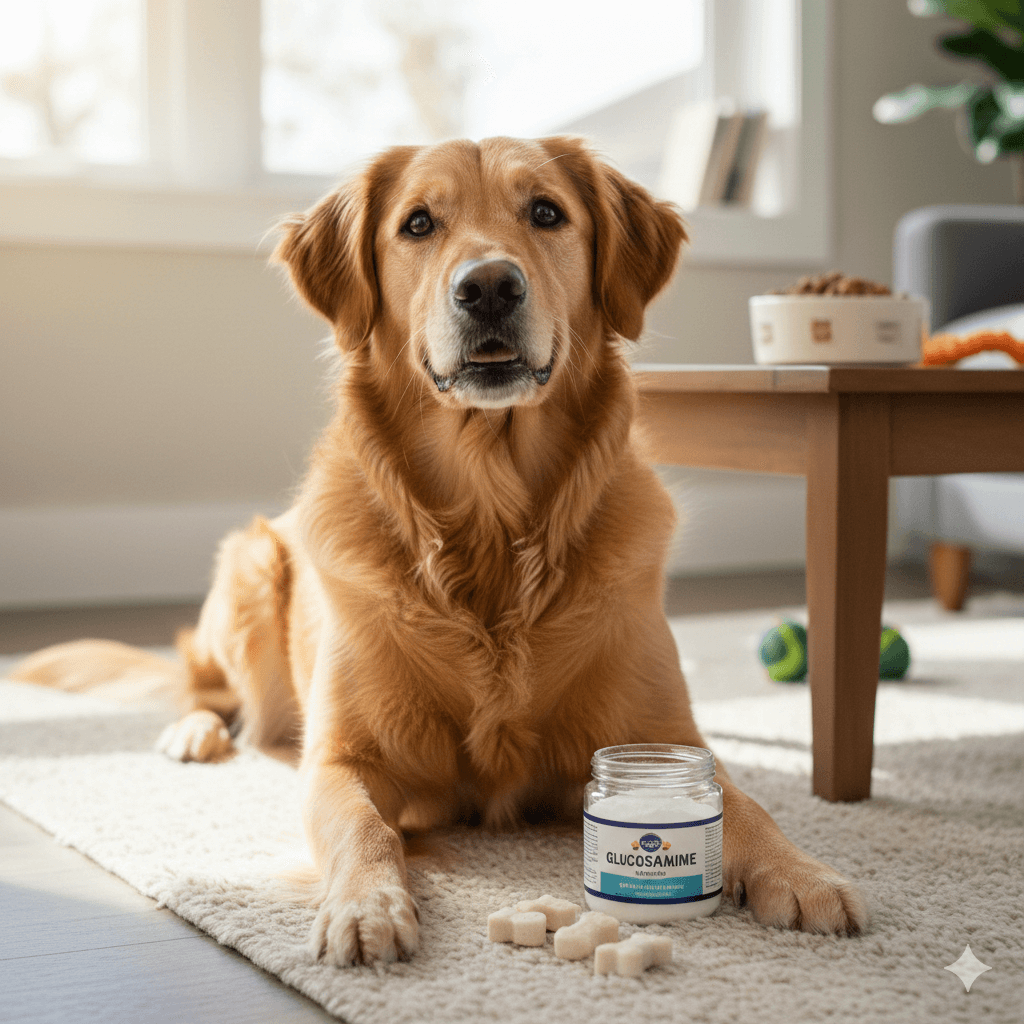

Glucosamine for Dogs: Best 7 Expert Tips!
If your dog is slowing down on walks, hesitating to jump, or showing stiffness after rest, joint discomfort may be the culprit—and glucosamine could be part of the solution. This naturally occurring compound supports cartilage health and is a cornerstone of many canine joint supplements. While not a cure-all, glucosamine, when used wisely, can significantly improve mobility and comfort in aging or active dogs. Understanding how it works, what to look for, and how to use it safely empowers you to make informed choices for your dog’s long-term well-being.
How Glucosamine Supports Joint Health in Dogs
Glucosamine is a building block for glycosaminoglycans, essential components of cartilage that cushion joints. As dogs age or experience wear from activity, cartilage can degrade, leading to pain and reduced mobility. Supplementing with glucosamine helps maintain and potentially rebuild this protective tissue:
- Cartilage Repair Support:
Glucosamine provides raw materials the body uses to synthesize and repair damaged joint cartilage. - Synovial Fluid Enhancement:
It helps improve the quality and viscosity of joint fluid, reducing friction during movement. - Anti-Inflammatory Effects:
While not a direct painkiller, glucosamine may help moderate inflammatory pathways in arthritic joints. - Slows Degenerative Joint Disease:
Long-term use in dogs with osteoarthritis can slow progression and preserve function. - Natural and Generally Safe:
Derived from shellfish or fermented corn, it’s well-tolerated by most dogs with minimal side effects.
Used consistently, glucosamine becomes a proactive tool in maintaining your dog’s freedom of movement and quality of life.
When to Consider Glucosamine for Your Dog
Not every dog needs joint supplements, but certain life stages and conditions make glucosamine especially beneficial. Early intervention often yields the best outcomes, even before severe symptoms appear:
- Senior Dogs Over Age 7:
Age-related cartilage wear makes prevention crucial—start supplementation before major stiffness sets in. - Large or Giant Breeds:
Breeds like German Shepherds, Labradors, or Great Danes are prone to hip and elbow dysplasia. - Active or Working Dogs:
Agility, hunting, or service dogs endure repetitive stress that accelerates joint wear. - Dogs with Previous Injuries:
Past ligament tears or fractures increase future arthritis risk in affected joints. - Post-Surgical Recovery:
After orthopedic procedures, glucosamine supports healing and long-term joint stability.
Starting glucosamine at the right time can mean years of extra comfort and mobility for your loyal companion.
Check this guide 👉Fish Oil Dosage for Dogs: Best 7 Expert Tips!
Check this guide 👉Sarolaner for Dogs: Best 7 Expert Tips!
Check this guide 👉Coconut Oil for Dogs Fleas: Best 7 Expert Tips!
Preventive Use Cases | Therapeutic Use Cases |
|---|---|
Large-breed puppies from 6 months | Dogs diagnosed with osteoarthritis |
Athletic or working dogs | Post-TPLO or hip surgery recovery |
Overweight dogs under joint stress | Dogs showing early stiffness |
Breeds predisposed to dysplasia | Chronic lameness without clear cause |
Senior dogs with no current symptoms | Dogs on long-term NSAID therapy |
Types of Glucosamine and What to Look For
Not all glucosamine supplements are created equal. The source, form, and added ingredients dramatically impact effectiveness and safety:
- Glucosamine Sulfate vs. Hydrochloride:
Sulfate is more extensively studied and often preferred, though hydrochloride is also effective and shellfish-free options exist. - Combination Formulas:
Most quality products pair glucosamine with chondroitin sulfate and MSM for synergistic joint support. - Shellfish Allergy Considerations:
If your dog is allergic, choose vegan glucosamine derived from fermented corn or fungi. - Third-Party Testing:
Look for brands verified by NASC (National Animal Supplement Council) or independent labs for purity and potency. - Avoid Fillers and Artificial Additives:
Steer clear of products with excessive sugars, dyes, or unproven “miracle” ingredients.
Choosing a high-quality, well-formulated product ensures your investment truly benefits your dog’s joints.
Dosage Guidelines and Administration Tips
Correct dosing is essential for both safety and effectiveness. Too little won’t help; too much offers no added benefit and may cause digestive upset:
- Weight-Based Dosing:
Typical range is 15–30 mg per pound of body weight daily (e.g., 500 mg for a 25-lb dog). - Loading Phase (Optional):
Some vets recommend double the maintenance dose for 4–6 weeks to saturate joint tissue faster. - Give With Food:
Administering with a meal reduces the chance of mild stomach upset or nausea. - Consistency Matters:
Effects build over weeks—give it daily, not just “when your dog seems stiff.” - Chewables vs. Capsules vs. Powders:
Choose the form your dog accepts reliably; absorption is similar across quality formats.
Patience and routine are key—most dogs show noticeable improvement after 4 to 8 weeks of consistent use.
Potential Side Effects and Safety Precautions
Glucosamine is among the safest supplements for dogs, but awareness of rare risks ensures responsible use:
- Mild Digestive Upset:
Occasional soft stool, gas, or vomiting may occur, especially when first starting. - Shellfish Allergies:
Though rare in dogs, true allergies warrant avoidance of shellfish-derived glucosamine. - Diabetic Dogs:
Glucosamine is a sugar derivative, but studies show no significant blood glucose impact in dogs—still, monitor closely. - Bleeding Disorders (Theoretical Risk):
High doses combined with blood thinners like aspirin warrant vet supervision. - Pregnancy and Puppies:
Safety isn’t fully established; use only under veterinary guidance in these groups.
When sourced and dosed appropriately, glucosamine poses minimal risk and maximal joint benefit for most dogs.
Comparing Glucosamine to Other Joint Support Options
While glucosamine is foundational, it’s often part of a broader joint health strategy. Understanding how it fits among alternatives helps you build the best plan:
- NSAIDs (e.g., Carprofen):
Provide fast pain relief but don’t repair cartilage; glucosamine complements them by addressing root causes. - CBD Oil:
May reduce inflammation and discomfort but doesn’t support cartilage synthesis like glucosamine. - Omega-3 Fatty Acids:
Powerful anti-inflammatories that work well alongside glucosamine for comprehensive care. - Green-Lipped Mussel (GLM):
A natural source of glucosamine, chondroitin, and omega-3s—effective but variable in potency. - Prescription Diets (e.g., Hill’s j/d):
Formulated with therapeutic levels of joint nutrients, including glucosamine, for convenience.
Glucosamine shines not as a standalone fix, but as a core component of a holistic joint wellness protocol.
Expert Tips for Maximizing Glucosamine Benefits in Dogs
Getting the most out of glucosamine supplementation goes beyond just giving a pill—it’s about smart integration into your dog’s overall health plan. These expert-backed strategies help ensure optimal absorption, effectiveness, and long-term joint support:
- Start Early, Especially for At-Risk Breeds:
Proactively begin glucosamine by age 1–2 in large or predisposed breeds; prevention is far more effective than waiting for arthritis to develop. - Pair With Omega-3 Fatty Acids:
Combine with high-quality fish oil to amplify anti-inflammatory effects and improve joint lubrication synergistically. - Maintain a Healthy Weight:
Excess pounds strain joints dramatically—glucosamine works best when your dog is at or near ideal body condition. - Incorporate Low-Impact Exercise:
Regular walks, swimming, or gentle play keep joints mobile and nourished, enhancing glucosamine’s regenerative effects. - Reassess Every 6 Months:
Joint needs change with age or activity level; consult your vet to adjust dosage or formula as your dog evolves.
When used as part of a holistic approach, glucosamine doesn’t just support joints—it helps preserve your dog’s vitality, comfort, and zest for life.
Frequently Asked Questions About Glucosamine for Dogs
Can I give my dog human glucosamine?
Not recommended—human formulas may contain xylitol, excess sugar, or incorrect dosing. Always use dog-specific products.
How long until I see results?
Most owners notice subtle improvements in 2–4 weeks, with full effects visible by 8–12 weeks of daily use.
Is glucosamine safe for long-term use?
Yes—it’s designed for ongoing, lifelong support in dogs with or at risk for joint issues.
Can I stop other arthritis meds if I start glucosamine?
Never discontinue prescribed medications without veterinary approval. Glucosamine complements but doesn’t replace pain management.
What if my dog refuses the supplement?
Try hiding it in high-value treats, mixing powder into wet food, or switching to a flavored liquid form.
Helping Your Dog Move Freely, Step by Confident Step
Supporting your dog’s joints with glucosamine isn’t just about reducing pain—it’s about preserving joy. Every leap onto the couch, every excited dash to the door, every relaxed stroll through the park reflects their comfort and confidence. By choosing high-quality glucosamine, using it consistently, and pairing it with a healthy lifestyle, you give your dog the gift of mobility for years to come. Trust your instincts, partner with your veterinarian, and remember: a spring in their step means everything. Your care today ensures their happy movement tomorrow—and that’s a bond no supplement can replace, but every one can support.
Newfoundland Dog Personality: Best 7 Expert Tips! – Discover the gentle, loyal, and protective nature of this giant breed perfect for families.
Can Hot Pavement Burn Your Cats Paws? Best 7 Expert Tips! – Learn how to protect your cat’s paws from hot surfaces and prevent painful burns this summer.
Can Hot Pavement Burn Your Dogs Paws? Best 7 Expert Tips! – Learn how to protect your dog’s paws from hot surfaces and ensure safe summer walks.
Irish Wolfhound Size: Best 7 Expert Tips! – Discover the ideal height, weight, and care tips for this majestic giant breed. Learn how to manage their impressive stature responsibly.


