
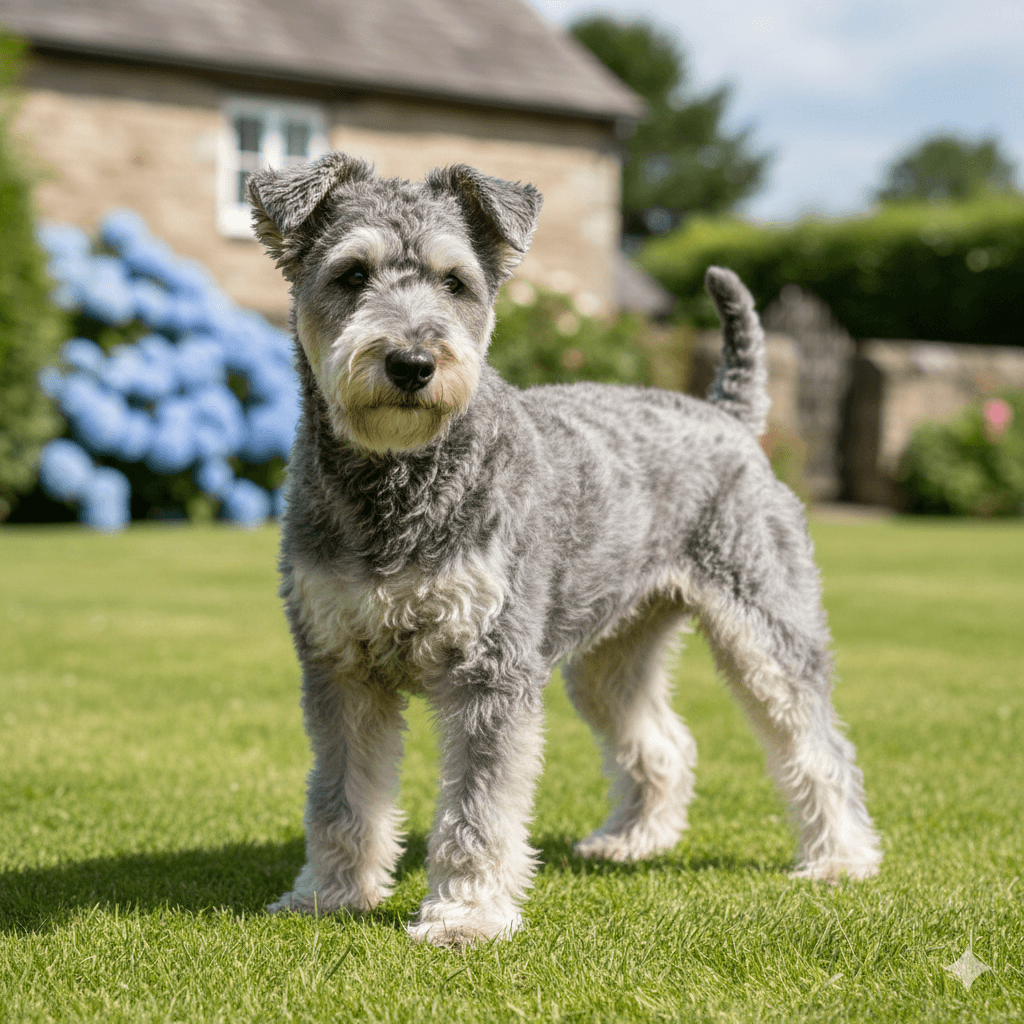

Bedlington Terrier Dog: Best 7 Expert Tips!

Bedlington Terrier Dog: Best 7 Expert Tips!

Understanding the Bedlington Terrier Dog: Best 7 Expert Tips!

With their lamb-like curls and sprightly demeanor, Bedlington Terriers captivate dog lovers worldwide. Belying their soft appearance is a fearless, energetic spirit rooted in their working terrier heritage. Originally bred for hunting and companionship in England’s mining towns, these unique dogs blend elegance with tenacity. Whether you’re considering adoption or already share your home with one, understanding their needs is essential. Discover seven expert-backed insights to nurture a happy, healthy life with this distinctive breed.

Origins and History of the Bedlington Terrier

The Bedlington Terrier’s story begins in the rugged countryside of Northumberland, England, where it earned its reputation as a skilled hunter and loyal companion. Though named after the mining town of Bedlington, its lineage likely includes Dandie Dinmont Terriers, Whippets, and even Otterhounds. These crossbreeds shaped a dog that was both swift and courageous—ideal for chasing vermin and competing in dog races. Recognized by the Kennel Club in the late 19th century, the breed gained popularity among miners and gentry alike. Its distinctive topknot and pear-shaped body soon became hallmarks of British terrier elegance.

 
  • Developed in Northeast England:
    Originating in the 1800s, the breed was prized by miners for its ratting prowess and compact size.
     
  • Racing and Fighting Roots:
    Early Bedlingtons competed in dog races and even staged fights—traits that explain their stamina and boldness.
     
  • Whippet Influence for Speed:
    Crossbreeding with Whippets contributed to their slender build and surprising agility.
     
  • Distinctive Grooming Traditions:
    The iconic “lamb clip” wasn’t just cosmetic—it protected vital areas during hunts while reducing drag.
     
  • Official Recognition in 1874:
    The Kennel Club formally acknowledged the breed, cementing its status among British terriers.
 

This rich history explains why the Bedlington Terrier is far more than a pretty face—it’s a resilient, versatile dog shaped by purpose and passion.

Bedlington Terrier Dog: Best 7 Expert Tips!

Distinctive Physical Traits

At first glance, the Bedlington Terrier resembles a fluffy lamb, but closer inspection reveals athletic grace and functional design. Every aspect of its appearance serves a purpose, from its arched back to its non-shedding coat.

 
  • Unique Silky, Curly Coat:
    Unlike most terriers, it has a soft, lint-free coat requiring regular grooming to prevent matting.
     
  • Topknot and Pear-Shaped Body:
    A pronounced head crest and deep, narrow chest give it a silhouette unlike any other breed.
     
  • Arched Back and Tucked Abdomen:
    This structural trait enhances flexibility and speed during quick directional changes.
     
  • Color Evolution with Age:
    Born dark, most Bedlingtons lighten to shades of blue, liver, or sandy as they mature.
     
  • Non-Shedding and Hypoallergenic:
    Their coat makes them a good fit for allergy sufferers, though grooming demands are high.
 

These physical hallmarks make the Bedlington Terrier instantly recognizable—and surprisingly athletic beneath its woolly exterior.

Temperament Highlights
Care Considerations
Loyal and affectionate with family
Requires professional grooming every 6–8 weeks
Playful and energetic
Needs daily exercise to prevent boredom
Intelligent but independent
Early socialization is crucial for balanced behavior
Gentle with respectful children
Prone to copper toxicosis—genetic testing advised
Alert and moderately protective
Thrives on mental stimulation and interactive toys

Exercise and Mental Stimulation Needs

Despite their refined looks, Bedlington Terriers are active dogs with sharp minds that crave engagement. Without proper outlets, they may resort to digging, barking, or destructive chewing.

 
  • Daily Walks Are Essential:
    Aim for 45–60 minutes of brisk walking or jogging to satisfy their moderate-to-high energy level.
     
  • Off-Leash Play in Secure Areas:
    Their prey drive remains strong—always supervise in unfenced spaces to avoid chasing small animals.
     
  • Puzzle Toys and Training Games:
    Interactive feeders or scent games keep their clever minds occupied and reduce anxiety.
     
  • Dog Sports Compatibility:
    They excel in agility, obedience, and earthdog trials, which honor their terrier instincts.
     
  • Avoid Extreme Heat:
    Their dense coat can trap heat—exercise during cooler hours and provide shade and water.
 

A mentally and physically fulfilled Bedlington is a calm, content companion at home.

Grooming and Coat Maintenance

That lamb-like fluff doesn’t stay pristine without effort. The Bedlington’s coat is high-maintenance but rewarding for owners who enjoy grooming rituals.

 
  • Weekly Brushing Prevents Mats:
    Use a slicker brush and comb to detangle the soft curls, especially behind ears and legs.
     
  • Professional Grooming Every 6–8 Weeks:
    The breed’s show clip or pet trim requires skilled handling to maintain shape and hygiene.
     
  • Bathing Every 3–4 Weeks:
    Use gentle, hypoallergenic shampoos to preserve coat texture and skin health.
     
  • Ear and Dental Care:
    Floppy ears need weekly checks for wax or infection; daily tooth brushing prevents periodontal disease.
     
  • Trim Nails Regularly:
    Overgrown nails affect posture and gait—clip every 2–3 weeks or as needed.
 

Consistent grooming strengthens your bond while keeping your Bedlington looking—and feeling—their best.

Health Considerations and Genetic Screening

While generally robust, Bedlington Terriers face specific inherited conditions that responsible owners must monitor. Proactive care ensures a long, vibrant life.

 
  • Copper Toxicosis (CT):
    A potentially fatal liver disorder caused by copper buildup; DNA testing is strongly recommended.
     
  • Retinal Dysplasia:
    An eye condition that can affect vision; annual vet ophthalmologist exams help catch early signs.
     
  • Patellar Luxation:
    Some lines are prone to kneecap dislocation—watch for skipping or limping during play.
     
  • Allergies and Skin Sensitivities:
    Food or environmental triggers may cause itching; hypoallergenic diets can help.
     
  • Lifespan of 12–16 Years:
    With proper care, many Bedlingtons enjoy exceptionally long, healthy lives.
 

Collaborating with a vet familiar with the breed significantly improves outcomes for at-risk dogs.

Training and Socialization Strategies

Bedlingtons are smart but spirited—success hinges on consistency, positive reinforcement, and early exposure to the world.

 
  • Start Socialization Early:
    Introduce puppies to diverse people, sounds, and animals before 16 weeks of age.
     
  • Use Reward-Based Methods:
    Harsh corrections backfire; they respond best to treats, praise, and play.
     
  • Address Terrier Stubbornness:
    Keep sessions short, fun, and varied to maintain focus and avoid frustration.
     
  • Leash Training Is Crucial:
    Their chase instinct means reliable recall and leash manners are non-negotiable.
     
  • Housebreaking Patience:
    Like many terriers, they can be slow to housetrain—crate training often speeds the process.
 

With the right approach, your Bedlington becomes a well-mannered, confident companion.

Living with a Bedlington Terrier: Ideal Home Environment

This breed adapts well to various households—but thrives only when their unique needs are met.

 
  • Apartment Living Is Possible:
    If given daily exercise, they can do well in smaller spaces thanks to their moderate indoor energy.
     
  • Best with Active, Attentive Owners:
    They bond deeply and dislike long periods alone, which can trigger anxiety or barking.
     
  • Good with Respectful Children:
    Gentle kids who understand dog boundaries will enjoy a playful, protective friend.
     
  • Not Ideal for Multi-Pet Homes with Small Animals:
    Their prey drive may clash with rabbits, hamsters, or even cats if not raised together.
     
  • Thrives in Cooler Climates:
    Their coat insulates well in winter but requires extra cooling in summer heat.
 

When matched with the right lifestyle, the Bedlington Terrier offers unwavering loyalty and joyful companionship.

Frequently Asked Questions About the Bedlington Terrier Dog

Are Bedlington Terriers hypoallergenic?

Yes—their non-shedding, curly coat produces less dander, making them suitable for many allergy sufferers.

They’re alert and will bark at strangers or unusual sounds, but proper training minimizes excessive noise.

Puppies from health-tested, reputable breeders typically range from $2,000 to $3,500.

They can be, provided the owner is committed to training, grooming, and meeting their exercise needs.

Absolutely—they’re affectionate with their families and often seek close physical contact after playtime.

Embracing Life with Your Bedlington Terrier

The Bedlington Terrier is a living paradox—graceful yet gutsy, gentle yet game. More than just a striking silhouette, this breed offers deep loyalty, playful energy, and a quiet confidence that endears it to devoted owners. Caring for one means honoring both their delicate appearance and their bold terrier heart. With consistent training, thoughtful grooming, and proactive health care, your Bedlington will reward you with years of spirited companionship and unwavering devotion. In their expressive eyes and springy step, you’ll find not just a pet, but a true partner in life’s daily adventures.

Cat Wheat Allergies: Best 7 Expert Tips!

Cat Wheat Allergies: Best 7 Expert Tips! – Discover symptoms, dietary solutions, and prevention strategies to manage your cat’s wheat allergy effectively.

Wheat Allergies in Dogs: Best 7 Expert Tips!

Wheat Allergies in Dogs: Best 7 Expert Tips! – Learn to spot symptoms, manage diets, and improve your dog’s health with expert advice on wheat allergies.

How Much Does a Mastiff Dog Weigh? Best 7 Expert Tips!

How Much Does a Mastiff Dog Weigh? Best 7 Expert Tips! – Discover the ideal weight range, growth patterns, and health tips to keep your Mastiff happy and strong.

Amino Acids for Cats: Best 7 Expert Tips!

Amino Acids for Cats: Best 7 Expert Tips! – Discover the essential amino acids your cat needs, their benefits, and how to ensure a balanced diet for optimal health.

Leave a Reply

Your email address will not be published. Required fields are marked *

Post Category


