
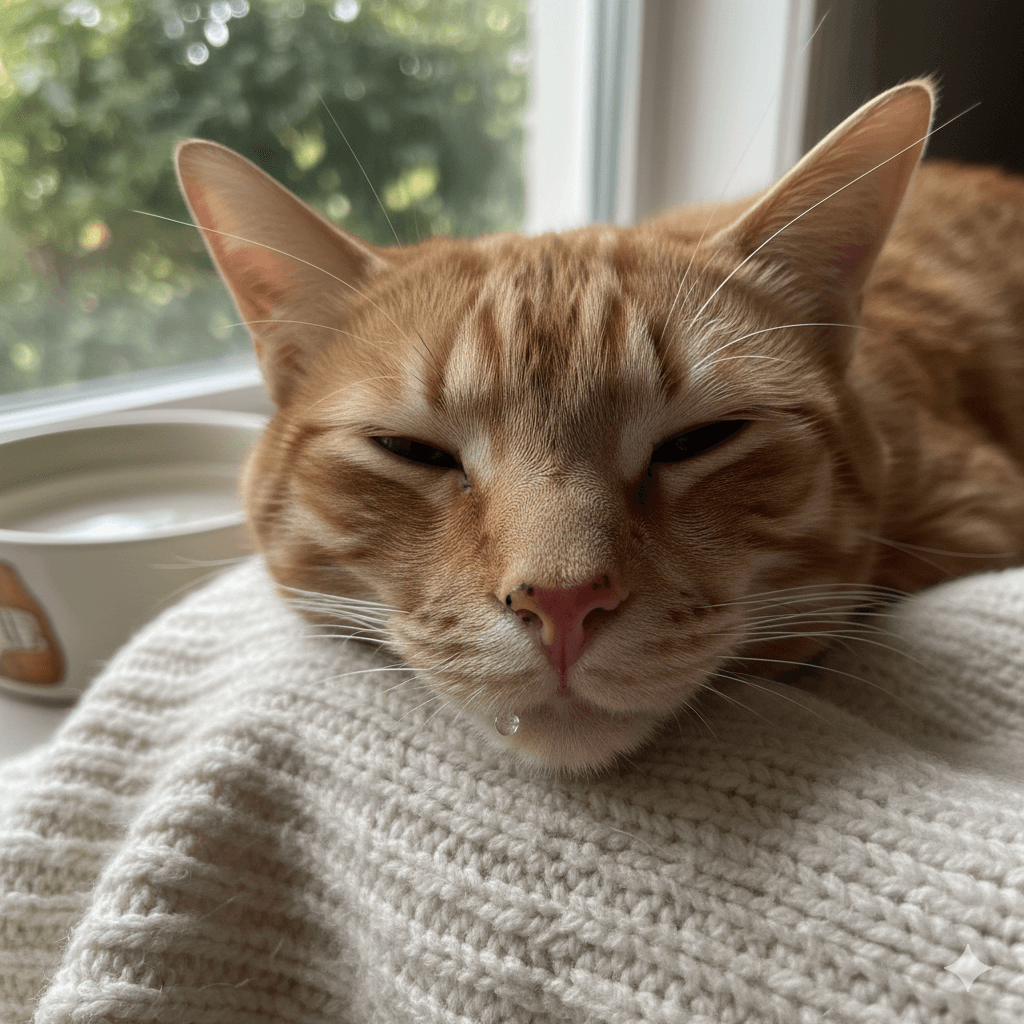

Is a Wet Nose a Sign of a Healthy Cat? Best 7 Expert Tips!

Is a Wet Nose a Sign of a Healthy Cat? Best 7 Expert Tips!

Is a Wet Nose a Sign of a Healthy Cat? Best 7 Expert Tips!


A wet nose often looks like a hallmark of feline well-being—but is it really a reliable health indicator? While many cat owners associate a cool, damp nose with vitality, the truth is more nuanced. Cats’ noses can vary from moist to dry throughout the day based on environment, activity, or hydration. Understanding what’s normal versus what might signal illness helps you respond wisely. Let’s explore the facts behind this common myth and uncover what truly matters for your cat’s health.

What Causes a Cat’s Nose to Be Wet or Dry


A cat’s nose moisture level fluctuates naturally due to a mix of physiological and environmental factors. It’s rarely a standalone diagnostic clue—but knowing the influences helps you interpret changes accurately:

 
  • Normal Grooming Behavior:
    Cats lick their noses during self-grooming, leaving them temporarily damp—a completely healthy habit.
     
  • Environmental Humidity:
    In humid rooms or after steamy showers, a cat’s nose may appear wetter due to condensation in the air.
     
  • Hydration Status:
    Well-hydrated cats often have slightly moist noses, while dehydration can lead to dryness—but this isn’t always consistent.
     
  • Sleep or Resting State:
    A cat’s nose may dry out while napping, especially if they’re lying near a heater or in direct sunlight.
     
  • Breed-Specific Traits:
    Flat-faced breeds like Persians may have oilier or damper noses due to facial structure and tear drainage patterns.
 

So while a wet nose can be perfectly normal, its absence doesn’t automatically mean your cat is unwell—it’s just one small piece of a much bigger picture.

Is a Wet Nose a Sign of a Healthy Cat? Best 7 Expert Tips!

When a Wet Nose Might Signal a Problem


Surprisingly, excessive moisture or unusual nasal discharge can sometimes indicate underlying health issues. It’s not the wetness itself, but the context and accompanying symptoms that matter:

 
  • Runny or Crusty Discharge:
    Clear, watery fluid is usually harmless, but yellow, green, or bloody discharge suggests infection or inflammation.
     
  • Sneezing or Congestion:
    Frequent sneezing paired with a constantly wet nose may point to upper respiratory infections (common in cats).
     
  • One-Sided Nasal Drainage:
    Discharge from only one nostril could indicate a foreign object, polyp, or even a tumor requiring investigation.
     
  • Foul Odor from Nose:
    A smelly nose often signals bacterial infection or dental disease affecting the nasal passages.
     
  • Behavioral Changes:
    If your cat is lethargic, hiding, or refusing food alongside nasal changes, illness is more likely.
 

Never judge health by nose moisture alone—always consider your cat’s overall behavior and physical signs together.

Healthy Nose Indicators
Warning Signs to Watch For
Natural moisture that comes and goes
Constant dripping or crusting
Cool to slightly warm temperature
Hot, swollen, or painful nose
No odor or discharge
Foul smell or colored mucus
Normal breathing and energy
Sneezing, snoring, or labored breathing
Clean, smooth nasal skin
Cracks, sores, or scabs on the nose

Debunking Common Myths About Cat Nose Health


Many long-standing beliefs about feline nose moisture aren’t backed by veterinary science. Clearing up these misconceptions helps you focus on what truly matters:

 
  • “Dry Nose = Fever”:
    This is a widespread myth—fever is best detected with a thermometer, not by touching the nose.
     
  • “Only Sick Cats Have Dry Noses”:
    Healthy cats often have dry noses after sunbathing, sleeping, or being in air-conditioned rooms.
     
  • “Wet Nose Means Perfect Health”:
    A damp nose doesn’t rule out internal illness—cats can be seriously unwell while still having moist noses.
     
  • “Nose Color Indicates Health”:
    Nose pigmentation varies by breed and age; pink spots or darkening aren’t necessarily signs of disease.
     
  • “You Can Diagnose Illness by Nose Alone”:
    No single physical trait is diagnostic—vets assess multiple systems to evaluate a cat’s condition.
 

Relying on myths can delay real care; instead, observe your cat holistically and consult a professional when in doubt.

How to Accurately Assess Your Cat’s Overall Health


Beyond the nose, several key indicators offer a clearer window into your cat’s well-being. Consistent monitoring builds your confidence as a caregiver:

 
  • Appetite and Water Intake:
    Sudden changes in eating or drinking habits are among the earliest signs of illness.
     
  • Litter Box Habits:
    Monitor frequency, consistency, and volume of urine and stool—changes often signal problems early.
     
  • Energy Level and Interaction:
    A healthy cat is curious, responsive, and engaged; withdrawal or excessive sleep may mean discomfort.
     
  • Coat and Skin Condition:
    A glossy, clean coat and smooth skin usually reflect good internal health and grooming ability.
     
  • Eyes, Ears, and Breath:
    Clear eyes, clean ears, and fresh breath are strong markers of systemic wellness.
 

These signs together create a reliable baseline—far more informative than a single physical feature like nose moisture.


When to Call Your Veterinarian


While minor nose dryness or dampness is normal, certain scenarios warrant prompt professional attention. Timely vet care can prevent complications:

 
  • Persistent Nasal Discharge for >24 Hours:
    Especially if thick, colored, or accompanied by sneezing.
     
  • Difficulty Breathing or Open-Mouth Breathing:
    This is always an emergency in cats and requires immediate care.
     
  • Fever, Lethargy, or Loss of Appetite:
    Even with a wet nose, these signs suggest systemic illness.
     
  • Visible Sores or Ulcers on the Nose:
    Could indicate feline herpesvirus, autoimmune disease, or sun damage.
     
  • Sudden Behavioral Shifts:
    Hiding, aggression, or vocalizing unusually may signal pain or distress.
 

When in doubt, a quick call to your vet can provide peace of mind—or catch a problem early.

Special Considerations for Senior Cats and Kittens


Young and older cats have unique health vulnerabilities that affect how you interpret physical signs like nose condition:

 
  • Kittens Under 6 Months:
    Their immune systems are immature; upper respiratory infections are common and can escalate quickly.
     
  • Senior Cats (7+ Years):
    Chronic conditions like kidney disease or dental issues may present with subtle nasal or systemic signs.
     
  • Flat-Faced Breeds (e.g., Himalayans):
    Prone to tear staining and nasal congestion due to anatomy—monitor for worsening symptoms.
     
  • Outdoor or Unvaccinated Cats:
    Higher risk of viral infections (like feline calicivirus) that cause runny noses and eye discharge.
     
  • Cats with Preexisting Conditions:
    Those with asthma, allergies, or immunosuppression need closer monitoring for respiratory changes.
 

For these groups, proactive observation and vet communication are essential—even if the nose seems “fine.”

Expert Care Tips to Support Your Cat’s Overall Well-Being

Beyond myths and misconceptions, proactive care plays the biggest role in maintaining your cat’s true health—regardless of nose moisture. These practical, vet-backed strategies help you nurture a happy, resilient feline companion:

 
  • Schedule Regular Wellness Exams:
    Annual (or biannual for seniors) check-ups catch subtle issues before they become serious, including dental disease or early organ changes.
     
  • Feed a Species-Appropriate Diet:
    High-quality, moisture-rich food supports kidney function, skin health, and immune strength—key factors in overall vitality.
     
  • Encourage Daily Hydration:
    Use wide water bowls, fountains, or wet food to boost intake, especially in dry climates or during illness recovery.
     
  • Monitor Behavior Changes Closely:
    Cats hide discomfort instinctively; even slight shifts in grooming, vocalizing, or litter box habits can signal trouble.
     
  • Create a Low-Stress Environment:
    Provide hiding spots, vertical space, and predictable routines—stress weakens immunity and can trigger physical symptoms.
 

Consistent, attentive care—not nose moisture—is what truly keeps your cat thriving for years to come.

Frequently Asked Questions About Cat Nose Moisture

Is a dry nose always a bad sign in cats?

No—dryness is often temporary and harmless, caused by sun, heat, or sleep. Only worry if paired with other symptoms.

Yes, environmental or food allergies can trigger clear nasal discharge and sneezing in sensitive cats.

Not necessarily. Fever must be confirmed with a rectal thermometer; nose moisture is unrelated.

This is completely normal and influenced by grooming, environment, activity level, and hydration.

Only if there’s visible discharge or crust. Otherwise, let your cat manage their own grooming naturally.

Trust Your Instincts—Not Just the Nose


While the image of a cool, wet cat nose is comforting, true feline health lies in the full picture: behavior, appetite, energy, and subtle daily patterns. A dry nose won’t hurt your cat—but ignoring real warning signs might. By moving beyond old myths and tuning into your cat’s unique rhythms, you become a more confident and capable guardian. Remember, your loving attention is the best early-warning system you have. When something feels “off,” even without dramatic symptoms, trust that intuition and reach out to your vet. After all, your cat’s well-being isn’t written on their nose—it’s reflected in the quiet moments of connection you share every day.

Is Rawhide Bad for Cats? Best 7 Expert Tips!

Is Rawhide Bad for Cats? Best 7 Expert Tips! – Discover the risks, safe alternatives, and expert advice to keep your feline friend healthy and happy.

Is Rawhide Bad for Dogs? Best 7 Expert Tips!

Is Rawhide Bad for Dogs? Best 7 Expert Tips! – Discover the risks, benefits, and safer alternatives to rawhides for your dog’s chewing needs.

Understanding Anorexia in Cats: Best 7 Expert Tips!

Understanding Anorexia in Cats: Best 7 Expert Tips! – Learn why cats stop eating, spot warning signs, and discover how to help your feline regain appetite safely.

Understanding Anorexia in Dogs: Best 7 Expert Tips!

Understanding Anorexia in Dogs: Best 7 Expert Tips! – Learn causes, symptoms, and solutions to help your dog regain appetite and stay healthy.

Leave a Reply

Your email address will not be published. Required fields are marked *