
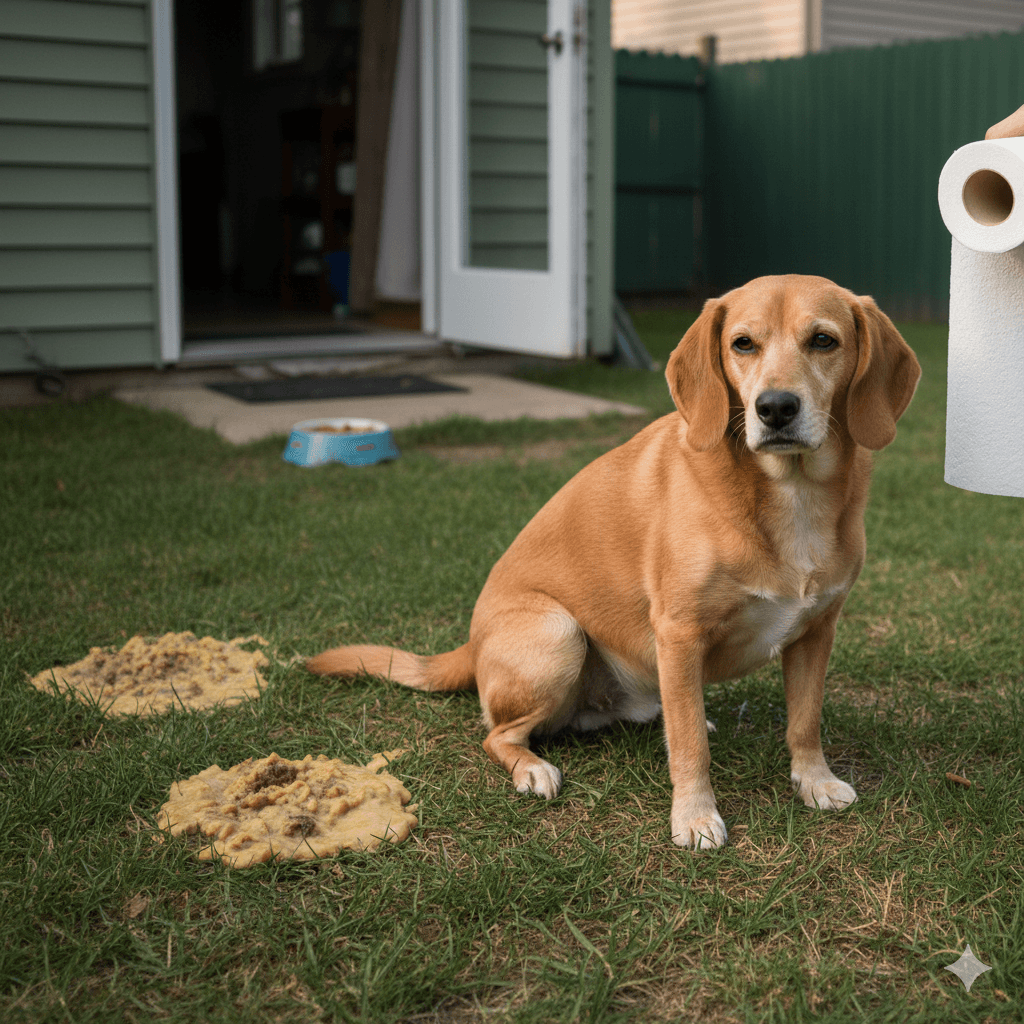

Understanding Dog Having Diarrhea Every 2 Hours: Best 7 Expert Tips!
If your dog is passing liquid stool every two hours, it’s more than just an upset stomach—it’s a sign their digestive system is under serious stress. Frequent diarrhea can quickly lead to dehydration, especially in small, young, or elderly dogs. While occasional loose stool may resolve on its own, this pattern demands prompt attention. Recognizing the underlying causes and responding wisely can prevent complications. Here’s how to navigate this urgent situation with care and clarity.
Common Causes of Frequent Diarrhea in Dogs
When diarrhea strikes every two hours, it’s rarely random. This high frequency often signals an acute irritant, infection, or systemic issue disrupting normal gut function. Identifying the root cause helps determine urgency and treatment:
- Viral Infections:
Viruses like parvovirus or canine coronavirus can trigger rapid-onset, severe diarrhea—especially dangerous in unvaccinated puppies. - Bacterial Overgrowth:
Ingestion of contaminated water, raw meat, or spoiled food introduces harmful bacteria such as Salmonella or E. coli. - Dietary Indiscretion:
Scavenging from trash, eating table scraps, or sudden food changes can overwhelm the digestive tract within hours. - Intestinal Parasites:
Whipworms, hookworms, or Giardia reproduce quickly and cause frequent, watery stools, often with mucus or blood. - Toxin Exposure:
Ingestion of household chemicals, certain plants, or human medications can irritate the gut lining intensely and repeatedly.
Persistent diarrhea at this frequency requires immediate assessment to rule out life-threatening conditions like parvovirus or obstruction.
When to Seek Emergency Veterinary Care
Not all diarrhea is equal—some cases are medical emergencies. If your dog’s stool comes every two hours for more than 6–8 hours, it’s a red flag. Watch for these danger signs:
- Bloody or Tarry Stool:
Bright red blood suggests lower GI bleeding; black, tarry stool may indicate upper GI bleeding—both urgent. - Extreme Lethargy or Collapse:
Your dog may barely lift their head or seem disoriented, signaling severe dehydration or shock. - Vomiting Alongside Diarrhea:
Combined vomiting and frequent diarrhea drastically increase fluid loss and risk of electrolyte imbalance. - Pale or Sticky Gums:
Healthy gums are pink and moist; pale or dry gums indicate poor circulation or dehydration. - Abdominal Distension or Pain:
A bloated, tense belly or whining when touched could point to bloat, obstruction, or peritonitis.
If any of these appear, contact your vet or emergency clinic immediately—delaying care can be fatal.
Check this guide 👉Can Cheese Give a Dog Diarrhea? Best 7 Expert Tips!
Check this guide 👉Dog Diarrhea After Food Change: Best 7 Expert Tips!
Check this guide 👉Antibiotics for Dog Diarrhea: Best 7 Health Tips!
Immediate Warning Signs | Supportive Home Monitoring |
|---|---|
Diarrhea every 1–2 hours for >6 hours | Occasional soft stool resolving in <12 hours |
Blood in stool | Yellow or brown watery stool without blood |
Refusing all water | Licking lips or drinking small amounts |
Inability to stand or walk | Still wagging tail or responding to voice |
Fever >103.5°F (39.7°C) | Normal temperature and alert eyes |
Safe At-Home Management (If Vet Approves)
If your vet confirms the case is mild and home care is appropriate, focus on rest, hydration, and gut healing:
- Withhold Food for 6–12 Hours:
Let the gut rest, but offer 1–2 teaspoons of water every 15–30 minutes to prevent dehydration. - Use Electrolyte Solutions:
Unflavored pediatric electrolyte drinks (like Pedialyte, diluted 50/50) can replace lost minerals—ask your vet first. - Introduce Bland Diet Slowly:
After diarrhea slows, feed 1–2 tablespoons of boiled chicken and white rice every 2–3 hours. - Add Probiotics:
Vet-approved canine probiotics help restore healthy gut flora and shorten recovery time. - Limit Movement and Stress:
Keep your dog in a quiet, warm room away from other pets to conserve energy and reduce anxiety.
Never start home treatment without veterinary guidance—especially with such frequent episodes.
Hydration: The Critical Priority
With diarrhea every two hours, fluid loss is the biggest threat. Even a 10% drop in body water can be life-threatening. Focus intensely on hydration:
- Check Skin Turgor:
Gently pinch the skin between the shoulders—if it doesn’t snap back instantly, dehydration is likely. - Monitor Urine Output:
Less frequent or dark yellow urine means your dog isn’t processing enough fluids. - Offer Ice Chips:
If drinking triggers vomiting or more diarrhea, let them lick small ice chips for slow absorption. - Use a Syringe (Without Needle):
Gently drip water into the cheek pouch every 10–15 minutes if your dog won’t drink voluntarily. - Watch Gum Moisture:
Dry, tacky gums mean urgent rehydration is needed—often requiring subcutaneous fluids from a vet.
Hydration isn’t optional—it’s the cornerstone of survival during acute diarrhea episodes.
Preventing Recurrence Through Daily Habits
Once your dog recovers, implement strategies to avoid future crises. Consistency is key to digestive resilience:
- Feed High-Quality, Consistent Food:
Avoid frequent brand switches or “human food” treats that disrupt gut balance. - Secure All Trash and Compost:
Use locking bins to prevent access to spoiled food or bones that trigger rapid diarrhea. - Maintain Parasite Prevention:
Monthly dewormers and fecal exams catch parasites before they cause emergency-level symptoms. - Vaccinate on Schedule:
Parvovirus and distemper vaccines are non-negotiable shields against viral gastroenteritis. - Manage Stress Triggers:
Use calming aids during thunderstorms, travel, or vet visits to prevent stress-induced gut flare-ups.
A stable routine isn’t boring—it’s biologically protective for your dog’s sensitive digestive system.
Special Considerations for Vulnerable Dogs
Puppies, seniors, and dogs with chronic illness face far higher risks from frequent diarrhea. Their bodies can’t compensate like healthy adults:
- Puppies Under 6 Months:
Can dehydrate in under 4 hours—any diarrhea every 2 hours warrants immediate vet care. - Senior Dogs (>7 Years):
Underlying kidney, liver, or pancreatic disease may worsen, masking as simple diarrhea. - Small Breeds (e.g., Chihuahuas, Yorkies):
Low body mass means fluid loss is rapid; even mild symptoms escalate quickly. - Dogs with IBD or Pancreatitis:
May experience severe flare-ups from minimal triggers, requiring lifelong dietary management. - Immunocompromised Dogs:
Those on steroids or with cancer are more susceptible to opportunistic infections causing explosive diarrhea.
For these dogs, “wait and see” is never safe—early intervention saves lives.
What to Expect at the Vet Clinic
If you bring your dog in for diarrhea every two hours, your vet will act swiftly to stabilize and diagnose:
- Triage and Fluids:
Immediate subcutaneous or IV fluids to correct dehydration and support circulation. - Fecal Testing:
Snap tests for parvovirus, Giardia, and comprehensive fecal flotation to identify parasites. - Blood Work:
Checks for infection, organ function, and electrolyte imbalances guiding treatment. - Imaging if Needed:
X-rays or ultrasound to rule out foreign bodies, intussusception, or bloat. - Prescribed Medications:
Anti-diarrheals (like metronidazole), anti-nausea drugs, or dewormers based on diagnosis.
Your vet’s goal is not just to stop the diarrhea—but to protect your dog’s entire system from collapse.
Frequently Asked Questions About Dog Having Diarrhea Every 2 Hours
Can I give my dog Imodium for frequent diarrhea?
No—Imodium can be dangerous for certain breeds (like Collies) and may worsen conditions like parvovirus. Never medicate without vet approval.
How long is too long for diarrhea every 2 hours?
More than 4–6 hours of this pattern in an adult dog—or any recurrence in a puppy—requires immediate veterinary attention.
Is it normal for diarrhea to smell extremely foul?
Yes, bacterial infections or Giardia often produce a uniquely rancid odor—but it still requires diagnosis and treatment.
Should I fast my dog even if they’re begging for food?
Yes, fasting for 6–12 hours (less for puppies) allows the gut to heal, but hydration must be maintained carefully.
Can stress alone cause diarrhea this frequent?
Yes—acute stress (like fireworks or boarding) can trigger “nervous diarrhea,” but rule out medical causes first with your vet.
Guiding Your Dog Back to Gut Health
Frequent diarrhea every two hours is your dog’s body sounding an alarm—not just an inconvenience. By responding with urgency, compassion, and informed care, you turn a scary episode into a moment of trust and healing. Remember, your dog relies on you to interpret their silent suffering. Use this experience to build a safer, more predictable environment that honors their delicate digestive balance. In the quiet aftermath of recovery, you’ll find not just a healthier dog—but a deeper bond forged through your calm, unwavering support.
Is Rawhide Bad for Cats? Best 7 Expert Tips! – Discover the risks, safe alternatives, and expert advice to keep your feline friend healthy and happy.

Is Rawhide Bad for Dogs? Best 7 Expert Tips! – Discover the risks, benefits, and safer alternatives to rawhides for your dog’s chewing needs.

Understanding Anorexia in Cats: Best 7 Expert Tips! – Learn why cats stop eating, spot warning signs, and discover how to help your feline regain appetite safely.

Understanding Anorexia in Dogs: Best 7 Expert Tips! – Learn causes, symptoms, and solutions to help your dog regain appetite and stay healthy.