Bernese Mountain Dog History: Best 7 Expert Tips!

Bernese Mountain Dog History: Best 7 Expert Tips!

Understanding Bernese Mountain Dog History: Best 7 Expert Tips!


The Bernese Mountain Dog stands as a gentle giant among working breeds—majestic, loyal, and deeply rooted in Swiss tradition. With their striking tricolor coat and calm demeanor, these dogs were built for both strength and companionship. Their story begins not in show rings, but in the misty alpine farms where they pulled carts, guarded property, and shared hearths with farming families. Though nearly lost to history, dedicated preservation efforts revived the breed we cherish today. Dive into the rich tapestry of the Berner’s past to better appreciate the noble dog at your side.

Origins and Historical Role


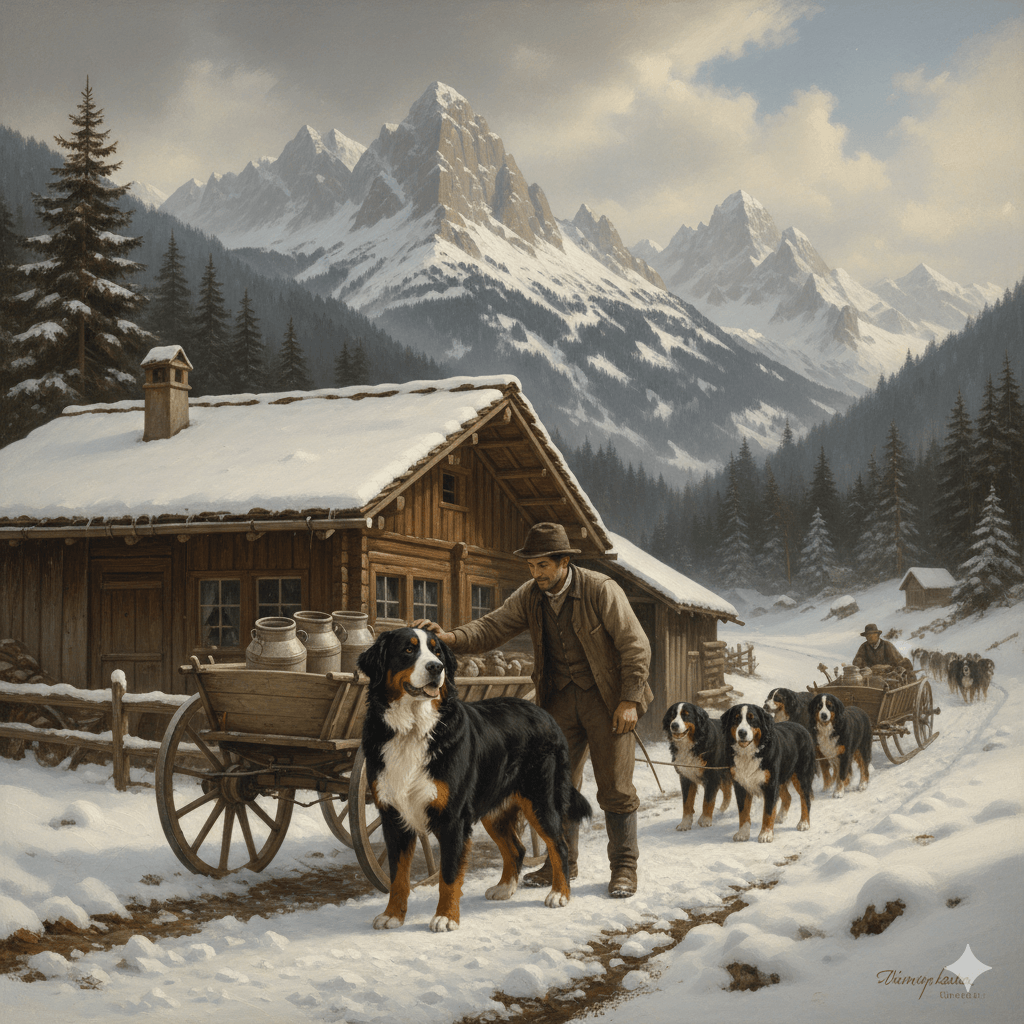
Long before the Bernese Mountain Dog became a beloved family companion, it was an essential partner in rural Swiss life. Bred for versatility in the rugged terrain of the Bernese Oberland, this breed combined power, intelligence, and a steady temperament. Its historical duties shaped its physical and behavioral traits for centuries:

 
  • Farm All-Rounder:
    These dogs hauled milk carts to market, drove cattle, and guarded homesteads—earning the name “Dürrbächler” in local dialects.
     
  • Roman Heritage Theory:
    Many historians believe their ancestry traces back to mastiff-type dogs brought by Roman legions over 2,000 years ago.
     
  • Swiss Mountain Dog Group:
    The Berner is one of four Sennenhund breeds, distinguished by its long, silky coat and black-and-tan markings with white accents.
     
  • Near Extinction in the 1800s:
    Industrialization reduced demand for farm dogs, and by 1900, the breed was almost extinct outside isolated valleys.
     
  • Official Recognition Revival:
    In 1907, a dedicated breeder named Franz Schertenleib helped reestablish the breed, leading to its first Swiss kennel club recognition.
 

This deep agricultural legacy explains why Berners thrive on purpose, routine, and close human bonds even in modern homes.

Bernese Mountain Dog History: Best 7 Expert Tips!

Distinctive Physical and Cultural Traits


The Bernese Mountain Dog’s appearance reflects its working origins, with every feature serving a practical function in alpine conditions. Yet its looks also carry cultural symbolism tied to Swiss identity and rural heritage:

 
  • Tricolor Coat Significance:
    The black, rust, and white pattern wasn’t just aesthetic—it was a regional marker identifying dogs from the Bern area.
     
  • Heavy Bone Structure:
    Built for pulling heavy carts over steep paths, Berners have dense bones and strong musculature suited for endurance.
     
  • Weather-Resistant Double Coat:
    Their thick, slightly wavy outer coat and woolly undercoat protected against snow, wind, and cold mountain nights.
     
  • Calm Facial Expression:
    Dark eyes and a gentle gaze reflect their non-aggressive, watchful nature—ideal for a farm guardian who lived with children.
     
  • Tail as a Tool:
    A long, bushy tail helped swat flies in summer and provided warmth when curled around the face in winter.
 

These traits made the Berner not just a worker, but a trusted member of the household—a role that continues today.

Traditional Roles
Modern-Day Strengths
Draft and cart-pulling
Therapy and emotional support work
Livestock driving
Family companionship
Farmyard guarding
Participation in dog sports (e.g., carting, obedience)
Weather resilience
Adaptability to suburban living (with space)
Loyalty to one family
Gentle interaction with children and seniors

Revival and Global Recognition


The Bernese Mountain Dog’s journey from near disappearance to international fame is a testament to passionate preservation. Early 20th-century efforts in Switzerland sparked renewed interest that eventually spread worldwide:

 
  • 1907 Breed Club Founding:
    The Schweizerische Dürrbächler Club (later renamed) standardized the breed and began meticulous record-keeping.
     
  • First Export to the U.S.:
    In the 1920s and 1930s, American enthusiasts imported Berners, though World War II slowed international growth.
     
  • AKC Recognition in 1937:
    The American Kennel Club officially acknowledged the breed, boosting its profile in North America.
     
  • Post-War Popularity Surge:
    By the 1960s, Berners were prized for their temperament, leading to increased breeding outside Europe.
     
  • Health Challenges Emerge:
    As popularity grew, so did awareness of genetic issues—prompting modern breeders to prioritize health testing and longevity.
 

Today, the Berner remains a symbol of Swiss pastoral life while adapting gracefully to roles in therapy, service, and family life.

Working Heritage in Today’s Berner


Though few Bernese Mountain Dogs pull milk carts today, their instincts remain strong. Understanding this heritage helps owners provide meaningful enrichment and prevent behavioral issues:

 
  • Natural Draft Instinct:
    Many Berners still enjoy cart-pulling or weight-pulling activities that honor their original purpose.
     
  • Watchful but Not Aggressive:
    Their guarding instinct manifests as alert barking, not hostility—making them excellent watchdogs without being dangerous.
     
  • Herding Tendencies:
    Some may gently “gather” children or pets, a remnant of their cattle-driving past.
     
  • Need for Mental Stimulation:
    Without tasks or training, their intelligent minds can become bored, leading to nuisance behaviors.
     
  • Strong Bond with Family:
    Historically integrated into daily farm life, they dislike being left alone for long hours and thrive on inclusion.
 

Honoring their working roots through structured activities keeps Berners mentally and physically fulfilled.


Cultural Symbolism in Switzerland


In its homeland, the Bernese Mountain Dog is more than a pet—it’s a living emblem of alpine tradition, rural resilience, and national pride:

 
  • Cantonal Identity:
    The breed is named after the canton of Bern and appears in local art, postcards, and tourism branding.
     
  • Festival Presence:
    Berners often appear in Swiss folk festivals, sometimes still pulling decorated carts in parades.
     
  • Literary and Artistic Depictions:
    Early 20th-century Swiss painters and writers celebrated the breed as a symbol of loyalty and hard work.
     
  • Tourism Ambassador:
    Many Swiss alpine inns and farms feature Berners as welcoming “mascots” for visitors seeking authentic experiences.
     
  • National Heritage Status:
    While not an official national animal, the Berner is widely regarded as a cultural treasure worthy of preservation.
 

This deep cultural connection helps explain why Swiss breeders remain especially vigilant about maintaining breed standards and health.

Preservation Challenges and Ethical Breeding


As demand for Bernese Mountain Dogs grows globally, ethical breeding practices face increasing pressure. Responsible stewardship is vital to protect the breed’s future:

 
  • Short Lifespan Concerns:
    With an average lifespan of 7–10 years, cancer and joint issues are major focus areas for health-conscious breeders.
     
  • Genetic Diversity Efforts:
    Organizations like the Berner Garde Foundation collect data to reduce inherited diseases through informed breeding.
     
  • Avoiding “Pet Mill” Exploitation:
    Their popularity has attracted irresponsible breeders; adopters must seek health-tested, transparent sources.
     
  • International Collaboration:
    Swiss, American, and European breed clubs share research to improve longevity and quality of life.
     
  • Preserving Temperament Over Looks:
    Ethical breeders prioritize stable, friendly dispositions—not just coat color or size—to maintain the breed’s essence.
 

Supporting these efforts ensures that future generations can experience the Berner’s gentle strength just as alpine families once did.


Bernese Mountain Dog in Art, Literature, and Popular Culture


Beyond the farmstead and kennel club, the Bernese Mountain Dog has quietly captured hearts in creative spheres—its noble presence inspiring artists, writers, and filmmakers alike. Though not as widely depicted as some breeds, the Berner’s dignified aura and emotional depth have earned it a meaningful place in cultural expression:

 
  • Swiss Folk Art Symbol:
    The breed frequently appears in traditional wood carvings, embroidery, and alpine paintings as a symbol of rural fidelity and hard work.
     
  • Literary Companions:
    Several 20th-century Swiss novels feature Berners as loyal family guardians, reflecting their real-life role in mountain communities.
     
  • Children’s Books and Illustrations:
    Their gentle eyes and striking coat make them popular characters in European picture books about farm life and mountain adventures.
     
  • Cinematic Cameos:
    While rarely the star, Bernese Mountain Dogs have appeared in Swiss and German films as trusted companions to protagonists, adding authenticity to pastoral scenes.
     
  • Modern Social Media Presence:
    Today’s “Berner influencers” on Instagram and TikTok showcase the breed’s photogenic charm, often highlighting rescue stories or cart-pulling heritage.
 

Though understated, the Berner’s cultural footprint mirrors its quiet strength—less flashy than other breeds, but deeply resonant where it appears.

“The historical essence of the Bernese Mountain Dog is that it has been a farm dog of the midland regions of Switzerland, mostly around the city of Berne.”
Bernese Mountain Dog Club of America

Frequently Asked Questions About Bernese Mountain Dog History

Where did the Bernese Mountain Dog originate?

The breed originated in the Bernese Oberland region of Switzerland, where it served as a versatile farm dog for centuries.

The black, rust, and white pattern was a natural marker of the breed in its native region and became a defining standard during formal recognition.

Yes—by the late 1800s, industrialization reduced their farm roles, and the breed nearly disappeared until revival efforts began in 1907.

Yes—they’re one of four Sennenhund breeds, alongside the Greater Swiss, Appenzeller, and Entlebucher Mountain Dogs.

Absolutely. They were commonly used to pull milk and cheese carts to market, a tradition still celebrated in Swiss dog sports today.

Honoring a Noble Legacy Through Informed Companionship


The Bernese Mountain Dog carries the quiet dignity of alpine farms in every step it takes. Its history is not just a tale of survival, but of service, loyalty, and deep human connection across generations. By understanding where this breed came from—its near-loss, its revival, and its cultural heart—you become more than an owner; you become a steward of its legacy. Whether your Berner is curled by the fireplace or trotting beside you on a trail, remember: you’re walking with a living piece of Swiss history. Treat that gift with knowledge, love, and respect, and your bond will reflect the same trust that farmers once placed in these remarkable dogs.

Is Rawhide Bad for Cats? Best 7 Expert Tips!

Is Rawhide Bad for Cats? Best 7 Expert Tips! – Discover the risks, safe alternatives, and expert advice to keep your feline friend healthy and happy.

Is Rawhide Bad for Dogs? Best 7 Expert Tips!

Is Rawhide Bad for Dogs? Best 7 Expert Tips! – Discover the risks, benefits, and safer alternatives to rawhides for your dog’s chewing needs.

Understanding Anorexia in Cats: Best 7 Expert Tips!

Understanding Anorexia in Cats: Best 7 Expert Tips! – Learn why cats stop eating, spot warning signs, and discover how to help your feline regain appetite safely.

Understanding Anorexia in Dogs: Best 7 Expert Tips!

Understanding Anorexia in Dogs: Best 7 Expert Tips! – Learn causes, symptoms, and solutions to help your dog regain appetite and stay healthy.

Leave a Reply

Your email address will not be published. Required fields are marked *



