
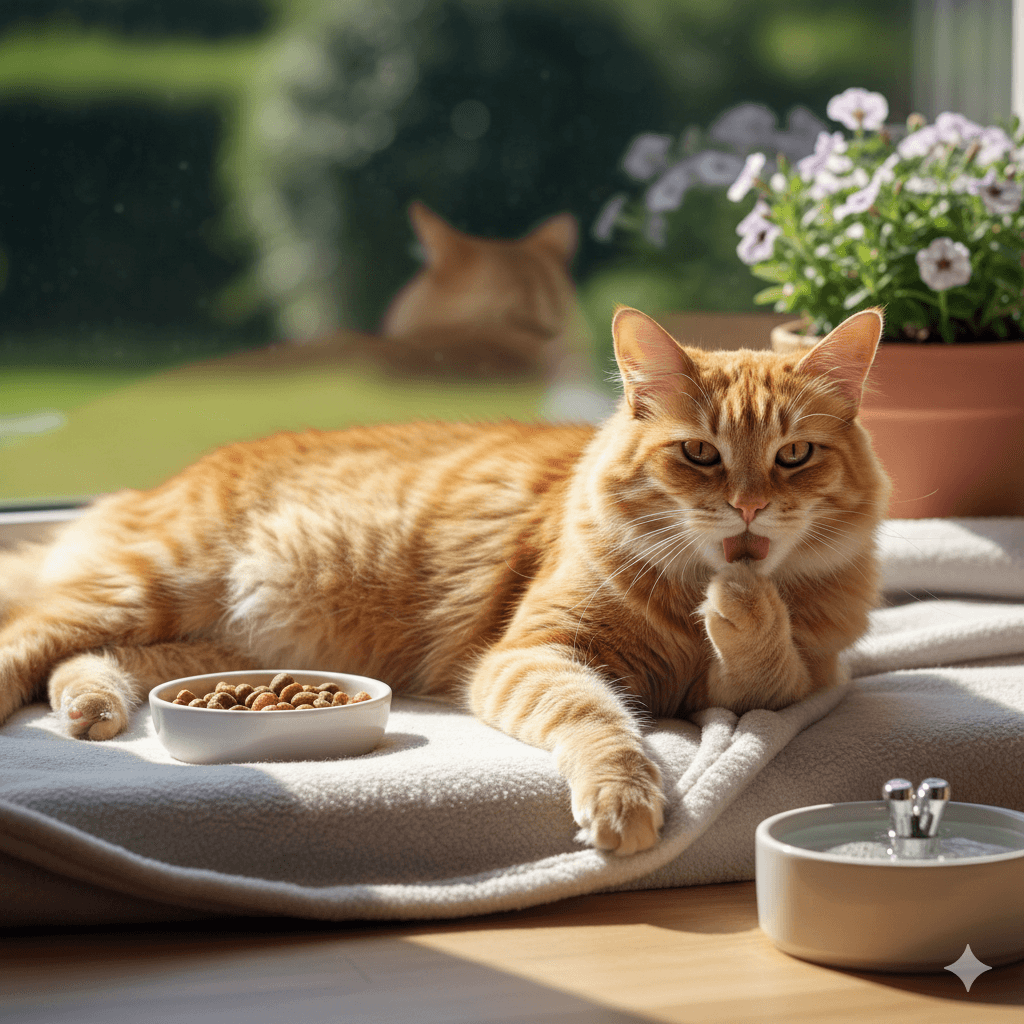

Signs Your Senior Cat Is Healthy
As cats enter their golden years, subtle shifts in behavior and routine are normal—but true wellness shines through consistent vitality. A healthy senior cat remains curious, comfortable, and connected to their world. While aging brings natural changes, many older felines thrive well into their late teens with proper care. Observing key indicators helps you celebrate their well-being and catch concerns early. Recognizing these positive signs deepens your bond and supports a joyful, dignified senior life.
Bright Eyes and Alert Awareness
A healthy senior cat stays mentally present and visually engaged with their surroundings. Their eyes should be clear, not cloudy or weepy, and they should respond to movement or familiar voices with interest. This section highlights the sensory and cognitive markers of robust aging in feline companions:
- Clear, Bright Eyes:
No excessive tearing, cloudiness, or redness—indicating good ocular health and comfort. - Responsive to Sounds and Calls:
Turns head or meows when you speak, showing intact hearing and social awareness. - Recognizes Family Members:
Greets you at the door or seeks your lap, demonstrating emotional connection and memory. - Shows Curiosity About Environment:
Watches birds, follows household activity, or explores new items—proof of mental sharpness. - Maintains Normal Sleep-Wake Cycles:
Sleeps soundly but is awake and interactive during usual daytime or family hours.
These behaviors reflect a senior cat who is not just surviving, but truly thriving in their later years.
Consistent Grooming and Coat Condition
Self-grooming is a strong indicator of physical comfort and well-being in older cats. Even as flexibility decreases slightly with age, a healthy senior will still make regular efforts to keep their fur clean and smooth. Declines in grooming often signal pain, illness, or stress—so consistency here is reassuring:
- Smooth, Clean Fur:
Coat lies flat without mats, dandruff, or greasy patches, suggesting good skin and hygiene habits. - Minimal Excessive Shedding:
Seasonal shedding is normal, but sudden bald spots or constant fur loss may indicate issues. - Clean Face and Paws:
Regularly licks around eyes, nose, and feet—signs of ongoing self-care and dexterity. - No Foul Odors:
Fresh-smelling breath and clean fur mean good dental and skin health. - Grooming Without Distress:
Moves comfortably while licking, without wincing or avoiding certain body areas.
When your senior cat still takes pride in their appearance, it’s a quiet testament to their overall health.
Check this guide 👉Senior Cat Not Pooping: Best 7 Expert Tips!
Check this guide 👉Senior Cat Diabetes Symptoms: Best 7 Expert Tips!
Check this guide 👉Senior Cat Excessive Urination: Best 7 Expert Tips!
Physical Vitality Indicators | Behavioral Well-Being Signs |
|---|---|
Steady weight (no sudden loss/gain) | Seeks affection or interaction daily |
Strong, steady gait (no limping) | Uses litter box consistently and correctly |
Normal appetite for age | Purring, chirping, or vocalizing appropriately |
Clean ears and nose | Enjoys quiet time but isn’t withdrawn |
Regular bowel and bladder habits | Shows interest in play or window-watching |
Steady Appetite and Hydration
Nutrition and fluid intake remain crucial for kidney, liver, and digestive health in aging cats. A healthy senior eats reliably and drinks enough to support organ function—even if portion sizes are smaller than in youth. Watch for consistency rather than quantity:
- Eats Meals Without Hesitation:
Approaches food bowl willingly and chews comfortably without dropping kibble. - Drinks Water Regularly:
Visits water bowl multiple times a day or shows interest in fountains—key for urinary health. - Maintains Stable Weight:
Slight slowing of metabolism is normal, but dramatic weight shifts warrant vet checks. - No Excessive Drooling or Pawing at Mouth:
Suggests absence of dental pain or oral disease. - Shows Preference But Not Food Aversion:
May be picky, but doesn’t refuse all options or lose interest entirely.
Consistent nourishment ensures your senior cat has the energy to enjoy life’s simple pleasures.
Mobility and Comfort in Movement
Joint health directly impacts quality of life in older cats. While they may nap more, a healthy senior still moves with purpose—jumping (even if lower), stretching, and navigating stairs or furniture without obvious pain or stiffness:
- Jumps Onto Familiar Surfaces:
May avoid high perches but still accesses favorite beds or windowsills. - Walks with a Steady Gait:
No limping, dragging limbs, or unbalanced steps. - Stretches Fully After Rest:
Classic “cat loaf” followed by a long stretch indicates flexible muscles and joints. - Uses Litter Box Without Difficulty:
Climbs in easily and assumes normal posture—no accidents outside the box. - No Vocalizing During Movement:
Doesn’t cry out when standing, turning, or being picked up.
Graceful movement, even at a slower pace, shows your cat feels comfortable in their own body.
Regular Litter Box Habits
Consistent bathroom routines are among the most reliable signs of internal health in senior cats. Changes in urination or defecation often signal urinary tract issues, constipation, or kidney disease—so normalcy here is deeply reassuring:
- Urinating 2–4 Times Daily:
Clear to pale-yellow urine with no straining or blood. - Firm, Well-Formed Stool:
Passed once or twice a day without diarrhea or hard pebbles. - Covers Waste Consistently:
Instinct remains intact, showing cognitive and physical coordination. - No Avoidance of Litter Box:
Doesn’t squat outside the box or show anxiety near it. - No Excessive Licking of Genitals:
Indicates absence of irritation or infection.
When litter box behavior stays predictable, it’s a strong sign your cat’s internal systems are functioning well.
Calm, Engaged Temperament
Emotional wellness is just as vital as physical health in aging cats. A content senior remains socially connected—perhaps quieter than in kittenhood, but still affectionate, communicative, and secure in their environment:
- Seeks Comfort from You:
Comes for pets, sits nearby, or naps in shared spaces. - Purrs or Trills Gently:
Uses soft vocalizations to express contentment or greeting. - Isn’t Hiding Constantly:
May nap in quiet spots but doesn’t retreat for days or seem fearful. - Tolerates Gentle Handling:
Allows brushing or exams without hissing or swatting (unless startled). - Shows Playful Moments:
Still bats at a toy, watches a laser dot, or “talks” to birds outside.
A peaceful, engaged spirit often reflects a body free from pain or distress.
Daily Habits That Reflect a Thriving Senior Cat
Beyond veterinary metrics, your cat’s everyday routines offer powerful clues about their well-being. A genuinely healthy senior doesn’t just exist—they engage, adapt, and express contentment through consistent, quiet behaviors that speak volumes about their inner balance.
- Eats at Predictable Times:
Shows up at mealtime without prompting and eats with steady interest, even if portions are smaller than in youth. - Grooms After Eating or Napping:
Takes a few moments to clean their face or paws after resting—a sign of physical ease and ingrained self-care. - Chooses Comfortable, Visible Resting Spots:
Prefers sunlit windows, favorite couch corners, or near family members—not hidden under beds or in closets. - Responds to Familiar Voices or Sounds:
Turns ears toward your voice, chirps back, or comes when called (even if just to look at you). - Maintains Routines Without Confusion:
Finds their litter box, food bowl, and sleeping area without hesitation—no disorientation or pacing.
These small, repeated actions reveal a senior cat who feels safe, capable, and connected to their world.
“Growing older is not a disease. While it’s true that senior cats are more likely to get different conditions, some older cats are perfectly normal and don’t change at all.”
— Dr. Richard Goldstein
Frequently Asked Questions About Senior Cat Health
How often should a senior cat see the vet?
At least twice a year—biannual check-ups catch age-related issues early, often before obvious symptoms arise.
Is it normal for my 15-year-old cat to sleep 20 hours a day?
Increased rest is typical, but they should still be alert and interactive during awake periods. Constant lethargy may signal illness.
Should I switch to senior cat food?
If your cat maintains weight and has no kidney issues, their current food may be fine—but consult your vet about protein and phosphorus levels.
Can a healthy senior cat still jump on counters?
Many can, though height may decrease. Sudden inability to jump often signals arthritis or weakness needing evaluation.
What’s the biggest sign my cat is aging well?
Consistency—stable weight, predictable routines, and ongoing affection suggest your cat feels safe, comfortable, and well.
Celebrating the Quiet Strength of a Healthy Senior
Your older cat’s well-being isn’t measured in leaps and pounces anymore—but in soft purrs at sunrise, steady meals shared in quiet companionship, and the gentle trust of a head bump on your knee. These subtle signs of health are victories of care, time, and love. By honoring their changing needs while cherishing their enduring spirit, you give your senior not just longer days, but richer ones. After all, a healthy senior cat isn’t just surviving—they’re still very much at home in your heart, and in their own peaceful, perfect rhythm.
Is Rawhide Bad for Cats? Best 7 Expert Tips! – Discover the risks, safe alternatives, and expert advice to keep your feline friend healthy and happy.

Is Rawhide Bad for Dogs? Best 7 Expert Tips! – Discover the risks, benefits, and safer alternatives to rawhides for your dog’s chewing needs.

Understanding Anorexia in Cats: Best 7 Expert Tips! – Learn why cats stop eating, spot warning signs, and discover how to help your feline regain appetite safely.

Understanding Anorexia in Dogs: Best 7 Expert Tips! – Learn causes, symptoms, and solutions to help your dog regain appetite and stay healthy.