
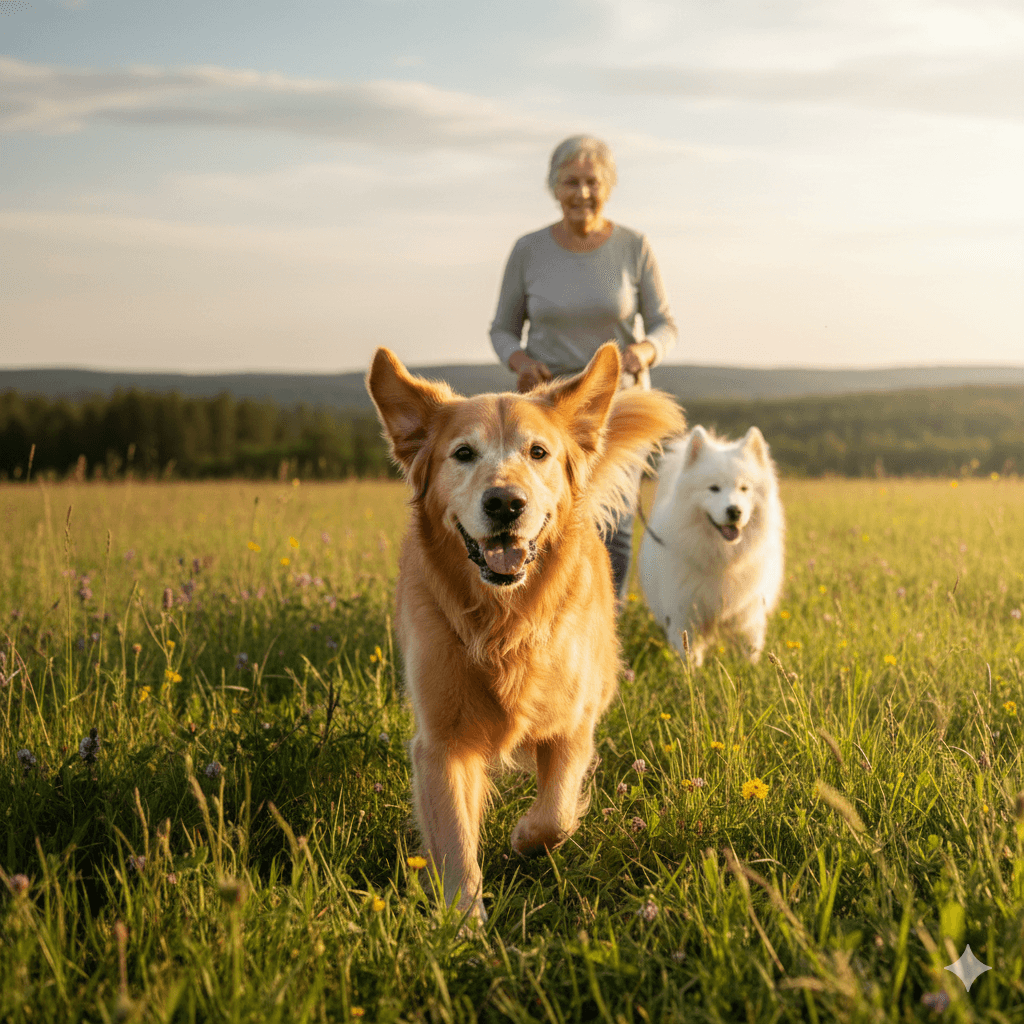

Signs Your Senior Dog Is Healthy: Best 7 Expert Tips!

Signs Your Senior Dog Is Healthy: Best 7 Expert Tips!

Signs Your Senior Dog Is Healthy: Best 7 Expert Tips!


Watching your senior dog age gracefully brings comfort—but how do you know they’re truly thriving? While gray muzzles and slower strolls are normal, genuine health shines through consistent energy, appetite, and joy. Recognizing positive indicators helps you support their golden years with confidence. These signs aren’t just about absence of illness—they reflect wellness, resilience, and quality of life. With attentive care, your older companion can enjoy comfort, connection, and calm well into their senior chapter.

Bright Eyes and Alert Behavior


A healthy senior dog remains mentally present and responsive to their environment. Watch for these reassuring signals that their senses and cognition are functioning well:

 
  • Clear, Bright Eyes:
    No excessive cloudiness, redness, or discharge—mild lenticular sclerosis (bluish haze) is normal with age, but vision remains functional.
     
  • Responsive to Cues:
    Your dog still turns at their name, follows familiar commands, and shows interest in daily routines like walks or mealtime.
     
  • Engaged with Family:
    They seek affection, greet you at the door, or follow you from room to room—indicating emotional security and cognitive awareness.
     
  • Normal Sleep-Wake Cycle:
    Rests deeply at night and is awake and interactive during the day, without excessive daytime confusion or nighttime pacing.
     
  • Curiosity About Surroundings:
    Sniffs new objects, watches birds, or reacts to sounds—showing intact senses and mental engagement.
 

These behaviors suggest your senior dog’s brain and senses are aging well, not declining into dysfunction.

Signs Your Senior Dog Is Healthy: Best 7 Expert Tips!

Strong Mobility and Comfortable Movement


Joint stiffness is common in older dogs, but pain shouldn’t define their days. Healthy seniors move with purpose and ease:

 
  • Smooth Gait on Flat Surfaces:
    No limping, dragging paws, or bunny-hopping—walking appears balanced and coordinated.
     
  • Willingness to Walk or Play Gently:
    Enjoys short walks, light fetch, or interactive toys without reluctance or visible discomfort afterward.
     
  • Ability to Stand and Rise Independently:
    Gets up from lying down without groaning, wobbling, or needing assistance (though may be slightly slower).
     
  • Comfortable Resting Posture:
    Lies down fully stretched or curled without guarding a limb or shifting frequently due to pain.
     
  • Stable on Stairs or Curbs (If Previously Able):
    Navigates familiar minor elevation changes with caution but confidence—no sudden falls or hesitation.
 

Preserved mobility means your dog’s musculoskeletal system is well-supported, allowing them to enjoy daily life.

Vital Wellness Indicators
Behavioral & Emotional Cues
Consistent appetite and healthy weight
Enjoys gentle petting or brushing
Clean, odor-free ears and coat
Seeks interaction, not isolation
Regular, firm bowel movements
Vocalizes appropriately (barks, whines)
Normal breathing at rest
Responds to favorite toys or treats
Pink, moist gums and fresh breath
Settles calmly after stimulation

Stable Appetite and Healthy Digestion


Good nutrition is the foundation of senior health. A thriving older dog maintains consistent eating habits and digestive comfort:

 
  • Eats Meals Without Prompting:
    Shows interest in food at regular times and finishes meals unless portioned for weight management.
     
  • Maintains Steady Weight:
    No sudden loss or gain—ideal body condition allows you to feel (but not see) ribs with light pressure.
     
  • Drinks Water Regularly:
    Hydration supports kidney and organ function; water intake remains consistent day to day.
     
  • No Frequent Vomiting or Diarrhea:
    Occasional soft stool may happen, but chronic GI upset isn’t normal in a healthy senior.
     
  • Chews Comfortably (If Applicable):
    Handles dry kibble or dental chews without dropping food, excessive drooling, or head-shyness.
 

Reliable digestion reflects a well-functioning internal system and appropriate diet for aging needs.

Calm Demeanor and Emotional Well-Being


Mental health matters deeply in senior dogs. A truly healthy older companion exhibits emotional balance and security:

 
  • Relaxed in Familiar Settings:
    Rests peacefully at home without pacing, trembling, or excessive panting unrelated to temperature.
     
  • Adapts to Gentle Routine Changes:
    Handles minor schedule shifts (e.g., slightly later walk) without anxiety or destructive behavior.
     
  • Shows Affection on Their Terms:
    Leans into pets, offers paw, or rests near you—indicating trust and contentment.
     
  • No New Aggression or Fear:
    Sudden growling, snapping, or hiding may signal pain or cognitive decline, not typical aging.
     
  • Enjoys Quiet Companionship:
    Doesn’t need constant stimulation but remains connected to household rhythms and loved ones.
 

Emotional stability is a powerful sign your dog feels safe, understood, and free from distress.


Consistent Grooming and Skin Health


A healthy senior maintains good hygiene and skin integrity, often with your support:

 
  • Clean, Shiny Coat:
    Fur lies flat without excessive matting, dandruff, or oily patches (accounting for breed-specific texture).
     
  • Minimal Odor:
    No persistent bad breath, ear smell, or skin infection odor—freshness indicates internal balance.
     
  • Healthy Skin Elasticity:
    Skin springs back when gently lifted; no sores, lumps that grow rapidly, or hairless patches.
     
  • Regular Self-Grooming (If Typical for Breed):
    Licks paws or cleans face as they always have—sudden neglect may signal pain or illness.
     
  • Nails Wear or Are Trimmed Appropriately:
    Overgrown nails cause gait issues; healthy seniors have nails that don’t click loudly or curl inward.
 

Good coat and skin health reflect proper nutrition, circulation, and attentive care.


Regular Veterinary Partnership and Preventive Care


The healthiest senior dogs benefit from proactive veterinary collaboration:

 
  • Biannual Wellness Exams:
    Early detection of kidney, thyroid, or heart issues through bloodwork and physical checks.
     
  • Up-to-Date Vaccines and Parasite Prevention:
    Tailored to lifestyle and age, reducing infection risks without over-vaccinating.
     
  • Dental Monitoring:
    Clean teeth or managed periodontal disease prevent pain and systemic inflammation.
     
  • Appropriate Senior Diet:
    Formulated for kidney support, joint health, or weight management based on individual needs.
     
  • Pain Management When Needed:
    Safe, vet-approved options keep discomfort from silently eroding quality of life.
 

Preventive care transforms aging from decline into dignified longevity.

Special Considerations for Different Senior Breeds and Sizes


Health signs vary slightly by breed and size—but core wellness remains universal:

 
  • Large Breeds (e.g., Labs, Shepherds):
    Watch for subtle mobility changes; arthritis often appears earlier than in small dogs.
     
  • Small Breeds (e.g., Terriers, Poodles):
    Dental disease is common; ensure they still eat comfortably and have fresh breath.
     
  • Brachycephalic Seniors (e.g., Pugs, Bulldogs):
    Monitor breathing at rest—increased snorting or labored breath isn’t “just aging.”
     
  • High-Energy Breeds in Retirement (e.g., Border Collies):
    Mental stimulation remains crucial; healthy seniors still enjoy puzzle toys or short training.
     
  • Giant Breeds (e.g., Great Danes, Mastiffs):
    Often age faster; focus on comfort, hydration, and joint support as true wellness markers.
 

Understanding your dog’s breed-specific aging pattern helps interpret their unique signs of health.


“Early detection of chronic diseases such as kidney disease, thyroid disease, and diabetes is the key to successful treatment and preservation of quality of life.” — Malcolm Weir, DVM, MSc, MPH

Frequently Asked Questions About Senior Dog Health

How often should a senior dog see the vet?

Every 6 months—even if they seem fine—early disease detection dramatically improves outcomes.

No. Unexplained weight loss often signals kidney disease, diabetes, or cancer and needs investigation.

Yes—gentle, consistent activity (like short walks) maintains muscle, circulation, and mood.

Yes, but they should still be alert and responsive when awake—not disoriented or unresponsive.

Absolutely! Mental engagement boosts cognitive health; use positive reinforcement for low-stress learning.


Celebrating the Quiet Strength of Your Aging Companion


Seeing your senior dog thrive isn’t about expecting puppy-like energy—it’s about witnessing peaceful presence, steady affection, and the quiet joy of a life well-lived. Their slower pace, wise eyes, and dependable routines are testaments to your shared bond and attentive care. By recognizing these signs of true health, you honor their journey and ensure their golden years are filled with comfort, dignity, and love. Cherish these moments; they’re the reward for a lifetime of friendship.

Is Rawhide Bad for Cats? Best 7 Expert Tips!

Is Rawhide Bad for Cats? Best 7 Expert Tips! – Discover the risks, safe alternatives, and expert advice to keep your feline friend healthy and happy.

Is Rawhide Bad for Dogs? Best 7 Expert Tips!

Is Rawhide Bad for Dogs? Best 7 Expert Tips! – Discover the risks, benefits, and safer alternatives to rawhides for your dog’s chewing needs.

Understanding Anorexia in Cats: Best 7 Expert Tips!

Understanding Anorexia in Cats: Best 7 Expert Tips! – Learn why cats stop eating, spot warning signs, and discover how to help your feline regain appetite safely.

Understanding Anorexia in Dogs: Best 7 Expert Tips!

Understanding Anorexia in Dogs: Best 7 Expert Tips! – Learn causes, symptoms, and solutions to help your dog regain appetite and stay healthy.

Leave a Reply

Your email address will not be published. Required fields are marked *