
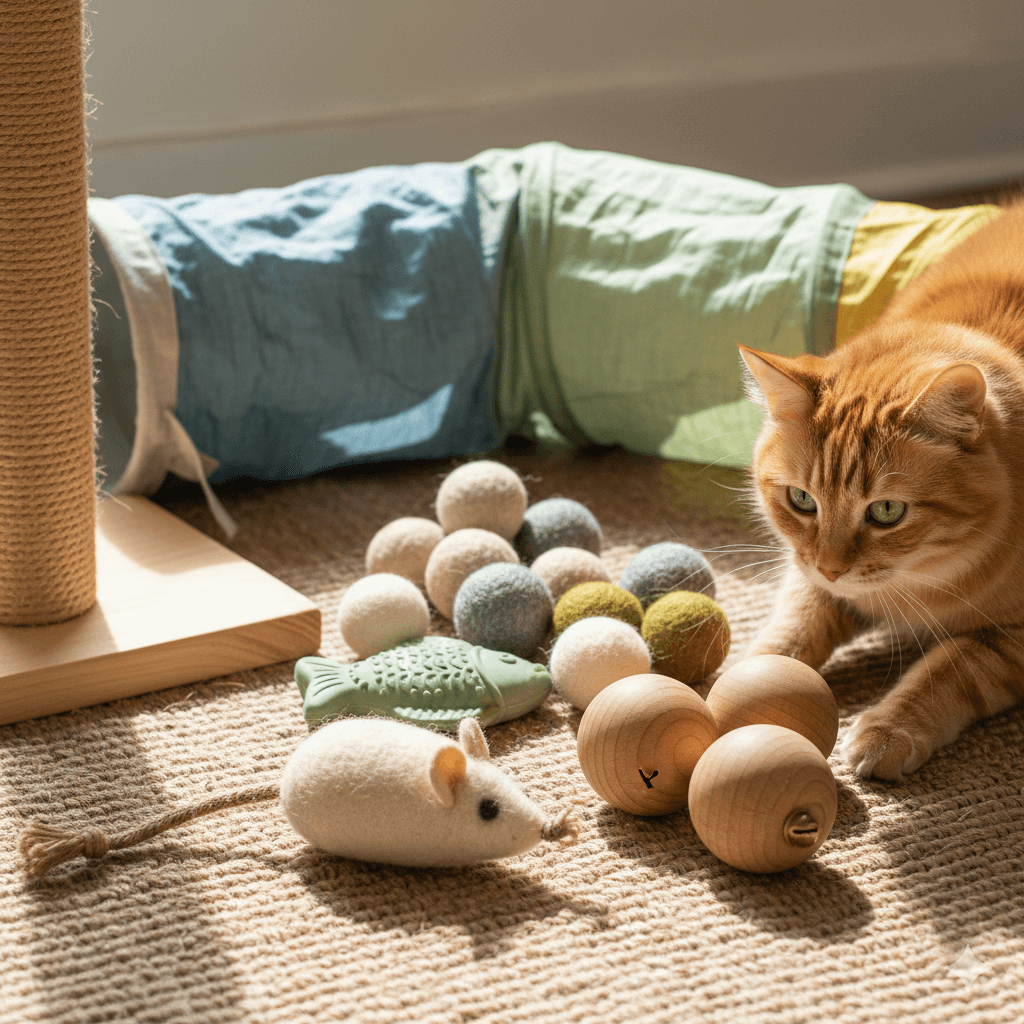

Non-Toxic Cat Toys: Best 7 Expert Tips!

Non-Toxic Cat Toys: Best 7 Expert Tips!

Understanding Non-Toxic Cat Toys: Best 7 Expert Tips!


Choosing safe playthings for your feline friend goes beyond cuteness or cost—it’s about health, instinct, and peace of mind. With countless toys on the market, knowing which are truly non-toxic can prevent accidental poisoning, choking, or digestive distress. Cats explore the world with their mouths, so even a “harmless” plush might hide dangerous dyes, fillers, or plastics. Thankfully, with expert guidance, you can fill your cat’s toy box with items that are both fun and truly safe. Let’s dive into the essentials of selecting non-toxic cat toys your kitty can enjoy without risk.

Why Non-Toxic Materials Matter for Cats


Cats are meticulous groomers—and anything they lick, chew, or bat around could end up ingested. Unlike dogs, they lack certain liver enzymes to process many synthetic chemicals, making them especially vulnerable. Prioritizing non-toxic toys isn’t just cautious; it’s a core part of responsible cat care. Consider these key reasons to be vigilant:

 
  • Natural Grooming Behavior:
    Cats lick their paws after playing, unintentionally swallowing residues from dyes, glues, or plastics on toys.
     
  • Sensitivity to Toxins:
    Feline livers can’t efficiently break down phthalates, BPA, lead, or flame retardants found in low-quality plastics and fabrics.
     
  • Choking and Obstruction Risks:
    Toxic doesn’t just mean chemical—small, poorly attached parts can break off and cause physical harm if swallowed.
     
  • Long-Term Exposure Concerns:
    Even low levels of toxins, when accumulated over months or years, may contribute to kidney, liver, or endocrine issues.
     
  • Indoor Lifestyle Amplifies Risk:
    Indoor cats spend more time interacting with household items, including toys, increasing prolonged contact with potentially harmful substances.
 

By choosing thoughtfully, you protect your cat from both immediate dangers and silent, long-term health threats.

Non-Toxic Cat Toys: Best 7 Expert Tips!

Key Features of Truly Non-Toxic Cat Toys


Not all “natural” or “eco-friendly” labels guarantee safety. True non-toxic toys meet specific criteria in materials, construction, and manufacturing. Look for these trustworthy traits:

 
  • Certified Organic or Food-Grade Materials:
    Toys made from GOTS-certified organic cotton, natural wool, untreated wood, or food-safe silicone are low-risk choices.
     
  • No Added Fragrances or Dyes:
    Artificial scents and vibrant colors often signal chemical additives; opt for undyed or plant-dyed options instead.
     
  • Minimal or Non-Toxic Adhesives:
    Glues should be water-based or absent entirely—sewn seams are far safer than glued-on eyes or decorations.
     
  • Third-Party Safety Testing:
    Reputable brands provide proof of testing for heavy metals, phthalates, and other toxins via certifications like OEKO-TEX® or CPSIA compliance.
     
  • Simple, Durable Design:
    Fewer parts mean fewer hazards; robust stitching and solid construction prevent small pieces from detaching during play.
 

These features ensure your cat’s toy is as harmless as it is entertaining—even during the most enthusiastic pouncing sessions.

Safe Material Choices
Materials to Avoid
Organic cotton
PVC or vinyl plastics
Untreated sisal rope
Toys with synthetic glitter
Natural wool felt
Items scented with artificial fragrances
Food-grade silicone
Cheap plastic “crinkle” inserts
Hard maple or bamboo
Glitter-coated or metallic-finish toys

Top 7 Expert-Recommended Non-Toxic Toy Types


Experts—from feline behaviorists to holistic vets—agree that the safest toys mimic natural prey while using clean materials. These seven categories consistently earn top marks for safety and engagement:

 
  • Wool Felt Mice (Undyed):
    Handmade from 100% wool, these are biodegradable, soft, and free of stuffing or small parts—ideal for kicking and carrying.
     
  • Sisal-Wrapped Scratchers & Balls:
    Sisal is a natural fiber that’s tough, non-toxic, and satisfies scratching instincts without splintering or shedding harmful particles.
     
  • Organic Catnip or Silvervine Toys:
    Filled only with certified organic catnip or silvervine in cotton pouches—no synthetic fillers or plastic linings.
     
  • Wooden Track Toys with Solid Balls:
    Hardwood bases with sealed, non-toxic finishes and large, smooth balls that can’t be swallowed or chewed into fragments.
     
  • Cardboard Puzzle Feeders:
    Plain, uncoated cardboard feeders encourage mental stimulation and are fully compostable once worn out.
     
  • Crocheted or Knitted Yarn Toys (No Loose Ends):
    Made with tightly stitched organic cotton yarn—never loose string, which poses entanglement and ingestion risks.
     
  • Silicone Treat-Dispensing Toys:
    Food-grade silicone is inert, dishwasher-safe, and perfect for slow feeding without chemical leaching.
 

These toys not only meet safety standards but also align with your cat’s natural behaviors, making playtime both enriching and secure.

Brands Trusted for Non-Toxic Cat Toys


Not all companies prioritize feline health equally. A few stand out for transparency, ethical production, and rigorous material standards. These brands consistently deliver safe, vet-approved options:

 
  • SmartyKat (Green Line):
    Offers plant-based, recyclable toys with non-toxic dyes and biodegradable components—look for their “Eco-Friendly” labels.
     
  • Yeowww! Catnip Toys:
    Uses only 100% organic catnip in durable cotton fabric with double-stitched seams—no fillers, plastics, or glues.
     
  • Jackson Galaxy Solutions by PetFusion:
    Collaborates with veterinarians to create minimalist, non-toxic toys focused on behavioral enrichment.
     
  • Hartz (Natural Collection):
    While a mainstream brand, their “Natural” line uses food-safe materials and avoids artificial colors or fragrances.
     
  • Handmade Artisan Sellers (Etsy, Vetted):
    Many small makers use GOTS cotton, natural dyes, and wool—always check for material disclosures and safety notes.
 

Supporting these brands means investing in both your cat’s well-being and a more sustainable pet product industry.


DIY Non-Toxic Toy Ideas for the Cautious Cat Owner


Sometimes the safest toy is the one you make yourself—controllable, cost-free, and chemical-free. With household items and minimal effort, you can craft enriching playthings:

 
  • Crinkle Sock Ball:
    Place a clean, dry paper bag or parchment paper inside an old organic cotton sock and tie the end securely.
     
  • Cardboard Tube Treat Puzzle:
    Cut holes in an empty toilet paper roll, insert treats, and let your cat roll it to release rewards—no glue needed.
     
  • Felt Feather Wand:
    Attach undyed wool felt “feathers” to a wooden dowel with tightly knotted cotton thread—skip plastic or metal connectors.
     
  • Frozen Broth Ice Cubes:
    Freeze low-sodium, onion-free chicken broth in silicone molds for a safe, lickable summer toy.
     
  • Balled-Up Paper Chase:
    Use plain newsprint or uncoated printer paper (avoid glossy or colored inks) crumpled into tight balls for batting fun.
 

Always supervise DIY play and replace items once worn to prevent accidental ingestion of degraded materials.


Common Toxic Toy Traps to Avoid


Even well-meaning owners can unknowingly buy hazardous toys. Marketing terms like “fun,” “colorful,” or “interactive” often mask hidden dangers. Stay alert for these red flags:

 
  • Plastic “Crinkle” Inserts:
    These thin films often contain phthalates and can tear into sharp, swallowable shards.
     
  • Glitter or Metallic Coatings:
    Cosmetic finishes usually involve microplastics or aluminum particles that are toxic if ingested.
     
  • Loose Ribbons or Elastic Bands:
    Linear foreign bodies can cause life-threatening intestinal blockages—never use string-based toys unsupervised.
     
  • Scented Catnip Substitutes:
    Some “cat attractants” use synthetic chemicals instead of real catnip or silvervine—always check the ingredient list.
     
  • Cheap Imported Plush Toys:
    May contain lead-based dyes, formaldehyde-treated fabrics, or unknown foam fillers with no safety documentation.
 

When in doubt, choose simplicity over novelty—your cat often prefers a plain wool ball over a flashy, chemical-laden gadget.

When to Replace or Retire a Cat Toy


Even non-toxic toys wear out—and old favorites can become hazards over time. Regular inspection keeps play safe:

 
  • Frayed Seams or Loose Stuffing:
    Once fabric tears, stuffing or catnip may spill out, tempting your cat to chew or swallow it.
     
  • Faded or Peeling Colors:
    This may indicate dye degradation, especially if licked or chewed regularly.
     
  • Cracked or Brittle Plastic Parts:
    Even food-grade silicone can degrade; replace if it becomes sticky, cloudy, or cracked.
     
  • Lingering Odors:
    A sour or musty smell suggests bacterial buildup that can’t be fully cleaned—time for a new toy.
     
  • Your Cat Loses Interest:
    Boredom leads to destructive chewing; rotate toys weekly and retire those no longer engaging.
 

A simple monthly “toy audit” ensures your cat’s play space stays fresh, clean, and truly non-toxic.

Frequently Asked Questions About Non-Toxic Cat Toys

Are yarn or string toys safe for cats?

No—even natural yarn can cause life-threatening intestinal blockages if swallowed. Always supervise and avoid loose strings.

Partially—but “BPA-free” doesn’t mean toxin-free. They may still contain other harmful chemicals like phthalates or lead.

Yes—pure, organic catnip is completely safe and even beneficial for mental stimulation in most cats.

Only if you know their origin and materials. Older toys may contain now-banned toxins and shouldn’t be reused.

Wash fabric toys weekly in hot water (no fabric softener), and wipe silicone/wood toys with vinegar weekly.


Creating a Safer, Happier Play Environment for Your Cat


Your cat’s curiosity is a gift—but it comes with responsibility. By filling their world with truly non-toxic toys, you honor their instincts while shielding them from invisible dangers. Every wool mouse, sisal ball, or cardboard puzzle becomes more than a pastime; it’s a promise of safety, trust, and joyful engagement. The best cat toys aren’t the loudest or flashiest—they’re the ones you can feel completely at ease with, knowing your feline friend is playing exactly as nature intended. Start small, choose wisely, and watch your cat thrive in a home where fun and safety go paw in paw.

Dog Seizure Symptoms: Best 7 Expert Tips!

Dog Seizure Symptoms: Best 7 Expert Tips! – Learn to spot signs, respond effectively, and manage seizures in dogs for a healthier, happier life.

Carprofen Dosage for Cats: Best 7 Expert Tips!

Carprofen Dosage for Cats: Best 7 Expert Tips! – Learn safe dosing, risks, and alternatives to manage pain and inflammation in cats effectively.

Africanis Dog Breed: Best 7 Expert Tips!

Africanis Dog Breed: Best 7 Expert Tips! – Explore the resilience, loyalty, and adaptability of this ancient African breed, perfect for diverse lifestyles.

Cruciate Ligament Injury Symptoms in Dogs: Best 7 Tips!

Cruciate Ligament Injury Symptoms in Dogs: Best 7 Tips! – Discover key signs like limping, swelling, and joint instability to ensure prompt treatment.

Leave a Reply

Your email address will not be published. Required fields are marked *

Post Category


