
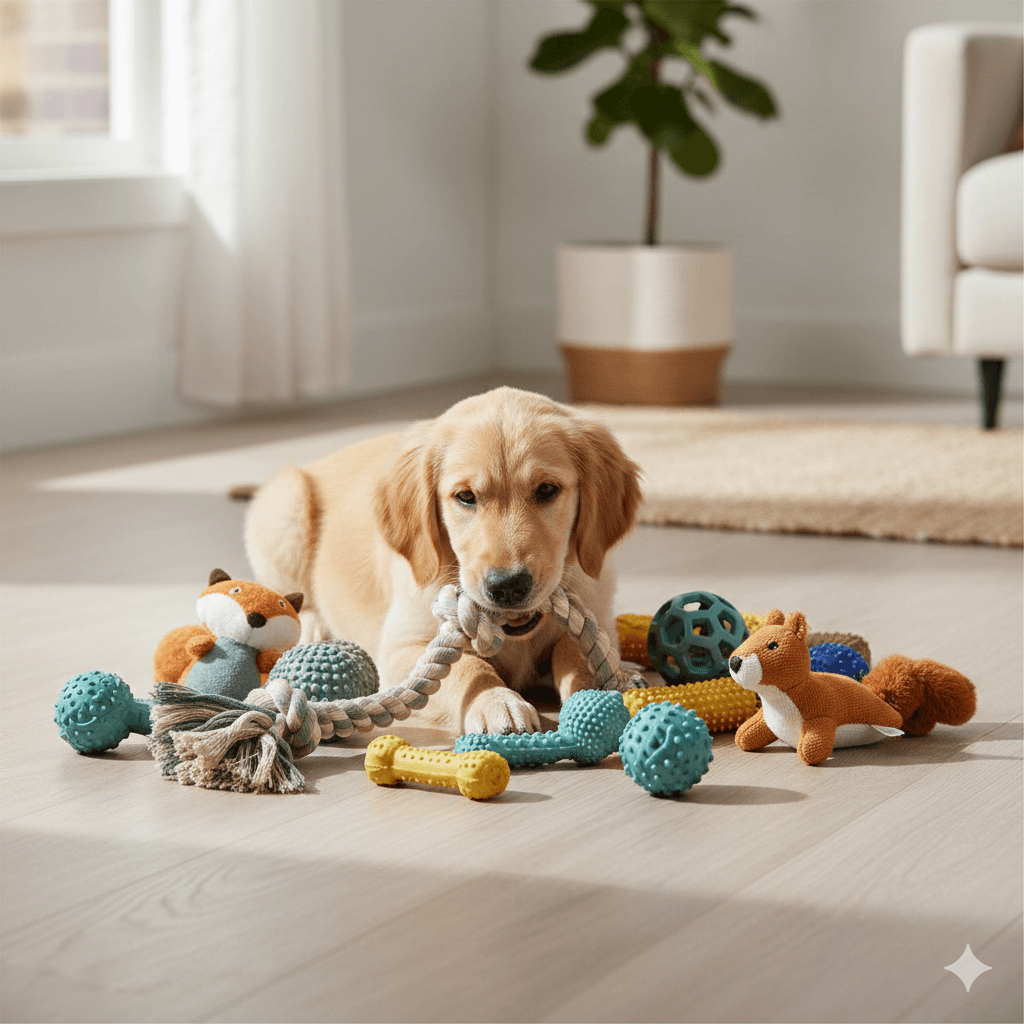

Understanding Non-Toxic Dog Toys: Best 7 Expert Tips!
Choosing safe, non-toxic dog toys isn’t just about durability—it’s about protecting your pup’s health with every chew, tug, and fetch. Many colorful or scented toys hide harmful chemicals like phthalates, BPA, or lead that can accumulate over time. With thoughtful selection, you can offer fun, enrichment, and peace of mind. Whether your dog is a gentle nibbler or an aggressive shredder, safety starts with what’s inside the toy. These expert-backed guidelines will help you pick truly non-toxic options your dog can enjoy worry-free.
Why Non-Toxic Materials Matter for Your Dog’s Health
Dogs explore the world with their mouths, making material safety non-negotiable. Low-quality plastics, dyes, or adhesives can leach toxins during chewing—especially when saliva and heat are involved. Over time, exposure may contribute to allergies, hormonal disruption, or digestive upset. Opting for certified non-toxic toys reduces these hidden risks and supports long-term wellness:
- BPA-Free Plastics:
Hard rubber or nylon toys labeled BPA-free avoid endocrine-disrupting chemicals commonly found in cheaper plastics. - Natural Rubber:
Sustainably sourced natural rubber (like that from Hevea trees) is biodegradable, resilient, and typically free from synthetic additives. - Organic Cotton or Hemp:
Rope and plush toys made from organic fibers skip pesticide residues and toxic dyes that conventional fabrics may carry. - Food-Grade Silicone:
Used in slow-feed puzzles or chew rings, food-grade silicone is inert, non-porous, and safe if small bits are ingested. - Third-Party Certifications:
Look for labels like OEKO-TEX®, FDA-compliant, or Prop 65 compliance—these verify independent safety testing.
Prioritizing verified materials ensures your dog’s playtime supports rather than compromises their health.
Red Flags in Dog Toy Labels and Marketing Claims
Not all “natural” or “eco-friendly” labels are trustworthy. Misleading terms abound, so knowing what to question protects your dog from greenwashing:
- Vague “Non-Toxic” Labels:
Without certification or ingredient transparency, this phrase has no legal meaning—always dig deeper. - Strong Artificial Scents:
Scented toys often contain synthetic fragrances that may trigger respiratory irritation or contain undisclosed phthalates. - Bright, Bleeding Colors:
Dyes that rub off on paws or saliva may contain heavy metals like cadmium or lead—opt for muted, plant-based hues. - “Indestructible” Claims with No Material Specs:
Extreme durability sometimes relies on toxic polymers; check if the brand shares full material composition. - No Country of Origin or Manufacturer Info:
Reputable brands proudly state where and how toys are made—opacity often signals poor oversight.
When in doubt, contact the company directly: ethical brands welcome questions about safety and sourcing.
Check this guide 👉How to Make Dog Toys Out of Shirts: Best 7 Expert Tips!
Check this guide 👉Can You Wash Dog Toys? Best 7 Expert Tips!
Check this guide 👉Why Do Dog Toys Squeak? Best 7 Expert Tips!
Safe Material Choices | Risky Ingredients to Avoid |
|---|---|
Natural rubber (Hevea) | PVC or vinyl (often contains phthalates) |
Organic cotton/hemp | Artificial dyes that bleed or fade |
Food-grade silicone | BPA, BPS, or other bisphenol compounds |
Recycled FDA-compliant plastic | Lead-based paints or heavy metal pigments |
Untreated wool or felt | Synthetic fragrances or “flavor” coatings |
Top 7 Expert Tips for Choosing Truly Non-Toxic Dog Toys
Safety isn’t just about materials—it’s about matching the toy to your dog’s size, chewing style, and behavior. Experts emphasize these seven principles to maximize both safety and enjoyment:
- Match Toy Size to Your Dog’s Mouth:
Toys too small risk choking or swallowing; ensure they’re larger than your dog’s throat circumference. - Avoid Toys with Glue or Adhesives:
Many plush toys use industrial glue that’s toxic if chewed—sewn-only designs are safer for mouth-oriented dogs. - Skip Toys with Hidden Electronics or Batteries:
Even “safe” batteries can leak potassium hydroxide if punctured—opt for noise-making toys without internal components. - Rinse New Toys Before First Use:
A thorough wash removes surface residues, loose dyes, or manufacturing dust that could irritate skin or digestion. - Rotate Toys Weekly:
Reduces overexposure to any single material and keeps playtime mentally stimulating without constant new purchases. - Inspect Daily for Wear and Tear:
Frayed ropes, cracked rubber, or loose stuffing should prompt immediate retirement—small fragments become ingestion hazards. - Choose Transparent Brands:
Companies that publish lab test results or material safety data sheets (MSDS) demonstrate genuine accountability.
Consistent application of these tips builds a safer, smarter toy rotation that evolves with your dog’s needs.
Best Non-Toxic Toy Types by Play Style
Different dogs need different toys—and non-toxic options exist for every personality:
- For Aggressive Chewers:
Solid natural rubber toys (e.g., West Paw’s Zogoflex®—recyclable, non-toxic, and guaranteed) withstand intense pressure without splintering. - For Fetch Lovers:
Look for floating, non-toxic rubber balls free from toxic glues or coatings that degrade in water or sunlight. - For Puzzle Seekers:
Food-dispensing toys made from FDA-compliant plastic or untreated wood provide mental stimulation without chemical exposure. - For Cuddlers:
Organic cotton plush toys stuffed with recycled PET fiber (no glue, no plastic eyes) offer safe comfort. - For Tug-of-War Enthusiasts:
Braided ropes from undyed hemp or organic cotton resist fraying and contain no synthetic binders.
The right match prevents frustration and keeps toxic alternatives off your shopping list.
DIY & Homemade Non-Toxic Toy Ideas
You don’t always need to buy—safe, engaging toys can be made at home with kitchen staples:
- Frozen Broth Cubes in Silicone Molds:
Use bone broth (no onion/garlic) in food-grade silicone trays for a soothing, lickable treat-dispenser. - T-Shirt Braided Rope:
Cut an old 100% cotton T-shirt into strips and knot tightly—no dyes, no synthetics, fully washable. - Cardboard Puzzle Box:
Hide kibble in folded, untreated cardboard tubes—recyclable, non-toxic, and mentally enriching. - Coconut Fiber Chew Ring:
Untreated coconut husk rings (sold for birds) are naturally antimicrobial and safe for light chewers. - Kong-Stuffed Frozen Yogurt Mix:
Fill a natural rubber Kong with plain yogurt and berries, then freeze—probiotics meet safe enrichment.
Always supervise homemade toys and replace them at first sign of wear to prevent ingestion of loose fibers or pieces.
Special Considerations for Puppies, Seniors, and Sensitive Dogs
Vulnerable dogs need extra care when selecting non-toxic toys:
- Teething Puppies:
Opt for soft natural rubber or food-grade silicone that’s gentle on gums but free from plasticizers. - Dogs with Allergies:
Avoid toys with latex if your dog has rubber sensitivity; choose cotton, hemp, or medical-grade silicone instead. - Senior Dogs with Dental Issues:
Ultra-soft organic plush or flexible silicone provides comfort without risking tooth damage or gum irritation. - Dogs Who Ingest Fragments:
Avoid rope or plush entirely—stick to one-piece, non-shredding rubber toys that can’t be broken into swallowable bits. - Small or Toy Breeds:
Ensure toys are appropriately sized but still too large to swallow whole—many “small dog” toys are deceptively hazardous.
When health conditions are present, consult your vet before introducing new chew items—even “safe” materials may not suit every dog.
Safety and Supervision: Maximizing Playtime Without Risk
Even the safest non-toxic toy requires mindful supervision—especially during the initial use or with dogs who chew aggressively. Responsible play habits protect your dog from accidental ingestion, choking, or injury, turning every toy into a positive, enriching experience:
- Always Supervise New Toys:
Introduce any new toy under direct observation to assess how your dog interacts with it—some may try to tear, swallow, or overheat from excitement. - Remove Toys After Play Sessions:
Leaving durable chew toys out 24/7 can encourage obsessive chewing; rotate access to maintain novelty and reduce wear-related hazards. - Avoid Toys with Detachable Parts:
Even non-toxic eyes, squeakers, or ribbons can become choking hazards if pulled off—choose seamless, one-piece designs whenever possible. - Check for Hidden Mold in Hollow Toys:
Toys like Kongs or treat balls can trap moisture inside; clean thoroughly and dry completely to prevent bacterial or fungal growth. - Never Use Human Toys or Baby Teethers:
These aren’t designed for canine jaw strength or digestion and may contain unsafe levels of plasticizers or fragrances—even if labeled “BPA-free.”
Smart supervision transforms play from a passive activity into an active partnership in your dog’s health and happiness.
“Dogs are part of the family. They are as important to us as our kids or other family members, and if we feel that way about them, then we should give them things that won’t affect their health. So, just like there are guidelines for children’s toys, there should be guidelines for [toxins] in the toys being sold for pets.”
Frequently Asked Questions About Non-Toxic Dog Toys
Are “natural” and “non-toxic” the same thing?
Not necessarily—“natural” refers to origin (e.g., rubber tree), while “non-toxic” means no harmful chemicals are present; always verify both.
Can non-toxic toys still be dangerous?
Yes—if poorly sized, they can pose choking or blockage risks. Material safety and physical design both matter.
Do non-toxic toys cost more?
Often slightly, but durability and health savings offset the upfront cost—many brands offer recycling or replacement programs.
Are squeakers safe in non-toxic plush toys?
Only if the squeaker is fully enclosed and the dog doesn’t dismantle the toy. For shredders, choose squeaker-free options.
How often should I replace non-toxic toys?
At first sign of damage—fraying, cracks, odor retention, or loose parts—even if the material itself remains safe.
Building a Safer, Happier Play Routine for Your Dog
Every tug, chew, and fetch session should be a moment of joy—not hidden risk. By choosing non-toxic dog toys with intention, you honor your dog’s instinct to explore while fiercely guarding their well-being. These choices reflect a deeper kind of love: one that looks beyond the label, questions the ingredients, and prioritizes long-term health over momentary convenience. Your dog may not know the difference between BPA and bamboo fiber—but your vigilance ensures they’ll thrive because of it. In the end, the safest toy is the one that brings out their happiest self, without compromise.
Is Rawhide Bad for Cats? Best 7 Expert Tips! – Discover the risks, safe alternatives, and expert advice to keep your feline friend healthy and happy.

Is Rawhide Bad for Dogs? Best 7 Expert Tips! – Discover the risks, benefits, and safer alternatives to rawhides for your dog’s chewing needs.

Understanding Anorexia in Cats: Best 7 Expert Tips! – Learn why cats stop eating, spot warning signs, and discover how to help your feline regain appetite safely.

Understanding Anorexia in Dogs: Best 7 Expert Tips! – Learn causes, symptoms, and solutions to help your dog regain appetite and stay healthy.