
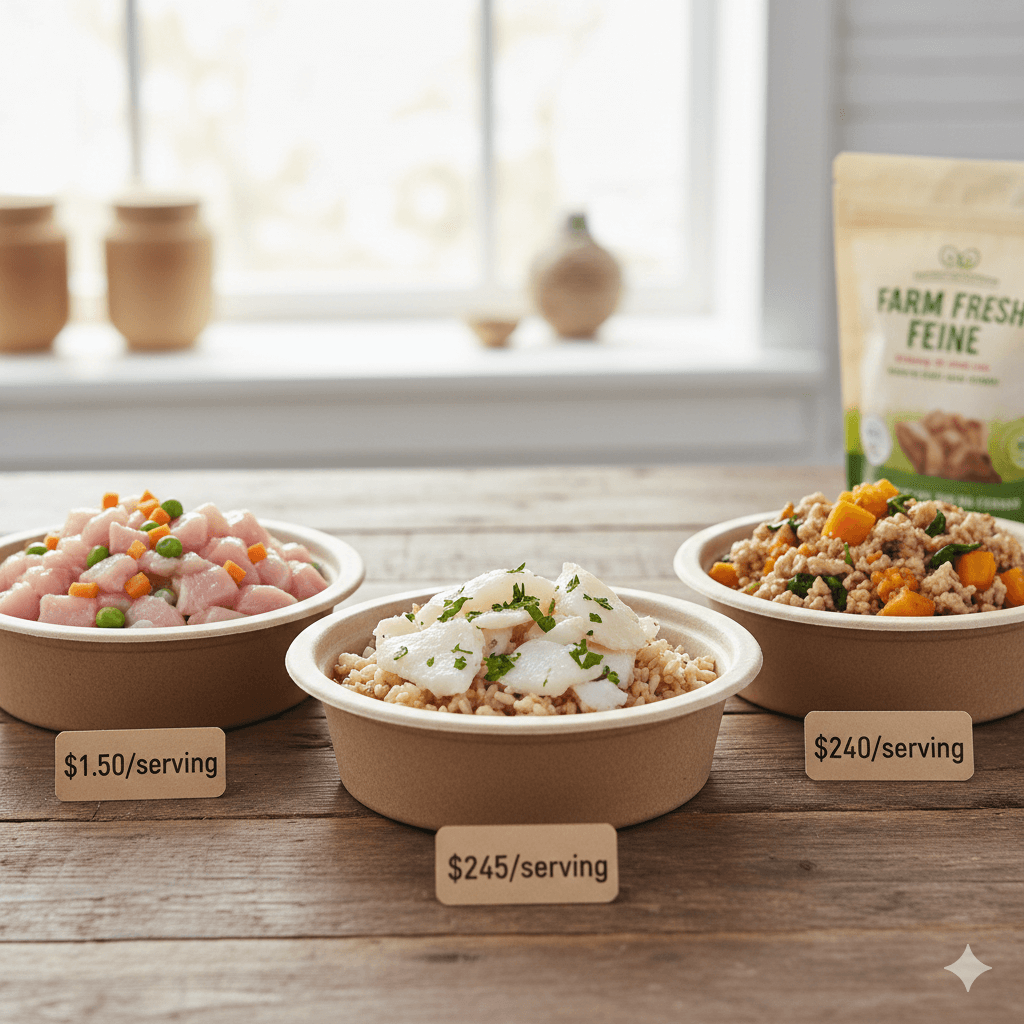

Most Affordable Fresh Cat Food: Best 7 Expert Tips!
Feeding your feline high-quality fresh food doesn’t have to break the bank. With rising pet food costs, many cat owners seek budget-friendly options that still prioritize nutrition and taste. Fortunately, several strategies can help you find truly affordable fresh cat food without sacrificing quality. Whether you’re meal-prepping at home or choosing a subscription service, smart choices make a difference. Discover how to nourish your cat well—even on a modest budget.
What Makes Fresh Cat Food Truly Affordable
“Affordable” doesn’t just mean low upfront cost—it includes nutrition per dollar, portion efficiency, and long-term health benefits. The most economical fresh options balance price, ingredient quality, and your cat’s specific needs. Consider these key factors when evaluating value:
- Cost Per Meal vs. Per Bag:
Some brands appear cheap per package but serve fewer meals—calculate price per ounce or per feeding for true comparison. - Ingredient Transparency:
Real meat as the first ingredient may cost more, but avoids fillers that offer little nutrition and increase long-term feeding volume. - Subscription Discounts:
Many fresh cat food companies offer 20–30% off for recurring deliveries—significantly lowering the effective price. - Portion Precision:
Overfeeding inflates costs; brands that provide exact calorie counts and feeding guides help you avoid waste. - Shelf Life and Storage Needs:
Freeze-dried or refrigerated options with longer usability reduce spoilage—a hidden cost saver for small households.
When assessed holistically, affordability becomes about smart value, not just the lowest sticker price.
Top 7 Most Affordable Fresh Cat Food Options
After comparing dozens of brands on price, quality, and customer feedback, these seven stand out as genuinely budget-conscious without compromising on feline health:
- Smalls Fresh Ground Turkey Plan:
Offers human-grade turkey with weekly subscription pricing starting under $3 per meal—ideal for picky or sensitive cats. - The Honest Kitchen Human Grade Clusters:
Freeze-dried, shelf-stable, and priced competitively at ~$2.80 per meal when bought in bulk with auto-ship. - NomNom Fresh Cat Food:
Custom-portioned meals with vet-formulated recipes; frequent promotions bring costs down to ~$3.20/meal. - Open Farm Homestead Turkey & Duck:
Transparent sourcing and recyclable packaging; subscription model delivers meals around $2.90 each. - JustFoodForDogs DIY Fresh Kits:
Cost as low as $1.90 per meal when prepared at home—requires time but offers maximum control and savings. - Lyka Fresh Cat Food (Regional U.S. Availability):
Grain-free, gently cooked meals with frequent trial discounts, averaging $3.10/meal for regular subscribers. - Balance IT Homemade Recipes + Supplements:
Not a complete food alone, but paired with your own protein, it creates fresh meals for under $2/feeding.
These options prove that nutritious, fresh cat food can fit even modest budgets—with a little research and planning.
Check this guide 👉Blue Buffalo vs Science Diet Cat Food: Best 7 Expert Tips!
Check this guide 👉Is Royal Canin Good Cat Food? Best 7 Expert Tips!
Check this guide 👉The Healthiest Wet Cat Food: Best 7 Expert Tips!
Budget-Friendly Features | Long-Term Value Indicators |
|---|---|
Subscription discounts (15–30% off) | Fewer vet visits due to better digestion |
Bulk purchase savings | Reduced stool volume = less litter waste |
Meal customization | Higher palatability = less food refusal |
Minimal fillers or by-products | Stable weight = accurate portioning |
Transparent calorie info | Improved coat & energy = visible health ROI |
How to Reduce Costs Without Sacrificing Quality
You don’t need to choose between your wallet and your cat’s well-being. Strategic habits can stretch your pet food budget while maintaining freshness and nutrition:
- Mix Fresh with High-Quality Kibble:
Blend 50% fresh food with a premium dry food to cut costs while still boosting moisture and protein intake. - Use Trial Sizes Before Committing:
Most fresh brands offer starter kits—test tolerance and preference before investing in full subscriptions. - Prep in Batches at Home:
Cook large portions of vet-approved recipes, freeze in daily servings, and thaw as needed to save labor and ingredient costs. - Join Loyalty or Referral Programs:
Earn credits for sharing with friends or leaving reviews—some brands give $10–$20 per successful referral. - Watch for Seasonal Promotions:
Black Friday, New Year, and “Pet Health Month” (May) often bring the deepest discounts on fresh food plans.
Small adjustments in purchasing behavior can yield significant savings over time—without compromising your cat’s diet.
Common Mistakes That Make Fresh Cat Food Seem Expensive
Many owners overpay simply because of avoidable habits or misconceptions about what “fresh” really requires:
- Assuming All Fresh Food Is Delivered Daily:
Most fresh cat foods are frozen or freeze-dried—buying in weekly or monthly batches is far cheaper than daily delivery. - Ignoring Caloric Density:
A “cheap” food that’s low in calories forces you to feed more—raising the real cost per day compared to energy-dense options. - Skipping Portion Calculations:
Feeding based on guesswork leads to overfeeding; use online calculators or vet guidance to feed precisely. - Overlooking Supplement Costs:
Homemade fresh diets require taurine and other supplements—factor these in before claiming DIY is “cheaper.” - Not Comparing Per-Day Costs:
Always convert all options to “cost per day” (not per bag or per pound) for accurate budgeting across brands.
Avoiding these pitfalls ensures you’re evaluating—and paying for—true value, not just marketing.
Homemade vs. Commercial Fresh Cat Food: Cost Breakdown
Deciding between cooking at home or buying pre-made involves trade-offs between time, expertise, and money:
- Homemade (With Proper Supplements):
Costs $1.50–$2.50 per meal but requires research, sourcing, cooking time, and supplement discipline. - Commercial Fresh (Delivered Frozen):
Runs $2.80–$4.00 per meal but guarantees balanced nutrition, convenience, and safety testing. - Freeze-Dried Rehydratable Brands:
Priced at $2.50–$3.30 per meal; offer shelf stability and easy prep—ideal for travel or small households. - Semi-Moist Fresh Blends:
Often marketed as “fresh” but contain preservatives; may cost less ($2–$2.80) but offer fewer health benefits. - Hybrid Approach (DIY Base + Commercial Topper):
Mix your own cooked chicken with a vet-formulated base mix—costs ~$2.20/meal with full nutritional coverage.
For most owners, a hybrid or subscription model offers the best balance of affordability, safety, and convenience.
Special Considerations for Multi-Cat Households or Senior Cats
Feeding multiple cats—or elderly felines with specific needs—adds complexity to budgeting for fresh food:
- Multi-Cat Discounts:
Brands like Smalls and NomNom offer “multi-pet” pricing, reducing per-cat costs by 10–15%. - Senior Cats Need Fewer Calories But More Nutrients:
Precision-portioned fresh meals prevent obesity while delivering joint and kidney support—potentially avoiding costly treatments. - Batch Feeding Compatibility:
Ensure all cats tolerate the same recipe before bulk-ordering; otherwise, split subscriptions may be needed. - Storage Space Requirements:
Freezer space becomes critical with 2+ cats—plan accordingly to avoid thawing waste or spoilage. - Prescription Diet Overlap:
Some fresh brands (e.g., NomNom) offer urinary or renal support formulas that may replace costly prescription kibble.
With planning, even large or special-needs households can enjoy the benefits of fresh feeding without overspending.
What to Expect When Switching to Affordable Fresh Food
Transitioning your cat to a new diet—especially a fresh one—requires patience and observation:
- Gradual Introduction Over 7–10 Days:
Mix increasing amounts of new food with old to avoid digestive upset and rejection. - Initial Hesitation Is Normal:
Cats are creatures of habit; warming meals slightly or adding broth can boost acceptance. - Stool Changes in First Week:
Firmer, less odorous stools usually indicate better digestion—loose stool may mean too-fast transition. - Increased Hydration (Even Without Wet Food):
Fresh food’s high moisture content often reduces water bowl visits—this is healthy, not concerning. - Possible Weight Stabilization or Loss:
If previously overfed on dry food, your cat may reach a healthier weight—monitor, don’t panic.
Give the new routine 2–3 weeks to show full benefits, and consult your vet if refusal or vomiting persists beyond day 3.
Frequently Asked Questions About Most Affordable Fresh Cat Food
Is fresh cat food really worth the cost?
Yes—for many cats, it improves hydration, digestion, coat health, and long-term organ function, potentially reducing vet bills.
Can I make fresh cat food for under $2 per meal?
Yes, with DIY recipes using Balance IT or similar supplements, but only if you follow feline-specific nutritional guidelines strictly.
Do affordable fresh foods meet AAFCO standards?
Reputable brands (Smalls, NomNom, The Honest Kitchen) formulate to AAFCO nutrient profiles for all life stages.
How long does frozen fresh cat food last?
Most last 3–6 months frozen; once thawed, use within 3–5 days when refrigerated.
Are there grain-free affordable options?
Yes—most fresh cat foods are naturally grain-free since cats thrive on animal protein, not carbs.
Nourish Your Cat Well—Without Emptying Your Wallet
Choosing fresh food for your cat is an act of love—but it shouldn’t feel like a financial burden. With thoughtful research, strategic purchasing, and a focus on true nutritional value, you can provide meals that are both wholesome and wallet-wise. The best affordable fresh cat food isn’t the cheapest on the shelf—it’s the one that keeps your feline thriving, satisfies their taste buds, and fits seamlessly into your life. Remember, every small saving you make today contributes to your cat’s long, healthy, and joyful tomorrow. You’re not just feeding a pet—you’re nurturing a family member, wisely and with care.
Newfoundland Dog Personality: Best 7 Expert Tips! – Discover the gentle, loyal, and protective nature of this giant breed perfect for families.
Can Hot Pavement Burn Your Cats Paws? Best 7 Expert Tips! – Learn how to protect your cat’s paws from hot surfaces and prevent painful burns this summer.
Can Hot Pavement Burn Your Dogs Paws? Best 7 Expert Tips! – Learn how to protect your dog’s paws from hot surfaces and ensure safe summer walks.
Irish Wolfhound Size: Best 7 Expert Tips! – Discover the ideal height, weight, and care tips for this majestic giant breed. Learn how to manage their impressive stature responsibly.


