
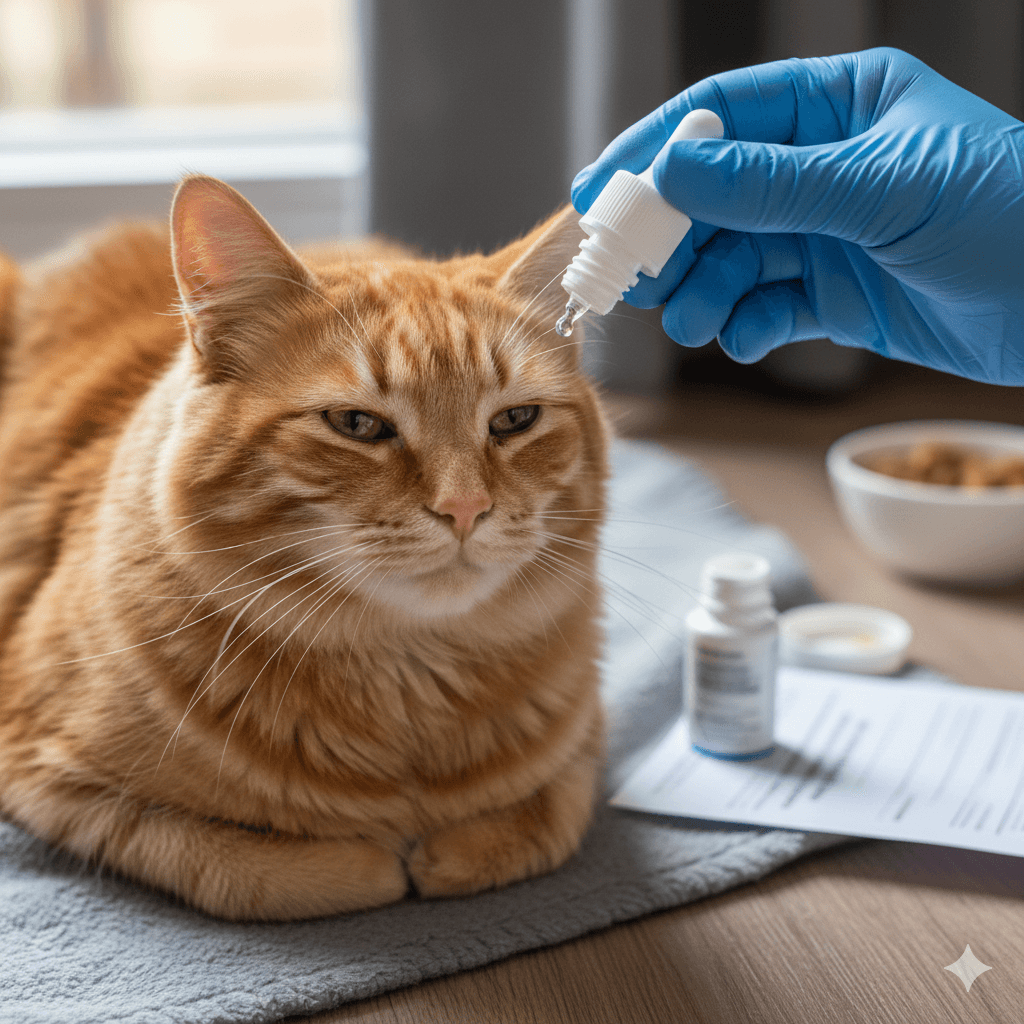

Understanding Cat Pink Eye Treatment
If your cat’s eye is red, swollen, or oozing discharge, they may have pink eye—medically known as conjunctivitis. While often uncomfortable, this condition is usually treatable with prompt and proper care. Recognizing early signs and knowing your treatment options can prevent complications and speed up recovery. Though some cases resolve on their own, others require targeted veterinary intervention. With the right approach, most cats bounce back quickly and avoid long-term eye issues.
Common Causes of Pink Eye in Cats
Conjunctivitis in cats rarely happens without a cause—identifying what’s behind the inflammation is the first step toward effective treatment. While symptoms may look similar, the root issue determines your care plan and prognosis. Consider these frequent triggers when your cat shows eye irritation:
- Viral Infections:
Feline herpesvirus (FHV-1) is the most common cause, especially in stressed or young cats, and can recur throughout life. - Bacterial Invaders:
Chlamydia felis and Mycoplasma are frequent bacterial culprits, often causing thick yellow or green discharge. - Allergies or Irritants:
Pollen, dust, smoke, or cleaning products can trigger non-infectious conjunctivitis with mild redness and watery eyes. - Foreign Bodies:
A stray eyelash, grass seed, or dust particle trapped under the eyelid can mimic infection symptoms. - Underlying Eye Conditions:
Corneal ulcers, dry eye, or eyelid abnormalities may present with redness and require specialized treatment.
Pinpointing the cause—often through veterinary testing—ensures your cat receives the most effective therapy for lasting relief.
Recognizing Symptoms Beyond Redness
While red eyes are the hallmark of pink eye, cats often show additional signs that help distinguish severity and origin. Observing your cat’s behavior and eye changes daily provides valuable clues for you and your vet:
- Excessive Tearing or Discharge:
Clear fluid suggests allergies or early viral infection; yellow/green pus points to bacterial involvement. - Squinting or Light Sensitivity:
Your cat may avoid bright rooms or keep one eye half-closed due to pain or discomfort. - Swollen Eyelids:
Inflammation can make the area around the eye puffy and tender to the touch. - Rubbing or Pawing at the Eye:
This behavior signals irritation but risks further injury or corneal damage. - Cloudiness or Changes in Eye Appearance:
A hazy cornea or visible third eyelid may indicate deeper eye involvement requiring urgent care.
Early recognition and documentation of these signs help your vet tailor treatment before complications arise.
Check this guide 👉Causes of Cat Eye Infection: Best 7 Expert Tips!
Check this guide 👉Cat Eye Inflammation: Best 7 Expert Tips!
Check this guide 👉Understanding Cat Eye Language: Best 7 Expert Tips!
Mild, Manageable Signs | Urgent Warning Symptoms |
|---|---|
Slight redness in one eye | Both eyes severely swollen |
Clear, watery discharge | Thick, yellow-green pus |
Occasional blinking | Constant squinting or eye closed |
Normal appetite and energy | Lethargy or fever |
No rubbing or pawing | Aggressive rubbing or face pressing |
Safe At-Home Care While Awaiting Vet Guidance
Before treatment begins, gentle home support can ease your cat’s discomfort—but only if your vet approves. Never medicate without professional advice, as some human or dog eye drops are toxic to cats. If your vet permits, consider these safe steps:
- Warm Compresses:
Use a clean, soft cloth soaked in warm (not hot) water to gently wipe away discharge and soothe lids—use a fresh section for each eye. - Isolate from Other Pets:
Viral or bacterial conjunctivitis can spread; separate your cat until the cause is confirmed. - Keep the Environment Calm:
Dim lights and reduce noise to minimize stress, especially if herpesvirus is suspected. - Prevent Self-Trauma:
Use an Elizabethan collar if your cat rubs aggressively to avoid corneal scratches. - Maintain Hygiene:
Wash your hands thoroughly after handling your cat’s face to prevent cross-contamination or human exposure.
These measures support healing but never replace diagnosis—always follow up with your veterinarian promptly.
Veterinary Treatment Options by Cause
Your vet’s recommended therapy depends entirely on the underlying cause. Accurate diagnosis—often via swab, PCR test, or fluorescein stain—guides the most effective, targeted plan:
- Antiviral Medications:
For feline herpesvirus, antivirals like famciclovir or topical idoxuridine may be prescribed to suppress outbreaks. - Antibiotic Eye Drops or Ointments:
Doxycycline, chloramphenicol, or tetracycline ointments treat bacterial infections, especially Chlamydia or Mycoplasma. - Anti-Inflammatory Support:
Steroid or non-steroidal drops may reduce swelling—but only if no corneal ulcer is present, as steroids can worsen damage. - L-Lysine Supplements (Controversial):
Once commonly used for herpesvirus, current evidence shows limited benefit; many vets no longer recommend it. - Systemic Medications:
Severe or recurrent cases may require oral antibiotics or antivirals, especially if other symptoms like sneezing occur.
Strict adherence to dosage and duration—even after symptoms improve—is essential to prevent resistance or relapse.
Preventing Recurrence and Protecting Other Cats
For cats with chronic or recurrent pink eye—especially herpesvirus carriers—ongoing management is key. Prevention also protects multi-cat households from outbreaks:
- Reduce Stress Triggers:
Maintain routines, provide hiding spots, and use Feliway diffusers to minimize herpes reactivation. - Keep Vaccinations Current:
The FVRCP vaccine includes protection against feline herpesvirus and calicivirus, reducing severity of future episodes. - Practice Good Hygiene:
Clean food bowls, bedding, and shared spaces regularly; avoid sharing towels or cloths between cats. - Quarantine New Cats:
Isolate newcomers for 1–2 weeks to monitor for signs before introducing them to resident pets. - Schedule Regular Eye Checks:
Cats with a history of conjunctivitis benefit from routine vet exams to catch early changes.
Proactive care turns a recurring problem into a rare event, preserving your cat’s vision and comfort long-term.
Special Considerations for Kittens and Senior Cats
Young and older felines face higher risks from untreated pink eye—kittens due to developing immune systems, seniors due to weakened defenses or chronic illness. Their treatment requires extra caution:
- Kittens Under 12 Weeks:
Even mild redness can escalate quickly; seek care immediately, as dehydration and systemic infection are real dangers. - Senior Cats with Other Conditions:
Underlying diseases like kidney failure or diabetes can slow healing or mimic eye symptoms—comprehensive testing is crucial. - Flat-Faced Breeds (e.g., Persians):
Their facial structure causes tear duct issues and chronic irritation, requiring lifelong eye maintenance. - Immunocompromised Cats (FIV/FeLV+):
These cats are prone to severe, prolonged conjunctivitis and need aggressive, vet-supervised protocols. - Cats with Previous Eye Trauma:
Scar tissue or corneal damage increases vulnerability; any new redness warrants urgent evaluation.
For these vulnerable groups, “wait-and-see” is never safe—early intervention saves vision and lives.
When to Seek Immediate Veterinary Care for Cat Pink Eye
While mild conjunctivitis can often be managed with outpatient care, certain signs indicate a serious or vision-threatening condition requiring urgent veterinary attention. Delaying treatment in these cases can lead to permanent damage. Watch for the following red flags:
- Sudden Eye Swelling or Bulging:
Rapid swelling or a protruding eye may signal orbital abscess, trauma, or glaucoma—conditions needing emergency intervention. - Cloudy or Blue-Tinted Cornea:
A hazy or bluish appearance over the eye often indicates corneal edema or ulceration, which can worsen within hours. - Inability to Open the Eye:
If your cat keeps one or both eyes tightly shut and resists gentle examination, pain or severe inflammation is likely present. - Visible Third Eyelid Elevation:
Persistent covering of the eye by the third eyelid (nictitating membrane) suggests systemic illness or significant ocular distress. - Loss of Appetite or Lethargy Alongside Eye Symptoms:
When pink eye is accompanied by fever, hiding, or refusal to eat, it may reflect a broader infectious or immune-mediated disease.
Never assume eye issues will “clear up on their own”—in feline health, eyes are fragile, and time is vision.
“Most veterinarians will prescribe antibiotic eyedrops or an ointment to be used three or four times a day for two to three weeks, by which time the discharge and other signs should disappear.”
— Dr. Thomas Kern
Frequently Asked Questions About Cat Pink Eye Treatment
Can I use human pink eye drops on my cat?
Absolutely not. Many human eye drops contain ingredients toxic to cats—always use only vet-prescribed medications.
How long does cat pink eye usually last?
Viral cases may improve in 5–10 days; bacterial infections often respond within 3–5 days of antibiotics—if treated properly.
Is pink eye contagious to humans?
Feline conjunctivitis is not contagious to people, but it spreads easily between cats, especially in close quarters.
Should I clean my cat’s eye before applying ointment?
Yes—gently wipe away discharge with a warm, damp cloth before applying medication to ensure proper absorption.
Can pink eye cause blindness in cats?
If left untreated—especially with corneal ulcers or herpesvirus—permanent vision damage is possible. Prompt care prevents this.
Supporting Your Cat’s Eye Health for Life
Watching your cat struggle with pink eye is distressing, but with timely care, most recover fully without lasting effects. The journey doesn’t end when symptoms fade—ongoing attention to stress, hygiene, and regular vet check-ups builds a foundation for lifelong eye wellness. By responding with knowledge, patience, and love, you not only heal their eyes but also deepen the quiet trust between you. Remember, your cat’s gaze is their window to the world—and with your help, it can stay bright, clear, and full of curiosity for years to come.
Is Rawhide Bad for Cats? Best 7 Expert Tips! – Discover the risks, safe alternatives, and expert advice to keep your feline friend healthy and happy.

Is Rawhide Bad for Dogs? Best 7 Expert Tips! – Discover the risks, benefits, and safer alternatives to rawhides for your dog’s chewing needs.

Understanding Anorexia in Cats: Best 7 Expert Tips! – Learn why cats stop eating, spot warning signs, and discover how to help your feline regain appetite safely.

Understanding Anorexia in Dogs: Best 7 Expert Tips! – Learn causes, symptoms, and solutions to help your dog regain appetite and stay healthy.