Calming Pheromones for Cats: Best 7 Expert Tips!

Calming Pheromones for Cats: Best 7 Expert Tips!

Calming Pheromones for Cats: Best 7 Expert Tips!

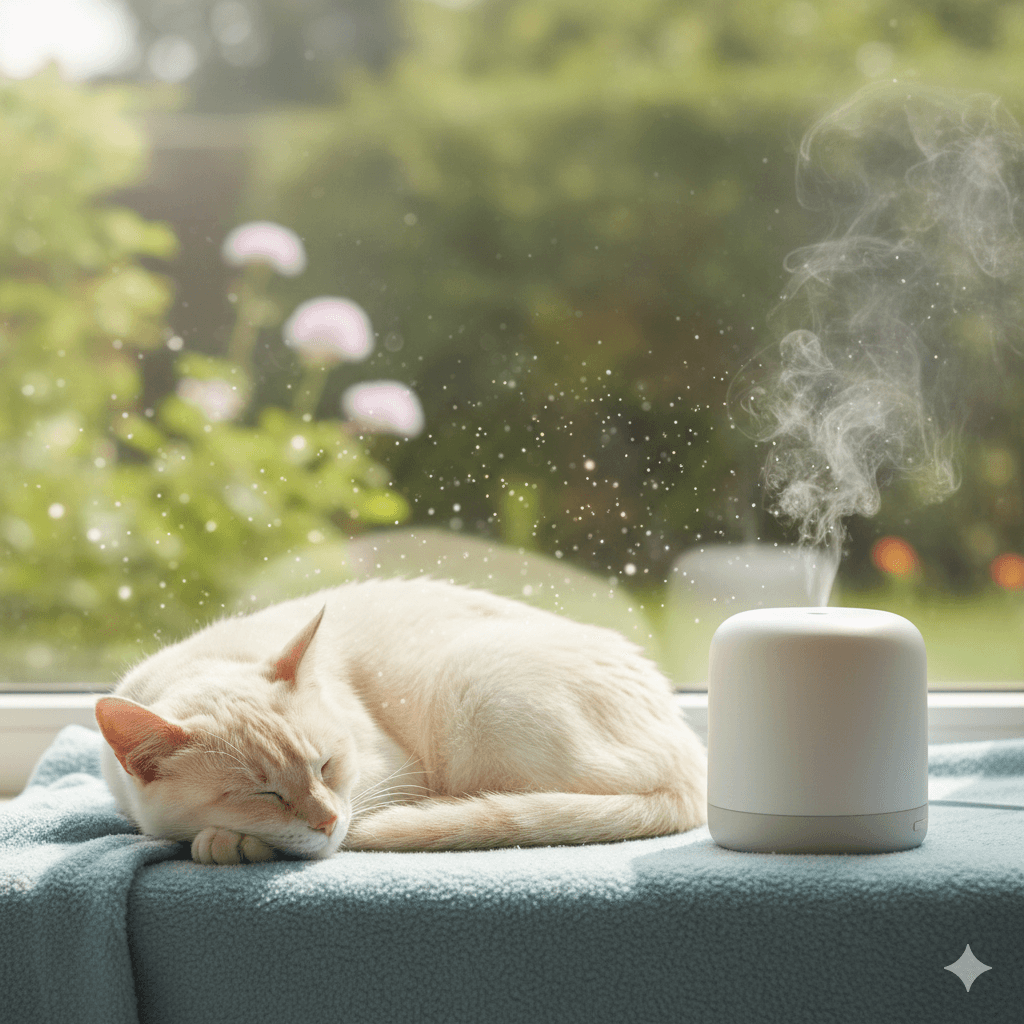
If your cat seems anxious, hides frequently, or reacts with aggression or overgrooming, calming pheromones might offer gentle, drug-free support. These synthetic compounds mimic natural feline facial pheromones to create a sense of safety in stressful environments. Widely recommended by veterinarians and behaviorists, they can ease transitions like moving, vet visits, or multi-cat introductions. While not a cure-all, they’re a valuable tool in a holistic approach to feline emotional wellness. Used correctly, calming pheromones help your cat feel secure—without sedation or side effects.

How Calming Pheromones Work in Feline Behavior

Cats naturally release facial pheromones when they rub their cheeks against objects, signaling “this place is safe.” Synthetic versions replicate this chemical message to reduce stress-related behaviors. These odorless, species-specific compounds work through the vomeronasal organ and don’t affect humans or other pets. They’re especially useful during environmental changes or social challenges:

 
  • Mimic Natural Reassurance:
    Synthetic pheromones like Feliway copy feline facial pheromones (F3) that cats use to mark secure spaces.
     
  • Non-Sedative Effect:
    Unlike medications, they don’t alter consciousness or energy levels—just emotional perception of safety.
     
  • Trigger Calm Responses:
    The brain interprets the scent as a signal that surroundings are familiar and non-threatening.
     
  • Effective Within Hours:
    Many cats show reduced tension within 30–60 minutes, though full effects may take 1–2 weeks for chronic issues.
     
  • Safe for Long-Term Use:
    No known toxicity, dependency, or side effects—even for kittens, seniors, or cats with medical conditions.
 

When used consistently in the right context, pheromones can significantly lower anxiety-driven behaviors without disrupting your cat’s personality.

Calming Pheromones for Cats: Best 7 Expert Tips!

Common Signs Your Cat Is Experiencing Stress

Cats often express distress subtly, and symptoms may be mistaken for aloofness or misbehavior. Recognizing these cues helps you intervene early—before stress escalates into health or behavioral problems:

 
  • Hiding or Withdrawal:
    Your cat may retreat under furniture, avoid family members, or stop greeting you at the door.
     
  • Excessive Grooming:
    Over-licking, especially on the belly or legs, can lead to bald patches or skin irritation (psychogenic alopecia).
     
  • Litter Box Avoidance:
    Sudden urination or defecation outside the box—without medical cause—often signals environmental stress.
     
  • Aggression or Fearfulness:
    Hissing, swatting, or cowering in response to normal stimuli (e.g., visitors, vacuum sounds) may indicate overwhelm.
     
  • Vocalization Changes:
    Increased meowing, yowling at night, or unusual silence can all reflect emotional imbalance.
 

Addressing these signs promptly with tools like pheromones can restore your cat’s sense of security and prevent long-term issues.

When Pheromones Help Most
Situations Requiring Additional Support
Introducing a new pet
Severe aggression or self-harm
Moving to a new home
Underlying medical pain or illness
Thunderstorms or fireworks
Chronic anxiety unresponsive to pheromones
Vet or grooming visits
Trauma-based fear needing behaviorist input
Multi-cat household tension
Cognitive decline in senior cats

Types of Calming Pheromone Products Available

Not all pheromone products are equal—form, coverage, and active ingredients vary. Choosing the right format ensures optimal effectiveness for your cat’s specific needs:

 
  • Plug-In Diffusers:
    Ideal for ongoing home use; covers 500–700 sq ft per unit. Replace every 30 days for consistent release.
     
  • Sprays:
    Portable and fast-acting—spray on carriers, bedding, or travel crates 15 minutes before use to calm before events.
     
  • Collars:
    Release pheromones continuously for 30 days; perfect for outdoor cats or frequent travelers.
     
  • Wipes:
    Convenient for spot treatment on surfaces like car seats or exam tables at the vet clinic.
     
  • Multi-Cat Formulas:
    Use a different pheromone blend (Feliway Friends) that mimics appeasing pheromones to ease social friction.
 

Match the product type to your cat’s lifestyle and stress trigger for the best results—consistency matters more than quantity.

Best Practices for Using Pheromones Effectively

Even the best product fails if used incorrectly. These expert-backed tips maximize pheromone efficacy and avoid common pitfalls:

 
  • Start Early:
    Begin diffuser use 2–3 days before anticipated stress (e.g., moving day or guest arrival).
     
  • Place Strategically:
    Position diffusers in your cat’s favorite resting area—not near open windows, vents, or behind furniture.
     
  • Avoid Cleaning Nearby:
    Don’t wipe walls or surfaces near diffusers; pheromones need to accumulate in the air and on objects.
     
  • Combine with Environmental Enrichment:
    Pair pheromones with hiding spots, vertical space, and predictable routines for layered support.
     
  • Give It Time:
    Some cats respond in hours, others take 2–4 weeks—don’t discontinue too soon if no immediate change occurs.
 

Patience and proper placement turn pheromones from a novelty into a reliable part of your cat’s emotional toolkit.


When Calming Pheromones Aren’t Enough

While highly effective for mild to moderate stress, pheromones alone may not resolve deep-seated behavioral or medical issues. Knowing the limits prevents delay in seeking critical help:

 
  • Underlying Medical Pain:
    Arthritis, dental disease, or UTIs can mimic anxiety—always rule out illness first with a vet exam.
     
  • Severe Behavioral Disorders:
    Conditions like feline hyperesthesia or trauma-based phobias may require medication or certified behavior modification.
     
  • Incompatible Household Dynamics:
    Chronic inter-cat aggression might need space redesign or professional mediation beyond pheromones.
     
  • Lack of Environmental Control:
    If stressors (e.g., construction noise, unpredictable routines) persist, pheromones can’t override constant triggers.
     
  • Individual Non-Response:
    Roughly 10–15% of cats show minimal reaction—try a different brand or approach if no improvement in 4 weeks.
 

In these cases, pheromones can still play a supportive role alongside vet-prescribed treatments or behavior plans.

Special Considerations for Kittens, Seniors, and Multi-Cat Homes

Different life stages and social setups demand tailored pheromone strategies. What works for a solo adult may not suffice for vulnerable or complex households:

 
  • Kittens Under 6 Months:
    Early exposure to calming pheromones during socialization can build lifelong resilience to stress.
     
  • Senior Cats:
    Cognitive decline or sensory loss increases anxiety—diffusers in quiet, familiar zones offer comforting continuity.
     
  • Multi-Cat Households:
    Use Feliway Friends (not standard Feliway) to reduce tension; place diffusers in shared corridors and resource areas.
     
  • Shelter or Foster Cats:
    Pheromones speed acclimation and reduce hiding, improving adoption outcomes and welfare.
     
  • Single Cats in Busy Homes:
    Provide a “pheromone sanctuary” room where your cat can retreat from noise, children, or dogs.
 

Customizing your approach ensures every cat—regardless of age or situation—feels truly safe at home.


Expert-Backed Tips for Maximizing Calming Pheromone Effectiveness

To get the most out of calming pheromone products, it’s essential to use them as part of a thoughtful, holistic approach. Veterinary behaviorists and feline specialists agree that timing, placement, and consistency make the biggest difference in outcomes:

 
  • Introduce Before Stress Begins:
    Start diffuser use at least 48–72 hours before a known stressor—such as holidays, guests, or a move—to allow pheromones to saturate the environment.
     
  • Avoid Airflow Disruption:
    Never place diffusers near open windows, ceiling fans, or HVAC vents, as airflow dilutes concentration and reduces coverage.
     
  • Use Multiple Units in Large Homes:
    One diffuser covers ~500–700 sq ft; for multi-level or open-concept homes, use one per main living area where your cat spends time.
     
  • Replace on Schedule—Not When Empty:
    Even if liquid remains, replace vials every 30 days; evaporative output declines over time, reducing efficacy after four weeks.
     
  • Pair with Visual Barriers in Multi-Cat Homes:
    Combine pheromones with room dividers, covered beds, or elevated perches to give cats control over social exposure and enhance their sense of safety.
 

When applied with precision and paired with empathetic environmental management, calming pheromones become a cornerstone—not just a supplement—in your cat’s emotional well-being strategy.

“I consider it one of our first-line products. Pheromones are unlikely to do harm and probably will help to some extent with most behavior problems that involve fear, anxiety, and stress. Like everything else, nothing works 100% for every single animal,”

Lisa Radosta, DVM, DACVB

Frequently Asked Questions About Calming Pheromones for Cats

Do calming pheromones work immediately?

Some cats relax within minutes (especially with sprays), but chronic stress often requires 1–2 weeks of consistent use.

Yes—they’re species-specific, odorless, and non-toxic to people, dogs, birds, or even fish.


Absolutely—Adaptil (for dogs) and Feliway (for cats) don’t interfere with each other.

Check the wick—it should feel oily. Replace the vial monthly, even if liquid remains, as potency declines.

Only if scratching is stress-related. For territorial marking, combine pheromones with scratching posts and nail trims.

Creating a Peaceful Home Where Your Cat Thrives

Calming pheromones aren’t magic—but when used thoughtfully, they’re a powerful ally in building a serene environment your cat can trust. They honor your feline’s natural communication system, offering comfort without force or side effects. Whether you’re navigating a temporary change or managing long-term sensitivity, pheromones help bridge the gap between your cat’s instincts and your modern home. By pairing them with empathy, observation, and environmental care, you’re not just reducing stress—you’re deepening your bond. And in the quiet moments when your cat finally stretches out in the sun, unafraid and at ease, you’ll know you’ve given them the greatest gift: peace of mind.

Is Rawhide Bad for Cats? Best 7 Expert Tips!

Is Rawhide Bad for Cats? Best 7 Expert Tips! – Discover the risks, safe alternatives, and expert advice to keep your feline friend healthy and happy.

Is Rawhide Bad for Dogs? Best 7 Expert Tips!

Is Rawhide Bad for Dogs? Best 7 Expert Tips! – Discover the risks, benefits, and safer alternatives to rawhides for your dog’s chewing needs.

Understanding Anorexia in Cats: Best 7 Expert Tips!

Understanding Anorexia in Cats: Best 7 Expert Tips! – Learn why cats stop eating, spot warning signs, and discover how to help your feline regain appetite safely.

Understanding Anorexia in Dogs: Best 7 Expert Tips!

Understanding Anorexia in Dogs: Best 7 Expert Tips! – Learn causes, symptoms, and solutions to help your dog regain appetite and stay healthy.

Leave a Reply

Your email address will not be published. Required fields are marked *



