
Understanding Calming Pheromones for Dogs: Best 7 Expert Tips!
If your dog barks at thunderstorms, panics during car rides, or becomes destructive when left alone, calming pheromones might offer gentle, drug-free relief. These synthetic versions of natural dog-appeasing chemicals mimic the comforting scents mother dogs emit to soothe puppies. Used correctly, they can ease anxiety without drowsiness or side effects. While not a cure-all, pheromones are a valuable tool in a holistic behavior plan. Discover how to use them effectively with these seven expert-backed strategies.
How Calming Pheromones Work in Canine Behavior
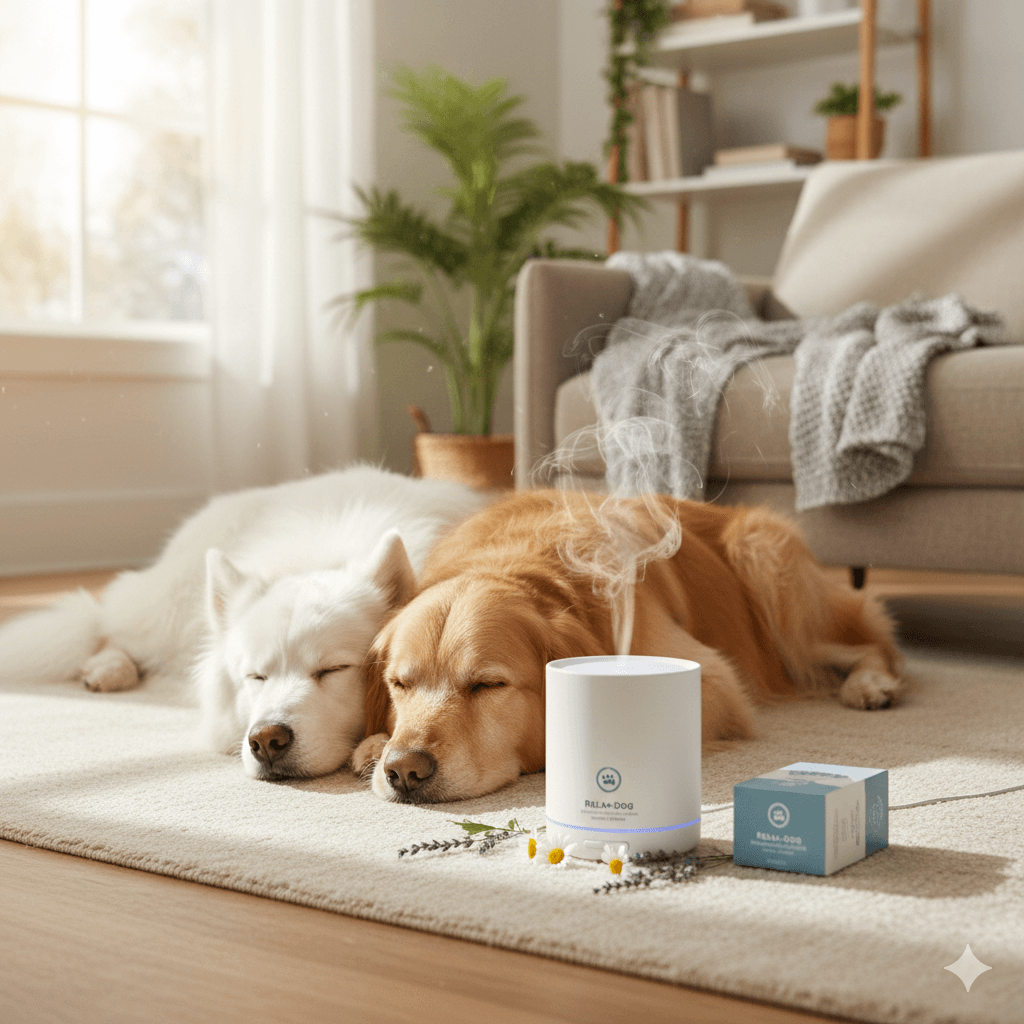
Calming pheromones are odorless to humans but detected by a dog’s sensitive vomeronasal organ, triggering a subconscious sense of safety. Originally modeled after the pheromone produced by lactating female dogs, these synthetic analogs signal “this environment is secure.” They don’t sedate or alter brain chemistry like medications—instead, they reduce emotional reactivity. This makes them ideal for mild to moderate stressors when used consistently and correctly.
- Mimic Natural Maternal Signals:
Synthetic dog-appeasing pheromones replicate the chemical comfort a mother emits, promoting calm in puppies and adult dogs alike. - Target Anxiety, Not Obedience:
Pheromones reduce fear-based behaviors like trembling or hiding, but won’t stop barking caused by boredom or poor training. - Odorless to Humans, Powerful to Dogs:
While you won’t smell anything, your dog’s Jacobson’s organ picks up these signals instantly, often within minutes of exposure. - Non-Sedating and Non-Habit Forming:
Unlike anti-anxiety meds, pheromones don’t cause drowsiness or dependency, making them safe for daily or intermittent use. - Work Best with Behavioral Support:
For lasting results, combine pheromones with desensitization, positive reinforcement, or environmental management.
When integrated into a broader anxiety-management plan, calming pheromones can significantly improve your dog’s emotional resilience in stressful situations.
Common Triggers Where Pheromones Show Strong Results
Not all stress responds equally to pheromones. Research and veterinary behaviorists confirm they’re most effective for predictable, situational anxiety rather than chronic generalized anxiety. Identifying the right context ensures you use them wisely and avoid disappointment:
- Veterinary Visits:
Spray or wipes applied to carriers or exam tables can lower fear during check-ups, improving cooperation and reducing handling stress. - Thunderstorms and Fireworks:
Diffusers activated 30–60 minutes before expected noise events help buffer sound-triggered panic responses. - Travel and Car Rides:
Collars or sprays used during transit can ease motion-related anxiety, especially in dogs with past negative travel experiences. - Boarding or Kennel Stays:
Facilities often use pheromone diffusers to help dogs adjust faster and sleep more peacefully in unfamiliar surroundings. - Introduction to New Pets or People:
Calming signals during first meetings can prevent defensive aggression and encourage relaxed social interaction.
Pheromones shine in these short-term, high-stress scenarios—especially when introduced before anxiety peaks.
Check this guide 👉Fish Oil Dosage for Dogs: Best 7 Expert Tips!
Check this guide 👉Immune Support for Dogs: Best 7 Expert Tips!
Check this guide 👉Acupuncture for Dogs: Best 7 Expert Tips!
Ideal Use Cases | Situations with Limited Effectiveness |
|---|---|
Noise phobias (thunder, fireworks) | Severe separation anxiety alone |
Veterinary or grooming visits | Aggression driven by dominance or resource guarding |
Travel-related stress | Chronic anxiety without behavioral intervention |
Puppy socialization periods | Fear stemming from lack of training or structure |
Temporary household changes (moves, guests) | Medical pain or cognitive dysfunction in seniors |
Choosing the Right Delivery Method for Your Dog
Pheromones come in multiple forms—diffusers, sprays, collars, and wipes—each suited to different lifestyles and stress triggers. Matching the format to your dog’s needs maximizes absorption and convenience:
- Plug-In Diffusers:
Best for home-based anxiety; cover 500–700 sq ft and last 30–60 days, ideal for storm season or new-pet introductions. - Spray Bottles:
Portable and fast-acting; apply to bedding, crates, or car interiors 15 minutes before use for on-the-go situations. - Pheromone Collars:
Provide continuous release for 4–8 weeks; perfect for dogs with daily triggers like car rides or neighborhood walks. - Wipes for Targeted Application:
Useful for spot treatment—wipe down grooming tables, vet scales, or travel carriers for immediate calming effect. - Combination Approaches:
Use a diffuser at home plus a collar for outings to maintain consistent exposure during transitional periods.
Always follow manufacturer instructions—heat, airflow, and placement heavily influence effectiveness.
Timing and Duration: When to Start and How Long to Use
Pheromones aren’t instant fixes; they require strategic timing and consistent use to build a calming baseline in your dog’s environment. Starting too late or stopping too soon reduces impact:
- Begin 2–3 Days Before Known Stressors:
For events like holidays or vet appointments, activate diffusers or apply sprays in advance to let the pheromone saturate the space. - Allow 15–30 Minutes for Onset:
Sprays and wipes need time to disperse; apply before placing your dog in the treated area for best results. - Use Continuously for 4–6 Weeks for Behavioral Change:
Chronic issues like mild separation anxiety may require a month of consistent use before noticeable improvement. - Replace Products on Schedule:
Diffuser refills lose potency after 30–60 days; collars fade after 4–8 weeks—don’t assume they’re still active beyond labeled duration. - Avoid Overuse in Low-Stress Periods:
Reserve pheromones for actual or anticipated anxiety to prevent desensitization or reduced response over time.
Patience and routine are key—pheromones work subtly, not dramatically.
Integrating Pheromones into a Holistic Anxiety Plan
For lasting change, calming pheromones should complement—not replace—other anxiety-reduction strategies. Think of them as a supportive layer in a multi-modal approach:
- Pair with Positive Reinforcement Training:
Reward calm behavior during storms or visitors while pheromones lower the emotional threshold for learning. - Combine with Environmental Enrichment:
Use puzzle toys, safe spaces, and predictable routines alongside pheromones to build overall emotional security. - Layer with Other Calming Aids (When Vet-Approved):
In tough cases, pheromones can be safely combined with supplements like L-theanine or prescription meds under veterinary guidance. - Avoid Using During Punishment or Scolding:
Pheromones signal safety—using them while yelling or correcting creates confusing mixed messages for your dog. - Monitor and Adjust Based on Response:
Keep a behavior journal; if no improvement occurs in 4 weeks, reassess triggers or consult a veterinary behaviorist.
True calm comes from consistency, not quick fixes—pheromones are one thread in a larger safety net.
Special Considerations for Puppies, Seniors, and Reactive Dogs
Different life stages and temperaments affect how dogs respond to calming pheromones. Tailoring use to your dog’s age, history, and sensitivity improves outcomes:
- Puppies (8–16 Weeks):
Highly responsive during socialization; diffusers in new homes ease transition stress and support confident development. - Senior Dogs with Cognitive Decline:
May show reduced response due to sensory loss, but pheromones can still help with nighttime restlessness or confusion. - Dogs with Trauma Histories:
Often need longer exposure (6+ weeks) and should be paired with trauma-informed behavior modification for best results. - Brachycephalic or Scent-Sensitive Breeds:
Bulldogs, Pugs, or scent hounds may detect pheromones more intensely—start with lower-dose formats to avoid overstimulation. - Multi-Dog Households:
Pheromones typically calm all dogs in the space, but monitor for rare cases of increased tension during hierarchy adjustments.
Every dog is unique—observe closely and adapt your approach to their individual needs.
What to Expect During Your First Pheromone Trial
Trying calming pheromones for the first time can feel uncertain. Knowing what success looks like—and what doesn’t—helps set realistic expectations and avoid premature abandonment:
- Subtle Shifts, Not Magic Fixes:
You may notice slightly less panting, quicker settling after a stressor, or reduced pacing—not total transformation. - Delayed Onset in Some Dogs:
While some respond in minutes, others take days or weeks of consistent exposure to show noticeable change. - Placebo Effect Is Real (for Owners):
You might feel calmer knowing you’re “doing something,” which indirectly helps your dog—stay objective in your observations. - Product Quality Varies:
Stick to vet-recommended brands like Adaptil (now called Comfort Zone) to ensure bioavailability and proper formulation. - No Side Effects, But Possible Non-Response:
If your dog shows zero change after 4–6 weeks of correct use, they may simply not be pheromone-responsive—try other methods.
Give it a fair trial, but don’t rely on pheromones alone for severe behavioral issues.
“Pheromone products simulate the properties of natural, positive pheromones. They release the positive chemicals and can help ease stress and anxiety by reassuring pets in the area.” – Small Door Veterinary Medical Experts
Frequently Asked Questions About Calming Pheromones for Dogs
Do calming pheromones work for all dogs?
No—about 70–80% of dogs show some response, but individual sensitivity varies based on age, history, and neurology.
Can I use pheromones with anxiety medication?
Yes, they’re often used together safely; always consult your vet before combining any calming aids.
How long does a pheromone diffuser last?
Most last 30–60 days depending on airflow, room size, and brand—replace even if liquid remains.
Are pheromones safe for cats or other pets?
Dog-specific pheromones (like Adaptil) don’t affect cats, humans, or other species—each species has its own chemical signals.
Can I use pheromones preventively, even if my dog seems fine?
Yes—many trainers use them during puppy socialization or before anticipated stressors as proactive emotional support.
Building a Calmer Life for Your Canine Companion
Calming pheromones aren’t a miracle cure—but when used thoughtfully, they can be a gentle, science-backed ally in your dog’s emotional well-being. By reducing background anxiety, they open the door for learning, bonding, and resilience. Whether you’re navigating thunderstorm season, welcoming a rescue dog, or supporting an aging pet, these odorless signals offer comfort without compromise. Remember, the goal isn’t to eliminate all stress—that’s impossible—but to help your dog feel safe enough to cope. With patience, consistency, and the right tools, you can turn moments of panic into opportunities for trust. And in that quiet space between fear and calm, you’ll find a deeper connection with your loyal friend.

Is Rawhide Bad for Cats? Best 7 Expert Tips! – Discover the risks, safe alternatives, and expert advice to keep your feline friend healthy and happy.

Is Rawhide Bad for Dogs? Best 7 Expert Tips! – Discover the risks, benefits, and safer alternatives to rawhides for your dog’s chewing needs.

Understanding Anorexia in Cats: Best 7 Expert Tips! – Learn why cats stop eating, spot warning signs, and discover how to help your feline regain appetite safely.

Understanding Anorexia in Dogs: Best 7 Expert Tips! – Learn causes, symptoms, and solutions to help your dog regain appetite and stay healthy.