
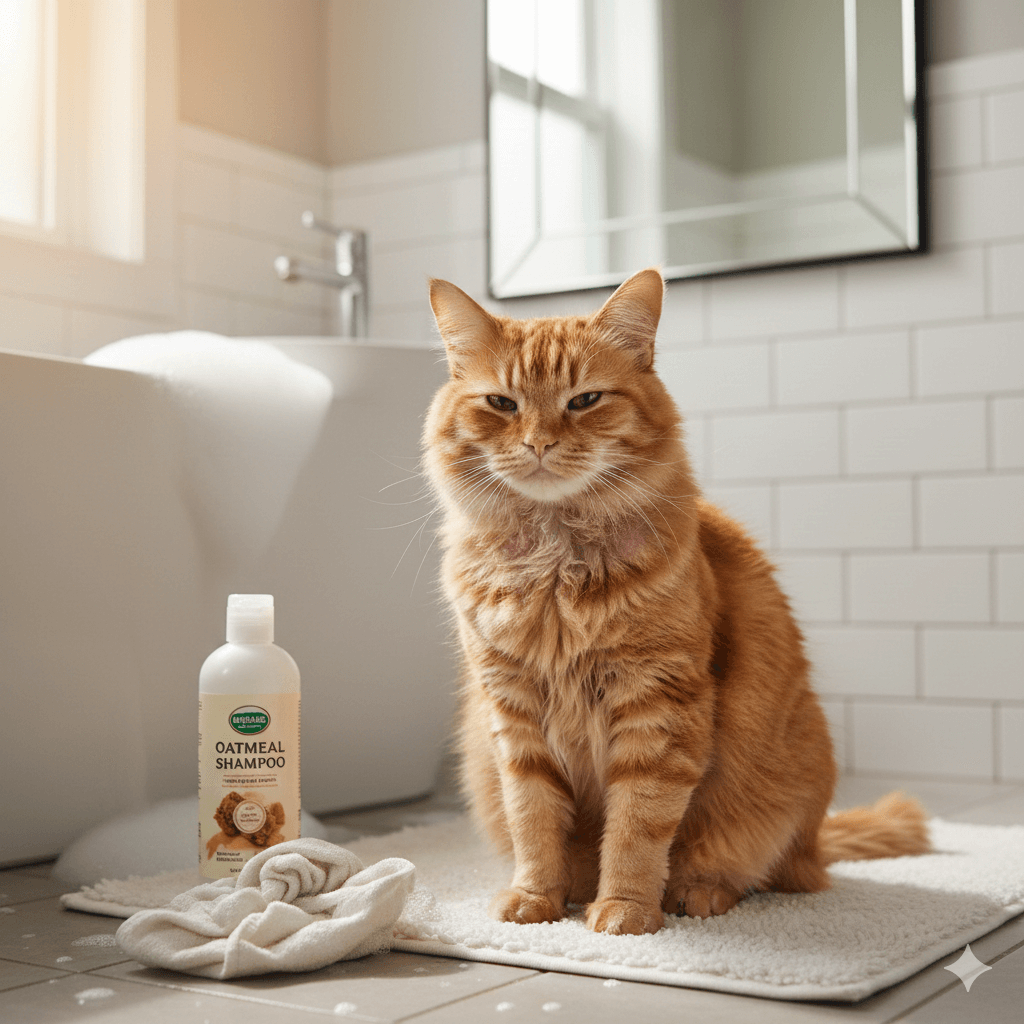

Cat Allergic Reaction to Shampoo
Bathing your cat might seem like a simple hygiene task, but for some felines, certain shampoos can trigger unexpected and uncomfortable allergic reactions. Unlike humans, cats have highly sensitive skin and a unique pH balance—making them vulnerable to ingredients that seem harmless at first glance. Recognizing the signs of an allergic response early can prevent worsening irritation or systemic issues. Whether you’re using a medicated formula or a gentle “natural” wash, understanding how your cat might react is essential. With careful product selection and observation, you can keep your cat clean without compromising their comfort or health.
Common Signs Your Cat Is Having an Allergic Reaction to Shampoo
Cats rarely show immediate dramatic reactions—instead, symptoms may appear hours or even days after bathing. Watch closely during and after bath time for subtle shifts in behavior or skin condition that signal an allergy:
- Intense Itching or Scratching:
Your cat may frantically lick, bite, or scratch at their fur—especially around the neck, back, or base of the tail—where shampoo residue lingers. - Red, Inflamed Skin:
Patches of redness, warmth, or swelling can develop, often accompanied by visible irritation or raw spots from over-grooming. - Hair Loss or Thinning Fur:
Repeated scratching or inflammation may lead to localized bald patches, particularly if the reaction is severe or prolonged. - Hives or Small Bumps:
Raised, bumpy skin lesions resembling goosebumps can appear quickly and may spread if the allergen remains on the coat. - Lethargy or Behavioral Changes:
Some cats become unusually quiet, hide more than usual, or resist being touched—signs of discomfort that shouldn’t be ignored.
While mild reactions may resolve on their own, persistent or worsening symptoms require prompt veterinary evaluation to rule out secondary infections or systemic allergy.
Ingredients in Cat Shampoos That Commonly Trigger Allergies
Not all shampoos are created equal—and what’s labeled “gentle” isn’t always safe for every cat. Certain ingredients, even in pet-specific formulas, are frequent culprits behind allergic responses:
- Fragrances and Essential Oils:
Synthetic perfumes or natural oils like tea tree, citrus, or lavender—often added for scent—can irritate feline skin or cause toxicity. - Sulfates (e.g., SLS or SLES):
These foaming agents strip natural oils, disrupting the skin barrier and increasing sensitivity to other allergens. - Parabens and Formaldehyde Releasers:
Preservatives like methylparaben or DMDM hydantoin may cause contact dermatitis in sensitive cats. - Medicated Additives:
Ingredients like ketoconazole, chlorhexidine, or coal tar—used for skin conditions—can backfire if your cat is allergic to them. - Plant Extracts or “Natural” Botanicals:
Aloe, chamomile, or oatmeal might soothe some cats but provoke reactions in others with plant-based sensitivities.
Always read labels carefully and choose hypoallergenic, fragrance-free, and dermatologist-tested formulas designed specifically for cats—not dogs or humans.
Check this guide 👉Can You Use Dog Flea Shampoo on Cats? Best 7 Health Tips!
Check this guide 👉Can I Let My Cat Air Dry After a Bath? Best 7 Tips!
Check this guide 👉How to Bathe an Aggressive Cat: Best 7 Expert Tips!
Allergy Warning Signs | Safe Shampoo Practices |
|---|---|
Excessive grooming post-bath | Use only cat-specific, fragrance-free shampoos |
Redness within 24 hours | Perform a patch test before full bathing |
Bald patches or scabs | Rinse thoroughly—residue is a common trigger |
Head shaking or ear irritation | Avoid shampoos with essential oils or sulfates |
Hiding or vocalizing in distress | Bathe only when necessary—over-bathing increases risk |
How to Safely Bathe a Cat with Sensitive Skin
If your cat has a history of allergies—or you’re introducing shampoo for the first time—gentle, strategic bathing is key to avoiding flare-ups:
- Skip Human or Dog Shampoos Entirely:
These are formulated for different pH levels and often contain toxic ingredients like pyrethrins (in dog flea shampoos). - Do a Patch Test First:
Apply a pea-sized amount of diluted shampoo to a small area (like the inner thigh), wait 24–48 hours, and monitor for reactions. - Use Lukewarm Water and Minimal Product:
Too much shampoo increases exposure; a small amount, well-lathered and fully rinsed, is safer than heavy application. - Rinse Thoroughly for 2–3 Minutes:
Residual shampoo is a leading cause of irritation—even “safe” formulas can cause issues if not completely washed off. - Dry Gently with a Soft Towel:
Avoid blow dryers, which can overheat sensitive skin; let your cat air-dry in a warm, draft-free room.
A cautious, minimally invasive approach dramatically reduces the risk of adverse reactions—even in allergy-prone cats.
What to Do If Your Cat Has an Allergic Reaction
Acting quickly can ease your cat’s discomfort and prevent complications like skin infections or chronic dermatitis:
- Rinse Immediately with Clean Water:
If you notice itching or redness during or right after the bath, rinse your cat again with plain lukewarm water to remove residue. - Avoid Over-the-Counter Human Creams:
Many contain steroids or ingredients toxic to cats; never apply without veterinary guidance. - Contact Your Veterinarian:
Even mild reactions warrant a call—your vet may recommend an antihistamine (like cetirizine) or prescribe a soothing topical. - Monitor for Worsening Symptoms:
Watch for swelling around the face, difficulty breathing, or vomiting—signs of anaphylaxis requiring emergency care. - Switch to a Hypoallergenic Formula Next Time:
Ask your vet for a veterinary-recommended shampoo, such as those containing oatmeal (if not allergic) or designed for sensitive skin.
Prompt, calm intervention turns a stressful incident into a manageable learning experience for future care.
Preventing Future Allergic Reactions to Cat Shampoos
Prevention is far more effective—and kinder—than treating reactions after they occur. Build a safe bathing routine based on your cat’s unique needs:
- Bathe Only When Medically Necessary:
Most cats self-groom effectively; baths should be rare unless treating fleas, skin infections, or contamination. - Choose Veterinary-Approved Products:
Brands like Virbac, Douxo, or Dechra offer hypoallergenic, pH-balanced shampoos tested for feline use. - Keep a Product Log:
Note the brand, ingredients, and your cat’s reaction—this helps identify patterns and safe options over time. - Consider Waterless Alternatives:
Hypoallergenic grooming wipes or foams (vet-approved) can freshen your cat without full immersion or rinsing. - Consult Your Vet Before Using Medicated Shampoos:
Even prescription formulas can cause allergies—discuss your cat’s history before starting any new treatment.
A proactive mindset ensures cleanliness never comes at the cost of your cat’s comfort or health.
Special Considerations for Kittens, Senior Cats, and Cats with Preexisting Conditions
Vulnerable cats need extra care when it comes to topical products—their skin is thinner, immune systems less robust, or underlying issues may amplify reactions:
- Kittens Under 12 Weeks:
Their liver and skin barrier aren’t fully developed; avoid all shampoos unless absolutely necessary and approved by a vet. - Senior Cats:
Thinner skin and chronic conditions (like kidney disease) increase sensitivity—opt for the gentlest possible cleansing method. - Cats with Atopy or Food Allergies:
These cats often have compromised skin barriers, making them more prone to shampoo allergies—patch testing is essential. - Hairless Breeds (e.g., Sphynx):
Their exposed skin absorbs topicals more readily—only use vet-formulated, non-comedogenic cleansers weekly. - Cats with Feline Eosinophilic Granuloma Complex:
Shampoo ingredients may trigger flare-ups; always coordinate bathing with your dermatology treatment plan.
For these groups, less is more—and professional guidance is non-negotiable.
What to Expect During a Veterinary Allergy Assessment
If reactions recur, your vet may investigate further to confirm shampoo allergy and rule out other dermatological conditions:
- Detailed History Review:
Your vet will ask about products used, timing of symptoms, and any changes in diet or environment. - Physical Dermatological Exam:
They’ll check for patterns of redness, hair loss, or secondary infections that hint at contact allergy vs. other causes. - Skin Cytology or Culture:
Swabs may be taken to rule out bacterial or yeast overgrowth mimicking allergic dermatitis. - Elimination Trial or Patch Testing:
In complex cases, your vet might recommend controlled exposure to isolate the allergen. - Personalized Product Recommendations:
Based on findings, they’ll suggest safe shampoos and a tailored bathing schedule for your cat’s skin type.
This thorough approach ensures accurate diagnosis and long-term skin health—not just temporary relief.
Frequently Asked Questions About Cat Allergic Reaction to Shampoo
Can I use baby shampoo on my cat?
No—baby shampoo is formulated for human pH and may contain fragrances or preservatives that irritate or harm cats.
How long after a bath do allergic reactions appear?
Symptoms can show within minutes (acute) or up to 72 hours later (delayed contact dermatitis).
Is oatmeal shampoo always safe for cats?
Not necessarily—while soothing for many, some cats are allergic to plant-based ingredients like colloidal oatmeal.
What if my cat licked the shampoo during the bath?
Ingestion can cause vomiting, drooling, or diarrhea—call your vet or pet poison helpline immediately.
Can I prevent shampoo allergies entirely?
While you can’t eliminate all risk, using hypoallergenic, vet-recommended products and bathing only when needed minimizes likelihood.
Caring for Your Cat’s Skin with Confidence and Compassion
Your cat’s skin is a reflection of their overall well-being—and respecting its sensitivity is an act of love. While shampoo allergies can be unsettling, they’re manageable with awareness, preparation, and the right products. By choosing gentle, species-appropriate cleansers and observing your cat’s response with care, you protect not only their skin but their trust in you. Remember, a clean cat doesn’t have to mean a bathed cat—sometimes, a soft brush and a warm towel are all they truly need. In the end, the goal isn’t perfection, but comfort: keeping your feline friend healthy, happy, and free from unnecessary irritation, one thoughtful choice at a time.
Newfoundland Dog Personality: Best 7 Expert Tips! – Discover the gentle, loyal, and protective nature of this giant breed perfect for families.
Can Hot Pavement Burn Your Cats Paws? Best 7 Expert Tips! – Learn how to protect your cat’s paws from hot surfaces and prevent painful burns this summer.
Can Hot Pavement Burn Your Dogs Paws? Best 7 Expert Tips! – Learn how to protect your dog’s paws from hot surfaces and ensure safe summer walks.
Irish Wolfhound Size: Best 7 Expert Tips! – Discover the ideal height, weight, and care tips for this majestic giant breed. Learn how to manage their impressive stature responsibly.


