
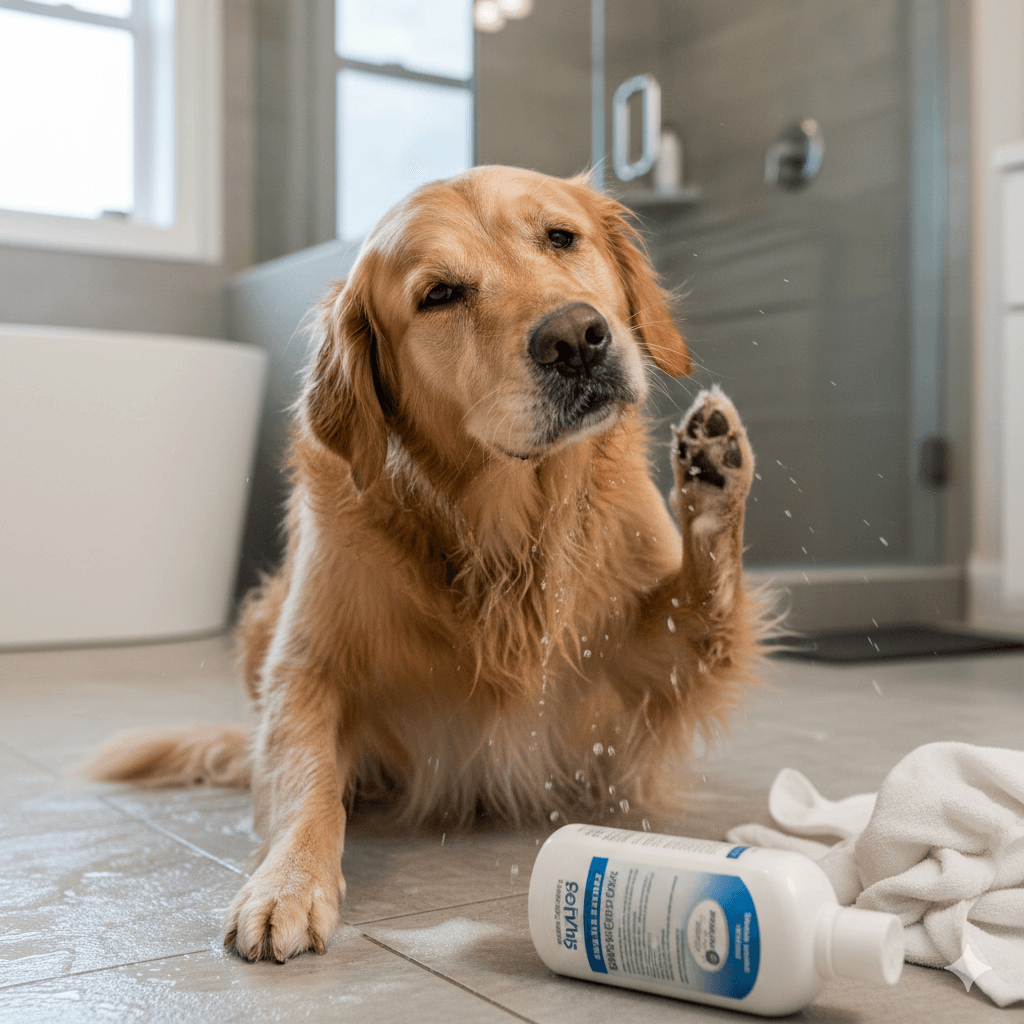

Dog Allergic Reaction to Shampoo: Best 7 Expert Tips!

Dog Allergic Reaction to Shampoo: Best 7 Expert Tips!

Understanding Dog Allergic Reaction to Shampoo: Best 7 Expert Tips!

If your dog starts scratching, shaking, or developing red, irritated skin after a bath, they may be having an allergic reaction to their shampoo. While grooming is essential for hygiene and coat health, not all products are safe for every dog—especially those with sensitive skin or underlying allergies. Recognizing the signs early can prevent discomfort, secondary infections, and long-term skin damage. With the right knowledge and gentle care, you can keep your pup clean without compromising their well-being. Always remember: what works for one dog might harm another, so ingredient awareness is key.

Common Signs of a Shampoo Allergy in Dogs

Allergic reactions to dog shampoo typically appear within minutes to hours after bathing and affect the skin, ears, or eyes. Unlike simple dryness, an allergy involves the immune system overreacting to certain ingredients. Watch for these telltale symptoms during and after grooming:

 
  • Intense Itching or Scratching:
    Your dog may frantically scratch, lick, or rub against furniture—especially around the neck, back, or belly where shampoo residue lingers.
     
  • Red, Inflamed Skin:
    Patches of pink or raw-looking skin, often accompanied by warmth to the touch, signal irritation or allergic contact dermatitis.
     
  • Hives or Raised Bumps:
    Small, itchy welts may appear across the body, resembling mosquito bites but spreading rapidly after exposure.
     
  • Hair Loss or Flaking:
    Persistent reactions can lead to brittle fur, patchy shedding, or excessive dandruff as the skin barrier breaks down.
     
  • Ear or Eye Irritation:
    Watery eyes, squinting, or head-shaking may occur if shampoo splashes near sensitive areas, even with careful rinsing.
 

Most mild reactions subside within 24–48 hours once the irritant is fully rinsed away—but severe or recurring cases need veterinary evaluation.

Dog Allergic Reaction to Shampoo: Best 7 Expert Tips!

Hidden Culprits: Shampoo Ingredients That Trigger Reactions

Not all “dog shampoos” are created equal. Many contain harsh chemicals, artificial fragrances, or preservatives that overwhelm sensitive immune systems. Knowing which ingredients to avoid can help you choose safer products:

 
  • Artificial Fragrances and Dyes:
    Synthetic scents and colors are among the top allergens, added for human appeal but unnecessary—and risky—for dogs.
     
  • Sulfates (e.g., SLS, SLES):
    These foaming agents strip natural oils, leading to dryness and increased skin permeability to allergens.
     
  • Parabens and Formaldehyde Releasers:
    Used as preservatives, they can cause delayed hypersensitivity reactions, especially with repeated use.
     
  • Essential Oils (e.g., tea tree, citrus, peppermint):
    Despite being “natural,” many essential oils are toxic or highly irritating to dogs—even in diluted forms.
     
  • Oatmeal Overload:
    While colloidal oatmeal soothes many dogs, some are actually allergic to oats—leading to worsened itching after “soothing” baths.
 

Always read labels carefully; “natural” or “organic” doesn’t guarantee safety. When in doubt, opt for veterinary-formulated or hypoallergenic shampoos.

Safe Grooming Practices
High-Risk Ingredients to Avoid
Use fragrance-free, hypoallergenic shampoos
Artificial fragrances and perfumes
Rinse thoroughly for at least 2–3 minutes
Sulfates (SLS, SLES)
Patch-test new products on a small area first
Parabens and formaldehyde donors
Bathe only when necessary (every 4–8 weeks)
Essential oils like tea tree or eucalyptus
Choose shampoos with ceramides or aloe vera
Dyes (e.g., Blue 1, Red 40)

Immediate Steps to Take After a Reaction

If you notice signs of an allergic reaction post-bath, act quickly to minimize discomfort and prevent escalation. Calm, prompt care can make a significant difference in your dog’s recovery:

 
  • Rinse Thoroughly with Lukewarm Water:
    Remove all shampoo residue by rinsing for several minutes, even if you already did so during the bath.
     
  • Apply a Soothing Cool Compress:
    Use a clean, damp cloth to gently cool inflamed areas—avoid ice or cold packs directly on the skin.
     
  • Prevent Excessive Scratching:
    Use an Elizabethan collar or dog-safe anti-itch spray to stop self-trauma that could lead to infection.
     
  • Contact Your Veterinarian:
    Even mild reactions warrant a call—your vet may recommend antihistamines or medicated rinses.
     
  • Document the Product Used:
    Note the brand, ingredients, and batch number to avoid it in the future and report severe reactions to the manufacturer.
 

Early intervention often prevents minor irritation from turning into a full-blown dermatological crisis.

Choosing the Right Shampoo for Sensitive or Allergic Dogs

Selecting a safe shampoo isn’t just about avoiding bad ingredients—it’s about supporting your dog’s natural skin barrier. Look for products designed specifically for reactive or allergy-prone dogs:

 
  • Hypoallergenic Veterinary Formulas:
    Brands like Douxo, Virbac, or Dechra offer shampoos tested for sensitive skin and free of common allergens.
     
  • pH-Balanced for Dogs:
    Canine skin has a higher pH (6.2–7.4) than human skin—using human or “neutral” shampoos disrupts this balance.
     
  • Minimal Ingredient Lists:
    Fewer ingredients mean fewer risks; ideal formulas contain 10 or fewer components, all clearly listed.
     
  • Added Skin-Supporting Nutrients:
    Look for ceramides, phytosphingosine, or omega fatty acids that help repair and protect the skin barrier.
     
  • Certifications or Veterinary Endorsement:
    Products labeled “for allergic dogs” or recommended by dermatologists carry more trust than marketing claims alone.
 

When in doubt, ask your vet for a tailored recommendation—they may even carry medical-grade shampoos in-clinic.

Long-Term Skin Health and Allergy Management

A single shampoo reaction might be a fluke—but recurring issues often point to underlying allergies like atopic dermatitis or food sensitivities. Holistic skin care goes beyond the bath:

 
  • Regular Allergy Testing:
    Intradermal or blood tests can identify environmental triggers (pollen, dust mites) that compound shampoo sensitivity.
     
  • Omega-3 Fatty Acid Supplementation:
    Fish oil or algae-based supplements reduce inflammation and strengthen the skin’s natural defenses over time.
     
  • Consistent Grooming Routine:
    Brushing 2–3 times weekly removes allergens from the coat before they irritate the skin, reducing bath frequency.
     
  • Avoid Over-Bathing:
    Bathing more than once every 3–4 weeks can strip protective oils—stick to spot-cleaning between full baths.
     
  • Year-Round Skin Monitoring:
    Keep a journal of flare-ups, products used, and seasonal patterns to identify hidden triggers with your vet.
 

Healthy skin is resilient skin—and resilience starts with prevention, not just treatment.

Special Considerations for Puppies, Seniors, and At-Risk Breeds

Some dogs are inherently more vulnerable to shampoo reactions due to age, breed, or health status. Extra caution is needed to protect their delicate skin:

 
  • Puppies Under 12 Weeks:
    Their skin barrier isn’t fully developed; use only warm water or vet-approved gentle wipes until older.
     
  • Brachycephalic or Wrinkle-Prone Breeds:
    Bulldogs, Shar-Peis, or Pugs trap shampoo in skin folds—rinse meticulously and dry completely to avoid hot spots.
     
  • Senior Dogs:
    Thinner skin and reduced oil production make older dogs more prone to irritation—opt for ultra-moisturizing formulas.
     
  • Breeds with Known Allergies:
    Westies, French Bulldogs, and Cocker Spaniels often have atopic dermatitis—avoid any non-essential topical products.
     
  • Dogs with Autoimmune Skin Conditions:
    Conditions like pemphigus require medicated shampoos only—never experiment with over-the-counter products.
 

For these groups, “gentle” isn’t enough—precision and veterinary guidance are non-negotiable.


What to Expect During a Veterinary Dermatology Visit

If shampoo reactions persist or worsen, your vet may refer you to a veterinary dermatologist for advanced care. Here’s what the process typically involves:

 
  • Detailed History Review:
    The vet will ask about shampoo brands, frequency, diet, environment, and symptom timelines to identify patterns.
     
  • Skin Scraping or Cytology:
    To rule out infections (yeast, bacteria) that mimic or complicate allergic reactions.
     
  • Patch Testing (Rare but Possible):
    In severe cases, small amounts of suspected allergens are applied to the skin to observe reactions.
     
  • Prescription Topicals or Meds:
    Medicated shampoos, sprays, or short-term steroids may be prescribed to calm inflammation and heal the skin.
     
  • Custom Grooming Protocol:
    You’ll receive a written plan for safe bathing, including product recommendations and frequency limits.
 

A dermatology visit isn’t just diagnostic—it’s a roadmap to long-term skin peace for your allergic dog.

Frequently Asked Questions About Dog Allergic Reaction to Shampoo

Can I use baby shampoo on my dog if they’re allergic?

No—baby shampoo is pH-balanced for human skin and can still irritate or dry out your dog’s coat and skin.

Most occur within 30 minutes to 6 hours, though delayed reactions (up to 48 hours) can happen with certain preservatives.

Not always—some dogs are allergic to oats. If itching worsens after an oatmeal bath, discontinue use immediately.

Homemade recipes often lack proper pH balance and preservatives, increasing infection and irritation risk—veterinary formulas are safer.

No—just switch to a vet-recommended hypoallergenic shampoo and reduce frequency. Clean skin is essential for allergy management.

Gentle Care for a Happy, Healthy Coat

Your dog’s skin is their largest organ—and their first line of defense against the world. A shampoo allergy isn’t just a minor inconvenience; it’s a signal that their protective barrier needs support. By choosing products wisely, responding quickly to reactions, and partnering with your veterinarian, you can keep your dog clean, comfortable, and itch-free. Remember, every bath should be an act of care, not a source of stress. With patience and the right approach, even the most sensitive dog can enjoy a refreshing, safe grooming experience—and you’ll both feel the difference in their wagging tail and healthy shine.

Newfoundland Dog Personality: Best 7 Expert Tips!

Newfoundland Dog Personality: Best 7 Expert Tips! – Discover the gentle, loyal, and protective nature of this giant breed perfect for families.

Can Hot Pavement Burn Your Cats Paws? Best 7 Expert Tips!

Can Hot Pavement Burn Your Cats Paws? Best 7 Expert Tips! – Learn how to protect your cat’s paws from hot surfaces and prevent painful burns this summer.

Can Hot Pavement Burn Your Dogs Paws? Best 7 Expert Tips!

Can Hot Pavement Burn Your Dogs Paws? Best 7 Expert Tips! – Learn how to protect your dog’s paws from hot surfaces and ensure safe summer walks.

Irish Wolfhound Size: Best 7 Expert Tips!

Irish Wolfhound Size: Best 7 Expert Tips! – Discover the ideal height, weight, and care tips for this majestic giant breed. Learn how to manage their impressive stature responsibly.

Leave a Reply

Your email address will not be published. Required fields are marked *


