
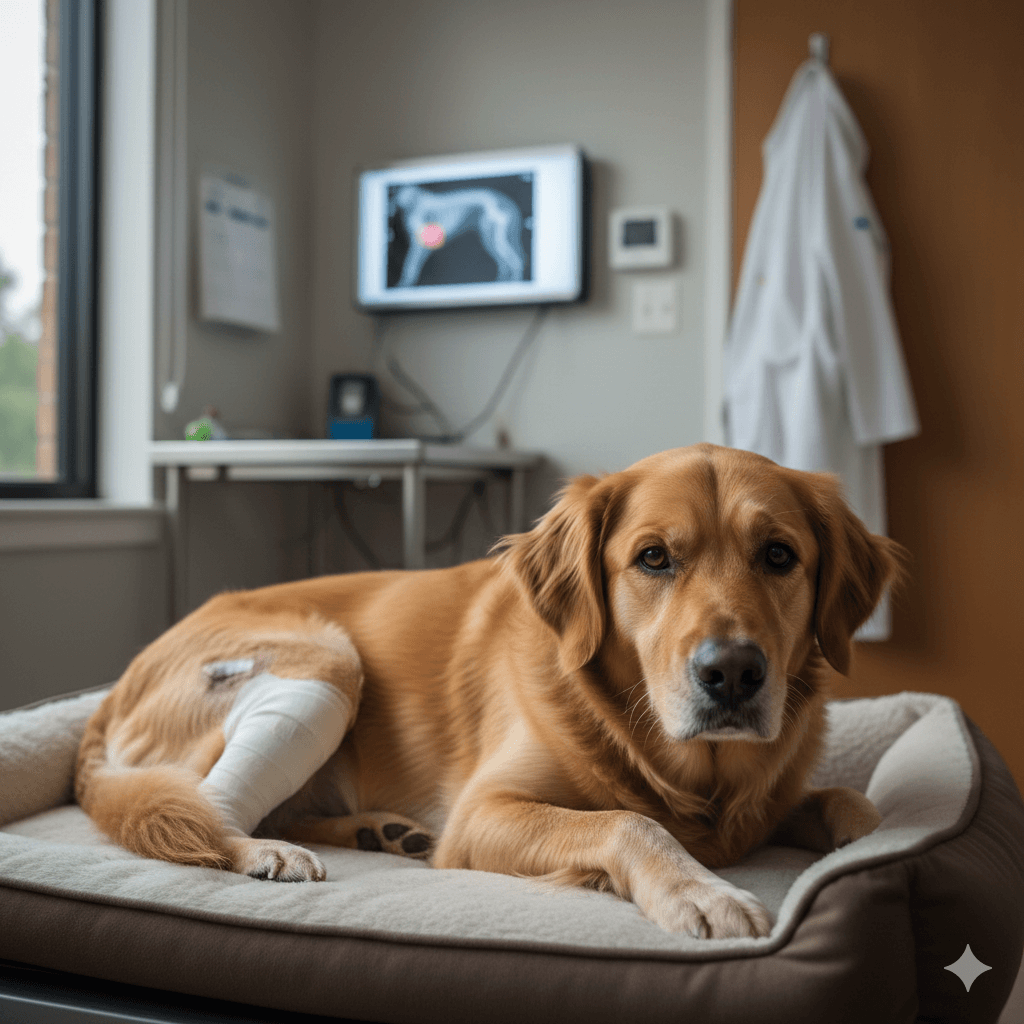

Dog Hip Cancer: Best 7 Expert Tips!

Dog Hip Cancer: Best 7 Expert Tips!

Understanding Dog Hip Cancer: Best 7 Expert Tips!

If your dog is limping, showing stiffness in the hind legs, or struggling to rise after rest, hip cancer could be a hidden cause. While less common than osteoarthritis, bone cancers like osteosarcoma often target large joints—including the hip—in aging or large-breed dogs. Early detection dramatically impacts outcomes, yet symptoms are easily mistaken for simple joint pain. Recognizing subtle behavioral and physical changes gives your dog the best fighting chance. With expert guidance, you can navigate diagnosis, treatment, and compassionate care during this challenging time.

Early Warning Signs of Hip Cancer in Dogs

Hip cancer doesn’t always announce itself with dramatic pain—early signs can be mistaken for aging or mild arthritis. However, a pattern of progressive, one-sided lameness or unexplained discomfort should raise concern. Watch for these key indicators that something deeper may be at play:

 
  • Persistent Hind-Limb Lameness:
    Your dog may favor one back leg consistently, even after rest or anti-inflammatory medication.
     
  • Swelling Near the Hip Joint:
    Visible or palpable enlargement around the hip or upper thigh can signal tumor growth beneath the skin.
     
  • Reluctance to Jump or Climb Stairs:
    Activities once taken for granted—like leaping onto the couch or navigating steps—may suddenly become avoided.
     
  • Noticeable Muscle Wasting:
    The thigh muscle on the affected side may shrink over weeks due to disuse and nerve involvement.
     
  • Unexplained Whining or Aggression When Touched:
    Pain may cause your dog to flinch, growl, or snap when you gently handle their hip or lower back area.
 

Though these signs may seem like typical joint issues, their persistence and asymmetry often point toward something more serious like cancer.

Dog Hip Cancer: Best 7 Expert Tips!

Common Types of Hip-Related Cancers

Not all hip tumors are the same—some originate in the bone itself, while others spread from distant organs. Knowing the likely types helps frame prognosis and treatment options:

 
  • Osteosarcoma:
    The most common primary bone cancer in dogs, highly aggressive and often starting in the proximal femur near the hip socket.
     
  • Chondrosarcoma:
    A slower-growing cartilage-based tumor that may arise in pelvic bones and cause local destruction.
     
  • Fibrosarcoma:
    Develops in connective tissue around the hip joint and can infiltrate muscle and bone over time.
     
  • Metastatic Carcinoma:
    Cancers from the prostate, mammary glands, or lungs can spread (metastasize) to the hip bones, especially in older dogs.
     
  • Hemangiosarcoma:
    Though typically associated with the spleen or heart, this blood-vessel cancer can occasionally seed bone, including the pelvis.
 

Accurate diagnosis through imaging and biopsy is essential—each type responds differently to therapy and carries unique survival expectations.

Behavioral Red Flags
Physical Changes to Monitor
Sudden aversion to walks
Asymmetrical hip or thigh swelling
Restlessness at night
Loss of muscle mass on one side
Decreased tail wagging
Warmth over the hip area
Hesitation to sit squarely
Altered gait or “bunny-hopping”
Reduced interaction or play
Visible limping that worsens daily

Diagnostic Steps Your Veterinarian Will Take

If hip cancer is suspected, your vet will pursue a clear diagnostic path to confirm the cause and stage the disease. This process balances urgency with thoroughness to guide humane decisions:

 
  • Orthopedic and Neurologic Exam:
    Rules out spinal issues (like IVDD) and isolates whether pain originates in the hip joint, bone, or nerves.
     
  • X-Rays of the Pelvis and Femur:
    Often the first imaging step; bone cancers typically show “moth-eaten” destruction or abnormal bone formation.
     
  • Advanced Imaging (CT or MRI):
    Provides 3D detail of tumor size, spread into soft tissue, and involvement of nearby structures like the sciatic nerve.
     
  • Biopsy for Histopathology:
    A small tissue sample confirms cancer type and guides chemotherapy or radiation planning.
     
  • Chest and Abdominal Screening:
    Since osteosarcoma often spreads to the lungs, X-rays or ultrasound check for metastasis before treatment begins.
 

A definitive diagnosis not only identifies the enemy but also helps your team create a realistic, compassionate care roadmap.

Treatment Options and Realistic Outcomes

While a hip cancer diagnosis feels devastating, several interventions can extend quality life—even if a cure isn’t possible. Goals focus on pain control, mobility, and dignity:

 
  • Amputation with Limb-Sparing Surgery:
    In select cases where the tumor is localized, removing the affected femoral head or entire limb may be curative.
     
  • Radiation Therapy:
    Palliative radiation can significantly reduce pain and slow tumor growth, often improving mobility within days.
     
  • Chemotherapy Protocols:
    Especially for osteosarcoma, drugs like carboplatin help delay metastasis and extend survival time when combined with surgery.
     
  • Pain Management Strategies:
    Multimodal plans often include NSAIDs, gabapentin, amantadine, and adjuncts like CBD or acupuncture.
     
  • Supportive Mobility Aids:
    Harnesses, slings, or wheelchairs maintain independence and prevent secondary injuries during recovery or progression.
 

Though outcomes vary, many dogs enjoy months to over a year of good-quality life with modern integrative approaches.


Preventive Measures and Risk Awareness

True prevention of primary bone cancer isn’t possible—but understanding risk factors helps with early surveillance and informed decisions:

 
  • Breed Predispositions:
    Large and giant breeds (Great Danes, Rottweilers, Irish Wolfhounds) face significantly higher osteosarcoma rates.
     
  • Age Monitoring:
    Most hip bone cancers occur in dogs over 7 years; senior wellness exams should include gait and orthopedic checks.
     
  • Neutering Timing Considerations:
    Some studies suggest early neutering in large breeds may increase bone cancer risk—discuss timing with your vet.
     
  • Trauma History Awareness:
    Chronic inflammation from old fractures or hip dysplasia may rarely create a microenvironment for tumor development.
     
  • Rapid Response to Lameness:
    Never dismiss persistent limping as “just arthritis”—early imaging saves precious time if cancer is involved.
 

Vigilance, not fear, is your ally—regular observation turns uncertainty into actionable insight.

Special Considerations for Large Breeds and Seniors

Hip cancer disproportionately affects older, large-breed dogs, whose size and age complicate both diagnosis and treatment. Their unique physiology demands tailored care:

 
  • Higher Tumor Aggressiveness:
    Osteosarcoma in giant breeds often grows faster and metastasizes earlier than in smaller dogs.
     
  • Anesthetic Risk During Surgery:
    Cardiac screening is essential before major procedures due to breed-linked heart conditions like DCM.
     
  • Mobility Challenges Post-Amputation:
    Three-legged mobility is harder for 100+ lb dogs; physical therapy and home modifications become critical.
     
  • Pain Masking Behavior:
    Many stoic breeds (e.g., Dobermans, Mastiffs) hide discomfort until it’s severe—watch for subtle cues like pacing or panting.
     
  • Quality-of-Life Assessments:
    Tools like the “HHHHHMM” scale help owners objectively weigh treatment benefits against daily suffering.
 

For these dogs, compassion means balancing medical intervention with realistic comfort goals.


What to Expect During Palliative or Hospice Care

When curative treatment isn’t chosen or no longer effective, palliative care focuses entirely on comfort, dignity, and emotional bonding. This phase is deeply personal but medically supported:

 
  • Customized Pain Regimens:
    Vets often combine oral meds with transdermal patches or injectables for around-the-clock relief.
     
  • Home Environment Adjustments:
    Rugs for traction, orthopedic beds, and ramps reduce strain and prevent falls as weakness progresses.
     
  • Nutritional Support:
    Appetite stimulants or soft, high-calorie foods maintain strength when nausea or jaw pain interferes with eating.
     
  • Emotional Comfort for You and Your Dog:
    Many dogs sense your grief—maintaining calm routines provides security until the very end.
     
  • Euthanasia Planning with Dignity:
    Discuss timing, in-home options, and aftercare early to reduce crisis decisions during emotional overwhelm.
 

Hospice isn’t giving up—it’s choosing love over suffering, with professional support every step of the way.

“Osteosarcoma accounts for at least 85% of bone cancers in dogs seen by veterinarians, and it’s most commonly seen in the appendicular skeleton—the long limb bones including the hips—where the growing tumor damages normal bone and can rapidly metastasize to the lungs.” Dr. Cheryl London, DVM, PhD, ACVIM

Frequently Asked Questions About Dog Hip Cancer

Is hip cancer in dogs always fatal?

While often serious, outcomes vary—some dogs live over a year with surgery and chemo, especially if caught early with no metastasis.

No—hip dysplasia is developmental, not cancerous—but chronic inflammation may rarely create conditions where tumors arise.

No, most limping stems from arthritis, ligament tears, or injury—but persistent, worsening lameness needs X-rays to rule out tumors.

These may support comfort and reduce inflammation but should never replace diagnostics or proven cancer therapies.

Osteosarcoma can metastasize to lungs within weeks to months—hence the urgency of chest X-rays at diagnosis.

Loving Your Dog Through a Hip Cancer Diagnosis

A diagnosis of hip cancer shakes even the most prepared pet parent—but your love remains your dog’s greatest medicine. From the first limp to the final quiet moment, your steady presence offers comfort that no treatment can replicate. While the journey may be shorter than you hoped, it can still be filled with gentle walks, soft naps, and the quiet joy of being together. Trust your instincts, lean on your veterinary team, and honor your dog’s spirit by prioritizing peace over prolongation. In the end, what matters most isn’t how long they lived with cancer—but how deeply they felt loved through it.

Is Rawhide Bad for Cats? Best 7 Expert Tips!

Is Rawhide Bad for Cats? Best 7 Expert Tips! – Discover the risks, safe alternatives, and expert advice to keep your feline friend healthy and happy.

Is Rawhide Bad for Dogs? Best 7 Expert Tips!

Is Rawhide Bad for Dogs? Best 7 Expert Tips! – Discover the risks, benefits, and safer alternatives to rawhides for your dog’s chewing needs.

Understanding Anorexia in Cats: Best 7 Expert Tips!

Understanding Anorexia in Cats: Best 7 Expert Tips! – Learn why cats stop eating, spot warning signs, and discover how to help your feline regain appetite safely.

Understanding Anorexia in Dogs: Best 7 Expert Tips!

Understanding Anorexia in Dogs: Best 7 Expert Tips! – Learn causes, symptoms, and solutions to help your dog regain appetite and stay healthy.

Leave a Reply

Your email address will not be published. Required fields are marked *