
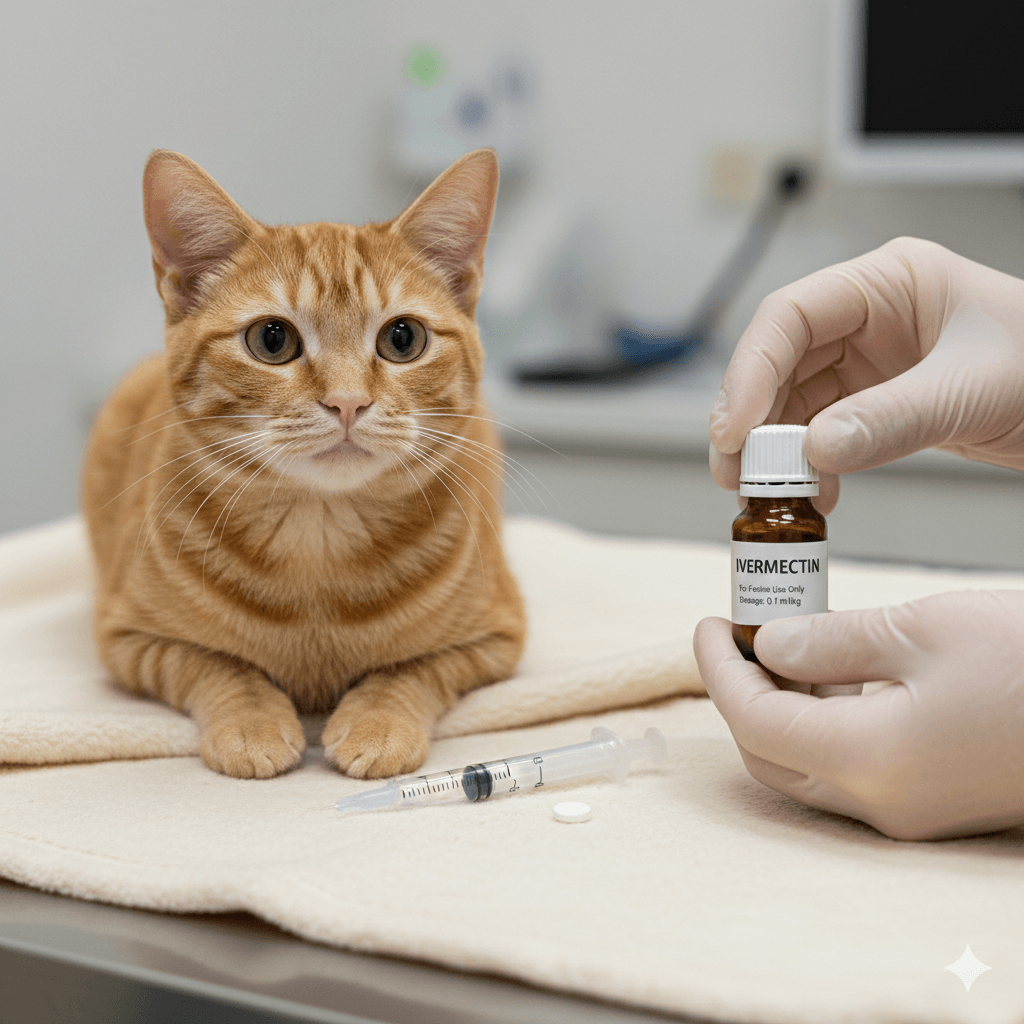

Ivermectin Dosage for Cats: Best 7 Expert Tips!

Ivermectin Dosage for Cats: Best 7 Expert Tips!

Understanding Ivermectin Dosage for Cats: Best 7 Expert Tips!

Ivermectin is a powerful antiparasitic medication used in feline care—but it must be dosed with extreme precision. While effective against ear mites, mange, and certain internal parasites, cats are highly sensitive to this drug, and incorrect use can lead to severe toxicity. Knowing the correct dosage, administration method, and safety precautions is essential for any cat owner or caregiver. With veterinary guidance, ivermectin can be a safe tool—but never a DIY treatment. Understanding its proper use protects your cat’s nervous system and overall health.

Approved Uses of Ivermectin in Feline Medicine

Veterinarians may prescribe ivermectin for specific parasitic conditions in cats, always based on weight, age, and health status. Off-label use is common but must be supervised by a professional to minimize risk. These are the primary scenarios where ivermectin may be considered safe and effective:

 
  • Ear Mite Infestations (Otodectes cynotis):
    Ivermectin is often used topically or injectably to eliminate stubborn ear mites, especially when other treatments fail.
     
  • Notoedric Mange (Feline Scabies):
    This severe skin condition caused by mites responds well to carefully calculated ivermectin doses under veterinary oversight.
     
  • Cutaneous Larva Migrans:
    In cases of skin penetration by hookworm larvae, ivermectin may be used as part of a broader treatment plan.
     
  • Prevention of Heartworm in High-Risk Cats:
    Though not FDA-approved for this in cats, some vets use low-dose ivermectin off-label in endemic areas—controversial and rare.
     
  • Treatment of Demodectic Mange (Rare in Cats):
    Only in confirmed, generalized cases, and always with extreme caution due to potential neurotoxicity.
 

Ivermectin should never be used without a confirmed diagnosis and precise veterinary dosing—its narrow safety margin in cats demands respect.

Ivermectin Dosage for Cats: Best 7 Expert Tips!

Critical Safety Considerations Before Administration

Because cats lack certain liver enzymes to metabolize ivermectin efficiently, even small overdoses can cause neurotoxicity. Safety isn’t optional—it’s non-negotiable. Always address these factors before any treatment begins:

 
  • Breed Sensitivity:
    While the MDR1 gene mutation is well-known in dogs (e.g., Collies), some cats—especially certain purebreds—may also show heightened sensitivity.
     
  • Age and Weight Accuracy:
    Kittens under 6 weeks or under 2 pounds are at extreme risk; accurate weight is essential for microgram-level dosing.
     
  • Health Status Evaluation:
    Cats with liver disease, neurological conditions, or compromised immune systems should generally avoid ivermectin.
     
  • Drug Interactions:
    Concurrent use of spinosad, certain antifungals, or sedatives can increase ivermectin absorption and toxicity risk.
     
  • Formulation Matters:
    Never use livestock or equine ivermectin—these concentrations are dangerously high and not calibrated for feline physiology.
 

When in doubt, choose safer alternatives like selamectin (Revolution) or fluralaner (Bravecto Topical), which are FDA-approved for cats.

Safe Usage Guidelines
High-Risk Scenarios to Avoid
Use only under direct veterinary supervision
Administering without confirmed diagnosis
Prefer topical or injectable veterinary formulations
Using cattle, sheep, or horse paste/solutions
Confirm exact weight before dosing
Guessing dosage based on “similar-sized” pets
Monitor for 24–48 hours post-treatment
Combining with other neuroactive medications
Keep emergency vet contact handy
Using in kittens under 6 weeks old

Recognizing Signs of Ivermectin Toxicity

Toxicity can develop within hours and is a medical emergency. Early recognition dramatically improves survival chances. Symptoms progress from mild to life-threatening as the drug affects the central nervous system:

 
  • Lethargy and Weakness:
    Your cat may seem unusually tired, unresponsive, or unable to jump or climb as usual.
     
  • Drooling or Vomiting:
    Excessive salivation or nausea can be early neurological indicators, not just gastrointestinal upset.
     
  • Dilated Pupils and Blindness:
    Temporary vision loss or fixed, dilated pupils suggest central nervous system involvement.
     
  • Tremors, Seizures, or Ataxia:
    Loss of coordination, stumbling, muscle twitching, or full seizures require immediate intervention.
     
  • Coma or Respiratory Depression:
    In severe cases, cats may become unresponsive or struggle to breathe—this is life-threatening.
 

If you suspect overdose, seek emergency veterinary care immediately—there is no home antidote, and supportive treatment is time-critical.

Correct Dosage Protocols by Condition

There is no universal “safe” dose—ivermectin must be tailored to the condition, route, and individual cat. Below are general veterinary ranges, never for self-administration:

 
  • Ear Mites (Topical):
    0.01% solution: 0.1 mL applied directly into each ear once, or as directed.
     
  • Ear Mites (Injectable):
    0.2–0.4 mg/kg subcutaneously, repeated in 2–4 weeks if needed.
     
  • Notoedric Mange (Injectable):
    0.2–0.4 mg/kg SC, repeated every 10–14 days for 2–3 treatments.
     
  • Oral Use (Rare):
    Extremely uncommon in cats; if used, typically ≤ 0.1 mg/kg—only in research or extreme cases.
     
  • Heartworm Prevention (Off-Label):
    Not recommended; safer alternatives exist. If used, doses are microgram-level and strictly vet-calculated.
 

All these protocols assume a healthy adult cat—any deviation requires re-evaluation by a veterinarian.

Safer Alternatives to Ivermectin for Cats

Given the risks, many veterinarians now prefer FDA-approved, cat-specific parasiticides that offer high efficacy with minimal side effects. These options reduce anxiety for both pet and owner:

 
  • Selamectin (Revolution):
    Topical monthly treatment effective against ear mites, fleas, and heartworm—approved and safe for kittens over 8 weeks.
     
  • Fluralaner (Bravecto Topical):
    Single application lasts 12 weeks and treats ear mites and fleas with excellent safety data in cats.
     
  • Moxidectin (Advantage Multi):
    Combines with imidacloprid to treat ear mites and prevent heartworm—widely used and well-tolerated.
     
  • Lime Sulfur Dips:
    For mange or mites, these non-systemic topical treatments are safe, though messy and odor-intensive.
     
  • Afoxolaner + Milbemycin (NexGard Combo):
    A newer topical option effective against ear mites and intestinal parasites with strong safety margins.
 

Discuss these with your vet—they often provide equal or better results without ivermectin’s risks.

Special Considerations for Kittens, Seniors, and Sick Cats

Vulnerable cats require extra caution. Their reduced metabolic capacity makes even “standard” doses potentially dangerous. Always prioritize gentler approaches for these groups:

 
  • Kittens Under 8 Weeks:
    Avoid ivermectin entirely; use manual ear cleaning and safer topicals like mineral oil or vet-approved miticides.
     
  • Senior Cats (10+ Years):
    Age-related liver or kidney decline increases toxicity risk—opt for topical alternatives with minimal systemic absorption.
     
  • Cats with Neurological Disorders:
    Even trace amounts of ivermectin can exacerbate conditions like seizures or vestibular disease.
     
  • FIV/FeLV-Positive Cats:
    Immune compromise doesn’t directly affect ivermectin metabolism, but overall fragility warrants conservative treatment.
     
  • Outdoor or Feral Cats:
    If treating in trap-neuter-return programs, use single-dose, long-acting topicals instead of injectable ivermectin.
 

When dealing with at-risk cats, “better safe than sorry” is the only acceptable philosophy.

What to Do If Accidental Exposure Occurs

If your cat licks dog ivermectin or is given an incorrect dose, act fast. Time is the most critical factor in managing toxicity:

 
  • Contact Your Vet or Poison Control Immediately:
    Call the ASPCA Animal Poison Control Center (888-426-4435) or your emergency clinic—don’t wait for symptoms.
     
  • Do Not Induce Vomiting Without Guidance:
    Cats can aspirate easily; only induce vomiting if explicitly instructed by a professional.
     
  • Bathing May Help (If Topical Exposure):
    If ivermectin was applied topically by mistake, wash thoroughly with mild dish soap to reduce absorption.
     
  • Supportive Care is Key:
    Treatment includes IV fluids, anti-seizure meds, and prolonged hospitalization—recovery can take days to weeks.
     
  • Prognosis Depends on Speed of Intervention:
    With rapid care, many cats recover fully; delays can lead to permanent damage or death.
 

Prevention is always better—store all medications securely and never share pet treatments across species.

Frequently Asked Questions About Ivermectin Dosage for Cats

Is ivermectin safe for cats?

It can be safe only when prescribed by a vet, dosed precisely, and used for approved indications—but safer alternatives usually exist.


Absolutely not. Dog formulations are 10–100x more concentrated and frequently fatal to cats.

Toxicity can occur at doses as low as 0.5 mg/kg; lethal doses may start around 2–3 mg/kg, but individual sensitivity varies widely.

Effects can last 2–3 days, but neurological damage may persist longer if toxicity occurs.

No FDA-approved OTC ivermectin products exist for cats—any such use is off-label and high-risk.

Protecting Your Cat with Knowledge and Caution

Ivermectin can be a valuable tool in veterinary medicine—but in cats, it walks a razor-thin line between treatment and toxicity. The best “expert tip” isn’t about dosing—it’s about restraint. Choose safer, cat-specific medications whenever possible, and never deviate from veterinary instructions. Your vigilance, proper storage of medications, and willingness to ask questions can prevent a life-threatening mistake. Above all, remember that your cat’s trust is in your hands: when it comes to powerful drugs like ivermectin, caution isn’t just wise—it’s a promise of care.

Cat Wheat Allergies: Best 7 Expert Tips!

Cat Wheat Allergies: Best 7 Expert Tips! – Discover symptoms, dietary solutions, and prevention strategies to manage your cat’s wheat allergy effectively.

Wheat Allergies in Dogs: Best 7 Expert Tips!

Wheat Allergies in Dogs: Best 7 Expert Tips! – Learn to spot symptoms, manage diets, and improve your dog’s health with expert advice on wheat allergies.

How Much Does a Mastiff Dog Weigh? Best 7 Expert Tips!

How Much Does a Mastiff Dog Weigh? Best 7 Expert Tips! – Discover the ideal weight range, growth patterns, and health tips to keep your Mastiff happy and strong.

Amino Acids for Cats: Best 7 Expert Tips!

Amino Acids for Cats: Best 7 Expert Tips! – Discover the essential amino acids your cat needs, their benefits, and how to ensure a balanced diet for optimal health.

Leave a Reply

Your email address will not be published. Required fields are marked *

Post Category


