
Is Hydrogen Peroxide Safe for Cats? Best 7 Expert Tips!
If you’ve ever reached for hydrogen peroxide to clean a wound or induce vomiting, you might wonder if it’s safe for your feline friend. The truth is, what works for humans—or even dogs—can be dangerous for cats. Their unique physiology makes them highly sensitive to many common household substances, including hydrogen peroxide. While it may seem like a quick fix, using it on or around your cat could lead to serious health complications. Understanding when, why, and whether it’s ever appropriate is essential for every responsible cat owner.
Common Misconceptions About Hydrogen Peroxide and Cats
Many pet owners assume that because hydrogen peroxide is sold over the counter and used for minor first aid, it must be safe for all animals. This misconception can lead to well-intentioned but risky actions. Veterinarians consistently warn against casual use due to cats’ heightened vulnerability. Below are frequent beliefs that need clarification to protect your cat’s health:
- It’s Safe for Cleaning Minor Wounds:
Hydrogen peroxide can damage delicate feline tissue, delay healing, and cause irritation or chemical burns on sensitive skin. - It’s a Reliable Way to Induce Vomiting:
Unlike in dogs, hydrogen peroxide is not recommended for cats—it can cause severe esophageal inflammation, ulcers, or even fatal aspiration pneumonia. - Diluted Solutions Are Harmless:
Even diluted concentrations (like 3%) can trigger gastrointestinal bleeding, vomiting, or oxygen gas embolisms in the bloodstream. - It’s Effective for Ear Cleaning:
Cats’ ears are extremely delicate; hydrogen peroxide can disrupt natural flora, cause pain, and worsen infections rather than help. - Small Amounts Won’t Cause Harm:
Cats groom meticulously—if any residue remains on fur, they’ll ingest it, potentially leading to internal injury even from tiny exposures.
Because of these risks, veterinary professionals strongly advise against using hydrogen peroxide on or near cats—no matter how minor the concern may seem.
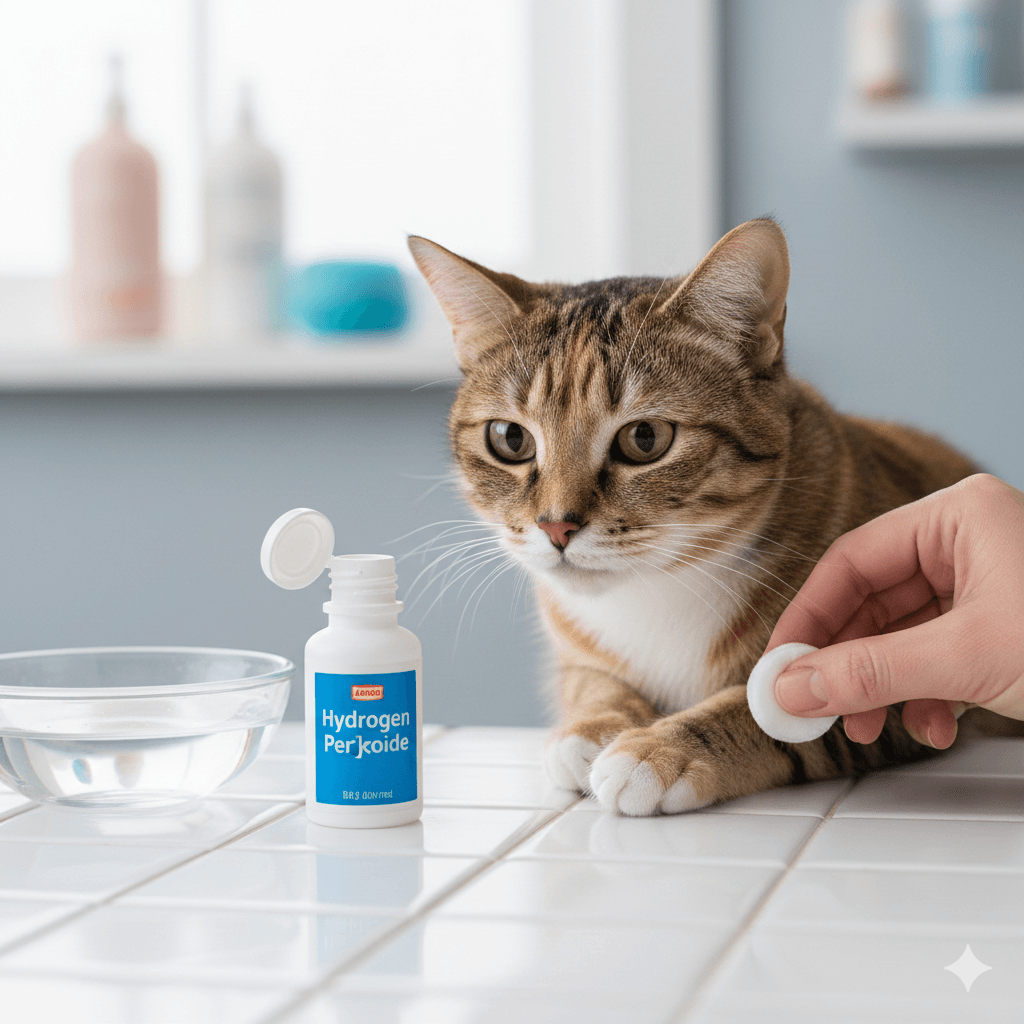
When People Might Consider Using It (And Why They Shouldn’t)
Hydrogen peroxide often appears in home remedy guides for pets, leading well-meaning owners to use it in emergency or hygiene situations. However, safer and more effective alternatives exist for every scenario. Understanding these common use cases reveals why feline-specific approaches are crucial:
- After a Cat Ingests a Toxin:
Many try to induce vomiting at home, but this can worsen damage; immediate vet care with safe emetics like apomorphine is far safer. - Cleaning a Superficial Cut or Scratch:
Mild soap and warm water, or vet-approved antiseptics like chlorhexidine (diluted properly), are much gentler and more effective. - Removing Stains or Odors from Fur:
Hydrogen peroxide can bleach fur and irritate skin; enzymatic cleaners or pet-safe shampoos are better for odor and stain control. - Treating Skin Infections or Hot Spots:
Self-treatment with peroxide can mask underlying issues; these conditions require diagnosis and prescription care from a veterinarian. - Disinfecting Litter Boxes or Surfaces:
While safe for surfaces when rinsed thoroughly, never spray near your cat—residue or fumes can be inhaled or licked during grooming.
In every case, the perceived convenience of hydrogen peroxide is outweighed by the real danger it poses to feline health.
Check this guide 👉Fish Oil Dosage for Cats: Best 7 Expert Tips!
Check this guide 👉Chlorhexidine for Cats: Best 7 Expert Tips!
Check this guide 👉Immune Support for Cats: Best 7 Expert Tips!
Safe Alternatives for Cats | Dangerous Practices to Avoid |
|---|---|
Chlorhexidine (0.05% diluted) for wound cleaning | Using hydrogen peroxide to clean wounds |
Veterinary-induced emesis for toxin ingestion | Giving hydrogen peroxide to make a cat vomit |
Enzymatic pet stain removers | Applying peroxide to fur or skin for stains |
Vet-prescribed ear cleaners | Pouring peroxide into ears for infection |
Mild soap and warm water rinses | Using peroxide as a general disinfectant on cats |
What to Do If Your Cat Is Exposed to Hydrogen Peroxide
Accidental exposure can happen quickly—whether from licking a treated surface or being given peroxide in error. Immediate action can prevent serious consequences. Knowing the right steps may save your cat’s life or reduce suffering significantly:
- Contact Your Vet or Pet Poison Control Immediately:
Time is critical; have the product container ready to share concentration and amount involved. - Do Not Induce Vomiting Again:
If peroxide was already given, vomiting may cause further trauma—let professionals guide next steps. - Rinse Skin or Fur Thoroughly:
Use lukewarm water for at least 15 minutes if peroxide contacted the skin to minimize absorption. - Monitor for Symptoms Like Drooling, Lethargy, or Vomiting:
These may indicate gastrointestinal ulceration or oxygen embolism—both veterinary emergencies. - Bring Your Cat to the Clinic Promptly:
Even if they seem fine, internal damage can be delayed; early intervention improves outcomes dramatically.
Quick, informed responses after exposure are vital—never assume your cat will “just be okay” without evaluation.
Safer Disinfectants and Wound Care Products for Cats
Protecting your cat doesn’t mean sacrificing cleanliness or first-aid readiness. Many cat-safe products perform better than hydrogen peroxide without the risks. Choosing the right tools ensures both hygiene and safety:
- Diluted Chlorhexidine Solution (0.05%):
A vet-recommended antiseptic that’s effective against bacteria without damaging tissue—ideal for minor wounds. - Saline Solution (0.9% Sodium Chloride):
Gentle for flushing eyes, wounds, or nasal passages; non-toxic even if ingested in small amounts. - Veterinary-Formulated Ear Cleaners:
pH-balanced and non-irritating, designed specifically for feline ear anatomy and sensitivity. - Enzyme-Based Surface Cleaners:
Break down organic stains and odors without harsh chemicals, safe around pets when used as directed. - Povidone-Iodine (Very Diluted – “Tea-Colored”):
Can be used sparingly on paws or skin under vet guidance, but never full strength or near mucous membranes.
Always check with your veterinarian before introducing any new product into your cat’s care routine.
Preventing Accidental Exposure in the Home
Prevention is the best protection—keeping hazardous substances out of reach and replacing them with cat-friendly options reduces risks daily. A few simple habits create a safer environment for curious felines:
- Store All Medications and Cleaners Securely:
Use high cabinets with child locks; cats can open drawers and knock over bottles with surprising dexterity. - Never Use Human First-Aid Products on Cats:
Assume all human-grade antiseptics, pain relievers, or cleaners are unsafe unless explicitly approved by your vet. - Label Homemade Mixtures Clearly:
If you dilute anything for pet use, label it plainly to avoid confusion with full-strength products. - Educate All Household Members:
Ensure everyone—from kids to guests—knows not to treat the cat with “home remedies” without your approval. - Keep Emergency Numbers Visible:
Post your vet’s number and the ASPCA Animal Poison Control (888-426-4435) on the fridge or in your phone favorites.
A cat-safe home isn’t about perfection—it’s about consistent, informed choices that prioritize your pet’s unique biology.
Special Warnings for Multi-Pet Households
In homes with both dogs and cats, the risk of accidental hydrogen peroxide use increases—especially if you’ve used it safely for a dog in the past. But what helps a dog can harm a cat, even indirectly. Cross-contamination and mistaken identity are real dangers:
- Shared Treatment Areas Can Cause Exposure:
If you treat a dog with peroxide nearby, residue on floors or surfaces can transfer to a cat’s paws and be licked off. - Using the Same Towels or Brushes:
Traces of peroxide can linger on fabrics; always use separate, labeled supplies for each species. - Assuming All Pets React Similarly:
Dogs metabolize substances differently—never extrapolate dog-safe protocols to cats without vet confirmation. - Storing Pet Supplies Together:
Keep cat and dog first-aid kits separate and clearly marked to avoid confusion during stressful moments. - Delayed Symptoms in Cats:
A cat may not show signs immediately after exposure, while a dog might—leading to false reassurance and delayed care.
In multi-pet homes, vigilance and separation of care products are non-negotiable for feline safety.
When to Seek Veterinary Help After Hydrogen Peroxide Exposure
Even if your cat seems fine after contact with hydrogen peroxide, internal damage can develop silently. Knowing the critical signs that demand immediate veterinary attention could be life-saving. Never assume “wait-and-see” is safe—cats mask pain well, and complications can escalate rapidly. If any of the following occur, contact your vet or an emergency animal hospital without delay:
- Persistent Vomiting or Retching:
Repeated attempts to vomit—even without producing anything—can indicate esophageal irritation or a blockage caused by gas bubbles. - Bloody or Coffee-Ground-Like Vomit:
This suggests gastrointestinal bleeding, a serious complication of chemical irritation from peroxide ingestion. - Difficulty Breathing or Rapid Breathing:
Oxygen gas embolisms (bubbles in blood vessels) can form after ingestion, potentially affecting the brain or lungs—this is a medical emergency. - Extreme Lethargy or Collapse:
Sudden weakness, inability to stand, or unresponsiveness may signal systemic toxicity or shock requiring urgent support. - Swollen Abdomen or Signs of Pain:
Vocalizing, hiding, or a tense belly could indicate internal injury, ulceration, or peritonitis needing immediate diagnostics.
Prompt veterinary intervention—even within the first hour—can dramatically improve outcomes and prevent irreversible harm.
“Administering hydrogen peroxide to a cat can cause serious inflammation and ulcerations to the stomach and esophagus. It can also damage epithelial tissue, leading to intestinal bleeding.”
— Pet Poison Helpline
Frequently Asked Questions About Hydrogen Peroxide and Cats
Can I use hydrogen peroxide to clean my cat’s wound?
No—hydrogen peroxide damages healthy cells and delays healing in cats. Use saline or diluted chlorhexidine instead.
What happens if my cat licks hydrogen peroxide?
Ingestion can cause vomiting, ulcers, bloody diarrhea, or even oxygen bubbles in blood vessels—seek vet help immediately.
Is 3% hydrogen peroxide safe in small amounts?
No concentration is considered safe for internal or external use on cats—veterinarians universally discourage it.
Can I use it to clean around my cat’s litter box?
Only if thoroughly rinsed and completely dry before your cat returns; never spray while they’re nearby due to fume risk.
What should I do if my vet once recommended it?
Protocols evolve—current veterinary consensus strongly advises against it. Always ask for updated, feline-specific guidance.
Protecting Your Cat with Knowledge and Care
Your love for your cat drives every decision you make—from the food you choose to how you respond in a crisis. When it comes to hydrogen peroxide, that love means saying “no” to a common household item that carries hidden dangers. By replacing myths with science-backed practices, you create a safer, calmer environment where your feline companion can thrive. Trust your instincts, lean on your veterinarian as a partner, and remember: the best care isn’t always the quickest fix—it’s the one that honors your cat’s unique needs. In the end, your caution today could prevent an emergency tomorrow, giving your cat the long, healthy life they deserve by your side.

Is Rawhide Bad for Cats? Best 7 Expert Tips! – Discover the risks, safe alternatives, and expert advice to keep your feline friend healthy and happy.

Is Rawhide Bad for Dogs? Best 7 Expert Tips! – Discover the risks, benefits, and safer alternatives to rawhides for your dog’s chewing needs.

Understanding Anorexia in Cats: Best 7 Expert Tips! – Learn why cats stop eating, spot warning signs, and discover how to help your feline regain appetite safely.

Understanding Anorexia in Dogs: Best 7 Expert Tips! – Learn causes, symptoms, and solutions to help your dog regain appetite and stay healthy.