
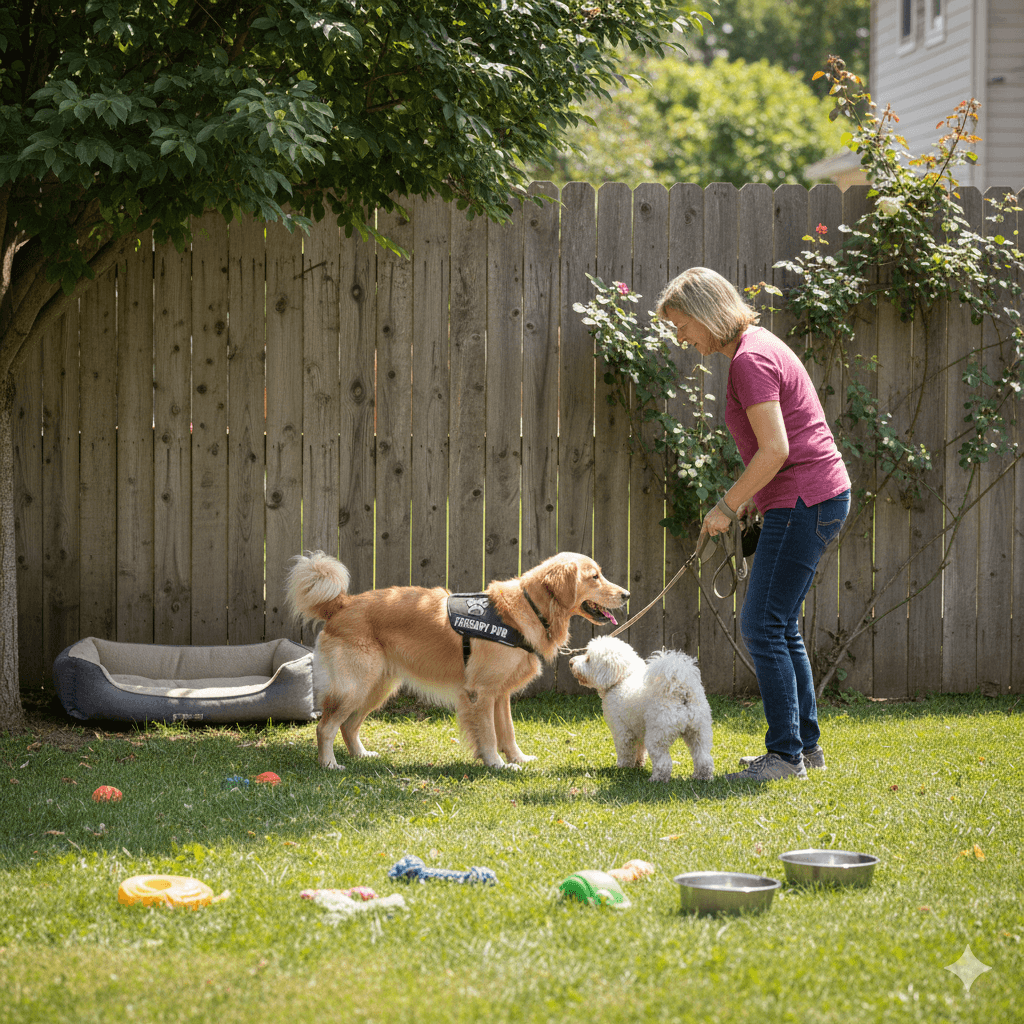

How to Make a Dog Less Territorial: Best 7 Expert Tips!

How to Make a Dog Less Territorial: Best 7 Expert Tips!

How to Make a Dog Less Territorial

Territorial behavior in dogs—like barking at visitors, growling near doors, or guarding the yard—is natural but can become problematic if unchecked. While some protectiveness is instinctive, excessive territoriality may lead to stress, aggression, or safety concerns. The good news? With patience, consistency, and the right approach, you can help your dog feel more secure and less reactive. Below are expert-backed strategies to gently reshape this behavior—without punishment or fear.

Understanding the Roots of Territorial Behavior

Before addressing the behavior, it’s essential to understand why your dog acts this way. Territoriality stems from instinct, environment, and individual temperament. Recognizing these underlying causes allows you to respond effectively rather than reactively:

 
  • Instinctual Protection:
    Dogs naturally guard spaces they consider “theirs,” a trait inherited from their wolf ancestors who protected dens and resources.
     
  • Lack of Early Socialization:
    Puppies not exposed to varied people, sounds, and environments before 16 weeks may grow overly wary of “outsiders.”
     
  • Anxiety or Insecurity:
    Some dogs bark or lunge not from confidence, but fear—believing strangers threaten their safety or bond with you.
     
  • Reinforced Behavior:
    Unintentionally rewarding barking (e.g., giving attention or treats to calm them) can strengthen territorial habits over time.
     
  • Breed Tendencies:
    Guardian breeds like German Shepherds, Akitas, or Dobermans are genetically predisposed to heightened territorial awareness.
 

Understanding these triggers helps you address the emotion behind the behavior—not just the symptoms.

How to Make a Dog Less Territorial: Best 7 Expert Tips!

Top 7 Expert Tips to Reduce Territorial Behavior

Transforming territorial tendencies requires a blend of management, training, and emotional support. These seven strategies, recommended by veterinary behaviorists and certified trainers, offer a humane, effective roadmap:

 
  • Desensitization and Counterconditioning:
    Gradually expose your dog to triggers (like doorbells or passersby) at a safe distance while pairing them with high-value treats to build positive associations.
     
  • Teach a Reliable “Quiet” or “Place” Cue:
    Train your dog to go to a designated mat or bed and stay calm when guests arrive—this gives them a clear, safe alternative to guarding.
     
  • Manage the Environment Proactively:
    Use baby gates, curtains, or white noise to limit visual or auditory access to common triggers like the front yard or sidewalk.
     
  • Avoid Punishment-Based Corrections:
    Yelling or scolding increases anxiety and may intensify guarding—focus instead on rewarding calm, relaxed states.
     
  • Increase Mental and Physical Enrichment:
    A tired, mentally stimulated dog is less likely to obsess over territory; incorporate puzzle toys, scent games, and structured walks.
     
  • Practice Controlled Guest Interactions:
    Have visitors ignore your dog initially, then toss treats from a distance—never force interaction or petting during arousal.
     
  • Consult a Professional Early:
    If growling, snapping, or lunging occurs, work with a certified veterinary behaviorist or force-free trainer to create a safe, tailored plan.
 

Consistency and patience turn these tips into lasting change—often within weeks for mild cases, longer for deep-seated patterns.

Behavior Prevention Strategies
Emotional Support Techniques
Block visual access to windows or fences
Use calming pheromone diffusers (e.g., Adaptil)
Keep greetings low-key and calm
Establish predictable daily routines
Train alternative behaviors (e.g., “go to mat”)
Provide safe retreat spaces (crate or quiet room)
Avoid reinforcing alert barking
Pair new people with favorite rewards
Leash your dog during visitors
Practice relaxation exercises like “settle” or deep pressure

The Role of Early Socialization in Prevention

While adult dogs can improve, preventing intense territoriality starts early. Puppies who experience positive, controlled exposure to diverse people, environments, and situations develop greater resilience and less reactivity later in life:

 
  • Expose Between 3–16 Weeks:
    This critical window shapes lifelong social confidence—introduce new sights, sounds, and people gently and frequently.
     
  • Prioritize Quality Over Quantity:
    One calm, happy meeting with a stranger is more valuable than ten overwhelming encounters.
     
  • Include Unfamiliar Scenarios:
    Practice visits from people wearing hats, carrying bags, or using walkers to build broad comfort.
     
  • Pair Novelty with Positivity:
    Always associate new experiences with treats, play, or affection—never force interaction.
     
  • Continue Socialization Into Adolescence:
    Social skills fade without practice; keep exposing your dog to safe, new experiences through 2 years of age.
 

Early socialization doesn’t guarantee zero territoriality—but it dramatically reduces its intensity and frequency.

Breeds Prone to Territorial Tendencies

While any dog can show territorial behavior, certain breeds were selectively bred for guarding roles. Recognizing genetic predispositions helps set realistic expectations and tailor training:

 
  • Livestock Guardian Breeds:
    Great Pyrenees, Anatolian Shepherds, and Komondors are wired to patrol and deter intruders independently.
     
  • Personal Protection Breeds:
    Doberman Pinschers, Rottweilers, and Boxers often form intense bonds and guard their families vigilantly.
     
  • Primitive or Independent Breeds:
    Akitas, Shiba Inus, and Basenjis may be aloof with strangers and highly territorial over space.
     
  • Herding Dogs with Alert Traits:
    Border Collies and Australian Shepherds may bark to “control” people or animals entering their zone.
     
  • Terriers and Scent Hounds:
    Many (like Fox Terriers or Beagles) bark readily at movement or unfamiliar scents near their home.
 

Breed tendencies aren’t destiny—but they do require proactive, breed-informed training from day one.

Common Mistakes Owners Make

Even well-meaning owners can accidentally worsen territorial behavior. Avoid these frequent pitfalls to keep progress on track:

 
  • Scolding During Barking:
    Yelling sounds like you’re joining the “alert,” reinforcing the dog’s belief that the trigger is dangerous.
     
  • Allowing Fence Running or Window Guarding:
    Unchecked rehearsal of barking at passersby strengthens the neural pathway for reactivity.
     
  • Forcing Guests to Pet the Dog:
    This increases stress; instead, let your dog choose to approach when calm.
     
  • Ignoring Early Warning Signs:
    Stiff posture, low growls, or staring are communication—not “bad behavior” to suppress.
     
  • Skipping Management in Favor of “Just Training”:
    Without controlling exposure, your dog practices the unwanted behavior daily, undoing training progress.
 

Awareness of these errors turns frustration into effective, compassionate guidance.

When to Seek Professional Help

Some territorial behaviors cross into dangerous territory—literally. If your dog shows aggression toward people or animals on or near your property, expert intervention is essential:

 
  • Growling, Snapping, or Biting:
    Any bite history or intent-to-bite signals require immediate behaviorist involvement.
     
  • Inability to Calm Down After Triggers:
    Dogs stuck in high arousal for 10+ minutes may have poor emotional regulation.
     
  • Escalating Reactivity:
    If barking turns to lunging or fence-jumping, the behavior is intensifying—not resolving.
     
  • Fear-Based Guarding:
    Dogs who cower while growling are conflicted and at higher risk of bite incidents.
     
  • Family or Legal Safety Concerns:
    If children, delivery workers, or neighbors feel unsafe, prioritize professional help over DIY methods.
 

A veterinary behaviorist or certified positive reinforcement trainer can create a structured, safe modification plan—often involving medication in severe anxiety cases.

Practical Daily Management Strategies for Territorial Dogs

Successfully reducing territorial behavior isn’t just about training sessions—it’s woven into everyday routines. These practical, actionable habits create a calmer household and reinforce your dog’s sense of security without constant guarding:

 
  • Control Entry Points:
    Keep your dog in a quiet room during deliveries or when guests first arrive to prevent reactive barking from the front door.
     
  • Use Visual Barriers Indoors:
    Apply window film or use baby gates to block access to street-facing windows where your dog commonly barks at passersby.
     
  • Establish a “Calm Zone”:
    Designate a cozy, low-traffic area with a bed, chew toy, and water where your dog can retreat during high-stimulus moments.
     
  • Practice “Door Routine” Drills Weekly:
    Simulate doorbell rings or knocking and practice having your dog go to their mat or sit quietly before earning a treat.
     
  • Avoid Reinforcing Alert Barking:
    Never pet, soothe, or even make eye contact when your dog is barking territorially—wait for silence, then reward calmness.
 

Integrating these small but consistent practices into daily life builds long-term emotional regulation and reduces reliance on territorial displays.

They will warn the individuals moving toward the line and escalate as the individual comes closer,”

-Dr. Sagi Denenberg

Frequently Asked Questions About Territorial Behavior

Can neutering reduce territorial behavior?

It may help in some cases (especially urine marking), but it rarely eliminates guarding—training and management are more impactful.


Not always—true protection is calm and controlled; territorial reactivity is often frantic, fearful, or excessive.

Mild cases may improve in 2–4 weeks; moderate to severe cases often require 3–6 months of consistent work.

Yes for mild alert barking; no for growling, lunging, or biting—those require professional guidance for safety.

Many dogs learn to tolerate or even enjoy guests—with time, trust, and the right support.

Building a Calmer, More Confident Companion

Helping your dog become less territorial isn’t about suppressing instincts—it’s about replacing fear with confidence and confusion with clarity. Every small win—like a quiet sit when the doorbell rings or a relaxed tail when a neighbor walks by—builds a stronger, safer bond between you. With consistency, empathy, and expert-backed methods, your dog can learn that their home is secure, their people are reliable, and the world outside isn’t a threat to defend against, but a place of calm curiosity. The journey may take patience, but the reward is a happier dog and a more peaceful home for everyone.

Is Rawhide Bad for Cats? Best 7 Expert Tips!

Is Rawhide Bad for Cats? Best 7 Expert Tips! – Discover the risks, safe alternatives, and expert advice to keep your feline friend healthy and happy.

Is Rawhide Bad for Dogs? Best 7 Expert Tips!

Is Rawhide Bad for Dogs? Best 7 Expert Tips! – Discover the risks, benefits, and safer alternatives to rawhides for your dog’s chewing needs.

Understanding Anorexia in Cats: Best 7 Expert Tips!

Understanding Anorexia in Cats: Best 7 Expert Tips! – Learn why cats stop eating, spot warning signs, and discover how to help your feline regain appetite safely.

Understanding Anorexia in Dogs: Best 7 Expert Tips!

Understanding Anorexia in Dogs: Best 7 Expert Tips! – Learn causes, symptoms, and solutions to help your dog regain appetite and stay healthy.

Leave a Reply

Your email address will not be published. Required fields are marked *