
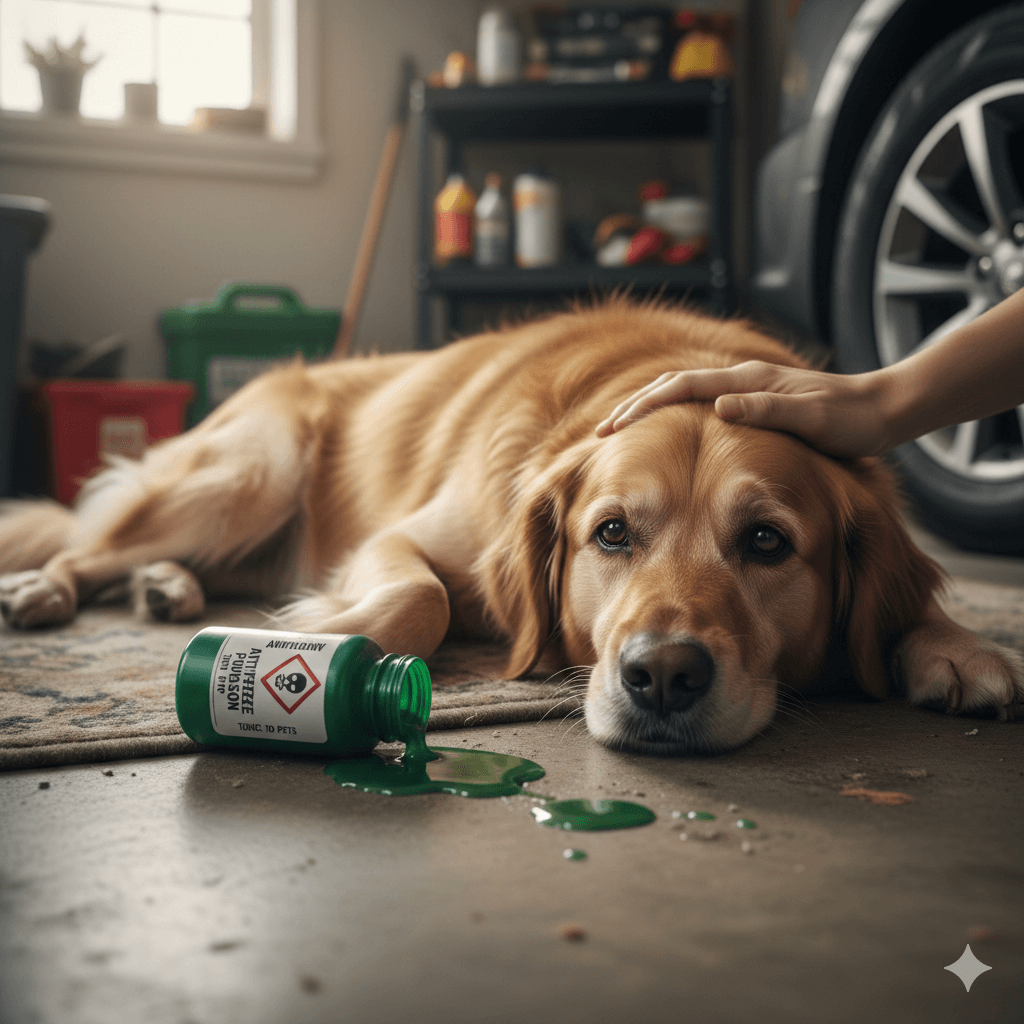

Antifreeze Poisoning in Dogs: Best 7 Expert Tips!

Antifreeze Poisoning in Dogs: Best 7 Expert Tips!

Understanding Antifreeze Poisoning in Dogs: Best 7 Expert Tips!

Antifreeze poisoning is one of the most dangerous—and tragically common—emergencies dog owners may face. Even a tiny amount of ethylene glycol, the toxic ingredient in many antifreeze products, can cause rapid kidney failure and death. What makes this threat especially insidious is how easily it can go unnoticed until it’s too late. Sweet-tasting and often spilled or leaked in garages and driveways, antifreeze lures curious dogs in with its sugary scent. Quick recognition and immediate action are the only ways to save your dog’s life. These expert-backed insights could make all the difference in an emergency.

Early Warning Signs of Antifreeze Exposure

The first symptoms of antifreeze poisoning can mimic simple intoxication or mild stomach upset, which is why many owners delay seeking help. However, the toxin moves fast—within hours, irreversible damage begins. Watch closely for these subtle but critical early indicators within 30 minutes to 12 hours after exposure:

 
  • Staggering or Loss of Coordination:
    Your dog may appear drunk—wobbly, unsteady on their feet, or unable to walk in a straight line.
     
  • Excessive Thirst and Urination:
    A sudden, dramatic increase in water consumption and frequent urination is a hallmark of early ethylene glycol toxicity.
     
  • Lethargy or Depression:
    Your dog may seem unusually tired, withdrawn, or unresponsive to normal cues or affection.
     
  • Nausea or Vomiting:
    Some dogs vomit shortly after ingestion, though this isn’t always present—don’t assume safety if vomiting doesn’t occur.
     
  • Rapid Breathing or Heart Rate:
    Increased respiratory or pulse rates can signal metabolic distress as the toxin circulates through the system.
 

These signs often peak within a few hours and may seem to improve temporarily—don’t be fooled. This “recovery” phase masks worsening internal damage.

Antifreeze Poisoning in Dogs: Best 7 Expert Tips!

Critical Stages of Antifreeze Toxicity

Antifreeze poisoning progresses in three distinct phases, each more dangerous than the last. Understanding this timeline helps you act before it’s too late—even if your dog seems to be getting better:

 
  • Stage 1 (30 min – 12 hours):
    Neurological symptoms dominate—drunken gait, drooling, seizures, or even coma—as ethylene glycol affects the brain.
     
  • Stage 2 (12 – 24 hours):
    Heart and lung strain increase; heart rate and breathing may accelerate while the dog appears temporarily more alert.
     
  • Stage 3 (24 – 72 hours):
    Kidney failure begins with little to no urine output, severe dehydration, mouth ulcers, and extreme weakness.
     
  • Rapid Blood Chemistry Shifts:
    Calcium oxalate crystals form in the kidneys within hours, blocking filtration and causing permanent damage.
     
  • Irreversible Organ Failure:
    Without treatment within 8–12 hours, most dogs develop fatal kidney injury, even with intensive care.
 

This rapid cascade underscores why every minute counts—delaying care by even a few hours drastically reduces survival chances.

Immediate Actions to Take
What NOT to Do
Call your vet or pet poison helpline immediately
Wait to see if symptoms “get worse”
Note the time and estimated amount ingested
Induce vomiting without professional guidance
Rinse mouth gently with water (if safe)
Give milk, activated charcoal, or home remedies
Confine your dog to prevent further exposure
Assume a small lick isn’t dangerous
Bring antifreeze container to the vet clinic
Delay transport while searching for “natural” cures

Common Sources and Hidden Dangers

Many owners don’t realize antifreeze hides in more places than just car radiators. Its sweet taste and widespread use make accidental ingestion far more likely than you’d think:

 
  • Automotive Leaks:
    Drips from radiators, AC units, or brake fluid reservoirs in driveways or garages are the most common source.
     
  • Improper Storage:
    Open cans, spilled containers, or uncapped jugs left on shelves or in sheds tempt curious dogs.
     
  • RV or Boat Maintenance:
    Antifreeze used in plumbing systems during winterization is often stored outdoors and easily accessible.
     
  • Recycled or Used Fluid:
    Old antifreeze dumped into buckets or pans for disposal remains highly toxic and attracts animals.
     
  • “Pet-Safe” Products Still Pose Risk:
    Even propylene glycol-based “non-toxic” antifreeze can cause illness in large amounts or sensitive dogs.
 

Vigilance around all vehicle fluids—not just antifreeze—is essential for prevention.

Life-Saving Treatment Options

If caught early, antifreeze poisoning can be reversed—but the window is narrow. Treatment focuses on blocking toxin metabolism and supporting organ function:

 
  • Ethanol or Fomepizole Therapy:
    These antidotes compete with ethylene glycol in the liver, preventing formation of deadly metabolites.
     
  • Intravenous Fluids:
    Aggressive hydration helps flush toxins and supports kidney function before crystals cause blockage.
     
  • Blood and Urine Testing:
    Vets check for metabolic acidosis, calcium oxalate crystals, and kidney enzyme spikes to confirm diagnosis.
     
  • Hospitalization for Monitoring:
    Critical cases require 48–72 hours of intensive care, including electrolyte balancing and blood pressure support.
     
  • Dialysis in Severe Cases:
    In advanced poisoning, hemodialysis may be the only option to remove toxins once kidneys fail.
 

Success depends almost entirely on how quickly treatment begins—ideally within 5–8 hours of ingestion.

Prevention Strategies Every Dog Owner Should Know

Preventing exposure is far safer and more effective than emergency treatment. These practical steps drastically reduce risk in and around your home:

 
  • Switch to Pet-Safe Antifreeze:
    Use propylene glycol-based products—they’re less toxic and often bittering agents deter licking.
     
  • Clean Spills Immediately:
    Absorb any automotive fluid with cat litter or paper towels, then rinse the area thoroughly with water.
     
  • Store Fluids Securely:
    Keep all automotive products in locked cabinets or high shelves, never in open garages or sheds.
     
  • Check Your Vehicle Regularly:
    Inspect for leaks weekly, especially before winter when antifreeze use peaks.
     
  • Supervise Outdoor Time:
    Don’t let your dog roam unsupervised in driveways, parking lots, or near neighbors’ vehicles.
 

A single teaspoon can kill a small dog—so treat every drop like a lethal hazard.

Special Risks for Puppies, Small Breeds, and Outdoor Dogs

Certain dogs face higher danger due to size, curiosity, or lifestyle. Their vulnerability demands extra layers of protection and faster response times:

 
  • Puppies Under One Year:
    Their exploratory behavior and lower body weight mean even minimal exposure can be fatal.
     
  • Small or Toy Breeds:
    A few licks represent a much higher dose per pound—making Chihuahuas, Yorkies, and similar breeds especially at risk.
     
  • Hunting or Farm Dogs:
    These dogs often encounter antifreeze in remote areas like hunting camps, tractors, or equipment sheds.
     
  • Dogs with Pica or Oral Fixation:
    Breeds prone to mouthing objects (like Labradors or Beagles) are more likely to lick unknown liquids.
     
  • Unsupervised Neighborhood Roamers:
    Stray antifreeze in alleyways, gas stations, or public garages poses hidden threats beyond your property.
 

For these groups, prevention isn’t optional—it’s a daily responsibility.

What to Do During a Veterinary Emergency Visit

If you suspect antifreeze exposure, every second matters. Knowing how to act during the vet visit maximizes your dog’s chance of survival:

 
  • Provide Exact Details:
    Tell the vet when, where, and how much your dog may have ingested—even an estimate helps guide treatment.
     
  • Bring the Product Label:
    The ingredient list confirms whether it’s ethylene or propylene glycol, which affects antidote choice.
     
  • Stay Calm but Insistent:
    If your clinic isn’t equipped for toxicology, ask for an immediate referral to an emergency hospital.
     
  • Prepare for Rapid Testing:
    Blood gas analysis and urine crystal exams are urgent—don’t delay consent for diagnostics.
     
  • Discuss Prognosis Honestly:
    If more than 12 hours have passed, kidney damage may be irreversible—your vet will discuss humane options.
 

Your advocacy in those first critical minutes can literally save your dog’s life.

Frequently Asked Questions About Antifreeze Poisoning in Dogs

How much antifreeze is lethal to a dog?

As little as 1–2 teaspoons per 10 pounds of body weight can be fatal if untreated—smaller than a shot glass for a medium dog.

Yes—they’re strongly attracted to its sweet flavor, which is why even cautious dogs may eagerly lick a puddle.

No reliable at-home test exists; diagnosis requires blood/urine analysis at a veterinary clinic.

Act immediately. Symptoms lag behind internal damage—don’t wait for signs to appear before seeking help.

Some dogs recover fully with early treatment, but others may have chronic kidney disease requiring lifelong management.

Protecting Your Dog from a Silent Killer

Antifreeze poisoning is a heartbreaking crisis that strikes fast and often without warning. Yet with knowledge, vigilance, and preparedness, it’s also one of the most preventable emergencies in canine health. By securing hazardous products, recognizing the subtle early signs, and acting without hesitation, you become your dog’s greatest shield against this invisible threat. Remember: what looks like a harmless puddle could be a death sentence—but your awareness turns danger into safety. Keep your garage tidy, your storage secure, and your response swift. Because in the race against antifreeze, love isn’t just care—it’s action.

Newfoundland Dog Personality: Best 7 Expert Tips!

Newfoundland Dog Personality: Best 7 Expert Tips! – Discover the gentle, loyal, and protective nature of this giant breed perfect for families.

Can Hot Pavement Burn Your Cats Paws? Best 7 Expert Tips!

Can Hot Pavement Burn Your Cats Paws? Best 7 Expert Tips! – Learn how to protect your cat’s paws from hot surfaces and prevent painful burns this summer.

Can Hot Pavement Burn Your Dogs Paws? Best 7 Expert Tips!

Can Hot Pavement Burn Your Dogs Paws? Best 7 Expert Tips! – Learn how to protect your dog’s paws from hot surfaces and ensure safe summer walks.

Irish Wolfhound Size: Best 7 Expert Tips!

Irish Wolfhound Size: Best 7 Expert Tips! – Discover the ideal height, weight, and care tips for this majestic giant breed. Learn how to manage their impressive stature responsibly.

Leave a Reply

Your email address will not be published. Required fields are marked *


