
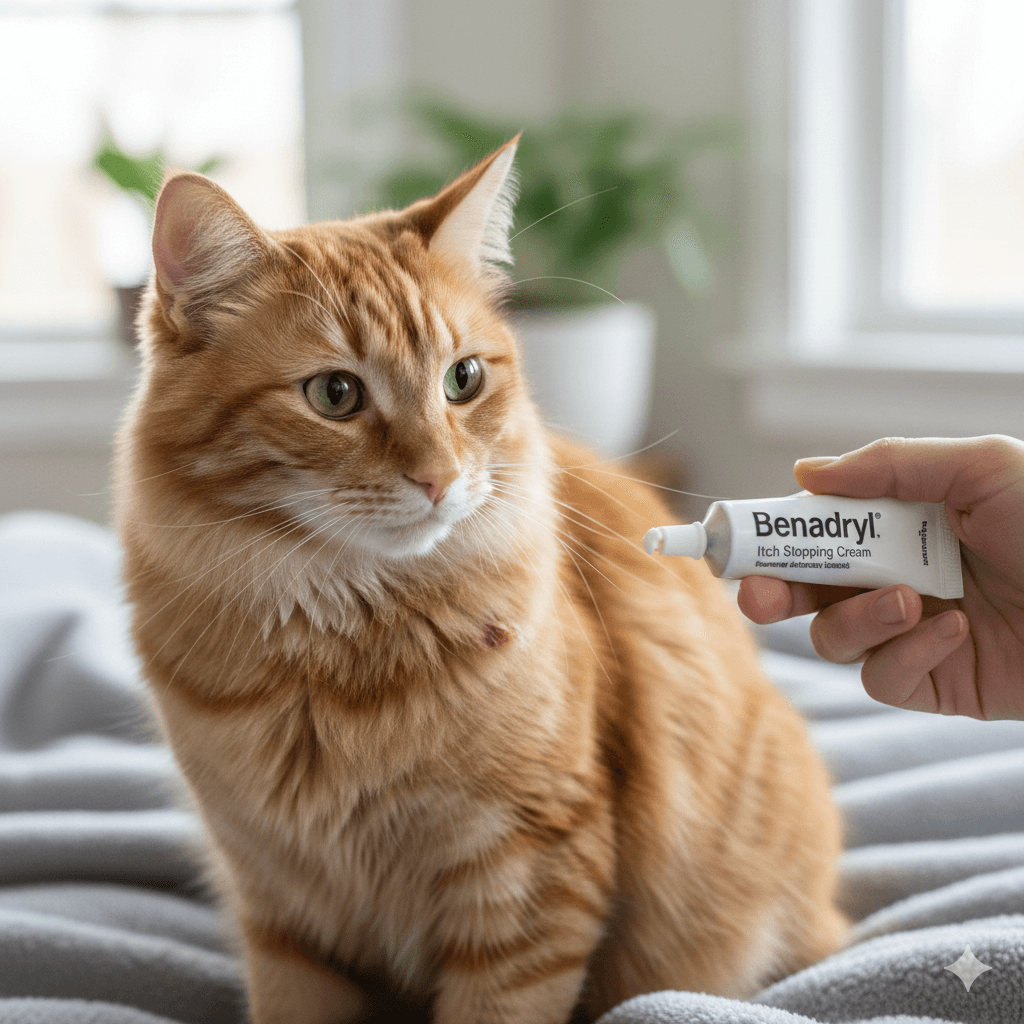

Can You Put Benadryl Cream on a Cat?
If you’ve noticed your cat scratching, licking, or developing red, irritated skin, it’s natural to wonder if an over-the-counter remedy like Benadryl cream might help. While diphenhydramine (the active ingredient in oral Benadryl) is sometimes used in cats under veterinary guidance, topical formulations pose unique risks. Cats’ sensitive skin and grooming habits make them especially vulnerable to absorbing or ingesting harmful ingredients. Before reaching for any human medication, it’s essential to understand what’s safe—and what could do more harm than good.
Why Topical Benadryl Is Risky for Cats
Benadryl cream may seem like a quick fix for itching or insect bites, but feline physiology reacts very differently to topical medications than humans or even dogs. The main concern isn’t just the diphenhydramine—it’s the other ingredients often found in these creams. Here’s what every cat owner should consider before applying any topical product:
- Toxic Additives:
Many Benadryl creams contain alcohol, fragrances, or penetration enhancers that can irritate a cat’s delicate skin or be absorbed systemically. - Ingestion During Grooming:
Cats constantly lick their fur, which means any cream applied will likely be swallowed—potentially leading to overdose or toxicity. - Unregulated Dosage:
Unlike oral tablets (which can be precisely dosed), topical absorption is unpredictable in cats, making it hard to control how much enters their system. - Alternative Irritants:
Some “anti-itch” creams include ingredients like camphor or menthol, which are highly toxic to cats even in small amounts. - Masking Underlying Conditions:
Using cream may temporarily ease symptoms while hiding serious issues like allergies, infections, or parasites that need proper diagnosis.
Because of these risks, veterinarians generally advise against using Benadryl cream on cats without explicit approval and guidance.
Common Ingredients in Human Topical Creams That Harm Cats
Even if a product is labeled “gentle” or “for sensitive skin,” it may contain substances that are dangerous for felines. Cats lack certain liver enzymes needed to process common compounds, turning seemingly harmless lotions into health hazards:
- Camphor:
Found in many medicated creams, camphor can cause vomiting, seizures, and respiratory distress in cats. - Phenol and Phenolic Compounds:
Often used as preservatives or antiseptics, these can lead to liver damage or methemoglobinemia (a blood disorder). - Essential Oils:
Lavender, tea tree, eucalyptus, and others are toxic when ingested or absorbed through the skin—despite being “natural.” - Alcohol (Ethanol or Isopropanol):
Drying agents that increase skin absorption and may cause central nervous system depression if licked. - Zinc Oxide:
Common in diaper rash or sunburn creams, it can cause gastrointestinal upset and red blood cell damage if ingested.
Always check the full ingredient list—never assume a product is safe just because it’s sold over the counter.
Check this guide 👉Can You Give Your Cat Benadryl Every Day? Best 7 Tips!
Check this guide 👉Understanding Cat Swollen Eye Benadryl: Best 7 Expert Tips!
Check this guide 👉Benadryl Cat Dose: Best 7 Expert Tips!
Safe Approaches | Dangerous Shortcuts |
|---|---|
Consult your vet before any topical application | Applying human anti-itch creams without guidance |
Use vet-prescribed feline-safe shampoos or sprays | Using products with camphor, menthol, or essential oils |
Address root causes like fleas or allergies | Relying on creams to suppress symptoms long-term |
Bathe with plain, lukewarm water for mild irritation | Rubbing alcohol-based solutions on skin |
Monitor for excessive licking or new symptoms | Assuming “natural” equals safe for cats |
Safer Alternatives to Soothe Itchy Skin in Cats
If your cat is itchy or has irritated skin, several safe, vet-approved options exist that don’t involve human medications. The goal is to relieve discomfort while supporting skin health:
- Veterinary-Formulated Topicals:
Products like Douxo S3 Calm or prescription hydrocortisone sprays (in cat-safe concentrations) can reduce inflammation without toxicity. - Hypoallergenic Oatmeal Baths:
A gentle rinse with colloidal oatmeal (specifically made for cats) can calm mild irritation—avoid human shampoos. - Flea Prevention:
Many “allergies” are actually flea allergy dermatitis; consistent, vet-recommended flea control is often the real solution. - Omega-3 Fatty Acid Supplements:
Fish oil formulated for cats supports skin barrier health and may reduce chronic itchiness over time. - Environmental Management:
Remove potential allergens like scented laundry detergents, air fresheners, or new plants that could trigger reactions.
Always introduce new products one at a time and under veterinary supervision to monitor for adverse effects.
When to Call the Vet Immediately
Some skin issues require urgent care—especially if your cat has already been exposed to a questionable topical product. Seek veterinary help if you notice:
- Excessive Drooling or Pawing at Mouth:
This may indicate ingestion of a toxic substance during grooming. - Lethargy, Tremors, or Seizures:
Neurological signs can appear quickly with exposure to camphor, essential oils, or high-dose antihistamines. - Vomiting or Diarrhea:
Gastrointestinal upset is a common reaction to ingested topical medications. - Worsening Redness or Open Sores:
Secondary infections can develop if the skin barrier is compromised. - Changes in Breathing or Heart Rate:
These are red flags for systemic toxicity and require emergency intervention.
Prompt treatment can prevent serious complications—never wait to see if symptoms “resolve on their own.”
Preventing Future Skin Irritations in Cats
Proactive care is the best defense against itchy, inflamed skin. By creating a low-irritant environment and supporting overall health, you can reduce the need for topical treatments altogether:
- Stick to Cat-Specific Grooming Products:
Never use dog or human shampoos, sprays, or creams unless explicitly approved by your vet. - Maintain Rigorous Flea Control:
Even one flea bite can trigger intense itching in allergic cats—use monthly preventatives year-round. - Feed a High-Quality, Balanced Diet:
Skin health starts from within; poor nutrition can lead to dryness, flaking, and increased sensitivity. - Minimize Household Chemicals:
Switch to fragrance-free, dye-free detergents for bedding and avoid aerosol sprays near your cat. - Schedule Regular Wellness Checks:
Early detection of allergies, thyroid issues, or fungal infections can prevent chronic skin problems.
A healthy skin barrier is your cat’s first line of defense—nurture it wisely.
Special Considerations for Senior or Medically Fragile Cats
Older cats or those with kidney disease, diabetes, or immune disorders are even more vulnerable to topical toxins. Their livers and kidneys may not process chemicals efficiently, raising the stakes of accidental exposure:
- Reduced Detoxification Capacity:
Aging organs clear drugs more slowly, increasing the risk of accumulation and side effects. - Thinner Skin:
Senior cats often have more delicate skin that absorbs substances more readily. - Polypharmacy Risks:
If your cat takes other medications, topical agents could interact unpredictably. - Subtle Symptom Presentation:
Sick cats may not show obvious signs of toxicity until it’s advanced—monitor closely for any behavior change. - Need for Gentler Protocols:
Vets may recommend diluted or non-pharmacological approaches for fragile patients.
When in doubt, always choose caution over convenience.
What to Expect During a Veterinary Dermatology Consult
If your cat has recurring skin issues or has been exposed to a harmful cream, a vet visit may include:
- Thorough History Review:
Your vet will ask about products used, diet changes, and symptom timeline. - Physical Skin Exam:
Checking for patterns of hair loss, crusting, or infection that hint at the underlying cause. - Diagnostic Tests:
Skin scrapings, fungal cultures, or allergy panels may be needed to identify triggers. - Decontamination if Exposed:
If a toxic cream was applied, your vet may bathe your cat with a medicated shampoo to remove residues. - Personalized Treatment Plan:
Including safe topical options, oral medications, or environmental modifications tailored to your cat.
Professional guidance ensures your cat gets relief without risking their health.
“Avoid using human medications like Benadryl cream on pets. Consult with a veterinarian for precise diagnosis and treatment options.” — Dial A Vet
Frequently Asked Questions About Benadryl Cream and Cats
Can I use a tiny bit of Benadryl cream on my cat’s ear?
No—even small amounts can be dangerous due to grooming and skin absorption. Always consult your vet first.
Is oral Benadryl safer than cream for cats?
Oral diphenhydramine can be used in cats under veterinary supervision, but dosage must be precise. Never give human formulations without approval.
What if my cat already licked Benadryl cream?
Contact your vet or a pet poison helpline immediately—symptoms of toxicity can develop rapidly.
Are there any human creams that are safe for cats?
Very few. Most contain ingredients unsafe for felines. Only use products specifically labeled for cats or prescribed by a veterinarian.
How can I soothe my cat’s itchy skin at home safely?
Use cool, damp cloths for spot relief, maintain flea control, and avoid all human topical products unless directed by your vet.
Keeping Your Cat Safe from Harmful Human Medications
Your love for your cat drives you to seek relief when they’re uncomfortable—but human medications, even common ones like Benadryl cream, are rarely safe for feline use. Their unique biology demands tailored solutions, not quick fixes from your medicine cabinet. By partnering with your veterinarian and using only cat-approved products, you protect your companion from hidden dangers while addressing the real cause of their discomfort. In the end, the safest remedy isn’t the fastest one—it’s the one that keeps your cat healthy, happy, and thriving for years to come.
Is Rawhide Bad for Cats? Best 7 Expert Tips! – Discover the risks, safe alternatives, and expert advice to keep your feline friend healthy and happy.

Is Rawhide Bad for Dogs? Best 7 Expert Tips! – Discover the risks, benefits, and safer alternatives to rawhides for your dog’s chewing needs.

Understanding Anorexia in Cats: Best 7 Expert Tips! – Learn why cats stop eating, spot warning signs, and discover how to help your feline regain appetite safely.

Understanding Anorexia in Dogs: Best 7 Expert Tips! – Learn causes, symptoms, and solutions to help your dog regain appetite and stay healthy.